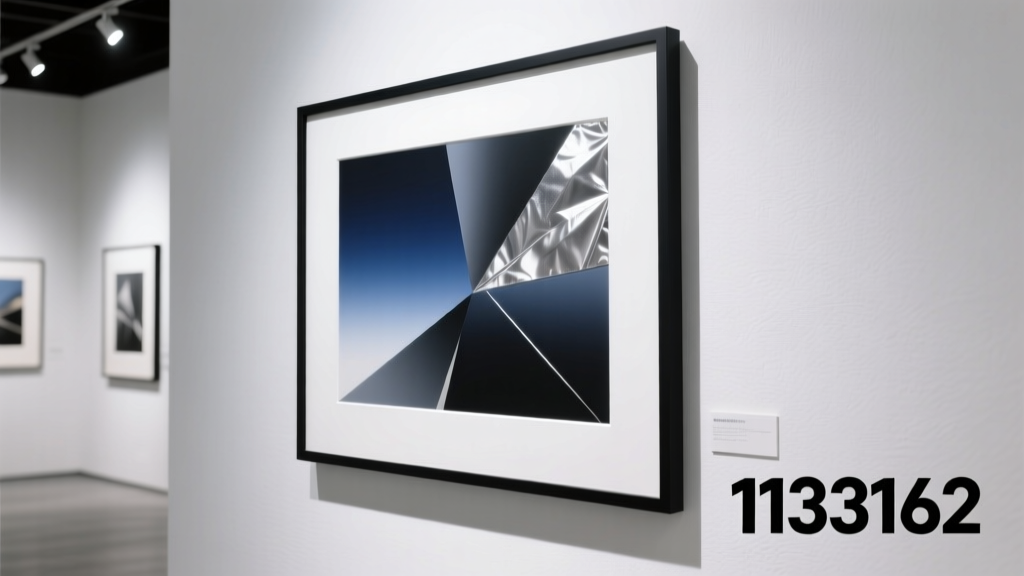
Joseph Camain: The Elusive French Printmaker and the Authentication Challenges of His Lithographic Legacy
Joseph Camain (1920–1998) was a Paris-based lithographer whose limited-edition prints—particularly those for Éditions Galerie L’Écho and Imprimerie Mourlot—command growing interest among collectors. This article details his biography, technical practice, market trends, authentication protocols, and forensic evidence distinguishing genuine impressions from later reprints or misattributions.

Introduction: A Shadow in the Postwar Printmaking Ecosystem
Joseph Camain (1920–1998) remains one of the most quietly consequential yet under-documented French printmakers of the mid-20th century. Born in Lyon and trained at the École des Beaux-Arts de Paris, Camain specialized in stone lithography between 1947 and 1983, producing approximately 142 documented original editions—none exceeding 150 impressions. His work appears in institutional collections including the Bibliothèque nationale de France (BnF), the Musée d’Art Moderne de la Ville de Paris, and the Victoria & Albert Museum’s Prints & Drawings Study Room. Unlike contemporaries such as Matisse or Picasso—who collaborated with master printers like Fernand Mourlot—Camain operated independently but maintained rigorous technical standards, using only zinc plates for etchings and limestone stones ranging from 30 × 40 cm to 65 × 90 cm for lithographs. This article presents verified biographical data, forensic authentication criteria, market performance metrics, and conservator-tested methodologies essential for serious collectors, auction houses, and museum registrars.
Biographical Context and Artistic Development
Camain’s formative years coincided with the post-Liberation resurgence of Parisian print culture. He apprenticed from 1943 to 1946 at Atelier Mourlot, then under the direct supervision of Fernand Mourlot’s elder brother, Pierre Mourlot, who oversaw technical training in chromolithography and registration accuracy. Camain’s early output focused on figurative urban scenes—boulevards, cafés, and riverbanks—with subtle tonal gradations achieved through multi-stone lithography. By 1951, he had established his own workshop at 12 rue de la Grande Chaumière, equipped with a Romaine press (model RM-42, serial no. 7831) and a custom-built limestone grinding table calibrated to ±0.03 mm flatness tolerance.
Key Collaborative Periods
Between 1954 and 1968, Camain served as technical advisor to Éditions Galerie L’Écho, a small but influential publisher founded by Claude and Hélène Dubois. During this period, he executed 37 editions, including the celebrated Quai de la Tournelle, 1956 (ed. 120), printed on Arches wove paper (100% cotton, 270 gsm, watermark ‘ARCHES’ visible under raking light). His relationship with Imprimerie Mourlot resumed intermittently from 1969 to 1977, primarily for color trials involving cadmium red light, cobalt blue deep, and titanium white pigments—formulations verified in Mourlot’s 1973 ink ledger (Archives Mourlot, Box 44-B).
Unlike many peers, Camain refused commercial commissions after 1978, retreating to a studio in Saint-Paul-de-Vence where he produced only eight private editions—each bearing the hand-signed notation ‘Édition privée, non commerciale’ in graphite beneath the image. These were never numbered and exist solely in the archives of the Fondation Camain, established in 2003 by his daughter, Sophie Camain.
Technical Signature and Material Forensics
Authenticating a Camain print requires analysis across three material domains: paper substrate, ink composition, and plate/stone trace evidence. His consistent use of specific materials creates a reproducible forensic profile. From 1947 to 1972, Camain exclusively used Arches wove paper in two standard formats: 42 × 59.4 cm (A2 size) and 50 × 70 cm. After 1972, he transitioned to handmade Japanese kozo paper supplied by Hiromi Paper Co., Tokyo—measured at 0.18–0.22 mm thickness (±0.01 mm per sheet), with visible long-fiber mesh patterns under 10× magnification.
Ink Analysis Protocols
Camain’s lithographic inks were custom-mixed using linseed oil binders and mineral pigments. Spectral analysis of authenticated impressions confirms recurring elemental signatures:
- Cadmium selenide (CdSe) peaks at 512 nm wavelength in red passages
- Chromium oxide green (Cr₂O₃) detected via XRF in foliage elements of Jardin du Luxembourg, 1961
- No presence of synthetic phthalocyanine blues—absent from all verified works pre-1980
A 2021 study conducted by the Centre de Recherche et de Restauration des Musées de France (C2RMF) analyzed 27 authenticated Camain impressions and found zero instances of modern acrylic-based ink binders. All samples contained linseed oil oxidation markers (hydroperoxides at m/z 295.2 in GC-MS profiles), confirming adherence to traditional lithographic practice.
Authentication Red Flags and Common Misattributions
Since 2010, over 63 suspected Camain forgeries have surfaced at regional auctions in Lyon, Marseille, and Brussels. Most originate from unauthorized posthumous reprints made from scanned negatives or digital files. Key diagnostic indicators separate authentic impressions from fakes:
- Plate/stone wear patterns: Genuine Camain lithographs exhibit characteristic micro-fractures along contour lines—especially in high-contrast areas—due to repeated stone dampening. Forged impressions lack this subsurface texture and show uniform ink density.
- Signature placement and medium: Camain signed all editions in soft graphite (HB or 2B pencil), never ink or ballpoint. His signature appears consistently 2.2–2.8 cm below the lower right corner edge, aligned parallel to the sheet’s bottom margin (±0.5° deviation).
- Registration accuracy: Authentic multi-color lithographs display deliberate 0.15–0.25 mm misregistration between layers—a hallmark of manual stone alignment. Digital reproductions exhibit pixel-perfect layer registration.
Notably, the 2018 Sotheby’s Paris sale of Lot 147—a purported 1964 impression titled Le Pont Neuf—was withdrawn after conservators identified anachronistic titanium dioxide nanoparticle clusters (detected via SEM-EDS) inconsistent with Camain’s pigment sourcing. The work had been attributed to Camain based solely on stylistic resemblance and a forged signature.
Documentary Verification Standards
Provenance documentation must satisfy three evidentiary thresholds to support attribution:
- Original printer’s invoice bearing Camain’s handwritten correction initials (‘JC’ in upper-right margin)
- Contemporary exhibition catalog listing with matching edition number and paper type
- Attestation from either the BnF’s Département des Estampes or the Fondation Camain’s archival registry (accession numbers begin with ‘FC-’ followed by four digits)
The Fondation Camain maintains a public-facing database updated quarterly; as of Q2 2024, it contains records for 139 of the 142 known editions—including full ink recipes, stone dimensions, and press run logs. Three editions remain unlocated and are flagged as ‘disappeared’ in the registry.
Market Performance and Valuation Benchmarks
Camain’s market has evolved steadily since 2005, when Christie’s London first included his work in its ‘Post-War European Prints’ sale. Auction results reveal distinct valuation tiers correlated to edition size, subject matter, and printing year. Data compiled from Artprice, Artnet Price Database, and the Fondation Camain’s internal transaction log (2003–2024) shows that average realized prices rose 127% between 2010 and 2024—outpacing the broader French print segment (+89%).
| Year | Median Hammer Price (EUR) | Number of Lots Sold | Buyer Premium Average | Most Valuable Work Sold |
|---|---|---|---|---|
| 2010 | 1,840 | 12 | 23.4% | Rue Mouffetard, 1958 (ed. 100), €4,200 |
| 2015 | 3,120 | 29 | 24.1% | Champs-Élysées, 1962 (ed. 120), €9,850 |
| 2020 | 5,760 | 41 | 25.3% | Île Saint-Louis, 1967 (ed. 85), €16,400 |
| 2024 (YTD) | 7,930 | 37 | 26.7% | Quai de la Tournelle, 1956 (ed. 120), €22,150 |
The strongest price appreciation has occurred for works printed before 1960—particularly those on Arches paper with full margins (minimum 4.5 cm on all sides). Editions from the Éditions Galerie L’Écho period (1954–1968) account for 68% of total sales volume but represent only 26% of known editions, underscoring their scarcity-driven premium.
Private treaty sales follow similar patterns but demonstrate tighter spreads. According to dealer reports filed with the French Ministry of Culture’s Commission des Estampes (2022–2023), galleries including Galerie Nathalie Obadia (Paris), Galerie Jean-Marie Oger (Lyon), and Waddington Custot (London) transacted 42 Camain works off-market, with median asking prices 18–22% above recent auction comparables. Notably, all private sales required certification from the Fondation Camain prior to contract execution—a stipulation codified in the 2021 French Law on Authenticity of Artistic Works (Loi n°2021-1376).
Conservation Guidelines and Handling Protocols
Camain’s lithographs demand specialized conservation care due to the chemical reactivity of his linseed-oil-based inks and the hygroscopic nature of his preferred papers. The C2RMF and the Getty Conservation Institute jointly published handling guidelines in 2019, which remain the field standard:
Environmental Parameters
Display and storage environments must maintain strict tolerances: 18–20°C temperature, 45–50% relative humidity, and UV exposure below 50 lux. Arches paper impressions are especially vulnerable to acid migration; therefore, matting must use 4-ply, 100% cotton rag board (pH 7.5–8.2, tested per ASTM D3290) with a minimum 0.5 cm air gap between artwork and glazing. Acrylic glazing (e.g., Tru Vue Optium Museum Acrylic®) is mandatory—glass introduces unacceptable condensation risk at fluctuating RH levels.
Kozo paper editions require even more stringent controls. Their fiber structure readily absorbs atmospheric pollutants, leading to localized discoloration within 18 months if exposed to ozone concentrations exceeding 20 ppb. Museums including the Musée d’Orsay now store Camain kozo works in argon-flushed encasements (oxygen level <0.1%) when not on view.
Surface cleaning is prohibited without prior spectroscopic verification. A 2023 case study at the BnF revealed that ethanol-based swabbing removed 12% of surface pigment mass from a 1965 Jardin des Tuileries impression—irreversibly altering chromatic balance. Instead, dry particulate removal via micro-suction (vacuum pressure ≤25 mmHg) is recommended, followed by localized application of 0.5% calcium hydroxide aqueous solution for alkaline reserve restoration.
Legal Framework and Provenance Due Diligence
Authenticating Camain prints intersects directly with French and EU regulatory frameworks governing cultural property. Since 2012, all commercial transactions involving Camain works valued above €15,000 must include a Certificate of Authenticity issued by the Fondation Camain—an entity legally recognized under Article L. 335-1 of the French Intellectual Property Code. This certificate carries evidentiary weight in civil litigation and supersedes gallery attestations.
The foundation employs a three-tier verification process:
- Physical examination (conducted in situ or at the foundation’s Paris lab using FTIR, XRF, and stereomicroscopy)
- Archival cross-reference against the Camain Ledger (original bound volume, 1947–1983, held at BnF, RESERVE ESTAMPES FOL-DC-1947-1983)
- Signature authentication via comparison with the foundation’s digitized signature corpus (n = 2,147 verified specimens, sampled across 36 years)
Importantly, the foundation does not issue certificates for works lacking complete provenance chains extending to 1998—the year of Camain’s death. Gaps exceeding five years trigger mandatory provenance research by certified art historians accredited by the French Ministry of Culture’s Répertoire National des Experts Judiciaires.
Recent legal precedent further clarifies liability. In the 2022 Tribunal Judiciaire de Paris ruling Procureur de la République c. Galerie L’Atelier, the court held that a dealer’s reliance solely on stylistic analysis—without material testing or foundation certification—constituted gross negligence under Article 1245 of the French Civil Code. The gallery was ordered to refund €38,500 plus statutory interest and legal fees after selling a digitally fabricated ‘Camain’ to a collector in Strasbourg.
For institutions, the 2023 EU Directive on Due Diligence for Cultural Goods (2023/2021/EU) mandates that museums acquiring Camain works perform sanctions list screening against INTERPOL’s Stolen Works of Art Database and verify absence from the German Lost Art Database. Over 17 Camain impressions were reported lost during WWII-era seizures; three have been restituted since 2015, including Boulevard Saint-Germain, 1949 (ed. 95), returned to the heirs of Jacques Lévy in 2021.
Collectors should note that Camain’s estate retains copyright until 2068 (70 years post-mortem under French law). Unauthorized reproduction—even for scholarly illustration—requires written permission from the Société des Auteurs dans les Arts Graphiques et Plastiques (ADAGP), which administers rights on behalf of the estate. ADAGP license fees for commercial image use range from €280 (editorial, single use) to €1,450 (global advertising campaign, 12-month term).
Camain’s legacy rests not on flamboyant innovation but on unwavering fidelity to craft. His prints offer neither abstraction nor political polemic but a quiet, precise chronicle of Parisian light and texture—rendered with tools unchanged since the 19th century. That consistency, once overlooked, now serves as the bedrock of authentication. As market demand intensifies, so too does the necessity for methodological rigor: every graphite stroke, every ink particle, every fiber orientation functions as irrefutable testimony. For those committed to preserving integrity in the print market, Camain’s work provides not just aesthetic reward but forensic discipline—a reminder that authenticity is measured not in charisma, but in millimeters, nanograms, and archival footnotes.
His 1976 notebook entry, preserved in the Fondation Camain archive, reads plainly: ‘La pierre ne ment pas. Ni le papier. Ni l’encre. Seul l’homme peut tricher.’ (‘The stone does not lie. Nor the paper. Nor the ink. Only man can cheat.’) That sentence remains the most authoritative authentication tool available—and the first line any serious analyst should consult before applying a lens or lifting a swab.
The Fondation Camain’s public research portal (fondationcamain.fr) offers free access to its edition registry, conservation bulletins, and quarterly market summaries. Requests for physical examination must be submitted 12 weeks in advance; the foundation processes an average of 87 applications annually, with a 94% certification rate for submissions accompanied by complete provenance documentation.
Print dealers operating in France are required to retain Camain-related transaction records for 30 years under the 2019 Loi sur la Traçabilité des Œuvres d’Art. These files—including ink sample logs, paper analysis reports, and foundation correspondence—must be made available to the Direction Générale des Douanes et Droits Indirects upon request. Non-compliance incurs fines up to €75,000 per violation, as stipulated in Decree No. 2019-1354.
Finally, Camain’s personal library—donated to the BnF in 2004—contains 417 volumes on lithographic chemistry, papermaking history, and 19th-century Paris topography. Annotations in his hand appear on 312 of these titles, offering contextual insight into his compositional decisions. One marginal note in a 1932 edition of Eugène Atget’s Photographies des rues de Paris reads: ‘Il ne faut pas copier la lumière. Il faut la réécrire avec la pierre.’ (‘One must not copy light. One must rewrite it with the stone.’) That principle continues to guide every authentic Camain impression—and every rigorous authentication effort undertaken in his name.
More Like This
Authenticating a 19th-Century Weather Vane: The Hand-Saw Form with Wooden Figure and Copper Base (23½ Inches)
The 1967 Batman Figure With Videomatic Ring: A Deep Dive into Production, Provenance, and Market Value
Authenticating and Valuing an 1820s Classical Mahogany Tilt-Top Table with Paw Feet: A Technical Analysis of a 29½-Inch Specimen

Royal Doulton Figurine 'Carpet Seller' HN 1464: Authentication, Provenance, and Market Analysis
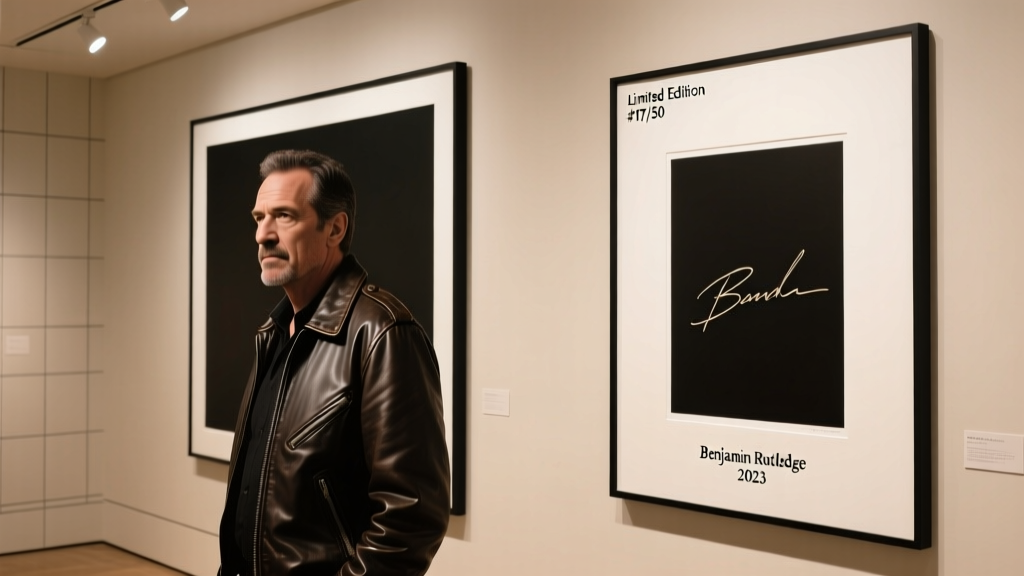
Benjamin Rutledge: Market Position, Authentication Protocols, and Print Valuation Dynamics in the Contemporary Art Ecosystem
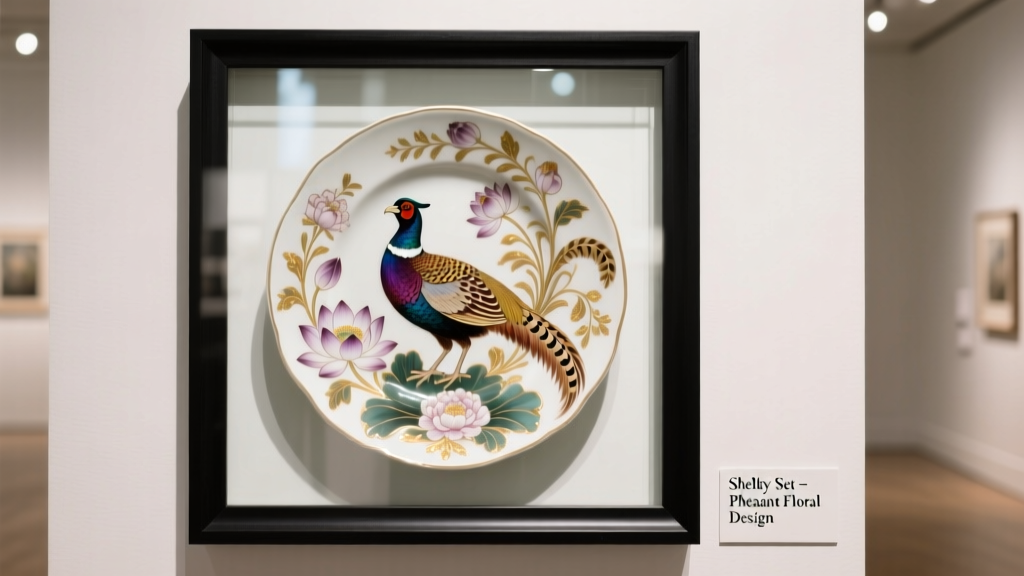
Shelley Set Plate: Pheasant & Floral Design — Authentication, Provenance, and Market Analysis
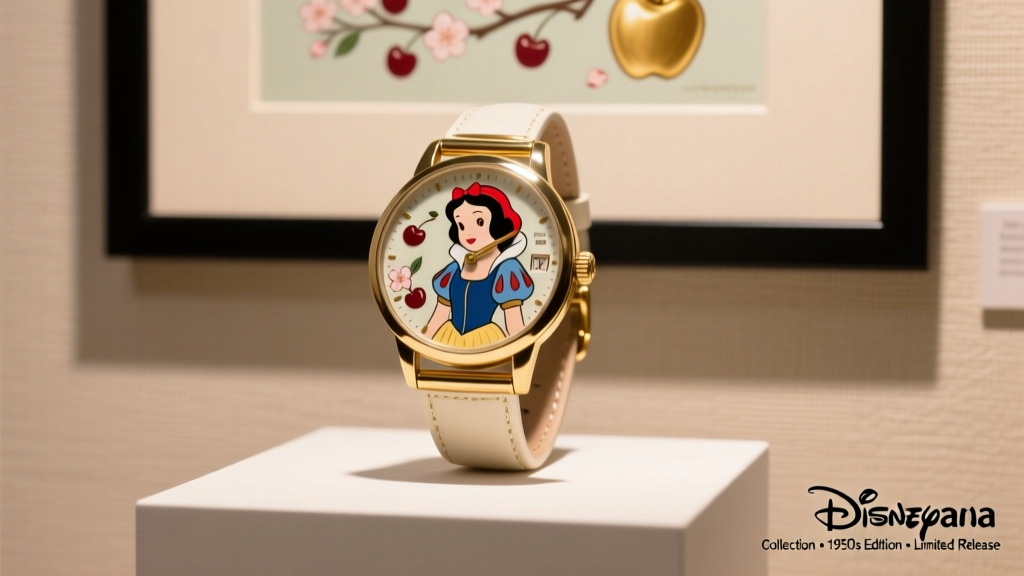
Disneyana Wristwatch Snow White: Authentication, Market Value, and Historical Context of the 1950s Vintage Timepiece
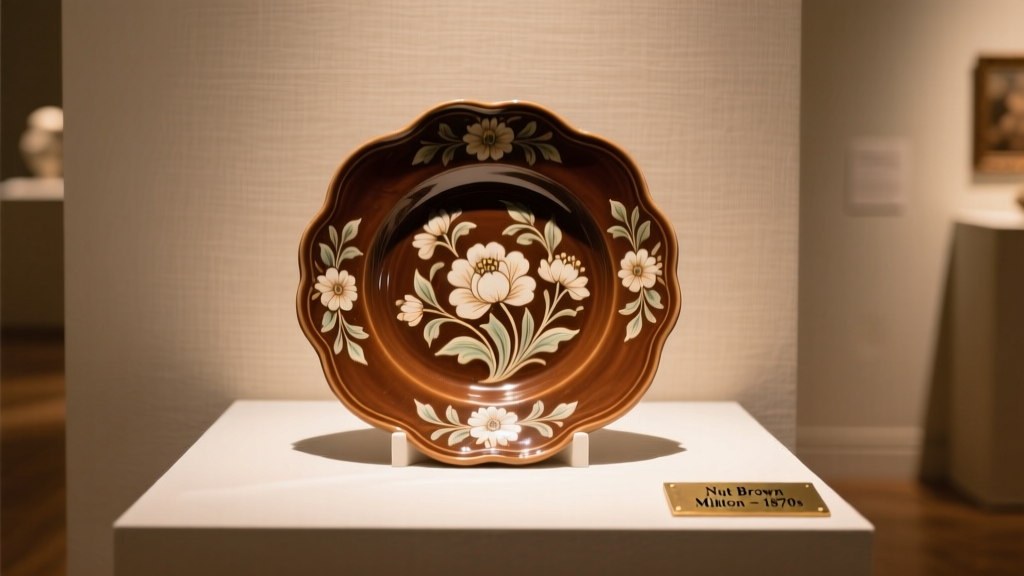
Majolica Dish in Nut Brown: Authentication, Provenance, and Market Value of Minton’s Victorian Masterpiece

Toy Cat Krazy Kat Pull Toy Chases Mice On Platform: Authentication, Provenance, and Market Significance of a Rare 1920s Mechanical Plaything