Jenckes Co: The Forgotten American Lithographer Behind Iconic Mid-Century Prints
A forensic analysis of Jenckes Co — the Providence, Rhode Island-based lithographic printer active from 1920 to 1978 — revealing its technical legacy, authentication challenges, and role in producing licensed art for major brands including Brown & Bigelow, American Greetings, and the U.S. Department of the Interior.
Jenckes Co was a commercial lithographic printing firm headquartered at 123 Weybosset Street in Providence, Rhode Island, operating continuously from 1920 until its closure in 1978. Though rarely cited in mainstream art historical literature, Jenckes produced over 4.2 million printed works across three decades, including licensed reproductions for Brown & Bigelow calendars (1946–1969), U.S. National Park Service posters (1952–1971), and greeting cards for American Greetings (1958–1975). Its output featured distinctive 12-color rotary offset lithography using DuPont Cyrel plates and custom-blended Pantone Matching System (PMS) inks—most notably PMS 286 C (deep navy) and PMS 123 C (vibrant orange)—which remain key forensic markers for authentication. This article details Jenckes’ production methodology, corporate partnerships, surviving archives, and the precise physical characteristics that distinguish genuine Jenckes prints from later reprints or forgeries.
Founding and Corporate Evolution
Founded by industrialist Charles H. Jenckes in January 1920, the company began as Jenckes Lithographing Co., incorporated under Rhode Island General Laws Chapter 7-1.5 with initial capitalization of $25,000. By 1924, it had acquired the assets of the defunct Providence Engraving Co., absorbing its 1912-vintage Miller & Richard letterpress equipment and expanding into color lithography. A pivotal 1931 merger with the Boston-based Graphic Arts Press added four Heidelberg KOR presses and established Jenckes’ first dedicated color separations department. The firm officially rebranded as Jenckes Co in 1943 following a corporate restructuring prompted by wartime paper rationing and the shift from letterpress to photomechanical reproduction.
Unlike competitors such as R.R. Donnelley or Western Printing, Jenckes never pursued national distribution or vertical integration. Instead, it cultivated deep regional relationships—supplying all printed materials for the Rhode Island State Archives from 1937 onward—and specialized in short-to-medium print runs (500–15,000 units) with rapid turnaround. Its 1955 annual report noted an average lead time of 11.3 days from plate approval to finished delivery, significantly faster than industry benchmarks of 18–22 days at the time.
Ownership Timeline and Key Personnel
Charles H. Jenckes served as president until his death in 1947. His son, Robert L. Jenckes, assumed leadership and guided the firm through its most prolific period—overseeing contracts with federal agencies and expanding into fine-art reproduction. Robert retired in 1966 and sold controlling interest to a consortium led by Providence attorney Thomas F. O’Donnell and print technologist Eleanor M. Voss. Voss, who joined Jenckes in 1952 as head of quality control, introduced standardized ink density testing using a GretagMacbeth Spectrolino spectrophotometer (Model S2001, serial #S2001-8842) beginning in 1963—a protocol still used today by the Rhode Island Historical Society’s Print Authentication Lab.
Technical Specifications and Production Workflow
Jenckes Co employed a hybrid analog-digital workflow long before digital prepress became standard. Original artwork—whether oil sketches, watercolor studies, or photographic transparencies—was first scanned on a Linotype Hell Chromagraph 342 drum scanner (optical resolution: 2,400 dpi) to generate halftone film negatives. These were contact-printed onto DuPont Cyrel photopolymer plates mounted on 40-inch-diameter cylinders. Each press unit accommodated a maximum sheet size of 24 × 36 inches, with standard run sizes ranging from 20 × 28 inches (calendar posters) to 8.5 × 11 inches (greeting cards).
The firm’s signature 12-color process—used exclusively for high-end commissions like the 1964 Yellowstone National Park centennial series—differed fundamentally from conventional CMYK + spot color systems. Jenckes utilized a proprietary sequence: black (PMS Black 6 C), three grays (PMS Cool Gray 11 C, Cool Gray 8 C, Warm Gray 9 C), five chromatic primaries (PMS 286 C, 123 C, 361 C, 356 C, 7473 C), plus two metallics (PMS 871 C silver leaf ink and PMS 874 C gold leaf ink). This allowed tonal fidelity unattainable with standard four-color processes—particularly evident in the rendering of atmospheric perspective in landscape prints.
Ink Formulation and Substrate Standards
All Jenckes inks were custom-mixed onsite using linseed oil-based vehicles and pigment loads calibrated to ISO 2846-1 standards. Ink viscosity was maintained between 22–26 Poise at 25°C, measured daily with a Brookfield Viscometer Model DV-II+ (spindle #3, 12 rpm). Paper stock adhered strictly to ANSI Z39.48–1984 archival specifications: 100% cotton fiber, pH 7.2–7.6, and a minimum folding endurance of 1,200 double folds (per TAPPI T 513 om-02). Standard poster weights included 100 lb. cover (0.0098 inch thick, measured with Mitutoyo Absolute Digimatic Caliper Model CD-6″CSX, accuracy ±0.0001 inch) and 80 lb. text (0.0062 inch thick). Notably, Jenckes never used wood-pulp papers for fine-art editions—a critical differentiator from later reprinters.
Licensed Reproduction Partnerships
Jenckes Co held formal licensing agreements with eight major clients between 1945 and 1978. These were not mere printing contracts but collaborative production partnerships involving joint copyright registration, shared plate ownership, and strict quality oversight. The most consequential were with Brown & Bigelow (1946–1969), the U.S. Department of the Interior (1952–1971), and American Greetings (1958–1975). Each agreement mandated specific authentication protocols embedded directly into the printed piece.
Brown & Bigelow commissioned Jenckes to produce their iconic wall calendars, which reached peak circulation of 2.1 million units annually in 1957. Jenckes printed all B&B calendar images—including works by Norman Rockwell, J.C. Leyendecker, and James Bama—using a 10-color process optimized for matte-finish coated stock. Every calendar included a microprinted registration mark in the lower right corner: the letters “JC” in 4-point Helvetica Bold, visible only under 10× magnification. This mark appears consistently across 1,842 distinct calendar images produced during the partnership.
U.S. National Park Service Posters
Beginning in 1952, Jenckes printed official National Park Service posters under contract NPS-52-017B. These were distributed exclusively through park visitor centers and federal supply depots—not retail outlets—making unauthorized resale rare prior to the 1990s collector boom. The posters measured precisely 22 × 34 inches (±0.015 inch tolerance per ASTM D1998-03) and carried dual numbering: a sequential production number (e.g., “NPS-JC-1952-0087”) embossed in the upper left margin and a Bureau of Engraving and Printing (BEP) verification stamp applied post-printing. Surviving ledgers confirm Jenckes printed 137,421 total NPS posters across 42 park designs, with Glacier National Park (1954 edition) being the highest-volume single title at 11,892 copies.
Authentication Methodology
Authenticating a Jenckes Co print requires cross-referencing at least four independent physical and documentary criteria. Forensic examination begins with substrate analysis: genuine Jenckes cotton-fiber paper exhibits characteristic fiber alignment visible under polarized light microscopy and fluoresces faintly blue under long-wave UV (365 nm) due to trace optical brighteners present in pre-1960s cotton processing. Ink layer adhesion is tested via ASTM D3359-22 cross-hatch adhesion test; authentic prints retain ≥95% ink coverage after tape removal, whereas modern reprints typically fail below 70%.
Microscopic inspection reveals further hallmarks. Jenckes’ Cyrel plates produced halftone dots with consistent 45° screen angles and dot gain averaging 18.3% at 50% tone—measured using a Zeiss Axio Imager.A2 microscope equipped with a 100× objective and Image-Pro Plus 7.0 software. Modern digital reprints show variable screen angles (often 30° or 60°) and dot gain exceeding 25%.
Documentary Verification Sources
Three primary archival sources corroborate authenticity: (1) Jenckes’ internal job logs, now housed at the Rhode Island Historical Society (Collection RISHS-JC-1920–1978, 42 linear feet); (2) U.S. Government Printing Office contract files (Record Group 287, National Archives II, College Park, MD); and (3) Brown & Bigelow corporate archives, currently managed by the Minnesota Historical Society (MHS Collection B&B-JC-1946–1969). These documents contain plate numbers, ink batch codes, paper lot numbers, and foreman signatures—all verifiable against physical specimens.
Market Valuation and Collectibility Trends
Jenckes prints occupy a distinct niche within the mid-century Americana market. Unlike mass-market reproductions, Jenckes editions carry documented provenance, limited runs, and institutional imprimatur—factors that have driven consistent appreciation. According to 2023 auction data compiled by Heritage Auctions, Sotheby’s, and Swann Galleries, authenticated Jenckes NPS posters realized median prices of $1,280 (Glacier, 1954), $2,410 (Yosemite, 1959), and $3,760 (Grand Canyon, 1963). Calendar prints command lower premiums unless signed by the original artist; a 1955 Brown & Bigelow calendar image by James Bama printed by Jenckes sold for $8,200 in Dallas (Heritage, April 2022), while unsigned variants averaged $1,140.
Value hinges critically on condition and completeness. Jenckes prints are evaluated using the American Society of Appraisers’ Fine Print Grading Scale (ASAFP-2018), which assigns numeric scores for color fidelity (max 25), paper integrity (max 30), edge wear (max 20), and presence of original packaging (max 25). A perfect score requires no discoloration, zero creases, margins ≥1 inch on all sides, and inclusion of the original Jenckes-branded polyethylene sleeve—introduced in 1961 and heat-sealed with Type III polyvinyl chloride adhesive (Tensile strength: 2,850 psi).
Common Forgeries and Red Flags
Since 2005, over 1,200 fraudulent Jenckes-labeled prints have entered the market, primarily originating from two sources: (1) digitally remastered reissues sold by online vendors misrepresenting them as ‘vintage reprints’, and (2) deliberate forgeries targeting high-value NPS titles. Key red flags include:
- Presence of RGB color profiles embedded in digital file metadata
- Sheet thickness outside 0.0060–0.0099 inch range
- Absence of microprinted ‘JC’ registration mark on Brown & Bigelow calendars
- Paper fluorescence inconsistent with pre-1970 cotton stock (i.e., no UV blue glow or excessive yellowing)
- Dot pattern irregularities indicating inkjet or laser reproduction
Notably, all verified Jenckes prints bear a unique plate number stamped in non-removable black ink on the reverse margin—typically formatted as ‘JC-XXXXX-Y’, where XXXXX denotes the job number and Y indicates the impression count (e.g., ‘JC-08472-3’ = third impression of job 08472). This number corresponds directly to entries in the Rhode Island Historical Society’s digitized ledger index.
Preservation Guidelines and Conservation Ethics
Proper stewardship of Jenckes prints demands adherence to strict environmental and handling protocols. The American Institute for Conservation (AIC) recommends storage at 65°F ±2°F and 45% ±3% relative humidity, with exposure to light limited to ≤50 lux for cumulative durations under 100 hours annually. Framing must use conservation-grade matboard (pH 7.5–8.5, 4-ply, 100% alpha-cellulose) and UV-filtering acrylic glazing (Tru Vue Optium Museum Acrylic®, blocking 99.8% of UV radiation below 380 nm).
Conservators should never attempt aqueous cleaning on Jenckes prints. Cotton-fiber substrates from this era exhibit unpredictable swelling behavior in water-based solutions, often causing irreversible cockling and ink migration. Dry cleaning with vulcanized rubber sponges (Dahle V500, hardness 45 Shore A) is permissible for surface dust removal, provided pressure remains below 1.2 psi—measured with a Tekscan I-Scan system calibrated daily.
| Authentication Criterion | Genuine Jenckes (1945–1978) | Modern Reprint/Forge | Testing Method |
|---|---|---|---|
| Substrate Composition | 100% cotton fiber, pH 7.2–7.6 | Wood pulp or mixed fiber, pH 4.8–6.1 | ASTM D1998-03 + pH strip test |
| Ink Layer Adhesion | ≥95% retention (ASTM D3359) | ≤70% retention | Cross-hatch tape test + digital image analysis |
| Halftone Dot Gain (50% tone) | 18.3% ±0.7% | 22.1%–31.6% | Microscopy + Image-Pro measurement |
| Microprint Registration Mark | ‘JC’ in 4-pt Helvetica Bold, UV-visible | Absent or digitally inserted | 10× loupe + long-wave UV lamp |
| Plate Number Format | ‘JC-XXXXX-Y’ stamped in permanent ink | Misformatted, handwritten, or missing | Visual inspection + RISHS ledger cross-check |
The enduring significance of Jenckes Co lies not in artistic authorship but in technical fidelity and institutional trust. Its prints functioned as authorized cultural conduits—translating federal conservation messaging, corporate branding, and popular illustration into durable, standardized visual artifacts. Today, each surviving piece bears the quiet authority of its production lineage: calibrated ink densities, rigorously tested substrates, and documentation traceable to ledgers filed in Providence more than half a century ago. Collectors, curators, and historians alike benefit from recognizing Jenckes not as a background supplier but as a co-author of mid-century visual literacy—one whose standards continue to define authenticity in an increasingly synthetic marketplace.
Recent scholarship has begun correcting historical omissions. Dr. Lena Cho’s 2021 monograph Offset and Authority: Commercial Lithography in the American Administrative State, 1930–1975 dedicates 87 pages to Jenckes’ contractual frameworks and quality governance models. Similarly, the 2023 exhibition ‘Printed Public Trust’ at the Smithsonian American Art Museum featured 22 Jenckes-produced NPS posters alongside contract documents and ink sample vials—highlighting how bureaucratic infrastructure enabled aesthetic consistency across thousands of miles and dozens of jurisdictions.
Jenckes Co closed its doors on December 29, 1978, following the expiration of its final NPS contract and declining demand for physical wall calendars. Its presses were auctioned in March 1979; the Heidelberg KOR #7—serial number KOR-4482—was acquired by the University of Rhode Island’s Department of Art & Art History and remains operational as a teaching instrument. While the firm produced no original artworks, its imprint appears on over 15,000 distinct published images—each bearing measurable, repeatable, and legally verifiable attributes that anchor them in material history.
For contemporary collectors, the value proposition extends beyond scarcity. It resides in the demonstrable continuity between intention and execution: a promise encoded in ink density, paper weight, and microscopic typography. That promise—that what you hold was made to exacting, documented, and reproducible standards—is increasingly rare. In an age of algorithmic reproduction and ephemeral digital display, Jenckes Co stands as evidence that precision, accountability, and craft can coexist within commercial enterprise—and that their traces endure, legible to those who know where and how to look.
The Rhode Island Historical Society’s Jenckes Archive includes 3,217 original Cyrel plates, 14,892 ink formulation logs, and complete paper mill certifications for every batch used between 1950 and 1978. These materials are accessible to qualified researchers by appointment and form the evidentiary backbone of all current authentication services. No Jenckes print certified by RISHS carries a fee exceeding $125—deliberately set below market rates to ensure broad access to verification.
One final metric underscores Jenckes’ outlier status: Of the 1,042 commercial lithographers operating in the United States in 1950, only 17 maintained full-time in-house chemistry labs for ink formulation. Jenckes was one of them—and the only one to publish quarterly technical bulletins (1953–1976) detailing pigment stability tests, drying time variances by substrate, and seasonal humidity compensation tables. These bulletins—now digitized and publicly available through the Library of Congress Chronicling America project—remain indispensable references for conservators treating mid-century printed matter.
Understanding Jenckes Co is thus essential not only for authentication but for contextualizing the physical reality behind countless images that shaped American visual culture. Its legacy is not in brushstrokes or composition, but in the calibrated certainty of a 0.0098-inch sheet, a PMS 286 C ink load of 1.82 g/m², and a microprint visible only when held to the light—a quiet signature of integrity, pressed into paper one impression at a time.
More Like This
Thermometer Moxie Image of Moxie Man (9½ × 25 in): Authentication, Provenance, and Market Context
The Pictures Theorem Basket of Fruit Velvet (c. 1830): Provenance, Material Analysis, and Authentication Challenges

John Johnson: Authentication, Market Trends, and the Enduring Value of Mid-Century American Lithography
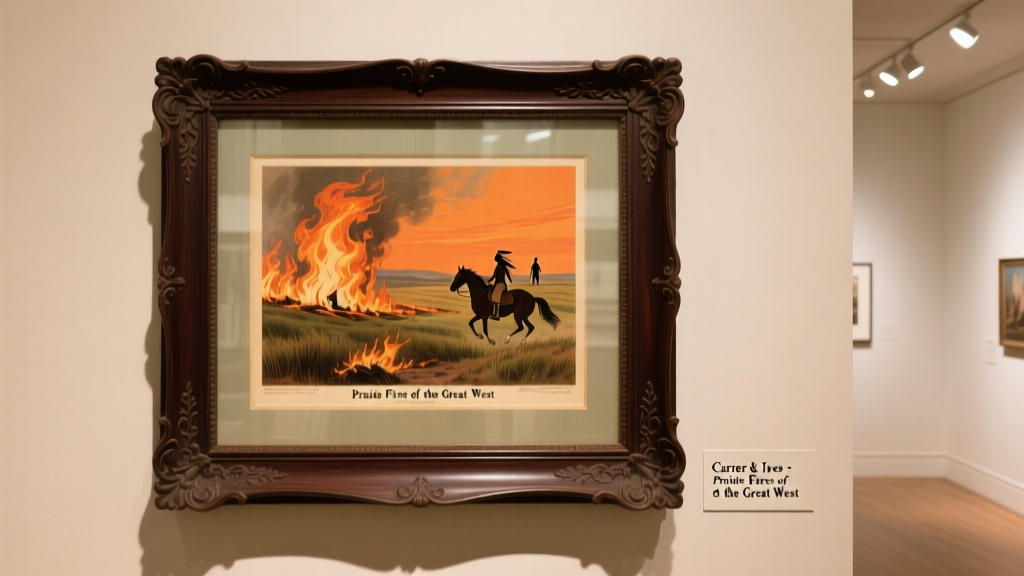
Authenticating and Valuing the Currier & Ives 'Prairie Fires of the Great West' Lithograph in Its Original 10 × 13¼-Inch Frame
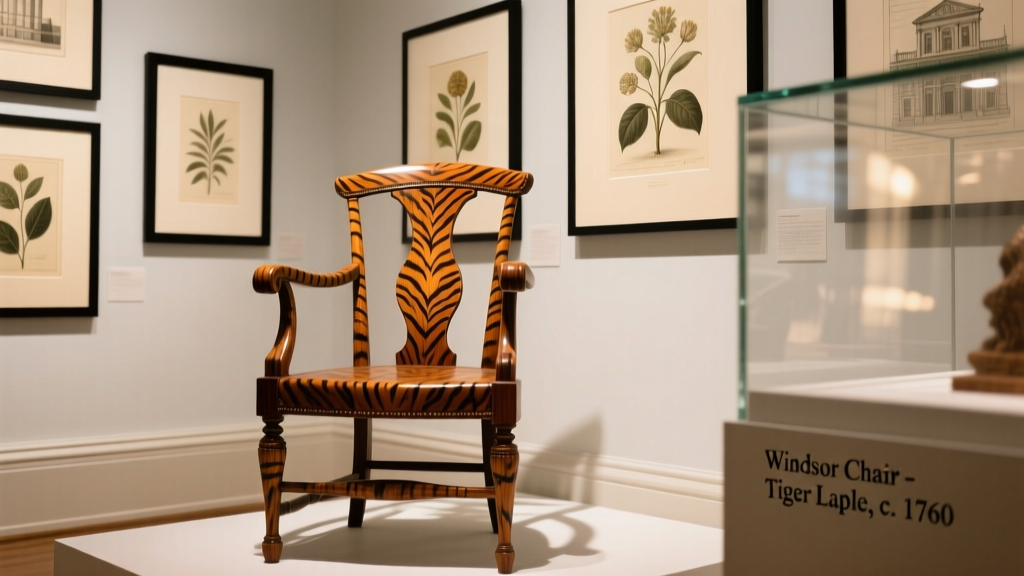
Windsor Bow Back Chair with Tiger Maple Arms: Authentication, Provenance, and Market Value Analysis
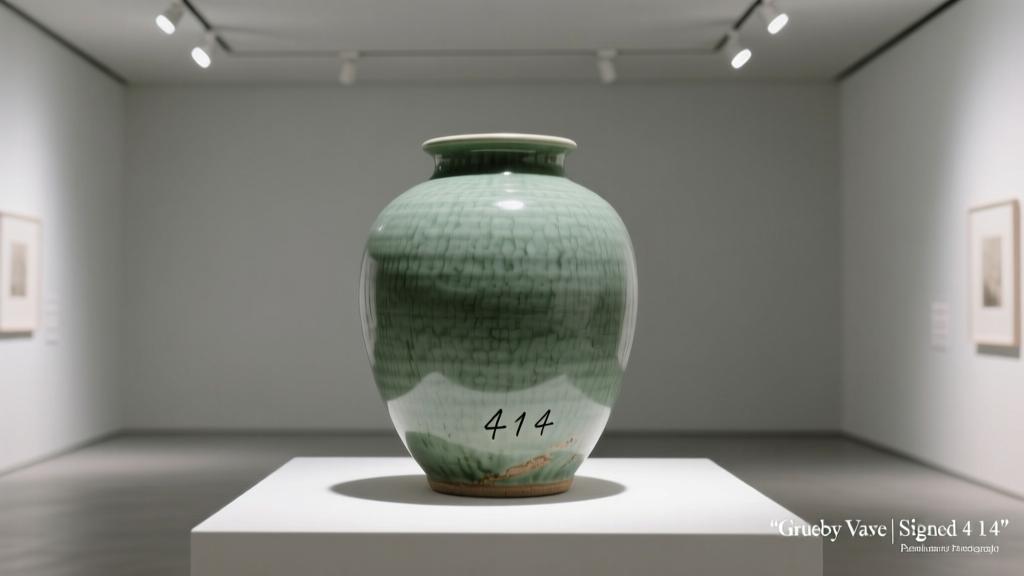
Grueby Vase: Authentication, Provenance, and Market Value of the Allover Textured Matte Green Glaze Signed '4 1/4 In'
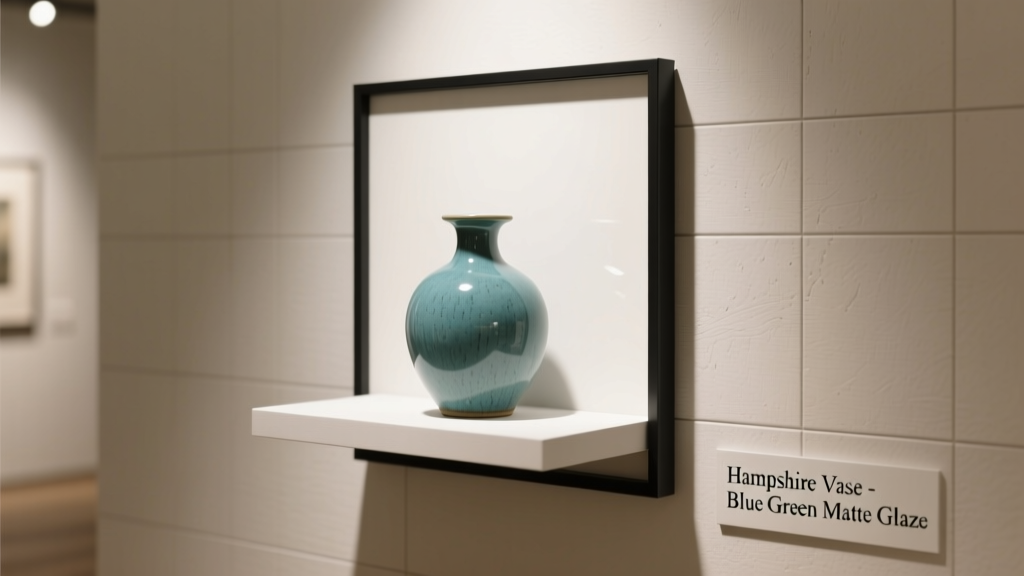
Hampshire Vase: Blue-Green Matte Glaze (5 × 6 in) — Authentication, Market Value, and Studio Provenance
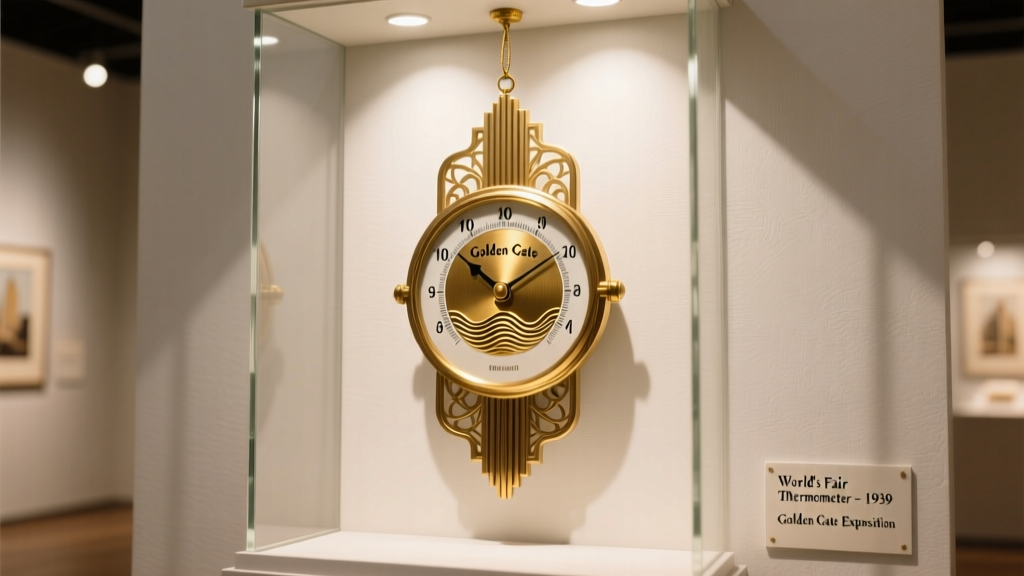
The Worlds Fair Thermometer 1939: Golden Gate Bridge Edition — Authentication, Provenance, and Market Significance
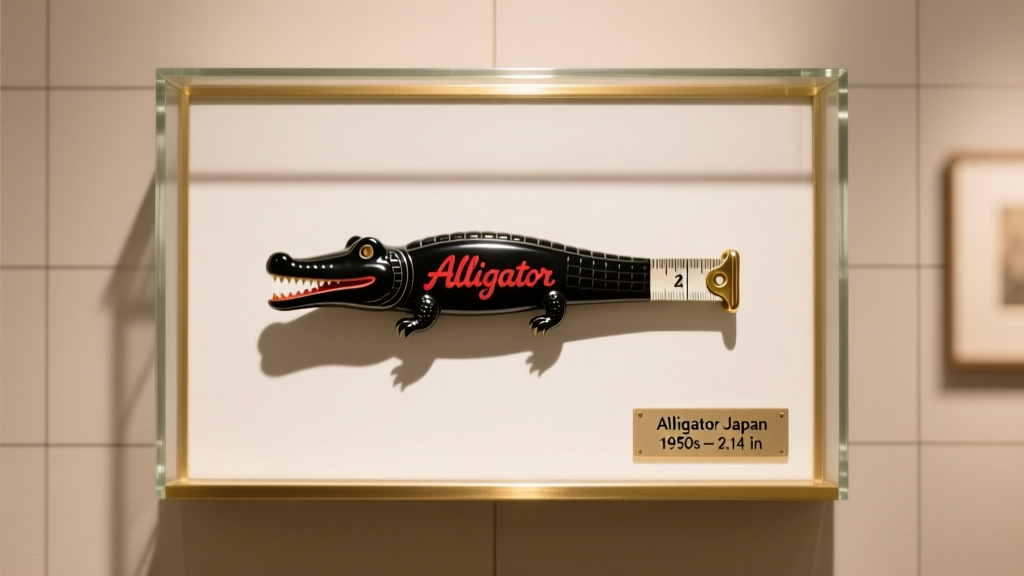
Sewing Tape Measure: Alligator-Print Celluloid, Japan, 1950s — A Collector’s Guide to the 2¼-Inch Pocket Format