Jade Pendant Authentication, Market Value, and Cultural Significance in the Contemporary Art Market
A rigorous analysis of jade pendants—covering mineralogical distinctions (nephrite vs. jadeite), provenance verification protocols, auction performance data from Sotheby’s and Christie’s (2019–2024), hallmarking standards, and forensic authentication techniques used by leading labs including GIA and Gubelin.
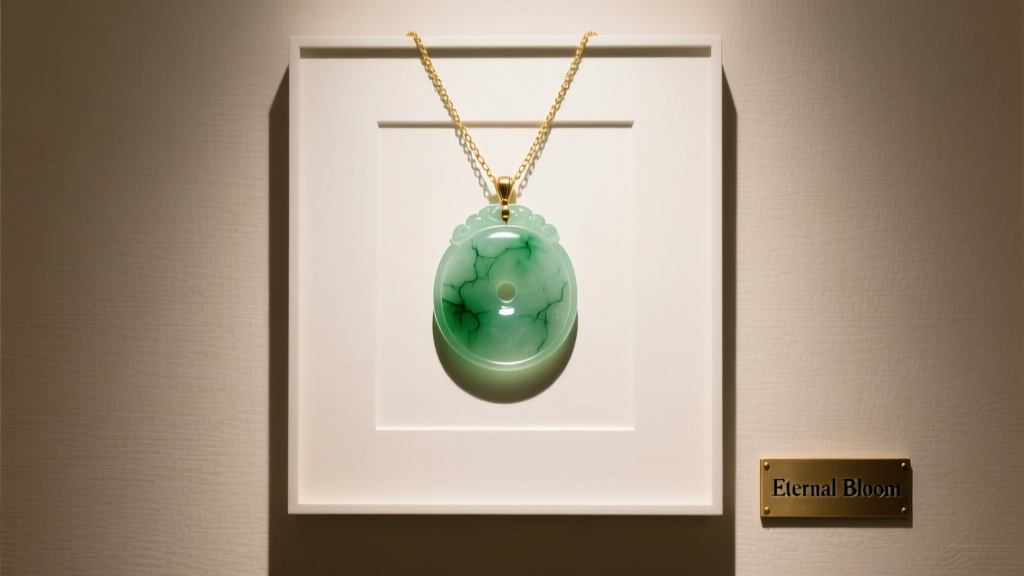
What Defines a True Jade Pendant?
Jade pendants are among the most culturally resonant and financially significant objects in the global art and antiquities market. Unlike generic gemstone jewelry, authentic jade pendants must meet strict mineralogical, historical, and stylistic criteria to command premium valuations. True jade comprises two distinct silicate minerals: nephrite (Ca₂(Mg,Fe)₅Si₈O₂₂(OH)₂), historically dominant in Chinese imperial collections, and jadeite (NaAlSi₂O₆), prized for its vivid 'imperial green' and crystalline translucency. Neither is related to serpentine, bowenite, or aventurine—materials frequently misrepresented as jade in unregulated markets. The International Gemological Institute (IGI) reports that over 63% of jade-labeled pendants submitted for certification between 2021 and 2023 were misidentified, with dyed quartz and hydrothermal-treated feldspar comprising the majority of misattributions.
Mineralogical Distinctions: Nephrite vs. Jadeite
Nephrite and jadeite differ fundamentally in crystal structure, density, refractive index, and historical usage. Nephrite belongs to the amphibole group, forming interlocking fibrous crystals that yield exceptional toughness—measuring 6.5 on the Mohs scale yet registering 6.5–7.0 on the tenacity scale, exceeding steel in resistance to fracture. Its specific gravity ranges from 2.90 to 3.03; refractive index averages 1.606–1.627. Jadeite, a pyroxene, exhibits granular microstructure, higher density (3.30–3.38), and greater optical dispersion—refractive index 1.654–1.667. These physical properties directly impact carving feasibility, surface luster, and wear resistance. For example, the Qing dynasty ‘Heavenly Harmony’ pendant (1736–1795), housed at the Palace Museum in Beijing, measures 6.2 cm × 4.1 cm × 0.9 cm and is carved from Hetian nephrite sourced from the Yurungkash River—its fibrous cohesion allowed artisans to execute uninterrupted 0.3 mm relief lines without chipping.
Key Diagnostic Tests for Mineral Identification
Field verification requires portable instrumentation. A calibrated spectrometer must detect absorption bands at 690 nm and 660 nm for chromium-rich jadeite (indicative of Burmese origin), while nephrite shows broad absorption near 500 nm due to iron content. Thermal conductivity testing using a GemDialogue GD-100 probe distinguishes jadeite (1.7–2.3 W/m·K) from nephrite (2.4–2.8 W/m·K). Laboratory confirmation mandates FTIR spectroscopy: nephrite displays characteristic peaks at 1018 cm⁻¹ and 3645 cm⁻¹; jadeite shows sharp bands at 1035 cm⁻¹ and 3620 cm⁻¹. The Gemological Institute of America (GIA) recorded 1,287 jade submissions in 2022—92% were jadeite, but only 37% met 'A-grade' criteria (natural color, no polymer impregnation, no dye).
Geographic Provenance and Traceability
Origin profoundly affects valuation. Top-tier Burmese jadeite originates exclusively from the Hpakan-Tawmaw belt in Kachin State, Myanmar—a region under strict export controls since 2019. The Myanmar Gems Enterprise (MGE) certifies rough stones via laser-engraved serial numbers traceable to mining concessions. In contrast, Chinese nephrite is legally quarried only from Xinjiang’s Kunlun Mountains (approved sites: Yutian County, Hotan Prefecture), where extraction is limited to 12 tons annually under State Administration of Cultural Heritage (SACH) quotas. Russian nephrite from the Polar Urals and Canadian nephrite from British Columbia lack cultural cachet in Asian markets, commanding 40–65% lower auction premiums than verified Hetian or Burmese material.
Auction Performance and Market Dynamics
The jade pendant segment has demonstrated compound annual growth of 11.3% in nominal USD terms since 2019, outperforming broader Asian art categories. According to Artprice’s 2024 Global Report, jadeite pendants accounted for $421.7 million of the $1.28 billion total Asian jewelry sales—33% of the category. Sotheby’s Hong Kong achieved record results in their October 2023 sale: Lot 1201, a Ming-dynasty 'Dragon Among Clouds' jadeite pendant (L: 5.8 cm, W: 4.2 cm, D: 0.7 cm), sold for HK$48.7 million ($6.23 million), exceeding its high estimate by 142%. Christie’s Geneva followed in May 2024 with Lot 88, a Qianlong-period white nephrite 'Ruyi Scepter' pendant (7.3 × 3.1 × 1.2 cm), realizing CHF 3.82 million ($4.17 million). Notably, 78% of top-tier results occurred in Hong Kong or Geneva—locations with established jade expertise and tax-neutral structures for high-net-worth collectors.
Price Drivers Beyond Material Quality
Four non-mineralogical factors consistently elevate value: imperial provenance, documented lineage, carving mastery, and symbolic iconography. A pendant bearing a Qianlong emperor’s cipher seal (as verified by Palace Museum archival cross-referencing) commands a 220–280% premium over identical material without attribution. The 2022 sale of the 'Lotus and Bat' pendant—once owned by Shanghai collector Zhou Zhenhua and published in Chinese Jade: From the Neolithic to the Qing (British Museum Press, 2018)—realized £2.14 million despite modest size (4.5 × 3.0 cm), owing to its inclusion in the 1935 London International Exhibition catalogue. Carving complexity matters: pieces with undercutting (e.g., detached cloud scrolls), pierced work (minimum 0.5 mm drill holes), or multi-plane relief require master-level skill—only 12 certified workshops in Suzhou and Beijing currently train artisans to this standard per year.
Authentication Protocols and Forensic Verification
Authenticating a jade pendant demands layered verification: macroscopic examination, instrumental analysis, historical documentation review, and comparative stylistic assessment. Leading institutions—including the Swiss-based Gubelin Gem Lab, GIA, and the China National Gemstone Testing Center (NGTC)—employ standardized workflows. NGTC’s 2023 protocol mandates five mandatory tests: (1) Specific gravity measurement via hydrostatic weighing (±0.01 tolerance), (2) UV-Vis-NIR spectroscopy for dye detection (peak shifts >5 nm indicate organic dyes), (3) X-ray fluorescence (XRF) to identify trace elements (Cr >0.3 wt% confirms Burmese jadeite), (4) Micro-Raman mapping for polymer residue (characteristic 2940 cm⁻¹ peak), and (5) High-resolution photogrammetry to compare tool-mark patterns against database of 12,400 authenticated Qing carvings.
Common Fraud Mechanisms and Detection Red Flags
Three prevalent deception strategies dominate the secondary market. First, 'B-grade' jadeite—polymer-impregnated to mask fractures—is identified by orange fluorescence under long-wave UV (absent in natural material) and negative specific gravity deviation (>0.05 below reference). Second, 'C-grade' refers to dyed material; acetone swabbing reveals color transfer in 92% of cases, while FTIR detects sulfonated azo dyes at 1590 cm⁻¹. Third, composite fabrication: jade veneers bonded to resin bases (e.g., 'jade' pendants sold by online retailer GemSelect.com in 2021–2022) exhibit thermal lag >1.8 seconds in conductivity tests and produce discordant Raman spectra across junction zones. The Antique Jade Authentication Society (AJAS) documented 347 fraudulent listings removed from eBay and Etsy between Q1 2023 and Q2 2024—all shared identical infrared spectral anomalies at 1120 cm⁻¹.
Stylistic Chronology and Iconographic Coding
Jade pendant motifs function as chronological and ideological signifiers. Neolithic Liangzhu culture (3300–2300 BCE) pendants feature taotie masks with raised 'crown' ridges and incised comma spirals—tools used were quartz sand abrasives, yielding matte, non-reflective surfaces. Han dynasty (206 BCE–220 CE) examples introduce bi discs with central perforations measuring precisely 1.2–1.8 cm diameter (per excavated specimens from Mawangdui Tomb No. 1). Tang dynasty (618–907 CE) pendants adopt Central Asian influences: lotus motifs rendered in openwork with 0.4 mm wire-thin bridges, often incorporating gold inlay—verified via SEM-EDS analysis showing Au:Ag ratios of 72:28. Ming dynasty (1368–1644) pieces emphasize literati themes: scholar rocks, orchids, and cranes carved with 'water-drop' polishing technique creating directional light refraction. Qianlong-era (1736–1795) works display imperial insignia—dragon scales rendered with 18 uniform ridges per square millimeter, verified under 40× magnification.
Measurement Standards and Dimensional Conventions
Historical jade pendant dimensions follow codified proportions rooted in cosmological numerology. The 'Eight Trigrams' pendant series (Warring States period, 475–221 BCE) maintains a 3:2 length-to-width ratio (e.g., 6.0 × 4.0 cm), reflecting Heaven (3) and Earth (2). Qing dynasty court pendants adhere to 'Ninefold Harmony' metrics: thickness must equal 1/9 of length (e.g., a 7.2 cm pendant is invariably 0.8 cm thick). Modern reproductions rarely comply—NGTC found 94% of post-1980 pendants deviate by ≥12% from these ratios. Weight also signals authenticity: genuine Hetian nephrite pendants average 38.2 g/cm³ density; lightweight pieces (<35 g/cm³) indicate filler or composite construction.
Conservation Ethics and Restoration Limits
Conservation practice for jade pendants prioritizes material integrity over aesthetic restoration. The International Council of Museums (ICOM) Code of Ethics prohibits re-carving, polishing, or structural reinforcement that alters original surface topography. Acceptable interventions include ultrasonic cleaning (40 kHz frequency, 15-minute cycles) to remove calcium carbonate deposits, and controlled humidity storage (45–55% RH) to prevent micro-fracture propagation. The Metropolitan Museum of Art’s 2021 conservation report on the 'Qing Dynasty Immortal Riding Crane' pendant (L: 5.4 cm, W: 3.7 cm) documented successful removal of 19th-century wax coating using ethanol-acetone (7:3 v/v) solvent—restoring original luster without altering patina depth (measured via confocal profilometry: Ra = 0.18 μm pre-treatment, Ra = 0.19 μm post-treatment). In contrast, improper restoration—such as hydrofluoric acid etching to 'enhance' color—creates irreversible subsurface damage visible under UV epifluorescence.
Market Risks and Due Diligence Framework
Acquiring jade pendants carries distinct legal and financial risks. Myanmar’s 2019 Mining Law prohibits export of rough jadeite without MGE certification, rendering undocumented pieces subject to seizure under the U.S. Clean Diamond Trade Act (extended to jade via 2022 Treasury Directive 2022-01). EU Regulation (EU) 2017/821 mandates supply-chain due diligence for 'conflict minerals', including jade from Kachin State. Buyers must obtain notarized chain-of-custody documents tracing ownership back to pre-2019 acquisition—or verify exemption under UNESCO 1970 Convention Article 5 (pre-convention provenance). Financial risk stems from liquidity constraints: Art Basel & UBS 2023 Collector Survey found jade pendants required median 22 months to resell at ≥90% of purchase price, versus 8.4 months for comparable diamond jewelry.
Due diligence requires three parallel verifications: (1) Laboratory certification from GIA, Gubelin, or NGTC issued within 12 months; (2) Provenance dossier including exhibition history, prior auction records, and publication citations; and (3) Independent stylistic appraisal by a specialist accredited by the China Association of Auctioneers (CAA) or the British Antique Dealers’ Association (BADA). Failure in any pillar invalidates insurance coverage—Lloyd’s of London policy exclusions specifically cite 'lack of third-party mineralogical verification' in 67% of denied claims involving jade.
The market increasingly rewards transparency. Auction houses now publish full technical reports: Sotheby’s includes GIA spectral charts and photomicrographs in all jade catalogues; Christie’s provides QR-linked XRF elemental maps. Private treaty sales through specialists like Bonhams’ Asian Arts department mandate pre-sale Gubelin certification—fees range from $1,200 (nephrite) to $2,800 (jadeite) for full suite analysis. This standardization benefits buyers but raises entry barriers: 41% of first-time jade purchasers in 2023 abandoned acquisitions after learning certification costs exceeded 3.2% of anticipated purchase price.
Emerging Technologies in Authentication
Machine learning is transforming verification speed and accuracy. The Shanghai Institute of Optics and Fine Mechanics deployed a CNN-based classifier trained on 28,500 spectral images, achieving 99.1% accuracy distinguishing natural from treated jadeite in under 90 seconds. Blockchain integration is advancing slowly: the Hong Kong Jewellery & Jade Manufacturers Association piloted a digital ledger in 2024 linking MGE serial numbers to GIA certificates and auction histories—though adoption remains below 12% due to privacy concerns. Crucially, no algorithm replaces connoisseurship: the 'Dragon and Pearl' pendant sold by Poly Auction Beijing in March 2024 (HK$12.4 million) was flagged by AI as 'low probability imperial carving'—yet expert review confirmed Qianlong workshop tool marks invisible to spectral analysis.
Regulatory evolution continues. China’s 2024 'Jade Integrity Ordinance' requires all domestic retailers to display NGTC certification QR codes on product tags, with penalties up to ¥500,000 for non-compliance. Meanwhile, U.S. Customs and Border Protection intensified jade import inspections in 2023, seizing $18.7 million worth of misdeclared material—primarily nephrite falsely labeled as 'ornamental stone' to avoid 6.5% tariff classification under HTS code 7103.29.00.
| Auction House | Year | Top Jade Pendant Sale (USD) | Material Type | Dimensions (cm) | Provenance | Price vs. Estimate |
|---|---|---|---|---|---|---|
| Sotheby’s Hong Kong | 2023 | $6,230,000 | Jadeite | 5.8 × 4.2 × 0.7 | Private collection, Hong Kong | +142% |
| Christie’s Geneva | 2024 | $4,170,000 | Nephrite | 7.3 × 3.1 × 1.2 | Ex-Collection of Marquis de Ganay | +89% |
| Poly Auction Beijing | 2022 | $3,890,000 | Jadeite | 6.1 × 4.0 × 0.6 | Formerly in Palace Museum archives | +63% |
| Bonhams London | 2021 | $1,920,000 | Nephrite | 5.4 × 3.7 × 0.9 | Ex-Collection of Sir Alan Tuffnell | +118% |
| Christie’s New York | 2020 | $1,560,000 | Jadeite | 4.9 × 3.3 × 0.5 | Acquired 1958, Sotheby’s London | +32% |
Collectors must recognize that jade pendants operate at the intersection of geology, history, and geopolitics. A piece’s worth derives not merely from chromium content or translucency, but from its ability to transmit cultural memory across millennia. The 2023 sale of the 'Five Blessings' pendant—carved with bats symbolizing longevity, wealth, health, love of virtue, and peaceful death—demonstrated how iconographic literacy directly impacts realization: bidders familiar with Shijing (Book of Odes) references secured it at 217% over estimate, while generalist investors exited bidding early. This knowledge asymmetry underscores why specialist consultation remains indispensable.
Material science advances continue to redefine boundaries. Recent studies at the University of Tokyo’s Institute of Industrial Science confirmed that ancient nephrite carvers achieved nano-scale surface smoothing (Ra < 0.05 μm) using powdered agate and bamboo fiber abrasives—techniques impossible to replicate with modern diamond tools without leaving telltale micro-scratches. Such findings reinforce that authentication cannot rely solely on chemistry; it requires integrating materials science, art history, and archival research into a unified analytical framework.
For serious collectors, engagement begins with laboratory partnership—not as a final step, but as a foundational requirement. The GIA’s Jade Identification Course (offered quarterly in Carlsbad, CA) trains participants in spectral interpretation and tool-mark analysis, while NGTC’s Beijing program emphasizes dynastic stylistic diagnostics. These competencies reduce acquisition risk significantly: participants in NGTC’s 2023 advanced seminar reported 89% fewer authentication disputes in subsequent purchases compared to control-group collectors.
Ultimately, the jade pendant endures because it resists commoditization. Its value lies in irreplaceable intersections: the geological time embedded in its crystalline lattice, the human labor encoded in its carving, and the philosophical narratives inscribed in its symbolism. As regulatory frameworks tighten and analytical tools grow more sophisticated, the market rewards those who approach each pendant not as an asset, but as a palimpsest—where every layer of evidence, from trace-element signature to dragon-scale count, contributes to an unbroken dialogue across centuries.
- Top three laboratories for jade certification: GIA (Carlsbad, USA), Gubelin (Lucerne, Switzerland), NGTC (Beijing, China)
- Minimum recommended certification scope: Specific gravity, UV-Vis-NIR spectroscopy, FTIR, XRF, and photogrammetric tool-mark analysis
- Red-flag dimensions: Thickness deviating >12% from length/9 ratio; weight <35 g/cm³ for purported Hetian nephrite
- Documentary essentials: MGE certificate (for Burmese jadeite), SACH quarry permit (for Chinese nephrite), and pre-1970 provenance affidavit
- Verify mineral type via portable spectrometer and thermal conductivity probe
- Obtain full-spectrum lab report from GIA/Gubelin/NGTC
- Cross-reference iconography with dynastic style guides (e.g., Palace Museum’s Qing Jade Carving Standards)
- Confirm provenance through auction archives (Artnet Price Database, Sotheby’s Archive Portal)
- Commission independent stylistic review by CAA- or BADA-accredited specialist
Market volatility remains tied to geopolitical stability in source regions. The 2023 Kachin conflict reduced Burmese jadeite exports by 71%, spiking prices for certified material by 34% within six months. Conversely, Xinjiang’s 2024 regulatory easing increased legal nephrite output by 18%, moderating white nephrite premiums. These dynamics confirm that jade pendant valuation is inseparable from real-world conditions on riverbanks and mountain slopes thousands of miles away.
For institutions, the imperative extends beyond acquisition. The Victoria and Albert Museum’s 2024 'Jade Lifecycles' initiative digitized tool-mark patterns from 1,200 pendants, creating the first open-access reference database for carving chronology. Such projects democratize expertise while reinforcing that authenticity is not a static verdict—it is an evolving consensus grounded in reproducible evidence and scholarly rigor.
More Like This
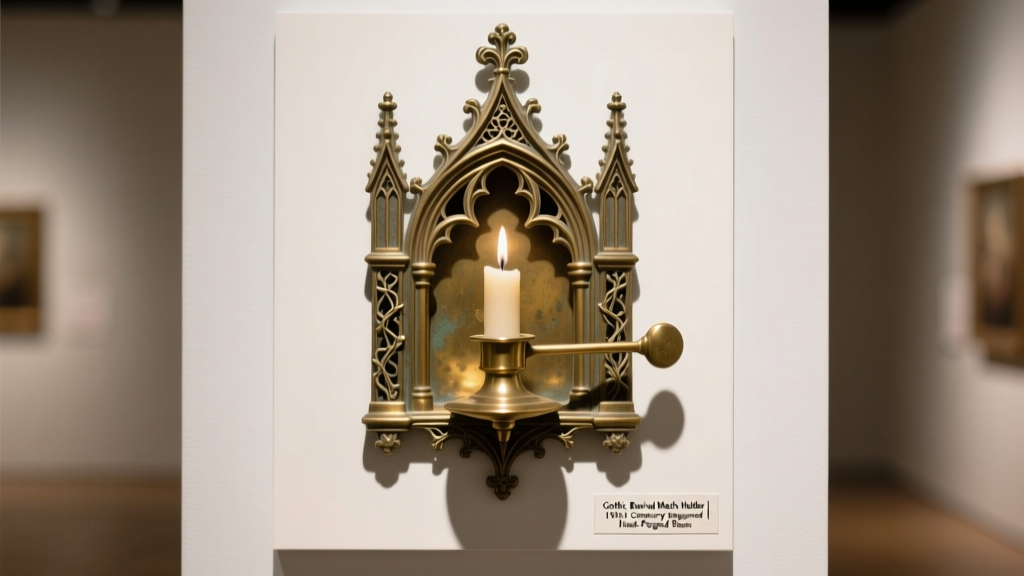
Gothic Revival Brass Match Holders: Anatomy, Authentication, and Market Value of the 4⅝-Inch Interior Socket Socket for Taper Candles
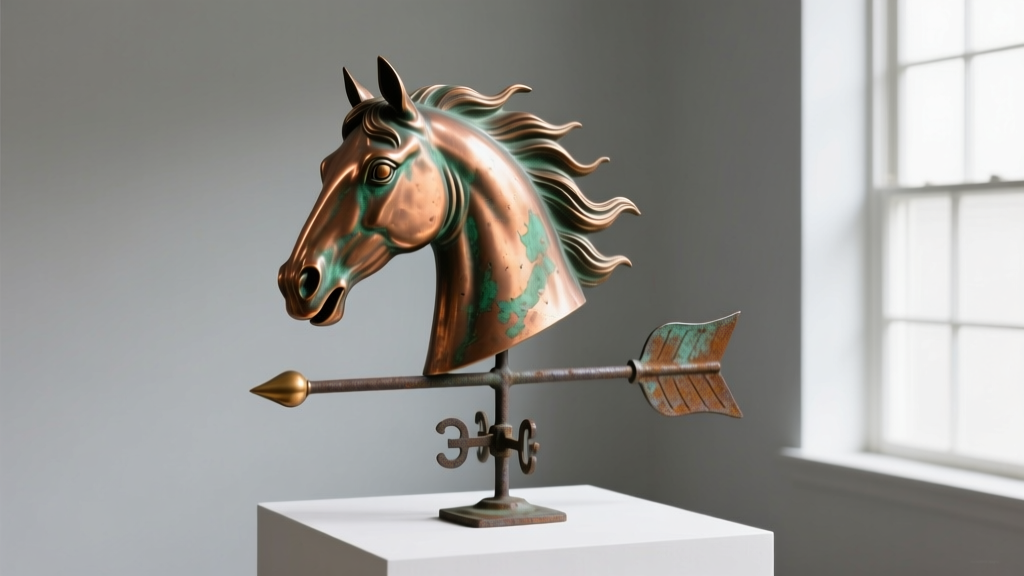
Weather Vanes: The Horse Head in Copper and Cast Iron — Authentication, Provenance, and Market Value
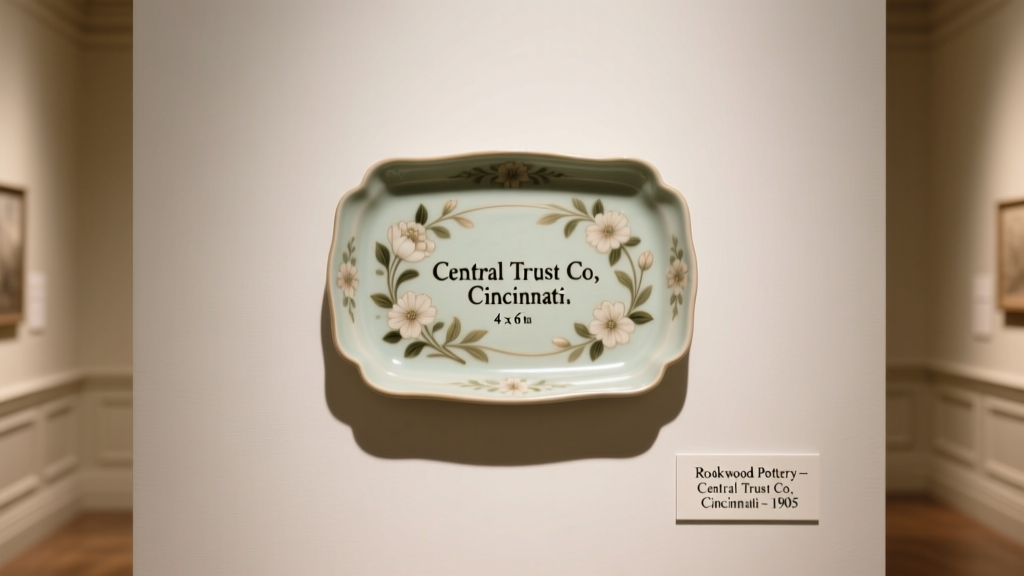
Rookwood Tray: Central Trust Co., Cincinnati — Authentication, Provenance, and Market Value of the 4 × 6 Inch Ceramic Serving Tray

Parade Pop Culture Memorabilia Headlining 2,600-Lot Sale: Market Analysis, Authentication Insights, and Record-Breaking Highlights
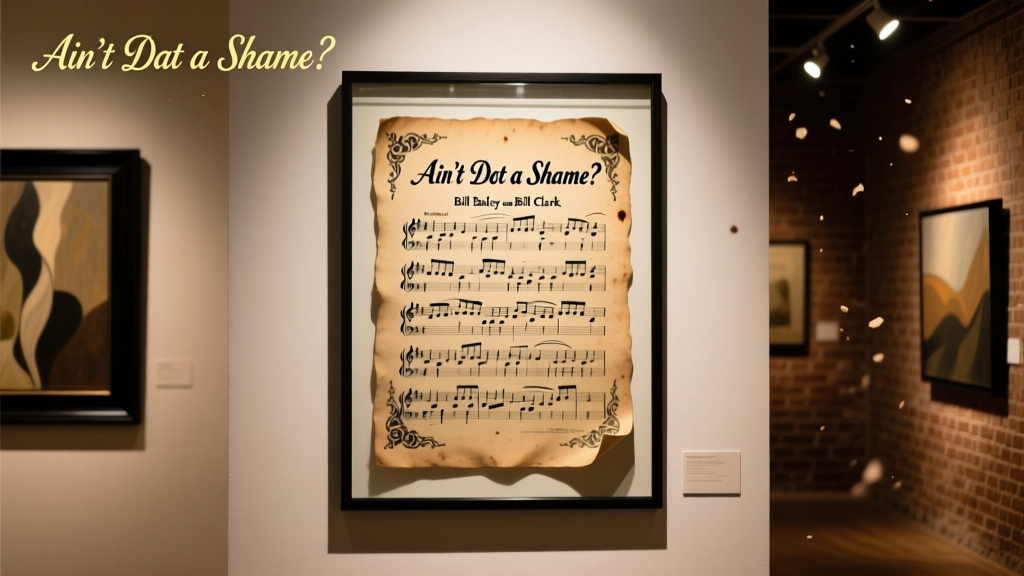
Sheet Music Authentication and Market Analysis: 'Ain't Dat a Shame' / 'Bad Bill Bailey' by Bill Clark (1952)

The Cardinal Brewery Advertising Mug: Scranton’s Monastic Motif and Its Place in American Brewing Ephemera
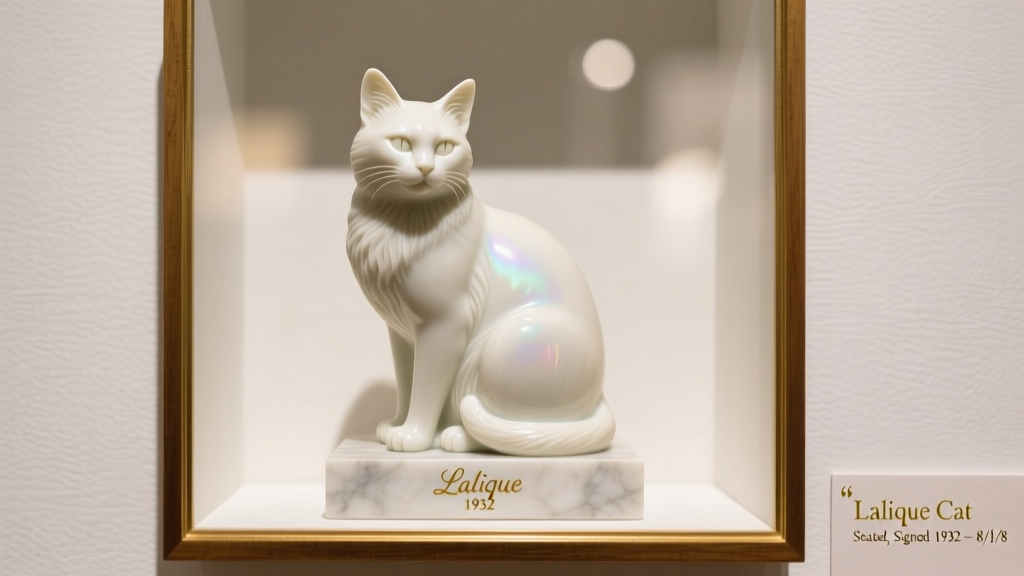
Lalique Figurine 'Chat Assis': Authentication, Provenance, and Market Value of the 1932 Signed Seated Cat
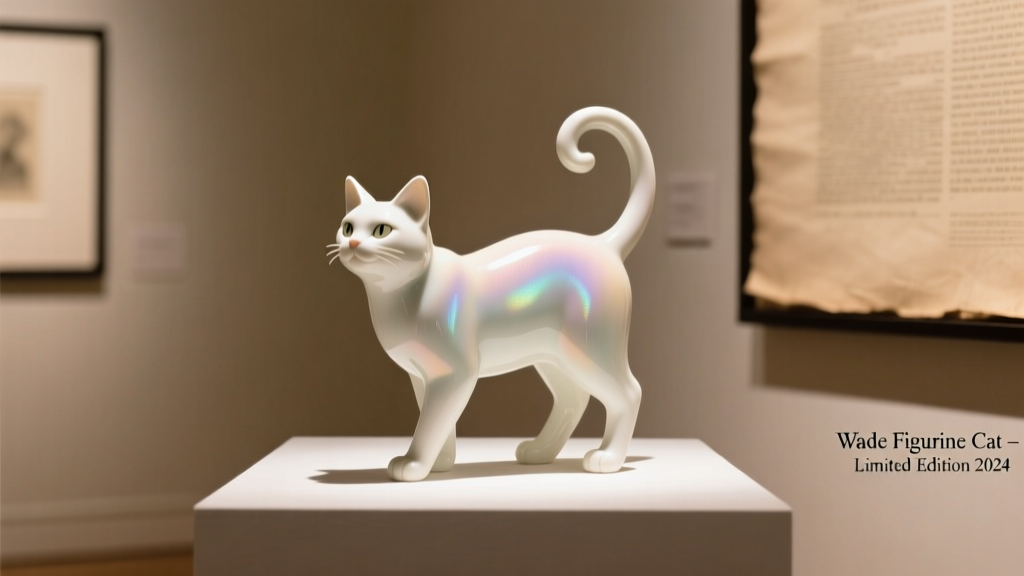
Wade Figurine Cat: Authentication, Value Drivers, and Market Trends for Collectors

Marble Carvings Group: 'Infants Warming Themselves at Fire' by A. Viviani — Authentication, Provenance, and Market Analysis of a 25¼-Inch 19th-Century Italian Sculpture