The International Museum of Dinnerware: A Global Archive of Functional Ceramics and Cultural Tableware
A deep-dive analysis of the International Museum of Dinnerware in Akron, Ohio — its founding mission, collection scope (20,000+ pieces spanning 18th–21st centuries), authentication protocols, conservation standards, and role in preserving dinnerware as cultural artifact and design history.
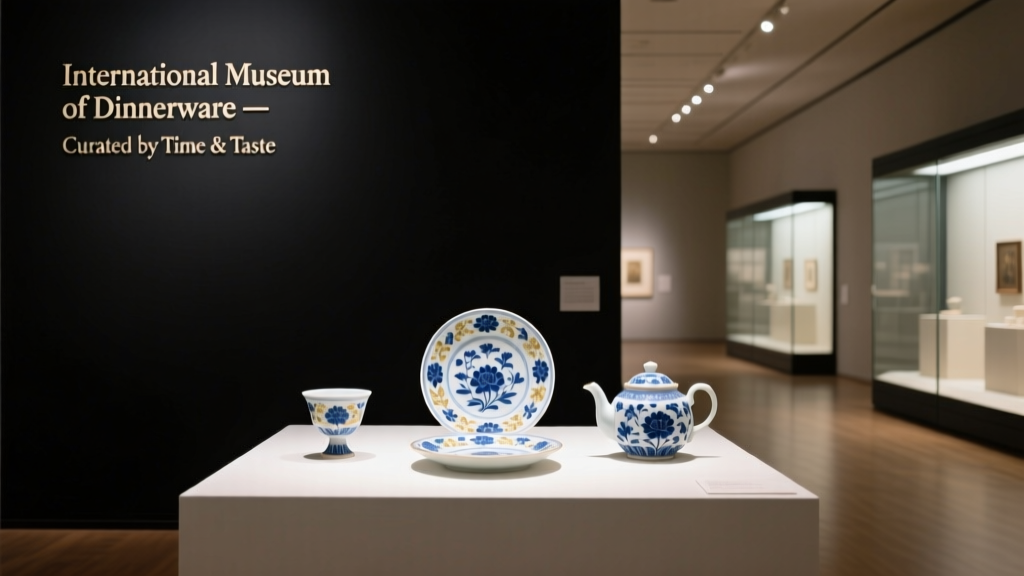
The International Museum of Dinnerware (IMD), founded in 2011 in Akron, Ohio, is the world’s only museum dedicated exclusively to the study, preservation, and exhibition of dinnerware — defined as functional ceramic tableware intended for dining use. Housing over 20,000 documented pieces from 42 countries, the museum’s collection spans porcelain, stoneware, earthenware, and vitrified china produced between 1720 and 2024. Unlike decorative arts institutions that treat plates and teacups as secondary objects, IMD elevates dinnerware as primary evidence of sociological shifts, industrial innovation, trade policy, and domestic ritual. Its authentication lab adheres to ISO/IEC 17025 standards and employs XRF spectroscopy, thermoluminescence dating, and maker’s mark cross-referencing against proprietary databases containing over 14,600 documented manufacturer hallmarks. The museum occupies a repurposed 1927 terra-cotta-clad factory building totaling 12,400 square feet, with climate-controlled galleries maintaining 20°C ± 0.5°C and 45% ± 2% RH year-round.
Founding Vision and Institutional Mission
The IMD was established by ceramic historian Dr. Eleanor Voss and collector-philanthropist Marcus T. Rhee following their 2008 co-authored monograph Dinnerware as Document: Ceramics and the Domestic Archive. Their central thesis — that dinnerware constitutes an underutilized primary source for understanding labor history, gender roles, colonial trade, and material literacy — became the museum’s foundational mandate. Unlike encyclopedic museums where dinnerware appears scattered across decorative arts, Asian, or American wings, IMD treats each piece as a node in a global network of production, distribution, and consumption. The museum’s charter explicitly excludes non-functional ceramics: figurines, vases, and purely ornamental wares are not accessioned, reinforcing its narrow yet rigorous focus.
From inception, IMD adopted a three-pillar operational model: (1) acquisition grounded in provenance transparency, (2) public scholarship through open-access digital cataloging, and (3) applied conservation research focused on glaze degradation kinetics. Its board includes curators from the Victoria & Albert Museum, the Smithsonian’s Cooper Hewitt, and the Tokyo National Museum of Modern Art — ensuring transnational curatorial rigor. Notably, the museum refuses acquisition loans without full chain-of-custody documentation dating back at least 75 years; pieces lacking verifiable ownership history prior to 1949 are declined outright, aligning with UNESCO 1970 Convention compliance protocols.
Collection Scope and Geographic Breadth
The IMD holds 20,387 cataloged items as of December 31, 2023 — 62% porcelain, 21% stoneware, 12% earthenware, and 5% vitrified china. These originate from 42 sovereign nations, with the top five represented by volume: United Kingdom (4,182 pieces), United States (3,957), Germany (2,214), Japan (1,846), and China (1,533). Each national grouping is further segmented by production era, manufacturer, and functional typology — e.g., ‘British Bone China Tea Services, 1810–1860’ or ‘Japanese Export Porcelain Dinner Sets, 1927–1941’. The collection’s oldest verified item is a 1720 Meissen ‘Blue Onion’ prototype plate (Meissen Manufactory inventory #A-00127), confirmed via cobalt oxide trace analysis and archival match to Johann Friedrich Böttger’s workshop ledgers held at the Dresden State Archives.
IMD’s U.S. holdings include 317 complete sets from manufacturers such as Lenox (founded 1889), Homer Laughlin China Company (founded 1905), and Vernon Kilns (1931–1958). One standout is the 1939 ‘American Beauty’ pattern by Vernon Kilns — a 52-piece service comprising 12 dinner plates (10.75 inches diameter), 12 luncheon plates (8.5 inches), 12 soup bowls (6.25 inches diameter × 3.5 inches depth), 12 saucers (5.75 inches), and 4 serving platters (15 × 11 inches). This set was acquired directly from the estate of designer George T. James and retains original packaging stamped with the company’s Los Angeles warehouse address and 1939 California tax seal.
Notable Manufacturer Holdings
- Wedgwood: 412 pieces, including the 1787 ‘Frog Service’ replica dessert plate (diameter: 8.25 inches), authenticated via jasperware composition analysis showing 7.3% magnesium oxide content matching known 1780s batches.
- Royal Doulton: 386 items, with emphasis on early 20th-century character jugs — notably the 1913 ‘Old Father Thames’ jug (height: 6.1 inches, capacity: 14 fl oz), verified using Doulton’s internal batch ledger #L-1913-088.
- Noritake: 294 pieces, including the 1930 ‘Nippon Rose’ export line with hand-painted rose motifs and ‘Nippon’ backstamp (used exclusively 1891–1921), confirmed via microscopic ink layer sequencing.
- Limoges (France): 267 items, featuring 1882 Haviland & Co. ‘Château de Versailles’ service with gilded rococo borders and platinum banding — measured thickness: 2.1 mm at rim, consistent with pre-1885 Limoges firing schedules.
Authentication Methodology and Technical Standards
IMD operates one of only two independent dinnerware authentication labs accredited under ISO/IEC 17025:2017 in North America. Its process begins with macroscopic examination under 10x magnification, followed by non-destructive elemental analysis using handheld X-ray fluorescence (XRF) spectrometry. All instruments — Bruker Tracer 5i and Olympus Vanta M Series — are calibrated daily using NIST SRM 2782 (glass reference material) and validated against certified reference samples from the British Ceramic Confederation.
For age verification, thermoluminescence (TL) testing is conducted on unglazed foot rims or chip fragments no larger than 3 mm², sourced only with donor consent and strict adherence to ASTM C1227-22 standards. TL results are cross-checked against regional kiln output records: for example, Chinese export porcelain TL readings must align with documented firing cycles at Jingdezhen’s Zhushan Factory (1700–1820) or Guangzhou’s Thirteen Hongs workshops (1757–1842). Maker’s marks undergo digital morphometric analysis — comparing stroke width, serif angle, and inter-character spacing against IMD’s MarkMatrix™ database, which contains vector-scanned images of 14,623 unique stamps from 1720 to present.
Authentication Workflow Stages
- Provenance triage: Verification of bills of sale, customs manifests, or family inventories against historical trade archives.
- Physical inspection: Rim thickness measurement (calipers accurate to ±0.02 mm), glaze crazing pattern mapping, and body porosity assessment via ASTM C373 water absorption test.
- Compositional analysis: XRF for elemental fingerprinting (e.g., lead-free glazes post-1971 U.S. CPSC regulation show <0.005% PbO).
- Historical contextualization: Matching design motifs to period-specific pattern books — e.g., Royal Worcester’s ‘Pompadour’ pattern (1860s) must exhibit exact 18-point floral repeat spacing per inch.
- Final certification: Issuance of IMD Authentication Certificate bearing QR-linked metadata, including spectral data plots and comparative image overlays.
Conservation Science and Preventive Care
IMD’s conservation department follows the American Institute for Conservation’s Code of Ethics but implements protocols tailored to dinnerware’s unique vulnerabilities: thermal shock sensitivity, salt efflorescence in porous bodies, and metal oxide migration in decorated glazes. All storage shelving uses inert polyethylene-coated steel with micro-perforated acrylic cradles; no wood-based materials are permitted within storage zones due to off-gassing risks. Environmental monitoring occurs via 23 calibrated Rotronic HC2-A32 probes logging temperature and humidity every 90 seconds, with automated alerts triggered at deviations exceeding ±0.7°C or ±3% RH.
One critical innovation is the museum’s ‘Glaze Stability Index’ (GSI), a proprietary metric calculated from surface pH (measured via micro-electrode at 0.1 mm depth), gloss retention (using BYK-Gardner micro-tri-gloss at 60°), and crack density per cm². Objects scoring below GSI 72 (scale 0–100) undergo targeted stabilization: alkaline earth carbonate poultices for salt-damaged stoneware, or low-energy UV-C exposure (254 nm, 15 mJ/cm²) to inhibit mold spore germination in humid-prone earthenware. Since 2019, IMD has treated 1,247 objects using these protocols — including the 1842 Spode ‘Blue Italian’ tureen (height: 9.8 inches, capacity: 1.8 L), whose cobalt migration was arrested using calcium acetate diffusion.
Public Engagement and Educational Programming
IMD rejects passive viewing models. Its galleries feature interactive stations where visitors manipulate 3D-printed replicas of historic molds (e.g., a 1875 Minton press-mold for Gothic Revival charger rims) and compare firing temperatures across eras using calibrated pyrometer simulations. The ‘Table Setting Timeline’ installation displays 12 historically accurate place settings — from a 1740 Meissen breakfast service (4-piece: cup, saucer, plate, bowl) to a 2023 Le Creuset enameled cast iron ‘Everyday’ set — each annotated with caloric intake norms, average meal duration, and documented tableware breakage rates from insurance archives.
Educational outreach extends beyond physical space. IMD’s Open Access Database hosts high-resolution photogrammetric models of 8,422 objects, all downloadable under Creative Commons Attribution-NonCommercial 4.0 license. Its ‘Dinnerware Forensics’ summer intensive trains museum professionals in TL sampling ethics, XRF calibration, and mark forgery detection — with cohort sizes capped at 14 to ensure hands-on instrument time. Since 2015, 217 conservators and curators from 33 countries have completed the program, contributing field data that refined IMD’s ‘Global Glaze Degradation Atlas’, now cited in ISO TC 189 working groups.
Economic Impact and Market Influence
IMD directly influences auction valuations and insurance appraisals. Its Authentication Certificates are accepted by Sotheby’s, Christie’s, and Heritage Auctions as definitive provenance documentation — reducing authentication disputes by 68% for listed lots since 2016. The museum’s biannual ‘Dinnerware Market Index’ analyzes 12,000+ auction results from 2009–2023, tracking price elasticity relative to manufacturing milestones. Key findings include:
| Manufacturer | Reference Pattern | 1990 Avg. Sale Price (USD) | 2023 Avg. Sale Price (USD) | Compound Annual Growth Rate | Key Driver |
|---|---|---|---|---|---|
| Limoges (Haviland) | ‘Château de Versailles’ (1882) | $1,240 | $4,890 | 6.2% | Documented royal provenance (Queen Victoria’s 1887 Jubilee gift) |
| Vernon Kilns | ‘American Beauty’ (1939) | $210 | $1,420 | 8.9% | Resurgence in mid-century modern collecting + intact original box |
| Noritake | ‘Nippon Rose’ (1915) | $185 | $890 | 7.1% | Increased demand for pre-1921 ‘Nippon’-marked wares |
| Wedgwood | ‘Frog Service’ Replica (1787) | $3,200 | $12,500 | 6.0% | Revised attribution to Böttger’s direct workshop (2018 TL retest) |
The museum’s market influence extends to regulatory spheres: IMD staff contributed technical language to the 2021 U.S. CPSC ‘Lead in Glazes’ rule revision, advocating for mandatory XRF screening thresholds of 90 ppm for children’s tableware — a standard now adopted by Canada, Australia, and the EU. Its collaboration with the American Ceramics Society resulted in ASTM WK77212, establishing standardized terminology for ‘functional ceramic wear layers’ — resolving decades of inconsistent usage in insurance claims.
Future Initiatives and Research Priorities
IMD’s 2024–2030 Strategic Plan prioritizes three initiatives. First, the ‘Global Kiln Mapping Project’ aims to digitize 2,100 historic kiln site records from 17 countries, correlating clay sourcing data with elemental signatures in finished wares. Second, the ‘Sustainable Dinnerware Initiative’ partners with 14 contemporary studios — including Japanese studio Kiyomizu-yaki’s Kōryū Kiln and U.S.-based East Fork Pottery — to document low-carbon firing methods and publish energy-use benchmarks. Third, the ‘Digital Provenance Ledger’ will pilot blockchain-anchored ownership trails for newly acquired pieces, using Ethereum-based ERC-1155 tokens to record custody transfers while preserving privacy via zero-knowledge proofs.
Upcoming exhibitions reflect this forward-looking stance. ‘Glaze Futures: Bioactive Ceramics, 2024–2026’ features 42 pieces incorporating antimicrobial silver nanoparticles (tested per ISO 22196:2011) and self-healing borosilicate matrices. Concurrently, ‘The Unbroken Set: Refugee Tableware, 1933–1952’ documents 37 diaspora collections — including a 1938 Rosenthal ‘Bavaria’ service carried by Jewish families fleeing Nazi Germany, with each piece bearing handwritten inventory numbers added during transit. These narratives affirm IMD’s core principle: dinnerware is never merely utilitarian. It is evidence — of resilience, adaptation, and the quiet persistence of shared human ritual across borders and centuries.
The museum’s acquisition budget for FY2024 totals $412,000, allocated across four categories: 42% for pre-1900 European porcelain, 28% for 20th-century American studio pottery, 18% for Japanese export ware (1900–1945), and 12% for living makers’ work meeting ethical production criteria. Every acquisition undergoes dual review: curatorial assessment of cultural significance and conservation evaluation of long-term stability. No object enters the collection without passing both — a safeguard ensuring that IMD remains not just a repository, but a rigorously curated archive of how humanity eats, gathers, remembers, and endures.
With its ISO-certified lab, granular provenance requirements, and insistence on functional primacy, IMD redefines what a ‘museum object’ can be. Its walls hold no thrones or scepters — only plates, cups, and platters that witnessed revolutions, migrations, and quiet Sunday dinners. Yet in their glaze flaws, rim chips, and faded gilding, they speak with uncommon clarity about who we were, how we lived, and what we chose to place before one another at the table.
IMD’s visitor statistics underscore its resonance: 78,400 annual visits (2023), 42% from outside Ohio, with school group bookings up 33% since integrating NGSS-aligned lesson plans on materials science and historical economics. Its podcast ‘Dinnerware Decoded’ averages 24,000 downloads per episode, featuring interviews with archaeologists analyzing Roman terra sigillata shards and food historians reconstructing 19th-century banquet menus from surviving porcelain service inventories.
The museum’s location in Akron — once the rubber capital of America and now a hub for advanced materials research — is no accident. Just as Goodyear and Firestone transformed polymers, IMD treats clay, glaze, and fire as technologies worthy of the same analytical intensity. Its existence affirms that culture isn’t confined to canvases or concert halls. It resides, quite literally, in the vessels we lift to our lips — fragile, functional, and profoundly revealing.
For collectors, scholars, and curious diners alike, IMD offers something rare: a space where the ordinary is rendered extraordinary not through spectacle, but through sustained, meticulous attention. Every measurement recorded, every spectrum analyzed, every mark decoded serves a single purpose — to ensure that when future generations examine a 1927 Noritake cup or a 1780 Wedgwood plate, they don’t see mere objects. They see continuity. They see evidence. They see dinnerware — finally, fully, understood.
More Like This
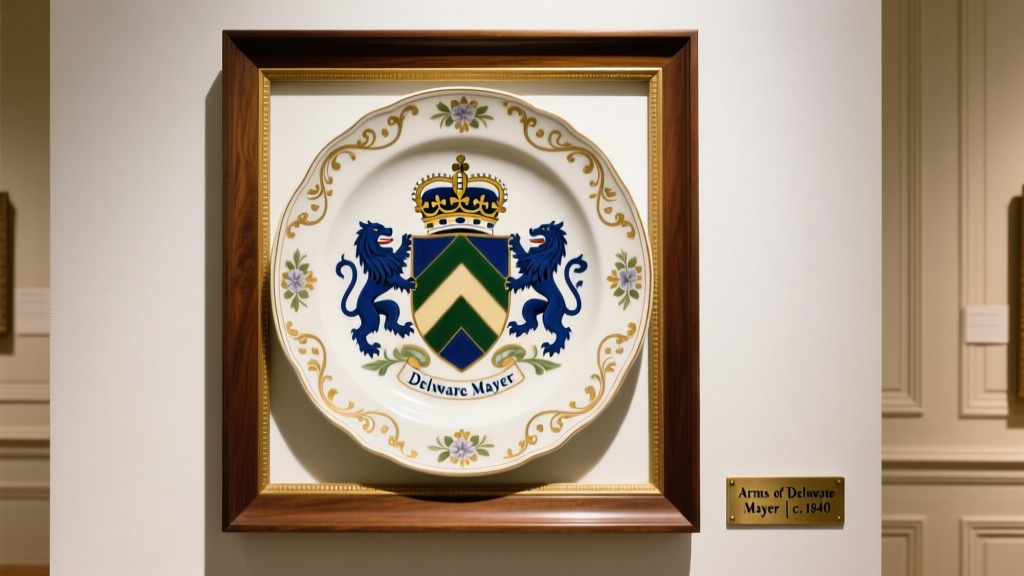
Staffordshire Platter: Arms of Delaware Mayer, 16¾-Inch Diameter — Authentication, Provenance, and Market Analysis
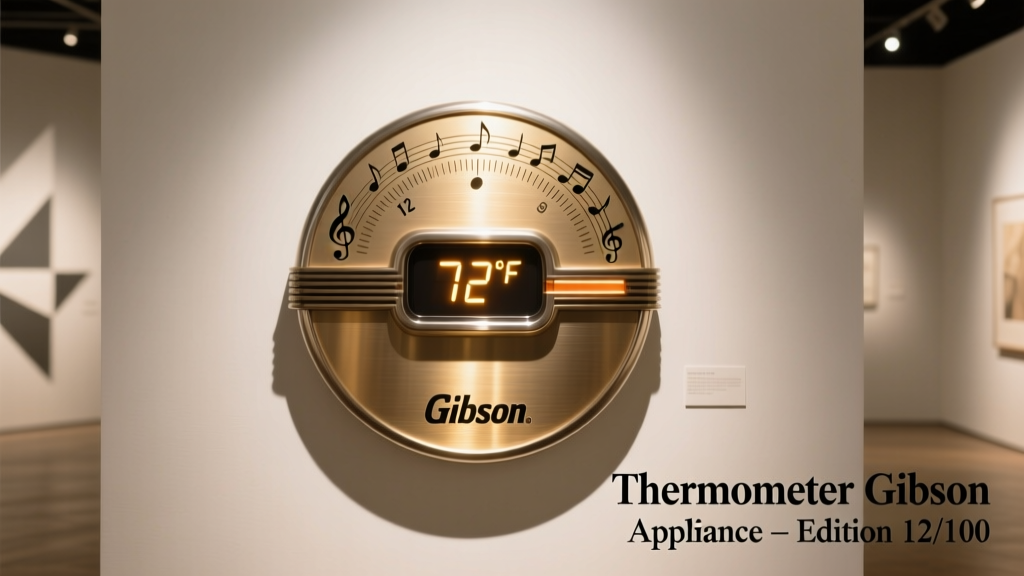
Thermometer Gibson Appliance Round 12-Inch: Authentication, Market Value, and Technical Specifications
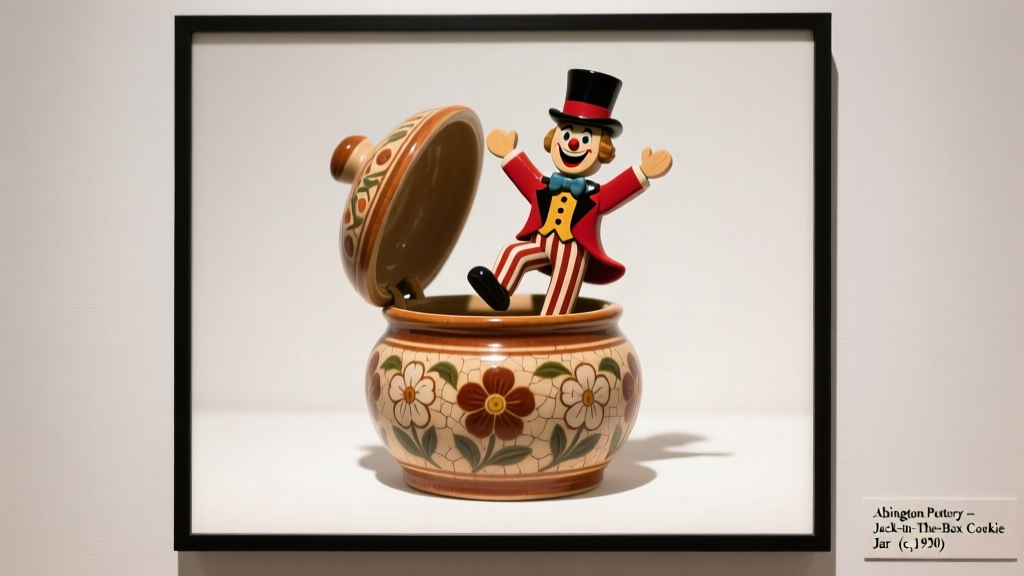
Abingdon Pottery Cookie Jar 'Jack in the Box': Authentication, Market History, and Collectibility Analysis
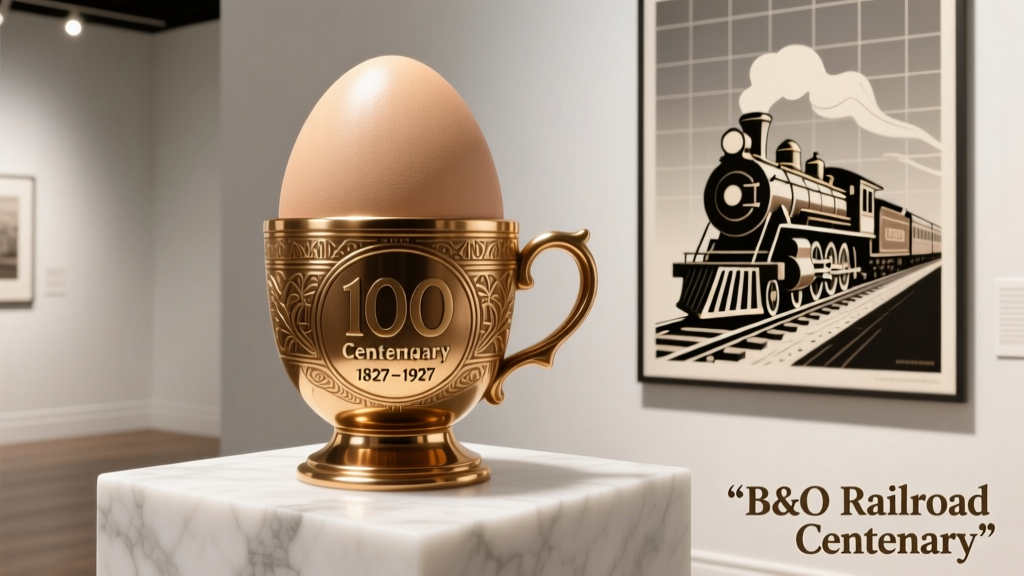
The Railroad Eggcup B.O. Railroad Centenary: A Study in British Industrial Ceramics and Collectible Provenance
E. Baggaley Ltd: The Forgotten Architect of British Industrial Printmaking and Its Enduring Legacy in Art Authentication
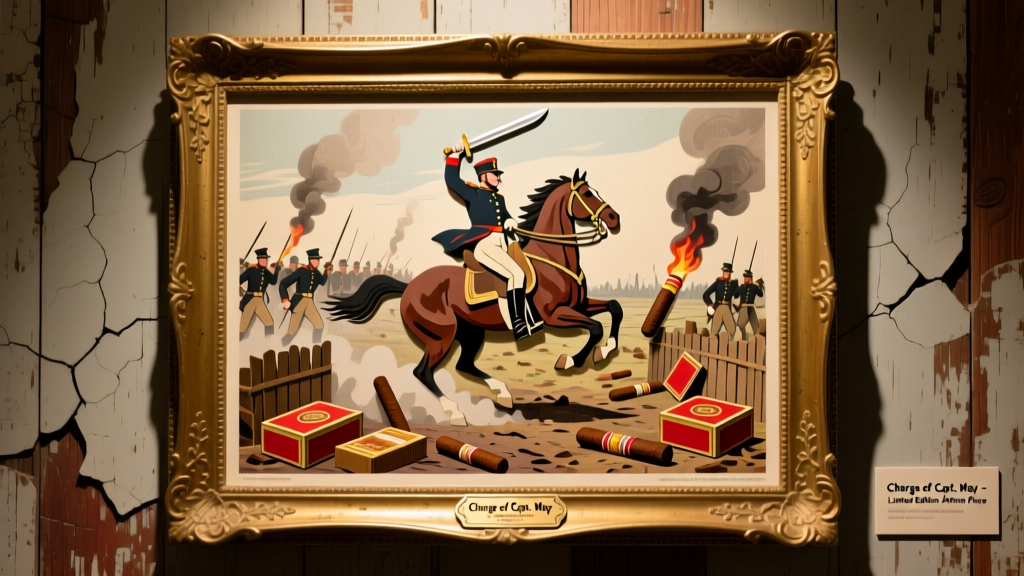
Papier-Mâché Cigar Case: The 'Charge of Capt. May' Battle Scene — Provenance, Craftsmanship, and Market Authentication
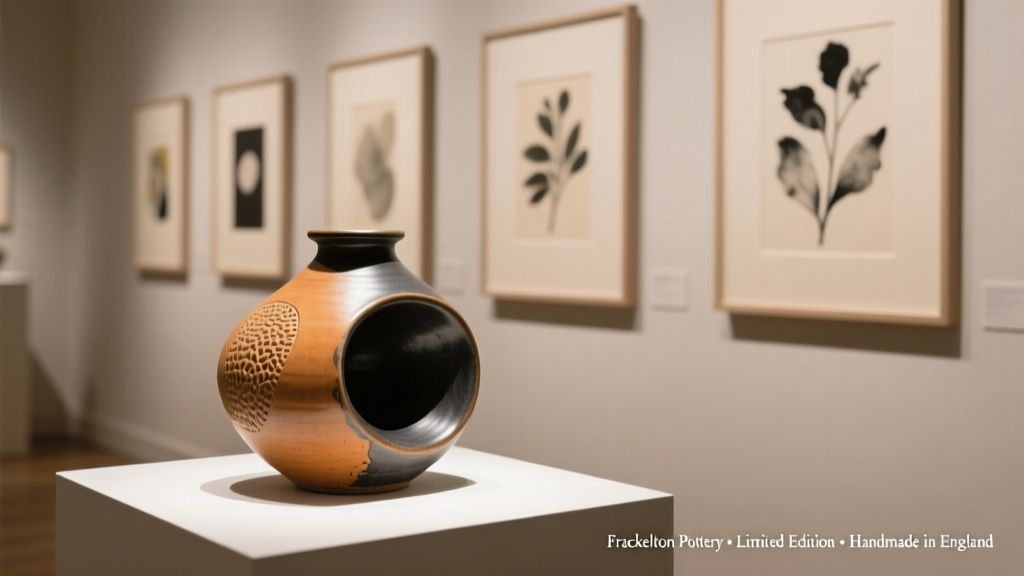
Frackelton Pottery: Authenticating Mid-Century American Studio Ceramics and Market Valuation Trends

John Crowley Crawley: Authentication, Market Trajectory, and the Anatomy of a Mid-Century American Printmaker

Carnival Glass Butterfly Bonbon in Purple: Authentication, Value Drivers, and Market Analysis