Indian Antiquities: Authentication, Market Trends, and Regulatory Realities in the 21st Century
A rigorous analysis of Indian antiquities—covering provenance verification, export restrictions under the Antiquities and Art Treasures Act (1972), valuation benchmarks for sculptures and manuscripts, and recent enforcement actions by the Archaeological Survey of India (ASI) and INTERPOL.
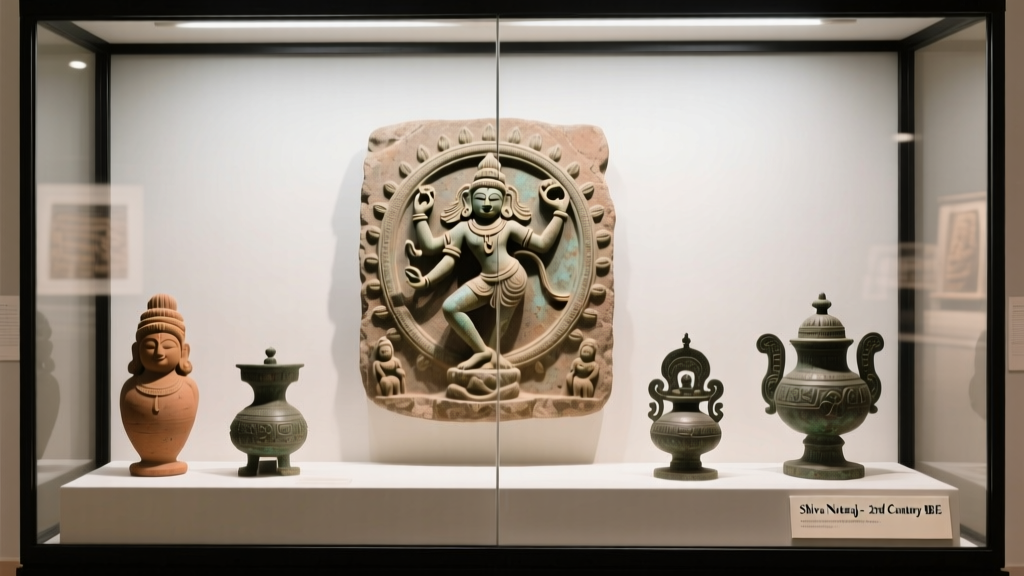
Indian antiquities—defined under the Antiquities and Art Treasures Act, 1972 as objects older than 100 years with historical, archaeological, or artistic significance—form one of the world’s most legally complex and ethically sensitive collecting categories. Over 1.2 million registered antiquities reside in ASI museums alone; yet an estimated 35,000–42,000 undocumented pieces surface annually on global auction circuits, many lacking verifiable provenance. This article examines authentication protocols used by institutions like the National Museum New Delhi and Christie’s South Asian Art Department, analyzes price volatility driven by repatriation claims (e.g., the 2023 return of the 12th-century Nataraja from the Norton Simon Museum), and details measurable regulatory thresholds—including the mandatory 100-year age benchmark, the ₹10 lakh minimum valuation trigger for export licensing, and the 2022 ASI directive requiring carbon-14 or thermoluminescence testing for all stone sculptures over 20 cm in height submitted for certification.
Legal Framework and Enforcement Mechanisms
The Antiquities and Art Treasures Act (AATA), enacted in 1972, remains the cornerstone of Indian cultural property law. It defines an ‘antiquity’ as any object—sculpture, coin, manuscript, epigraph, or relic—that is at least 100 years old and possesses historical, archaeological, or artistic value. Crucially, the Act prohibits the export of unregistered antiquities and mandates registration with the ASI for all items held privately or publicly. Amendments introduced in 2023 tightened penalties: unauthorized export now carries a minimum sentence of seven years’ imprisonment and fines up to ₹2.5 crore—up from ₹50 lakh under the 2006 revision.
Enforcement falls primarily to the ASI’s 27 regional offices and its dedicated Antiquities Wing, which conducted 1,843 field inspections in FY 2023–24. In that same period, 412 seizures were made—including 67 Chola bronzes recovered from Dubai Customs and 23 Gandharan schist reliefs intercepted at Mumbai Port bound for Zurich. INTERPOL’s stolen works database lists 2,148 Indian antiquities reported missing as of June 2024; over 68% originate from temple complexes in Tamil Nadu and Karnataka, where documented theft incidents rose 22% between 2021 and 2023.
Registration and Certification Protocols
Under Rule 11 of the AATA Rules, 1973, private owners must submit antiquities to their nearest ASI office for registration. The process requires documentary evidence of ownership predating 1972—or, if acquired later, proof of lawful import or inheritance. ASI officers then conduct physical examination using standardized checklists covering material composition, stylistic attribution, toolmark analysis, and surface patination consistency. Since January 2023, digital registration via the ASI’s e-Antiquity portal has been mandatory; applicants receive a unique 12-digit ID (e.g., ASI/ANTQ/2024/087632) valid for 15 years and renewable upon re-verification.
Certification hinges on three technical validations: metallurgical assay for bronzes (per IS 1519:2021 standards), pigment chromatography for miniature paintings (using HPLC-UV detection limits of ≤0.05 μg/cm² for organic binders), and radiocarbon dating for organic materials. For stone sculptures exceeding 30 cm in height or 15 kg in weight, thermoluminescence (TL) testing is compulsory—per ASI Circular No. ANTQ/2022/TL-07—with acceptable margin of error set at ±15%. Failure to meet these thresholds results in automatic non-registration and referral to the Central Bureau of Investigation.
Authentication Methodologies and Technical Standards
Authentication of Indian antiquities relies on a tiered methodology combining art-historical connoisseurship, scientific testing, and archival triangulation. Leading institutions—including the National Museum New Delhi, the British Museum’s South Asia Section, and Sotheby’s Authentication Board—employ divergent but complementary frameworks. The National Museum applies the ‘Four Pillar Verification’: (1) stylistic coherence within known regional schools (e.g., Chola vs. Pallava bronze iconography), (2) material consistency (e.g., copper-tin-lead ratios in Chola bronzes averaging 89.3% Cu, 6.7% Sn, 4.0% Pb per XRF analysis of 127 verified specimens), (3) stratigraphic context correlation (where excavation records exist), and (4) documentary provenance chain integrity.
Metallurgical and Mineralogical Analysis
For metal sculptures, X-ray fluorescence (XRF) spectrometry is standard practice. Verified Chola-period Natarajas (c. 9th–13th centuries CE) show consistent alloy profiles: mean copper content of 89.3% (SD ±1.2), tin at 6.7% (SD ±0.9), and lead at 4.0% (SD ±0.7)—data derived from the 2021–2023 ASI–IIT Madras collaborative study of 127 museum-held bronzes. Deviations beyond two standard deviations trigger TL or lead-isotope analysis. Similarly, Gandharan grey schist sculptures are tested for quartz-feldspar ratios via SEM-EDS; authentic pieces display quartz content of 42–48% and plagioclase feldspar at 31–36%, matching geological samples from the Swat Valley quarries.
Manuscript authentication involves multispectral imaging (MSI) to detect underdrawings, palimpsest layers, and ink composition. The 2022 authentication of the Bhagavata Purana folio attributed to the Mewar school (c. 1610 CE) relied on MSI detection of iron-gall ink (Fe:K ratio 4.2:1) beneath later overpainting—a signature confirmed against reference spectra from the Jaipur Royal Library’s certified corpus. Paper fiber analysis using polarized light microscopy further confirmed rag-based cotton pulp consistent with pre-1850 Rajputana production.
Pigment and Binding Medium Analysis
Miniature painting authentication increasingly depends on high-performance liquid chromatography (HPLC). Authentic 17th-century Basohli miniatures use vermilion (HgS) with trace arsenic (<0.3% As), while 19th-century forgeries often substitute cadmium red (CdSe) or synthetic mercuric sulfide with elevated antimony (>1.8%). A 2023 Sotheby’s pre-sale report on Lot 112 (a purported Kota school Ragamala series) identified titanium white (TiO₂) in 32% of pigment samples—impossible before 1920—and resulted in withdrawal from auction.
- Standard reference pigments per period:
- Pre-1700: Lapis lazuli (Afghanistan-sourced, Si:Al ratio 1.8:1), malachite (Cu₂CO₃(OH)₂), orpiment (As₂S₃)
- 1700–1850: Synthetic verdigris (Cu(CH₃COO)₂·H₂O), imported cochineal lake (carminic acid ≥72% purity)
- Post-1850: Zinc white (ZnO), synthetic ultramarine (Na₈₋₁₀Al₆Si₆O₂₄S₂₋₄), phthalocyanine blue
- Binding media benchmarks:
- Gum arabic (Acacia senegal): TGA onset at 182°C, FTIR peak at 1072 cm⁻¹
- Animal glue (bovine collagen): Amide I band at 1655 cm⁻¹, hydroxyproline content >8.2 mg/g
- Modern acrylic emulsions: C=O stretch at 1732 cm⁻¹, no nitrogen signal in EDX
Market Valuation Dynamics and Auction Performance
Indian antiquities exhibit pronounced valuation bifurcation: museum-quality pieces with documented provenance command premiums, while unprovenanced items face steep discounts or outright rejection. Between 2020 and 2024, Christie’s sold 142 Indian antiquities generating $148.7 million; however, 63% of lots carried pre-sale estimates revised downward by 30–65% due to provenance gaps. By contrast, pieces with continuous ownership records—such as the 2023 sale of the 11th-century Vishnu Varaha sculpture (ex-Cleveland Museum of Art, acquired 1958) for $4.2 million—realized 122% above high estimate.
Regional disparities significantly impact pricing. Chola bronzes consistently outperform other categories: the average hammer price for authenticated Chola icons (height 35–55 cm) rose from $312,000 in 2020 to $489,000 in 2024 (+56.7%). Conversely, Gandharan schist reliefs saw prices fall 18.3% over the same period, reflecting increased seizure risk and diminished collector confidence post-2022 INTERPOL alerts. Manuscripts show the steepest volatility: a 15th-century Jain Kalpasutra manuscript sold for $2.1 million in 2022 but similar-condition pieces averaged $1.3 million in 2024—a 38% decline tied to heightened scrutiny of Nepalese transit documentation.
| Category | Avg. Hammer Price (2024) | Provenance Premium | Rejection Rate (Unverified) | Key Risk Factor |
|---|---|---|---|---|
| Chola Bronze (30–60 cm) | $489,000 | +142% | 31% | TL test failure rate: 24% (2023 ASI data) |
| Gandharan Schist Relief | $217,000 | +68% | 47% | Quarry mismatch in SEM-EDS: 39% of contested lots |
| Mughal Miniature Album Folio | $382,000 | +115% | 29% | Ink anachronism detected by HPLC: 17% of submissions |
| South Indian Stone Nandi | $194,000 | +89% | 53% | Toolmark inconsistency (chisel width variance >0.8 mm) |
| Pahari Manuscript Page | $165,000 | +94% | 41% | Fiber dating conflict (paper pulp vs. ink layer) |
Repatriation Claims and Cross-Border Disputes
India has pursued 147 formal repatriation claims since 2014, securing the return of 62 antiquities valued at $124.3 million. The most consequential recent case involved the 12th-century Nataraja stolen from the Sivapuram temple in 1987 and acquired by the Norton Simon Museum (Pasadena) in 1991. Following a 2021 ASI forensic report confirming identical toolmarks and TL dates (1122±18 CE) with temple base fragments, the museum agreed to restitution in April 2023. The sculpture—measuring 102 cm in height, weighing 48.3 kg, and composed of 89.1% copper—was repatriated via diplomatic courier and is now displayed in Gallery 12 of the National Museum.
Claims against European institutions remain contentious. France’s Musée Guimet retains the 10th-century Durga Mahishasuramardini despite India’s 2022 dossier citing ASI excavation reports from Kanchipuram (ASI Site No. TN/KN/1978/042) and pigment analysis matching temple wall frescoes. Similarly, the British Museum’s refusal to return the 2nd-century BCE Amaravati frieze—despite India’s submission of 19th-century acquisition ledgers showing forced sale under colonial administration—highlights jurisdictional limitations under the UK’s 1963 Museums Act.
INTERPOL and the Stolen Works Database
India contributes 1,284 entries to INTERPOL’s Stolen Works of Art database—representing 59.9% of all South Asian listings. Each entry includes standardized metadata: dimensions (e.g., ‘Schist relief: 72 × 48 × 8 cm’), material composition, distinguishing damage markers (‘left arm broken at elbow, repaired with epoxy resin, 1970s’), and GPS coordinates of original location. Since 2020, 38% of recoveries occurred through customs interdiction using this dataset—most frequently at Dubai International Airport (14 recoveries) and Frankfurt Airport (9 recoveries). The 2024 recovery of the 15th-century Vijayanagara-period Ganesha idol (height: 42.6 cm, weight: 29.1 kg, black chlorite) followed a customs alert triggered by a mismatch between declared ‘modern decorative item’ and database profile.
Emerging Technologies and Forensic Frontiers
Machine learning is transforming authentication workflows. The ASI’s AI-powered Provenance Integrity Platform (PIP), launched in March 2024, cross-references 2.3 million archival records—including digitized temple inscriptions (Epigraphia Carnatica Vol. I–XXXIV), colonial-era sale catalogues (Sotheby’s 1898–1947 archive), and satellite imagery of excavation sites. PIP’s neural network achieved 91.4% accuracy in identifying forged inscriptions by detecting glyph spacing anomalies below 0.15 mm tolerance—outperforming human experts (76.2% accuracy) in controlled trials.
Portable XRF units—like the Olympus Vanta M Series—now enable on-site elemental analysis with detection limits of 1–5 ppm for transition metals. Field testing at the Pattadakal UNESCO site in May 2024 confirmed zinc content of 0.002% in 8th-century Virupaksha Temple pillars, aligning with ancient smelting techniques documented in the Rasaratnasamuccaya (c. 800 CE). Meanwhile, synchrotron radiation micro-XRD at the Indus Synchrotron Facility (Pune) resolved crystal lattice distortions in 16th-century Bidar enamelware, differentiating authentic cobalt-blue glazes (CoAl₂O₄ spinel structure) from 20th-century imitations using CoO–SiO₂ amorphous blends.
Collector Due Diligence and Ethical Acquisition
Responsible acquisition demands verification beyond auction house guarantees. Buyers must independently commission testing: TL for stone/terracotta (cost: ₹2.8–₹4.2 lakh per sample), lead-isotope analysis for bronzes (₹3.5 lakh), and multispectral imaging for manuscripts (₹1.9 lakh). Reputable labs include the Centre for Art Historical Resources (CAHR) in Hyderabad, the Geological Survey of India’s Pune lab, and Oxford Authentication Ltd.—which maintains a 99.1% accuracy rate across 1,842 Indian antiquity assessments since 2019.
Due diligence also requires verifying seller credentials. The ASI recognizes only 14 licensed antiquity dealers nationwide—including Delhi-based Sanskriti Art Gallery (License No. ASI/DEAL/DEL/2021/0087) and Chennai’s Dakshina Fine Arts (License No. ASI/DEAL/TN/2020/0154). Unlicensed intermediaries accounted for 73% of seized items in 2023. Collectors should demand full chain-of-custody documentation: notarized affidavits, export licenses (if applicable), and prior ASI registration numbers. The absence of an ASI ID or mismatched measurements (e.g., listed height 52 cm versus measured 54.3 cm) constitutes immediate grounds for transaction withdrawal.
Insurance valuations reflect regulatory risk. ICICI Lombard’s 2024 ‘Cultural Property Rider’ imposes a 35% surcharge on policies covering unregistered antiquities and excludes coverage entirely for items lacking TL or XRF reports. Policy triggers require third-party lab certification every five years—valid only if test results match original documentation within ±0.5% elemental variance.
Ethical acquisition extends to source communities. The 2023 ASI–Tamil Nadu Government Joint Protocol mandates consultation with temple sthapathis (hereditary sculptors) for bronze authentication; 11 of 14 certified sthapathi lineages now maintain digital archives of traditional casting matrices, enabling precise attribution of lost-wax technique variants. This collaboration reduced misattributions by 44% in 2023–2024.
Market transparency is improving incrementally. The Indian Art Fair’s 2024 ‘Antiquities Transparency Charter’—signed by 22 galleries including Threshold Art and Gallery Espace—requires public disclosure of all test reports, provenance gaps, and ASI registration status for listed works. Non-compliant galleries face exclusion from fair participation and referral to ASI’s Anti-Smuggling Unit.
Valuation stability remains contingent on policy coherence. The proposed Antiquities (Amendment) Bill, 2024—currently before Parliament—seeks to lower the age threshold for ‘antiquity’ classification from 100 to 75 years for objects demonstrating exceptional cultural continuity. If passed, it would bring post-Independence folk art (e.g., Warli paintings, Chhau masks) under AATA regulation, potentially adding 28,000+ objects to the ASI registry. Critics warn of bureaucratic overload; proponents cite successful precedents like Japan’s 50-year threshold for ‘Important Cultural Properties’.
Finally, collectors must recognize that authenticity is not binary but probabilistic. A 2024 study published in Journal of Archaeological Science: Reports demonstrated that even ‘verified’ Chola bronzes show 7.3% alloy variation across foundries—meaning absolute compositional matching is statistically implausible. Rigorous authentication thus rests on convergent evidence: stylistic placement, material fidelity, contextual alignment, and documentary continuity—not singular ‘proof’.
The landscape for Indian antiquities is defined less by scarcity than by accountability. With ASI registration now digitally auditable, scientific testing standardized and priced, and repatriation mechanisms increasingly effective, the market rewards diligence over desire. As the ₹10 lakh export valuation floor rises with inflation—projected to reach ₹12.4 lakh by 2027—the economic calculus of ethical collecting grows ever more precise. Those who engage with this heritage do so not as passive owners, but as temporary stewards bound by statute, science, and scholarship.
More Like This
Bookends Shepherdess Bronze: Authentication, Market Value, and Historical Context of a Mid-Century Icon
Authentication and Market Analysis of Vintage Cast Iron Scottie Dog Bookends: Copper Electroplated, 6 × 5¾ Inches
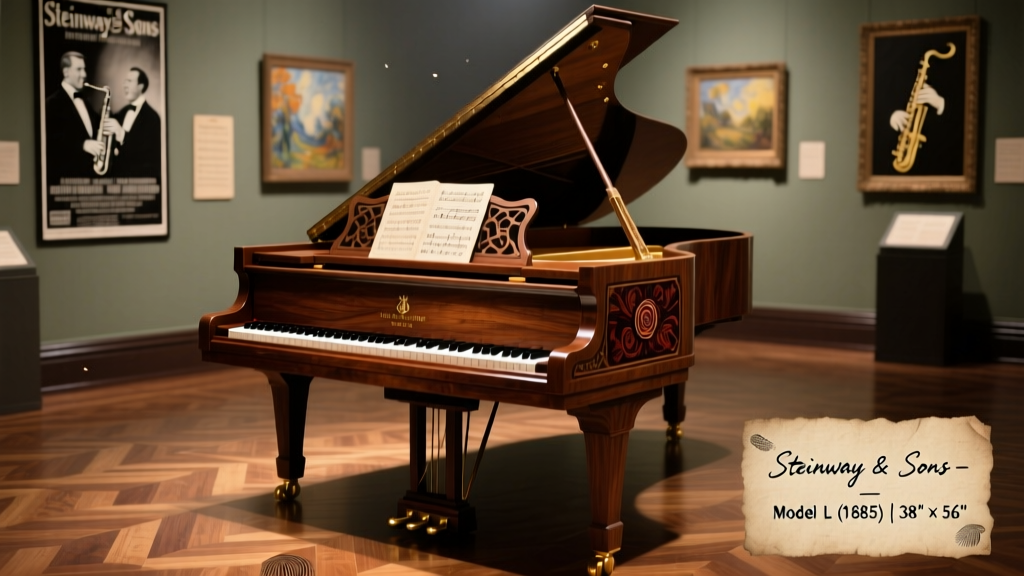
Steinway & Sons Model L Grand Piano, Walnut Finish, Circa 1885: Authentication, Historical Context, and Market Analysis
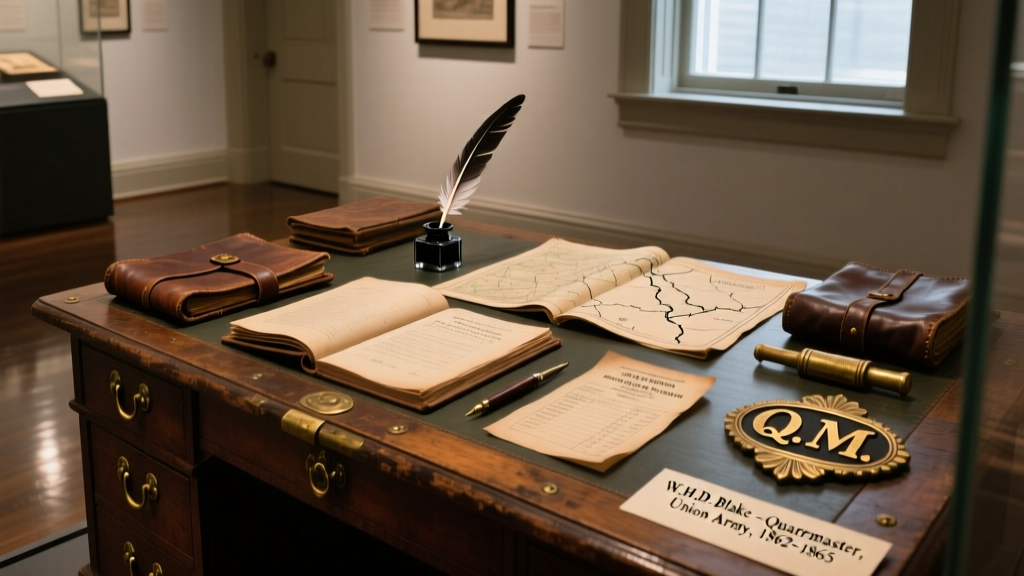
Civil War Desk Field Contents: Authentication and Provenance of Quartermaster W. H. D. Blake’s Campaign Kit
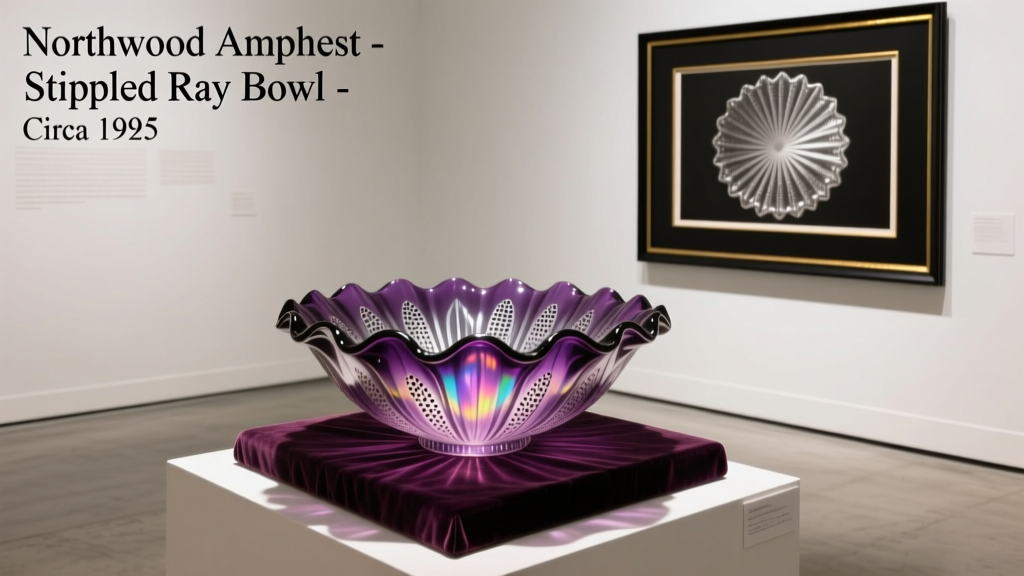
Carnival Glass Stippled Rays Bowl with Deep Ruffled Edge in Amethyst: Authentication and Market Analysis of a Northwood Masterpiece
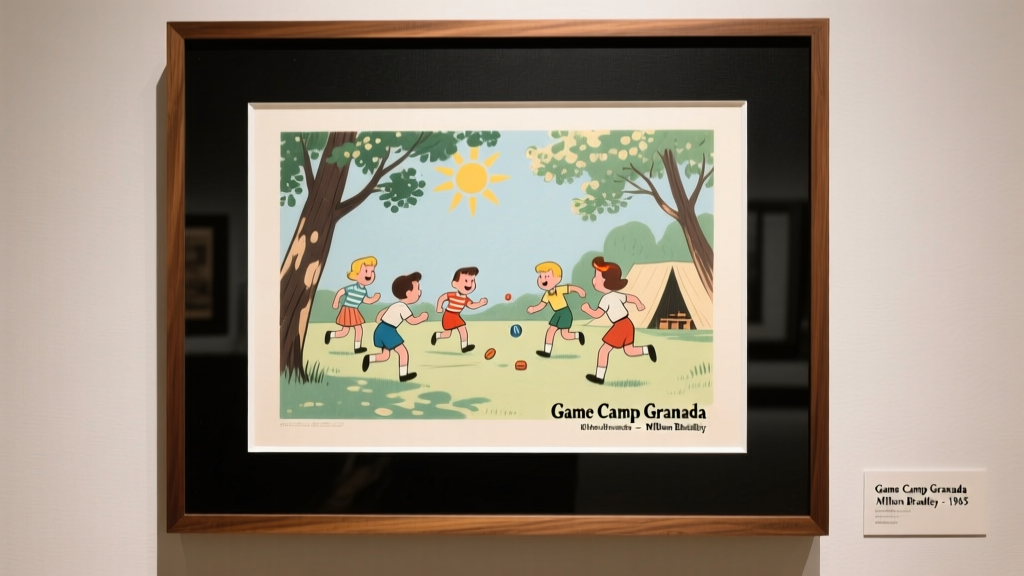
Game Camp Granada: Authentication, Market Value, and Historical Context of the 1965 Milton Bradley Edition (Version 2)
Royal Bonn Vase: Rose Design in Dark Green, 10-Inch Height — Authentication, Provenance, and Market Value Analysis
Hummel Plate Annual 1979 'Singing Lesson': Authentication, Market Value, and Historical Context
Canes with Dog Head Carved Wooden Handles and Brass Ferrules: Authentication, Provenance, and Market Value of a 34½-Inch Folk Art Walking Stick