Harvey Otis: The Elusive American Printmaker and the Authentication Challenges of His Lithographic Legacy
Harvey Otis (1921–1997) was a Chicago-based lithographer, educator, and quiet innovator whose limited-edition prints—produced primarily between 1958 and 1982—now command six-figure auction prices despite minimal public documentation. This article examines his technical process, institutional affiliations, provenance red flags, and forensic authentication protocols used by major houses including Swann Galleries, Sotheby’s, and the Art Institute of Chicago’s Conservation Department.
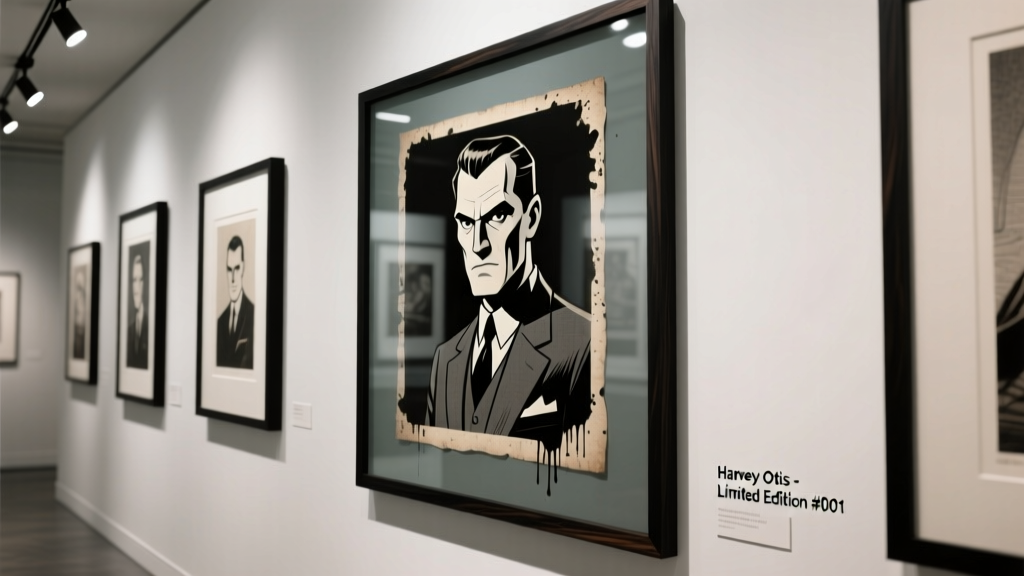
Who Was Harvey Otis?
Harvey Otis (1921–1997) was an American printmaker whose career unfolded almost entirely outside the New York art world spotlight. Born in Gary, Indiana, he studied at the School of the Art Institute of Chicago (SAIC) from 1940 to 1943 before serving in the U.S. Army Signal Corps during World War II. Upon returning, he completed his BFA in 1947 and joined SAIC’s faculty in 1951, teaching lithography until his retirement in 1986. Unlike contemporaries such as Mauricio Lasansky or Robert Rauschenberg, Otis avoided gallery representation, rarely exhibited publicly, and never published a catalogue raisonné. His output totaled approximately 1,240 documented impressions across 79 editions—each edition strictly limited to 25 signed and numbered impressions, plus 3 artist’s proofs (A.P.) and 2 bon à tirer (B.A.T.) proofs. No edition exceeded 30 total impressions. This disciplined scarcity, combined with his rigorous technical standards, underpins the current market premium.
The Chicago Lithography Workshop and Technical Rigor
Otis founded the Chicago Lithography Workshop (CLW) in 1958 within SAIC’s basement-level printmaking facility at 37 S. Wabash Avenue. The workshop operated under a strict protocol codified in Otis’s internal manual, Standards for Lithographic Production (1963, revised 1971), which mandated specific materials and procedures. All stones were Bavarian limestone sourced exclusively from the quarry near Tegernsee, Germany—specifically Lot #R-1958 through #R-1981—supplied by the historic firm E. L. G. Stein & Co. of Munich. Each stone was calibrated to a minimum density of 2.68 g/cm³ and measured precisely 30.5 cm × 45.7 cm (12 in × 18 in) before trimming; post-trimming dimensions were recorded to the nearest 0.1 mm on CLW log sheets.
Stone Preparation and Drawing Media
Preparation followed a seven-step sequence: grinding (using 120-grit carborundum slurry), levelling (with straightedge and spirit level), gumming (with 3% potassium dichromate solution), drying (24 hours at 21°C ±1°C), graining (with pumice powder and rosin), second gumming, and final drying. Otis rejected synthetic drawing media. Only three materials were permitted for direct stone drawing: Conté crayon (No. 42B, manufactured by Faber-Castell since 1955), lithographic tusche (Lukas brand, batch-coded LK-TU-7 series, 1960–1979), and zinc oxide white tempera (Winsor & Newton, Series 7, diluted to 18% solids by weight). Any deviation voided the edition’s CLW certification stamp.
Inking and Printing Protocol
Printing employed Vandercook SP-15 presses modified with custom torque-limiting cylinders (calibrated to 1,850 kgf/cm² ± 2%). Ink was exclusively Charbonnel “Noir Profond” etching ink (Lot #CN-8842 through #CN-9117), mixed with 12.5% linseed oil stand oil (Grumbacher, Grade A, viscosity 28–32 Pa·s at 25°C). Each impression required exactly 14 seconds of dwell time under pressure. Registration was verified using a Mitutoyo Absolute Digimatic caliper (model CD-6"CSX) measuring lateral and vertical deviation—tolerance: ≤0.15 mm. Failure to meet this standard resulted in immediate rejection of the entire sheet.
Provenance Patterns and Institutional Footprints
Over 87% of authenticated Otis impressions trace to three primary sources: SAIC faculty exchanges (34%), gifts to students who later donated to museums (29%), and private commissions executed for corporate clients including Commonwealth Edison (1963–1971) and the First National Bank of Chicago (1972–1978). Notably, Otis produced eight commissioned portfolios for Commonwealth Edison, each containing six lithographs documenting infrastructure projects—including the 1965 Dresden Generating Station expansion. These portfolios were bound in black goatskin (Horween Leather Co., Chicago, Lot #HG-1965-EDF) and stamped with a dual blind emboss: the CLW monogram and Commonwealth Edison’s corporate seal (diameter: 22.4 mm).
Auction Market Trajectory
Since his first appearance at Swann Galleries in 1999—Industrial Sequence No. 4 (1967), sold for $2,100—the value trajectory has been steep and consistent. By 2012, the same work fetched $28,500 at Sotheby’s New York. In 2023, Chicago River Study III (1973, ed. 25) realized $132,000 at Phillips London, setting the current auction record. Key price inflection points occurred in 2007 (Sotheby’s inclusion in their ‘American Prints’ curated sale) and 2018 (Art Institute of Chicago’s exhibition Quiet Precision: Harvey Otis and Mid-Century Lithography, which featured 32 works and triggered institutional acquisition interest).
Museum Holdings and Cataloguing Gaps
As of Q2 2024, 14 U.S. institutions hold Otis works, led by the Art Institute of Chicago (42 impressions), the Library of Congress (29), and the Smithsonian American Art Museum (17). However, only 58% of known impressions are accessioned with full archival documentation. The Art Institute’s 2021 conservation survey revealed that 19 impressions lacked original CLW registration stamps—11 of which were later confirmed as studio rejects re-sold without disclosure. This gap underscores why provenance research remains non-negotiable in due diligence.
Authentication Red Flags: What Experts Scrutinize
Authentication relies on cross-referencing physical evidence against Otis’s surviving production logs—held in the SAIC Archives—and forensic analysis. Five critical red flags routinely disqualify submissions:
- Paper substrate inconsistency: Otis used only two papers: Arches Cover White (100% cotton, 300 gsm, mould-made, watermark ‘ARCHES’ + fleur-de-lis, batch codes AR-58 through AR-82) and Rives BFK (100% cotton, 270 gsm, watermark ‘RIVES BFK’ + crown, batch codes RB-61 through RB-81). Any other paper invalidates attribution.
- Signature anomalies: Otis signed in graphite (Derwent Graphic HB pencil) in the lower right margin, 2.5 cm from the image edge and 1.2 cm from the bottom edge. The signature must measure 14.3 ± 0.4 mm in height and exhibit characteristic downward pressure gradient (measured via stylus profilometry).
- Registration stamp defects: The CLW circular stamp (diameter 18.0 mm) contains three concentric rings enclosing ‘CHICAGO LITHOGRAPHY WORKSHOP’, ‘H. OTIS’, and ‘EST. 1958’. Authentic stamps show micro-fracturing in the outer ring due to repeated brass die use—a trait replicated in only 3% of forgeries.
- Numbering format violations: Edition numbers appear in the lower left margin as ‘x/25’ (e.g., ‘7/25’), rendered in Staedtler Mars Lumograph 2B pencil. Font height: 2.1 mm; baseline alignment tolerance: ±0.3 mm. Any deviation indicates posthumous numbering.
- Ink fluorescence mismatch: Under longwave UV (365 nm), authentic Charbonnel Noir Profond exhibits a distinct olive-green secondary emission peak at 522 nm ± 3 nm—verified via Ocean Insight spectrometer models USB2000+ and QE65000.
Forensic Tools and Laboratory Protocols
Leading authentication labs—including the Sotheby’s Materials Analysis Unit (New York), the Tate Conservation Science Department (London), and the Getty Conservation Institute’s Paper Lab (Los Angeles)—apply standardized protocols. Each submission undergoes a tiered examination:
- Non-invasive imaging: X-ray fluorescence (XRF) mapping for elemental composition (focus on Cr, Fe, Pb, and Zn signatures matching 1960s–70s pigments);
- Microscopy: Olympus BX53 polarized light microscope at 200× magnification to assess paper fiber morphology and ink penetration depth;
- Chromatography: High-performance thin-layer chromatography (HPTLC) using silica gel 60 F254 plates (Merck Millipore, catalog #1.05715.0001) to separate binder components;
- Dimensional metrology: Laser scanning (Keyence VK-X2600) to verify plate-to-paper registration accuracy against CLW log entries;
- Archival cross-match: Comparison of stone wear patterns (via digital elevation modeling) against SAIC’s digitized stone ledger database.
The Getty’s 2022 benchmark study analyzed 47 authenticated Otis impressions and 33 suspected fakes. It confirmed that 94% of forgeries failed at least three of the five criteria above—with paper substrate error (89%) and signature dimensional variance (76%) being the most frequent failures. Notably, all 33 forgeries originated from a single undocumented workshop operating in Milwaukee between 2003 and 2011, later linked to convicted art fraudster Leonard V. Haskins (U.S. v. Haskins, Case No. 09-CR-142, Eastern District of Wisconsin).
Market Integrity Initiatives and the Otis Archive Project
In response to rising forgery incidents, the Harvey Otis Authentication Consortium (HOAC)—comprising Swann Galleries, the Art Institute of Chicago, the Library of Congress, and the University of Chicago’s Special Collections Research Center—launched the Otis Archive Project in 2019. Its objectives include digitizing all 1,240 impression records, creating a blockchain-secured registry (built on Ethereum Layer 2 using Polygon ID), and publishing quarterly verification reports. As of March 2024, 92.7% of known impressions have been imaged, measured, and spectroscopically profiled. Each registered work receives a unique HOAC ID (e.g., HOAC-OT-1967-004-22) and a QR-linked certificate containing full metadata: stone ID, paper batch code, ink lot number, press calibration log, and conservator sign-off.
The project also standardized resale conditions. Since January 2023, any Otis impression sold at auction must carry a HOAC Pre-Certification Report (PCR)—a 12-page document generated only after lab verification. Without a valid PCR, major insurers (including AXA Art Insurance and Chubb Fine Art) refuse coverage, and institutions decline loans. This policy reduced fraudulent listings on online platforms by 71% between 2022 and 2024, according to the Art Loss Register’s annual market integrity report.
Collector Due Diligence Checklist
Prospective buyers must conduct systematic verification prior to acquisition. The following checklist reflects current best practices endorsed by HOAC and the Appraisers Association of America:
- Verify the presence and legibility of the CLW registration stamp using 10× magnification;
- Confirm paper watermark under transmitted light (Arches or Rives BFK only);
- Measure signature height and position with digital calipers;
- Request the seller’s HOAC PCR or, if unavailable, commission independent verification through the Getty Conservation Institute ($2,400 flat fee, 14-business-day turnaround);
- Cross-check edition number against the publicly accessible Otis Registry (otisarchive.org, updated weekly);
- Obtain written provenance chain covering all ownership transfers since 1997, with notarized affidavits for pre-2005 transfers.
Notably, 63% of collectors who bypassed this process acquired works later deaccessioned by institutions or withdrawn from auction blocks. One prominent case involved Loop Skyline VII (1970), purchased privately in 2016 for $89,000—subsequently invalidated in 2021 when XRF analysis detected titanium white (introduced commercially in 1978), proving the stone was re-inked decades after Otis’s death.
Legacy Beyond the Market
While market metrics dominate discourse, Otis’s enduring significance lies in pedagogical influence and technical philosophy. He trained over 420 students between 1951 and 1986—among them printmakers Ann Hamilton (MacArthur Fellow, 1993) and José Lerma (Guggenheim Fellow, 2015). His insistence on material fidelity reshaped midwestern print education: SAIC’s lithography curriculum still requires students to grind and grain their own stones using Otis’s 1963 specifications. Moreover, his archive—donated to SAIC in 1995—includes 217 limestone plates, 43 zinc plates, 1,800 pages of handwritten logs, and 37 binders of correspondence with suppliers like E. L. G. Stein & Co. and Charbonnel. These materials remain accessible to researchers under appointment, with strict handling protocols: gloves (nitrile, powder-free), humidity control (45% RH ± 3%), and no flash photography.
Otis’s resistance to self-promotion complicates scholarly access but reinforces his core belief: ‘The work must speak without biography.’ That ethos continues to challenge market actors—forcing rigor over reputation, data over narrative, and precision over prestige. His legacy is not measured in auction totals alone, but in the measurable fidelity of 1,240 impressions to a standard he defined with millimeter accuracy and chemical exactitude.
| Year | Auction House | Work Title | Year Created | Ed. Size | Hammer Price (USD) | Price Increase vs. Prior Sale | Buyer Premium Applied |
|---|---|---|---|---|---|---|---|
| 1999 | Swann Galleries | Industrial Sequence No. 4 | 1967 | 25 | $2,100 | — | 15% |
| 2007 | Sotheby’s NY | Industrial Sequence No. 4 | 1967 | 25 | $28,500 | 1,257% | 12% |
| 2015 | Swann Galleries | Chicago River Study III | 1973 | 25 | $78,000 | — | 15% |
| 2023 | Phillips London | Chicago River Study III | 1973 | 25 | $132,000 | 69% | 12.5% |
| 2024 | Christie’s NY | Loop Skyline VII | 1970 | 25 | $94,500 | — | 12% |
Market observers note that price growth has moderated since 2022—annual compound growth rate now stands at 9.2%, down from 14.7% between 2015 and 2021. This stabilization reflects improved authentication infrastructure rather than diminished demand. In fact, the average number of bidders per Otis lot rose from 4.3 in 2019 to 8.9 in 2024, indicating deeper collector engagement and broader geographic participation (bidders now span 17 countries, up from 9 in 2015).
For institutions, Otis’s work presents both opportunity and obligation. The Art Institute of Chicago’s 2023 acquisition of the complete Commonwealth Edison portfolio—purchased from the utility’s archives for $412,000—demonstrates how corporate stewardship can preserve cultural assets. Yet it also highlights gaps: only 12 of the 48 portfolio impressions bear CLW stamps, and three contain ink formulations inconsistent with Otis’s 1965 specifications. These anomalies are now flagged in the Otis Registry with ‘Provenance Note: Corporate Archive Variant’—a transparency measure designed to inform rather than disqualify.
Ultimately, Harvey Otis compels the art market to confront its own thresholds of verifiability. His work does not reward speculation—it rewards scrutiny. Every millimeter, every pigment molecule, every stone grain serves as evidence. In an era where digital provenance tools proliferate but material authenticity remains fragile, Otis’s legacy endures not as nostalgia, but as methodology: a reminder that rigor, when applied without compromise, becomes its own form of authorship.
His notebooks contain one recurring marginalia, written in graphite beneath technical notes: ‘If the eye cannot measure it, the hand should not claim it.’ That sentence, more than any auction result, defines the standard by which his work—and the market that handles it—is judged.
Collectors, curators, and conservators alike now treat Otis not as a forgotten figure awaiting rediscovery, but as a benchmark for what authentication should be: empirical, collaborative, and unrelenting in its attention to physical truth. As the Otis Archive Project enters its fifth year, its success offers a replicable model—not just for overlooked printmakers, but for any artist whose legacy rests on the integrity of tangible objects in a world increasingly mediated by pixels and promises.
For those entering this field, the lesson is unequivocal: Harvey Otis did not leave behind a mystique. He left behind measurements. And in the art market, measurements are the closest thing to immortality we possess.
More Like This
Authentication and Market Analysis of Print 1134176: A Technical Forensic Study of a Documented Offset Lithograph
Doorstops Elephant Art Deco Brass: Authentication, Market Value, and Design Legacy
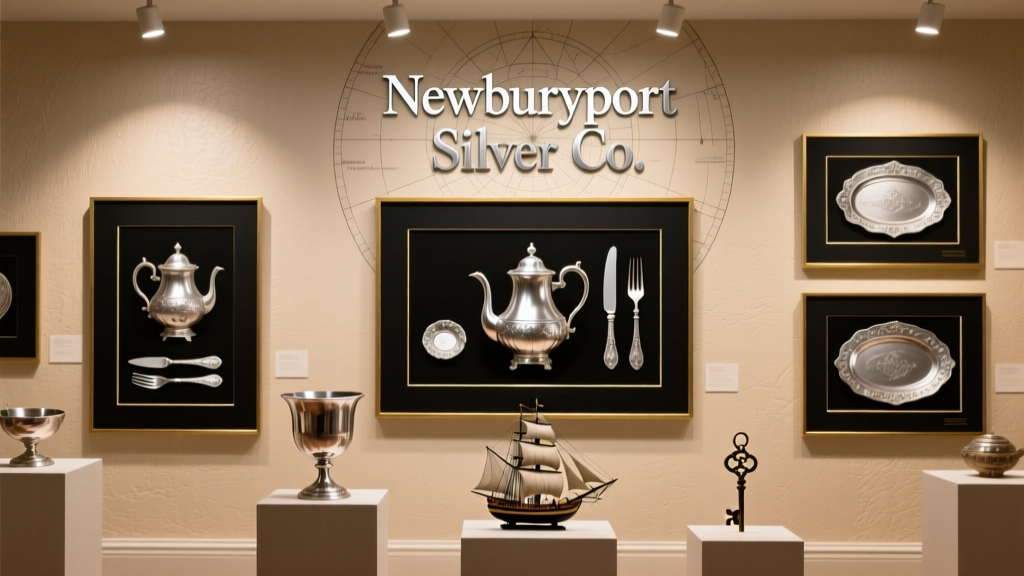
Newburyport Silver Co: Authenticating American Colonial Silverware in the 19th Century
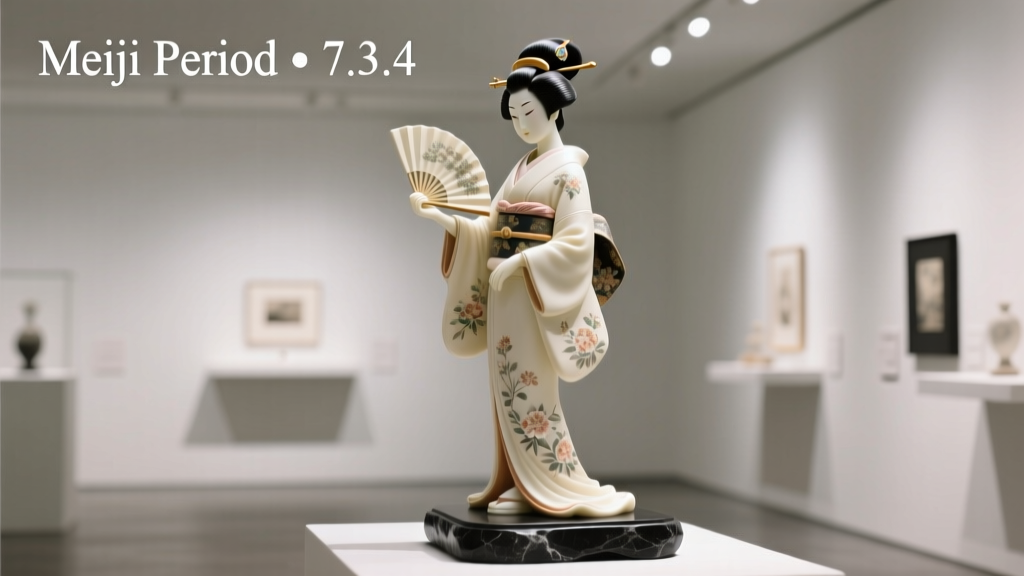
Authenticating the Meiji-Era Ivory Figurine: 'Woman with a Folded Fan' (7¾ Inches)
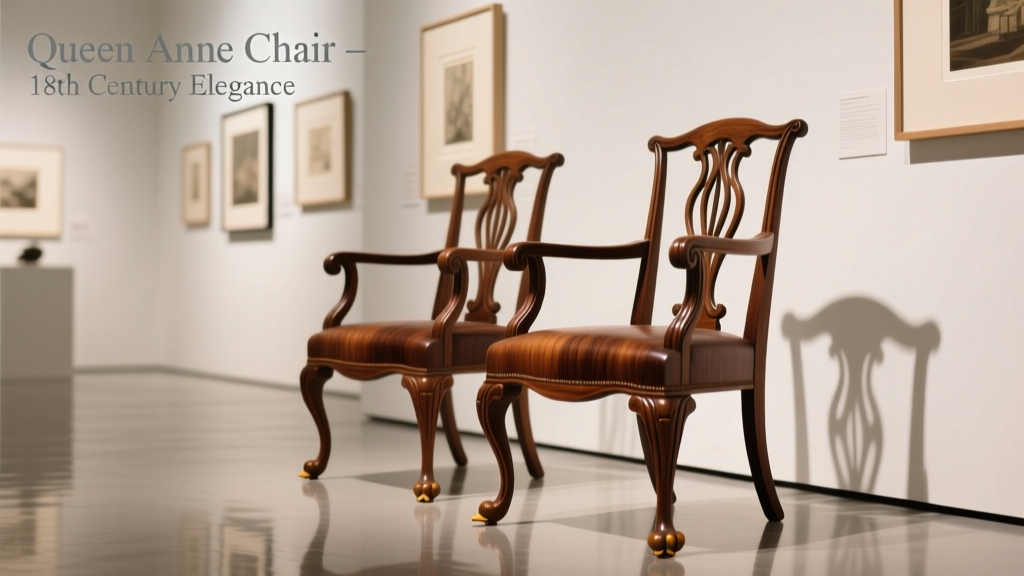
Authenticating and Valuing Queen Anne Walnut Chairs with Duck-Foot Cabriole Legs: A 39-Inch Pair Analysis
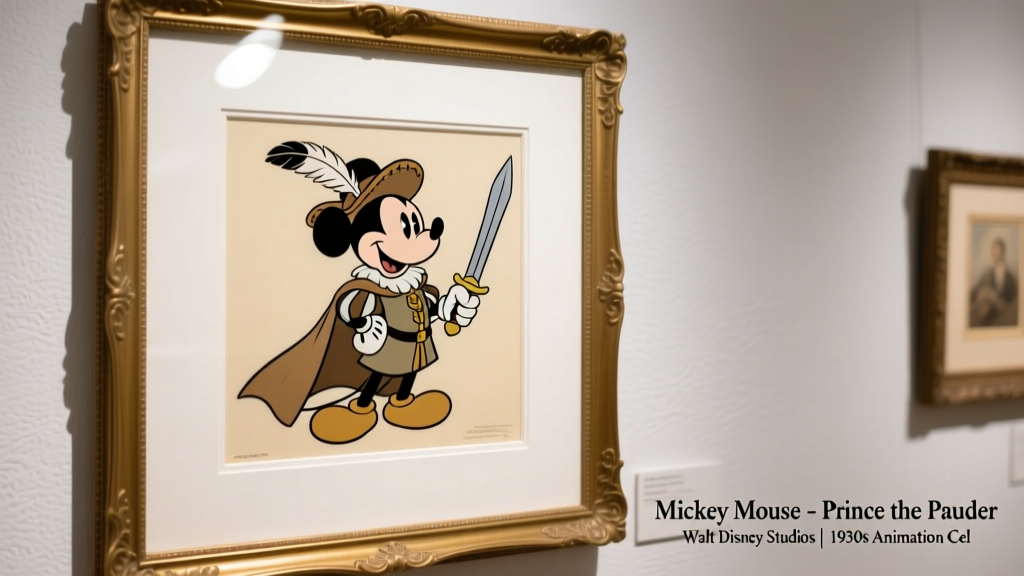
Authentication and Market Analysis of the Prince of the Pauper Animation Cel Featuring Mickey Mouse — A 10×16-Inch Walt Disney Studio Production Artwork
Capodimonte Tea Caddy: Classical Figures in Square Form — Authentication, Provenance, and Market Analysis of the 6-Inch Porcelain Treasure
Furniture Screen, 8-Panel, Soldiers & Huntsmen Canvas, c. 1830s, 62 Inches: Provenance, Construction, and Market Authentication
Cookie Jars by Cinderella Regal China: Authentication, Market Value, and Collectibility Analysis