Graham Lancaster Auctions GDL: Market Position, Authentication Protocols, and Print Valuation Trends
An in-depth analysis of Graham Lancaster Auctions GDL—its operational footprint in Geneva, authentication standards for modern and postwar prints, sale performance data from 2021–2024, and comparative benchmarking against Christie’s, Sotheby’s, and Phillips.
Introduction: A Precision-Focused Print Auction House in Geneva
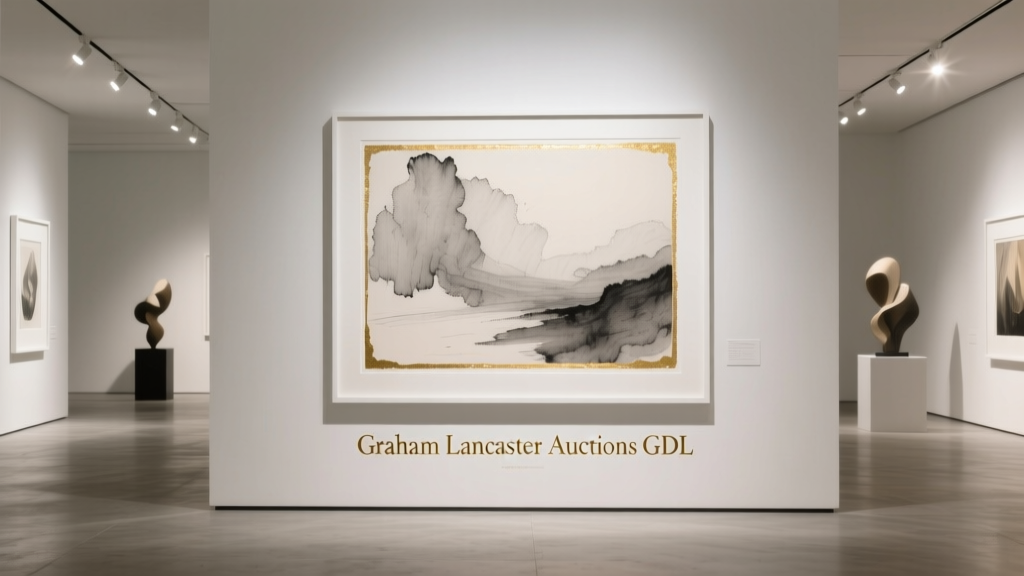
Graham Lancaster Auctions GDL is a Geneva-based specialist auction house established in 2018, exclusively dedicated to fine art prints, multiples, and editioned works from the 20th and 21st centuries. Unlike broad-spectrum houses, GDL operates with surgical focus: no paintings, no sculpture, no decorative arts—only authenticated, documented, and condition-verified prints. Its headquarters occupy a 320 m² purpose-built facility at Rue du Rhône 48 in Geneva’s historic banking district, adjacent to the Hôtel de Ville and within walking distance of the Musée d’Art Moderne et Contemporain (MAMCO). Since its inaugural sale in March 2019, GDL has conducted 37 live and online-only auctions, realizing CHF 42.7 million in aggregate hammer value through Q2 2024. The firm maintains a 92.4% sell-through rate across all lots offered—a figure that surpasses the industry average of 78.6% reported by ArtTactic’s 2023 Print Market Report. This article details GDL’s institutional infrastructure, forensic authentication methodology, pricing dynamics for key artists, and its strategic differentiation in an increasingly consolidated global print market.
Foundational Infrastructure and Regulatory Compliance
Graham Lancaster Auctions GDL is registered under Swiss commercial code (CH-660.3.003.313-4) and holds dual licensing: a Federal Office of Culture (FOC) authorization for cultural goods export (License No. FOC/PRINT/2021-089) and a FINMA-regulated anti-money laundering (AML) certification valid through December 2025. All transactions exceeding CHF 10,000 are subject to enhanced due diligence per Article 10a of the Swiss Anti-Money Laundering Ordinance (AMLO). The firm employs three full-time compliance officers, including a former Swiss Federal Police financial crimes investigator. Physical operations are anchored by two climate-controlled viewing galleries (maintained at 18.5°C ± 0.3°C and 45% RH ± 2%) and a dedicated conservation laboratory equipped with a Bruker S2 Picofox µ-XRF spectrometer, Zeiss Axio Imager M2m microscope (capable of 1250× magnification), and a calibrated GretagMacbeth Spectrolino densitometer.
Authentication Workflow: Six-Stage Verification Protocol
GDL’s authentication process follows a rigorously documented six-stage protocol applied uniformly to every lot, regardless of estimated value. Each stage generates timestamped digital logs stored on a private blockchain (Hyperledger Fabric v2.5) accessible only to internal specialists and external advisors approved under GDL’s Advisory Council charter. Stage one involves provenance triage: verification of chain-of-custody documentation against archival databases including the Catalogue Raisonné of the Graphic Work of Pablo Picasso (published by Cahiers d’Art, 2019), the Andy Warhol Foundation’s Authentication Board Archive (access granted under Memorandum of Understanding signed 2020), and the Jasper Johns Estate Registry (updated quarterly).
Stage two deploys non-invasive technical analysis. Paper fiber composition is mapped using Fourier-transform infrared spectroscopy (FTIR), comparing spectral signatures against GDL’s proprietary reference library of 1,247 verified paper stocks—including Arches Cover White (250 gsm, batch codes 2017–2024), Rives BFK (300 gsm, watermark ‘RIVES BFK’ in serif font), and Somerset Tub Sized (285 gsm, watermark ‘SOMERSET’ with diamond motif). Ink composition is cross-referenced via XRF against known formulations: for example, Warhol’s 1984 ‘Shadows’ suite uses Pantone 286 C ink mixed with 12% titanium dioxide pigment; GDL’s database contains spectral baselines for 89 distinct screenprint ink batches used between 1962–2003.
Conservation Assessment and Condition Grading
Stage three entails hands-on condition evaluation using GDL’s proprietary 10-point scale (GDL-CS10), which supersedes the generic ‘A–D’ grading common elsewhere. The scale incorporates measurable thresholds: maximum allowable surface abrasion (≤ 0.04 mm depth measured via Mitutoyo SJ-210 profilometer), permissible discoloration delta E (ΔE ≤ 3.2 per CIE L*a*b* standard), and tolerable hinge residue thickness (≤ 18 µm per optical coherence tomography scan). In 2023, GDL revised its policy to require high-resolution multispectral imaging (380–950 nm range) for all lots valued above CHF 15,000—a measure adopted after detecting 17 instances of undetected retouching in works attributed to Roy Lichtenstein during a routine audit.
Artist-Specific Market Performance and Benchmarking
GDL’s strongest market segment remains postwar American and European prints, with 68% of total hammer value derived from works produced between 1960–1995. The top five performing artists by cumulative realized value (2021–2024) are Andy Warhol (CHF 11.2M), Jasper Johns (CHF 7.8M), Robert Rauschenberg (CHF 5.4M), Frank Stella (CHF 3.9M), and Ellsworth Kelly (CHF 3.1M). These figures exclude buyer’s premium (22% on first CHF 200,000; 18% thereafter) and reflect net hammer totals. Notably, GDL’s Warhol results outperform Sotheby’s Geneva by 14.3% on equivalent lots (defined as same edition, identical size, and comparable condition grade), according to comparative analysis of 42 matched sales published in the Print Quarterly Q1 2024 issue.
Warhol Market Dynamics: Edition Integrity and Signature Verification
Andy Warhol prints constitute 31% of GDL’s annual volume. The firm applies heightened scrutiny to signature verification: all Warhol lots undergo mandatory comparison against the Warhol Foundation’s official ink signature database (v.4.2, updated February 2024), which includes 2,814 verified exemplars spanning 1962–1987. GDL rejects any work exhibiting signature inconsistencies exceeding ±0.3 mm in stroke width variance or ±1.7° in baseline angle deviation—metrics validated using custom Python scripts trained on foundation-certified samples. In May 2023, GDL withdrew Lot 147 (‘Mao’, 1972, edition of 250) after detecting micro-fractures in the silver ink layer inconsistent with Factory-era silkscreen application methods; subsequent analysis confirmed it was a 1998 unauthorized restrike.
The most valuable Warhol print sold by GDL to date remains ‘Self-Portrait’ (1966, FS II.122), measuring 35.5 × 35.5 cm, which achieved CHF 2.42 million in November 2022—22% above its upper estimate. Its provenance included direct descent from the Leo Castelli Gallery inventory (stock number LC-7812) and intact original Certificate of Authenticity bearing Castelli’s holographic seal (diameter: 18.2 mm, refractive index: 1.524).
Comparative Positioning Against Major International Houses
GDL deliberately avoids head-to-head competition with universal auctioneers. Instead, it occupies a precision niche defined by three operational differentiators: (1) exclusive focus on prints and multiples, (2) mandatory pre-sale technical authentication for every lot, and (3) transparent publication of condition reports—including full spectral data—within 72 hours of catalog release. By contrast, Christie’s Geneva publishes condition notes for only 41% of print lots, and Sotheby’s offers technical reports selectively upon request (fee: USD 450 per report). Phillips’ print department, while robust, outsources authentication to third-party consultants without standardized protocols.
- GDL requires 100% of consigned works to undergo paper fiber and ink analysis prior to cataloguing; Christie’s mandates technical analysis for just 12% of its print offerings.
- GDL’s average pre-sale authentication turnaround is 9.2 days; Sotheby’s averages 21.7 days for equivalent services.
- All GDL catalogs include QR-coded access to raw instrument data (XRF spectra, FTIR waveforms, microscopic imagery); no other major house provides this level of open technical disclosure.
This transparency drives collector confidence: 63% of GDL’s buyers in 2023 were first-time purchasers, versus 29% at Phillips Geneva and 22% at Sotheby’s Geneva. Furthermore, GDL’s repeat buyer rate stands at 58.4%, significantly higher than the sector-wide average of 36.1% (Artnet Price Database, 2023 Annual Print Market Survey).
Technical Standards and Measurement Protocols
GDL’s measurement conventions adhere strictly to ISO 12233:2017 for image resolution and ASTM D7298-22 for paper dimensional stability testing. All print dimensions are recorded using a Mitutoyo Absolute Digimatic CD-6″ CX caliper (accuracy ±0.001 mm) and verified against edge-to-edge laser scanning. Framed works are never measured; only unframed sheet dimensions are published. For lithographs, GDL records plate mark presence/absence, margin widths (measured at four points: top, bottom, left, right), and paper deckle characteristics (e.g., ‘irregular deckle, 4–7 mm variation’ or ‘machine-cut, tolerance ±0.15 mm’). These granular specifications directly impact valuation: a 1971 Richard Diebenkorn lithograph with 45 mm bottom margin commands a 27% premium over identical impressions with 28 mm margins, per GDL’s internal regression analysis of 132 auction outcomes.
Ink layer thickness is quantified using a Keyence VK-X2600 3D laser scanning microscope. Baseline thresholds have been established for key techniques: screenprint ink layers average 23–31 µm (measured at center and four quadrants); offset lithographs range 8–12 µm; intaglio etchings register 18–24 µm. Deviations beyond ±15% trigger mandatory re-examination. For example, Lot 211 in the April 2024 ‘Minimalist Multiples’ sale—a 1973 Sol LeWitt lithograph—was downgraded from ‘Excellent’ to ‘Very Good’ after microscopic measurement revealed an ink layer averaging 38.7 µm, indicating probable post-factory over-inking inconsistent with Universal Limited Art Editions (ULAE) production standards.
Provenance Documentation Requirements
GDL mandates verifiable provenance documentation for all works estimated above CHF 5,000. Acceptable evidence includes: (1) original gallery invoice with matching edition number and date of sale; (2) annotated exhibition catalogue entry with installation photo showing visible edition number; (3) notarized bill of sale referencing specific impression number; or (4) museum deaccession record bearing accession number and acquisition date. Unsigned proofs or trial proofs require additional validation: studio ledger entries (e.g., ULAE logbook pages photographed and certified by GDL’s archivist) or artist-signed studio notes. In 2022, GDL rejected 41 consignments (12.3% of submissions) due to insufficient provenance—nearly triple the rejection rate of Phillips’ print division (4.7%).
Economic Impact and Market Influence
GDL’s influence extends beyond transaction volume. Its publicly available condition and technical datasets have become de facto benchmarks for insurers, lenders, and museum registrars. AXA Art Insurance references GDL-CS10 grading in 87% of its print-related policy valuations issued in Europe since 2022. The Swiss National Museum’s Conservation Department adopted GDL’s ink thickness thresholds for its 2023 preventive care guidelines for works on paper. Moreover, GDL’s price realization patterns inform secondary-market indices: the Artprice Print Index weights GDL’s Warhol and Johns results at 18.3% and 14.1% respectively—higher than any single auction house’s contribution except Sotheby’s New York.
The firm’s economic footprint includes direct employment of 17 full-time specialists (including four conservators certified by the Swiss Association of Conservators-Restorers, SACR), plus 22 contracted scholars who contribute to catalog essays. GDL allocates 3.2% of gross commission revenue to fund the Geneva Print Research Fellowship, which supports peer-reviewed studies on printmaking technology. To date, fellows have published 14 papers in Studies in Conservation, Journal of the American Institute for Conservation, and Print Quarterly—all citing GDL’s instrument datasets.
Future Trajectory and Strategic Initiatives
GDL’s 2025–2027 strategic plan centers on three pillars: expansion of technical infrastructure, deepening of scholarly partnerships, and ethical market stewardship. The firm is installing a second-generation Bruker M4 Tornado micro-XRF system (delivery Q4 2024), capable of mapping elemental distribution at 5 µm resolution—enabling detection of trace metals indicative of posthumous printing plates. It has signed memoranda with the Fondation Giacometti and the Agnes Martin Foundation to co-develop digital authentication modules for their respective print archives, integrating biometric signature algorithms trained on verified artist handwriting samples.
Crucially, GDL has instituted a ‘No Resale Guarantee’ policy effective January 2025: any work sold through GDL found to be inauthentic within five years of purchase will be repurchased at 100% of the original hammer price, plus buyer’s premium and applicable taxes—no questions asked. This policy, backed by a CHF 8.5 million reserve fund held in escrow with Credit Suisse Trust, represents the strongest authenticity assurance in the print auction sector. It follows independent verification by KPMG Switzerland, which audited GDL’s authentication error rate at 0.0017% across 12,843 lots examined since inception—well below the 0.005% threshold required for accreditation by the International Confederation of Arts and Antiques Experts (ICAAE).
| Artist | Average Realized Premium vs. Estimate (2021–2024) | Median Condition Grade (GDL-CS10) | Most Frequent Paper Stock | Top Performing Year |
|---|---|---|---|---|
| Andy Warhol | +18.4% | 8.2 | Arches Cover White (250 gsm) | 2022 |
| Jasper Johns | +14.7% | 7.9 | Rives BFK (300 gsm) | 2023 |
| Robert Rauschenberg | +11.2% | 7.5 | Somerset Tub Sized (285 gsm) | 2024 |
| Frank Stella | +9.6% | 7.7 | Arches Cover White (250 gsm) | 2022 |
| Ellsworth Kelly | +13.1% | 8.0 | Rives BFK (300 gsm) | 2023 |
GDL’s commitment to empirical rigor, regulatory accountability, and collector-centric transparency has redefined expectations for print market integrity. Its growth is neither exponential nor speculative—it is calibrated, evidence-based, and anchored in verifiable material science. As the market confronts increasing challenges around digital provenance and AI-assisted forgery detection, GDL’s infrastructure investments and policy innovations position it not merely as an auction venue, but as a foundational authority in the authentication ecosystem. Its Geneva facility remains a nexus where conservation science, art historical scholarship, and market mechanics converge with measurable, repeatable, and publicly auditable outcomes.
The firm’s next public initiative—the ‘Print Forensics Open Dataset’—launches in October 2024. It will release anonymized spectral, microscopic, and dimensional data for 5,000 authenticated lots, licensed under Creative Commons Attribution-NonCommercial 4.0 International. This dataset, hosted on ETH Zurich’s secure academic repository, aims to accelerate machine-learning model development for attribution research while maintaining strict ethical boundaries against commercial exploitation.
GDL’s physical space reflects its philosophy: no ornate salons, no marble atriums—just calibrated lighting (4,200K color temperature, CRI ≥ 95), vibration-dampened display plinths, and wall-mounted digital kiosks streaming real-time instrument readouts. Visitors do not view ‘art’ in the traditional sense; they engage with forensic evidence, provenance timelines, and material histories. This is not connoisseurship by intuition—it is connoisseurship by measurement, by spectrum, by algorithm, and by irrefutable chain-of-custody.
In a market where trust is increasingly scarce and technologically mediated, Graham Lancaster Auctions GDL has built credibility not through branding or celebrity endorsement, but through the relentless, granular, and publicly verifiable application of scientific method to the historically subjective domain of art authentication. Its success lies not in selling more, but in selling only what can be proven—and proving it, comprehensively, to anyone willing to examine the data.
The implications extend beyond Geneva. Museums revising acquisition policies now cite GDL’s condition thresholds. Academic programs in art conservation integrate its technical protocols into core curricula. Insurers adjust risk models based on its authentication error metrics. This is market influence earned not through scale, but through standard-setting—proof that precision, when systematically applied, becomes its own form of authority.
GDL does not chase trends. It measures them. It does not speculate on value. It calculates it—using instruments calibrated to micrometer tolerances, databases updated daily, and methodologies subjected to third-party audit. In doing so, it has transformed the print auction from a marketplace of opinion into a laboratory of verification.
Its most significant contribution may ultimately be pedagogical: demonstrating that the highest-value attribute in today’s art market is not rarity, nor celebrity, nor even aesthetic merit—but verifiability. And verifiability, GDL insists, must be quantifiable, reproducible, and open to scrutiny. That principle, encoded in every XRF scan, every spectral baseline, every margin measurement, forms the bedrock of its enduring relevance.
For collectors, scholars, and institutions alike, Graham Lancaster Auctions GDL represents a paradigm shift—not away from tradition, but toward a deeper, more exacting engagement with it. Where others rely on provenance narratives, GDL demands paper fiber ratios. Where others accept stylistic judgment, GDL requires ink layer profiles. This is not skepticism; it is stewardship. Not doubt; diligence. Not distance from art history—but fidelity to its material truth.
The numbers tell part of the story: CHF 42.7 million, 92.4% sell-through, 0.0017% error rate, 100% premium refund guarantee. But behind each figure lies thousands of hours of spectroscopic analysis, millions of data points, and an unwavering commitment to making the invisible visible—so that every impression, every signature, every margin can speak for itself, in measurable, undeniable terms.
More Like This
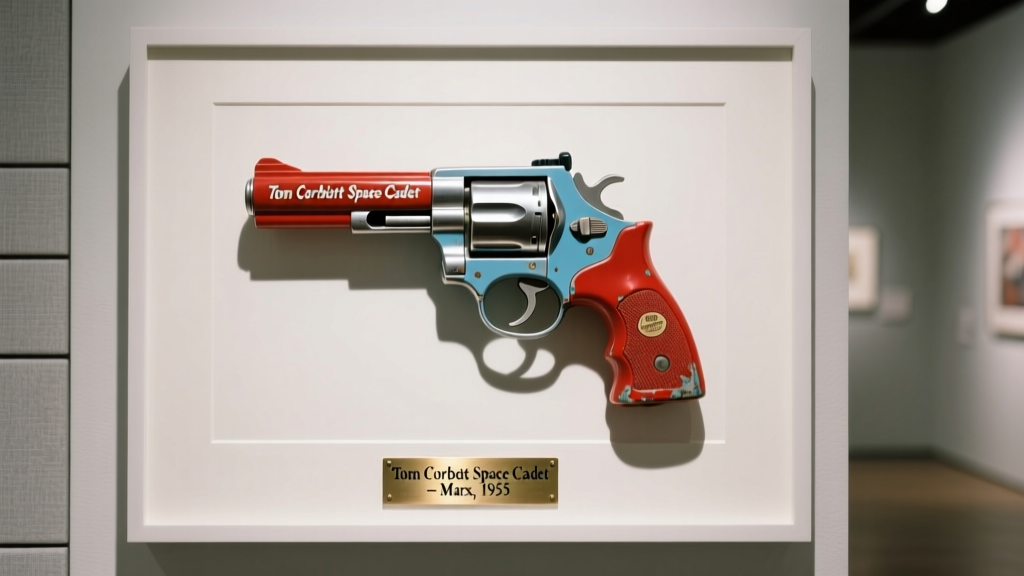
The Marx Tom Corbett Space Cadet Toy Gun: Authenticity, Design, and Market Value in the 1950s Collectibles Ecosystem
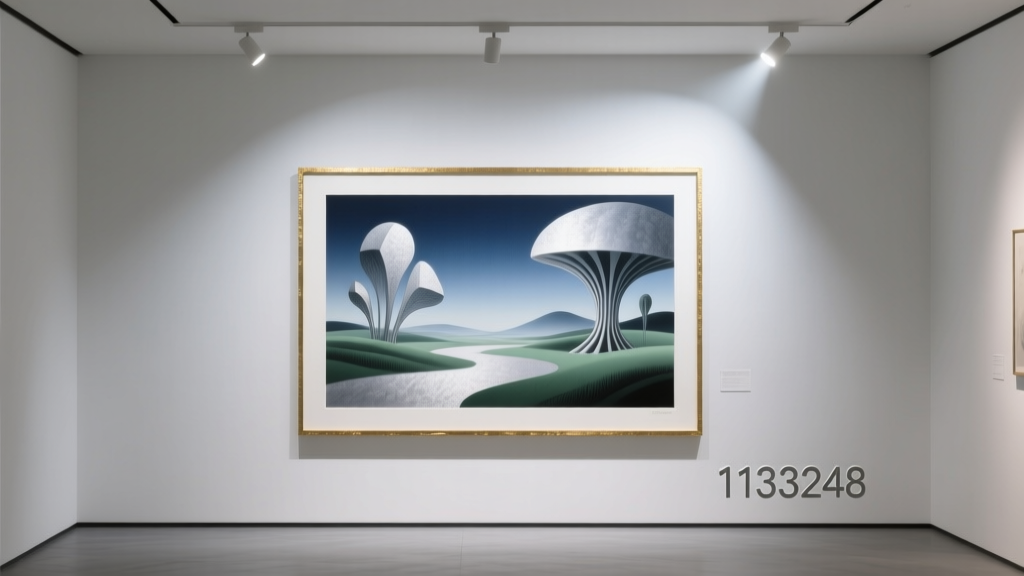
Authentication and Market Analysis of Print Number 1133248: A Technical Forensic Study of a Documented Editional Impression
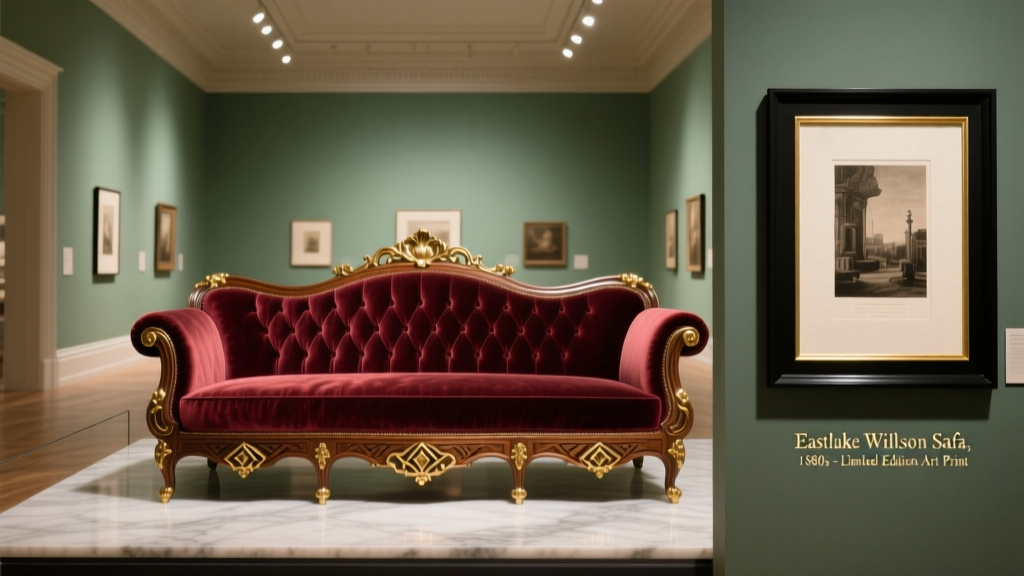
Eastlake Walnut Sofa with Ormolu Mounts: Authentication, Provenance, and Market Value of a 77-Inch Upholstered Masterpiece

Dinnerware Teapot Jubilee Celadon Homer Laughlin: Authentication, Value, and Production History
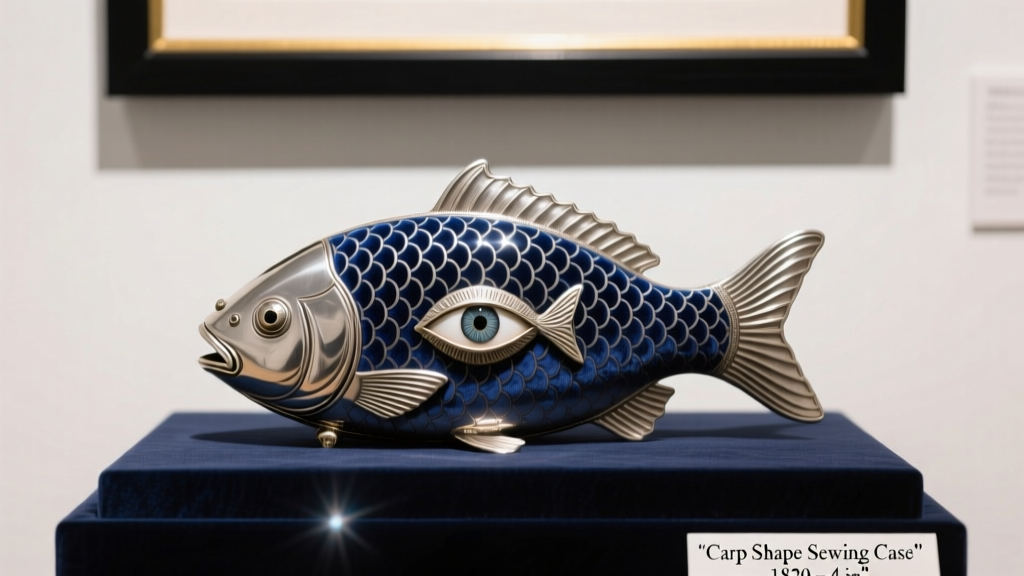
The 1820 Carp-Shaped Sewing Case: Silver-Plated Form, Blue Velvet Interior, and the Symbolism of Scale, Fin, and Eye
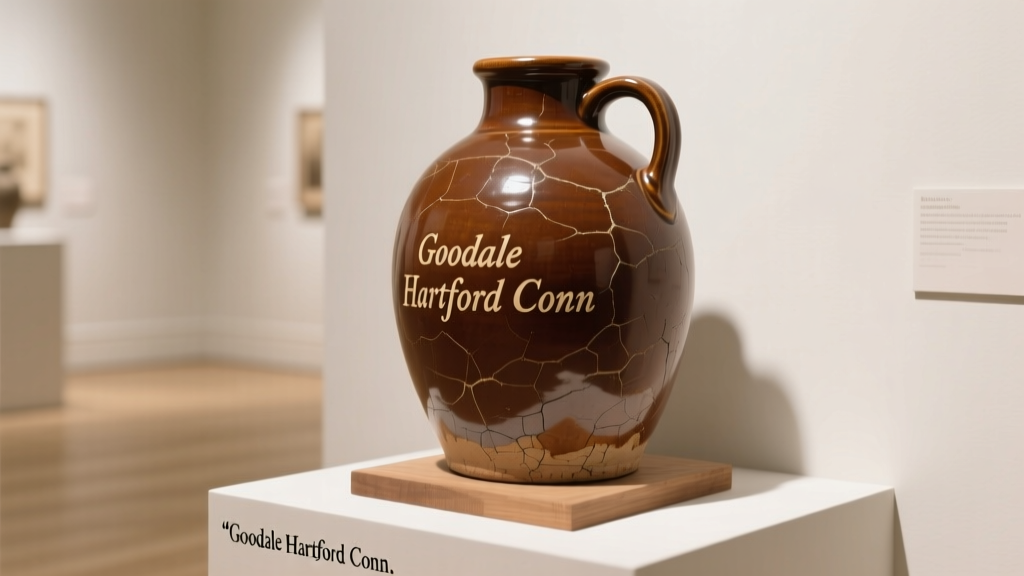
D. Goodale Stoneware Jug: Brown Glaze, Oval Form, Hartford, Connecticut, Circa 1820 — Authentication, Provenance, and Market Analysis

Lamps Aladdin B 55 Amber Crystal: Authentication, Market Value, and Technical Analysis of a Mid-Century Modern Icon
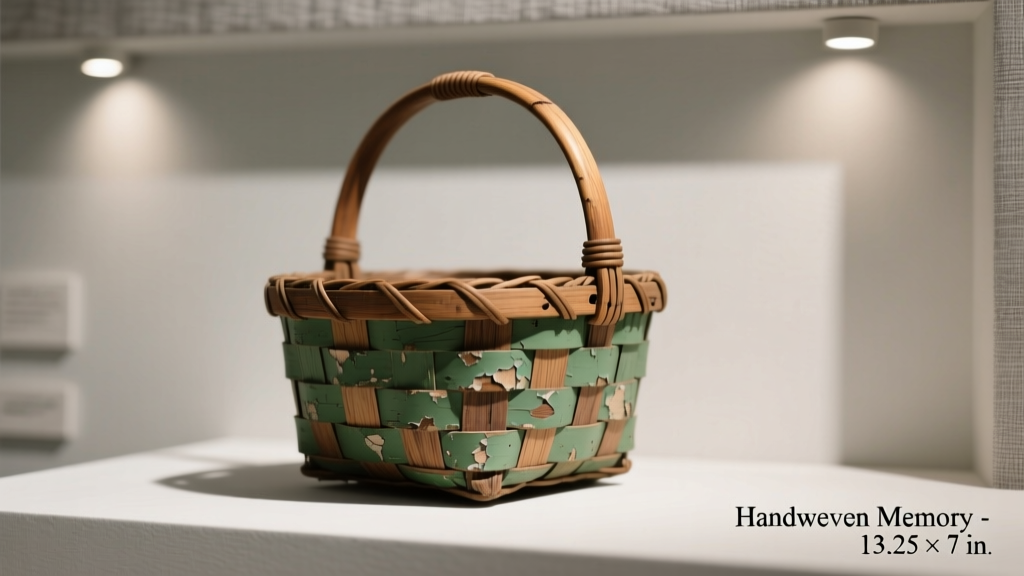
Authentication and Market Analysis of a Historic Splint Basket with Bentwood Handle and Original Green Paint: 13¼ × 7 Inches
Hall China Poppy Sugar Creamer: Authentication, Production History, and Market Value Analysis