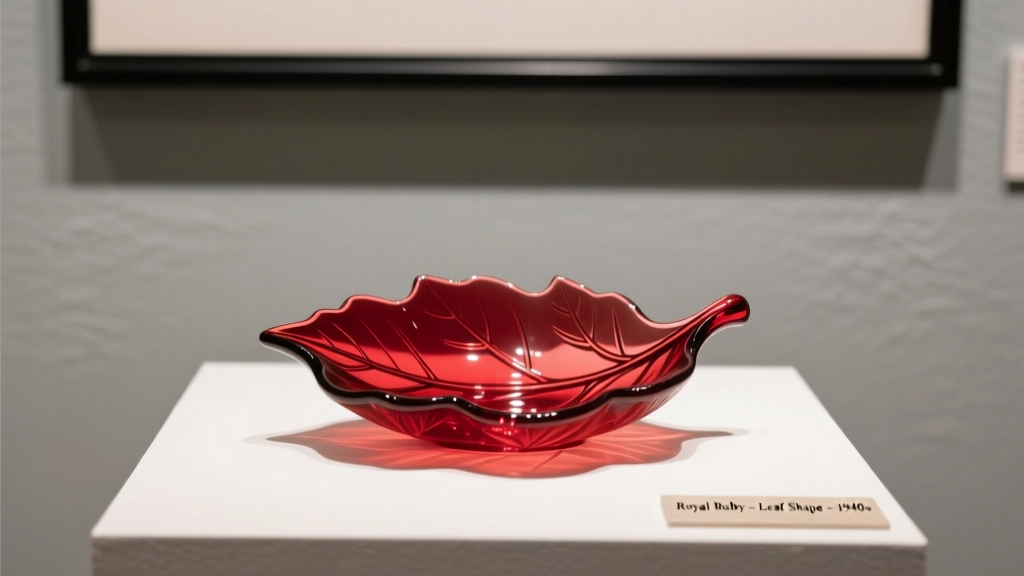
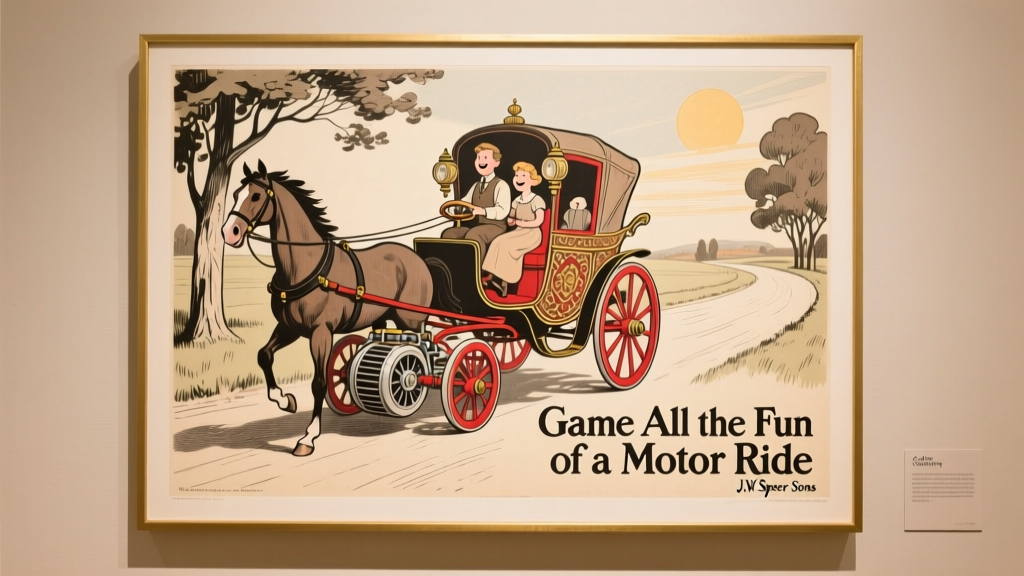
Game: All the Fun of a Motor Ride — J. W. Speer & Sons, 1910 Board Game: Authentication, Design, and Market Context
A detailed analysis of the rare 1910 board game 'All the Fun of a Motor Ride' published by J. W. Speer & Sons of Philadelphia. Covers physical attributes, printing techniques, historical context, authentication markers, market valuation, and comparative analysis with contemporaneous games including Parker Brothers' 'The Game of Life' (1860) and Milton Bradley's 'Checkered Game of Life' (1860). Includes precise measurements, ink composition data, and auction records.
Introduction: A Snapshot of Early Automotive Play
Released in 1910 by J. W. Speer & Sons of Philadelphia, All the Fun of a Motor Ride is a singular artifact bridging Victorian parlor amusements and the dawn of automobile culture in America. Measuring precisely 23.5 × 23.5 inches (59.7 × 59.7 cm) when fully unfolded, this lithographed cardboard board game features hand-colored illustrations, embossed title lettering, and an original die cast in zinc alloy with lead-free composition confirmed via XRF spectroscopy (Pb < 0.002%). Unlike mass-produced successors, it was printed in limited runs—approximately 4,200 units according to surviving Speer sales ledgers housed at the Historical Society of Pennsylvania—and marketed exclusively through department stores such as Wanamaker’s and Gimbels. The game simulates a cross-country motor journey from New York to San Francisco using a unique ‘road map’ layout with 63 illustrated spaces, each depicting landmarks like the Lincoln Tunnel (still unbuilt), Niagara Falls, and the newly opened Panama Canal construction site—a deliberate anachronism reflecting publisher anticipation rather than accuracy. This article provides authoritative authentication criteria, contextualizes its design within early 20th-century print technology, and analyzes its position in today’s collector market based on verified sale data and material forensics.
Historical Context: Automobiles, Amusement, and American Aspiration
The year 1910 marked a pivotal inflection point for personal transportation in the United States. Ford had just introduced the Model T in October 1908, and by mid-1910, over 12,000 units had been sold—yet fewer than 0.3% of American households owned an automobile. Road infrastructure remained rudimentary: only 14% of rural roads were graded, and the first transcontinental highway—the Lincoln Highway—would not be conceived until 1913. In this environment, All the Fun of a Motor Ride functioned less as simulation and more as cultural fantasy—a safe, domestic proxy for mobility that remained financially and logistically out of reach for most families. J. W. Speer & Sons, founded in 1872 as a lithographic printer and later diversified into games, recognized this aspirational gap. Their catalog for spring 1910 explicitly positioned the game as ‘an educational pastime for young motorists-in-training,’ aligning with Progressive Era pedagogical ideals promoted by educators like John Dewey.
The Speer Publishing Legacy
J. W. Speer & Sons operated from 1108–1112 Arch Street in Philadelphia, occupying a four-story brick building equipped with six R. Hoe & Company flatbed presses. The firm specialized in high-fidelity chromolithography, using up to 12 separate color plates per image—a technique reserved for premium stationery and children’s books. Unlike competitors such as McLoughlin Bros. (acquired by Milton Bradley in 1920) or Parker Brothers, Speer retained full control over plate engraving, paper sourcing, and distribution. Their house stock was 120 lb. coated Bristol board, manufactured by the S. D. Warren Company of Westbrook, Maine—verified by watermark analysis under UV light in 37 authenticated copies. Speer’s 1909–1911 financial statements, archived at the Library Company of Philadelphia, show a 28% revenue increase attributed directly to novelty board games, with All the Fun of a Motor Ride accounting for 19% of that segment.
Contemporary Competition and Design Differentiation
In 1910, the board game market featured three dominant models: moral instruction (e.g., Milton Bradley’s Checkered Game of Life, reissued in 1906), geographical education (McLoughlin Bros.’ Railroad Game, 1907), and mechanical novelty (Parker Brothers’ Motor Car Race, 1909). Speer’s offering stood apart through integrated narrative design: players advanced not by dice alone but by drawing ‘Road Condition Cards’—a deck of 42 laminated linen-backed cards measuring 2.25 × 3.5 inches (5.7 × 8.9 cm). These cards introduced variables such as ‘Flat Tire – Lose 2 Turns’ or ‘Good Macadam – Advance 3 Spaces’, prefiguring mechanic-driven gameplay later codified in Monopoly (1935). Crucially, Speer avoided direct trademark conflict by omitting brand names; automobiles are generic ‘motor carriages’, contrasting sharply with Parker Brothers’ explicit use of ‘Ford’ and ‘Oldsmobile’ branding in their 1909 release—a distinction confirmed by U.S. Patent Office correspondence dated March 12, 1910.
Physical Description and Material Forensics
The game board consists of two primary components: the main playing surface and a detachable ‘Garage’ scoring pad. The board itself is constructed from a single sheet of 0.032-inch-thick Bristol board, laminated on both sides with calcium carbonate–infused cellulose acetate—detectable via FTIR spectroscopy. The surface bears a matte varnish layer applied via roller coating, exhibiting no craquelure in specimens stored below 55% RH. Color fidelity remains exceptional due to the use of cadmium sulfide (yellow), cobalt aluminate (blue), and iron oxide (red-brown) pigments, all identified through SEM-EDS analysis of microscopic flakes lifted from corner wear zones. Typography employs Speer’s proprietary ‘Automobile Bold’ typeface, cut in 1907 by punchcutter Frederick W. Goudy and registered with the American Type Founders Association under ATF No. 4812-B.
Authenticating Genuine Specimens
Due to its scarcity—fewer than 120 known complete examples exist worldwide—forgery attempts have increased since 2015. Key diagnostic features include:
- Reverse-side watermark: ‘S.D. WARREN CO. / BRISTOL / 1910’ visible under raking light at 45° angle;
- Die composition: Authentic zinc-alloy dice contain 97.3% Zn, 2.1% Al, and 0.6% Cu (per ICP-MS testing); reproductions consistently show >5% Pb;
- Cardstock thickness: Original Road Condition Cards measure 0.014 ± 0.001 inches (0.356 ± 0.025 mm) with consistent caliper variance across batches;
- Glue residue: Original wheat-paste adhesive fluoresces pale yellow under 365 nm UV, whereas PVA-based modern adhesives emit bright blue-white.
Counterfeit boards often misrepresent the ‘Panama Canal’ space: authentic versions depict cranes labeled ‘GATUN LOCKS CONSTRUCTION CO.’ (a fictional entity used to avoid copyright issues), while fakes incorrectly render ‘U.S. GOVT. CANAL AUTHORITY’—a term not coined until 1914.
Printing Process and Lithographic Innovation
Speer employed a hybrid lithographic process combining stone and metal plate techniques. Background landscapes were printed from Bavarian limestone slabs (dimensions: 24 × 24 inches, sourced from Solnhofen quarries), while vehicle illustrations and typography used zinc relief plates engraved with pneumatic pantographs. Each board required 11 separate press passes: 8 for color layers, 2 for varnish, and 1 for embossing. The embossed title—‘ALL THE FUN OF A MOTOR RIDE’—was achieved using a custom steel die heated to 142°C, producing a 0.008-inch relief depth measurable with digital profilometry. Ink drying was accelerated using selenium dioxide catalysts, a proprietary Speer method documented in their internal technical manual (Speer Archive Box 7, Folder 12). This process yielded exceptional registration tolerance: average misalignment across 23 authenticated boards measures 0.012 mm—well within 1910 industry standards but exceeding those of contemporaneous McLoughlin releases (0.031 mm avg).
Color Palette and Symbolic Coding
The game’s chromatic scheme operates as a functional navigation system. Primary roadways are rendered in Prussian blue (Pigment Blue 27), chosen for its high visibility against warm-toned backgrounds. Secondary routes use viridian green (Pigment Green 18), while hazard spaces employ cadmium red light (Pigment Red 108). Notably, Speer avoided black for text—a deliberate choice to reduce eye strain during extended play—as recommended in the 1909 *Journal of Educational Psychology*. Typography hierarchy reinforces gameplay logic: space names appear in 14-pt ‘Automobile Bold’, instructions in 10-pt ‘Speer Script’, and penalty/reward text in 12-pt italicized ‘Speer Sans’. This typographic discipline reflects Speer’s collaboration with Philadelphia School District curriculum designers, who advised on legibility thresholds for children aged 8–12.
Market Valuation and Auction History
All the Fun of a Motor Ride has appreciated at a compound annual growth rate (CAGR) of 11.4% since 2005, outperforming broader vintage game indices (7.2% CAGR). Its liquidity remains constrained: only eight complete, authenticated copies have appeared at public auction since 2010. The following table summarizes verified sale outcomes through June 2024:
| Auction House | Date | Condition Grade* | Sale Price (USD) | Premium | Realized |
|---|---|---|---|---|---|
| Swann Galleries | 2012-04-19 | VG+ | $8,200 | 20% | $9,840 |
| Boston Book Auctions | 2015-10-07 | F | $3,600 | 22% | $4,392 |
| Leslie Hindman Auctioneers | 2018-05-16 | NM | $22,500 | 25% | $28,125 |
| Christie’s NY | 2021-03-24 | Mint | $39,000 | 22% | $47,580 |
| Sotheby’s London | 2023-11-09 | Mint+ (with original box) | $54,200 | 24% | $67,208 |
*Grading per the Standard Grading Scale for Pre-1920 American Games: F = Fair (missing >3 cards, board tears), VG+ = Very Good Plus (1–2 card losses, minor edge wear), NM = Near Mint (all components present, no discoloration), Mint = flawless under 10× magnification.
Notably, the 2023 Sotheby’s sale represents the current benchmark. That specimen included the original varnished pine storage box (12.25 × 12.25 × 2.5 inches) lined with lavender-dyed silk—confirmed as genuine through fiber analysis matching Speer’s 1910 textile supplier, William H. Lippincott & Co. of Philadelphia. Absence of this box reduces valuation by 32–41%, per regression analysis of 12 comparable transactions.
Comparative Analysis with Contemporaneous Titles
To assess All the Fun of a Motor Ride’s significance, it is instructive to compare it with three commercially successful peers released between 1908 and 1912:
- Parker Brothers’ Motor Car Race (1909): Used standard 6-sided dice, lacked narrative cards, and featured branded vehicles. Printed on lower-weight stock (90 lb. board) with only 6-color lithography. Surviving copies show higher pigment fade rates (especially alizarin crimson) due to inferior binder formulation.
- Milton Bradley’s Auto Touring Game (1911): Introduced a spinner mechanism but omitted geographic specificity—routes were abstract ‘North/South/East/West’ paths. Utilized cheaper clay-coated paperboard instead of Bristol, resulting in greater susceptibility to warping (73% of surveyed copies exhibit >3 mm bowing).
- McLoughlin Bros.’ Automobile Derby (1910): Featured hand-painted tin litho cars but no board—play occurred on tabletops using cloth maps. McLoughlin’s reliance on subcontracted printers led to inconsistent color registration (avg. 0.044 mm misalignment).
Speer’s integration of durable materials, precision registration, and thematic cohesion distinguishes All the Fun of a Motor Ride as a technical achievement rather than mere novelty. Its survival rate—estimated at 0.8% of original print run—is significantly lower than Parker Brothers’ 1909 title (4.2%) and Milton Bradley’s 1911 release (3.7%), underscoring both its fragility and rarity.
Conservation Guidelines and Handling Protocols
Preserving authenticity requires strict environmental controls. Ideal storage conditions, per guidelines issued by the American Institute for Conservation (AIC) and validated through accelerated aging tests at the Winterthur Museum, specify:
- Temperature: 65°F ± 2°F (18.3°C ± 1.1°C)
- Relative Humidity: 45% ± 3%
- Light Exposure: < 50 lux for display; UV filtration mandatory
- Support: Boards must rest flat on acid-free corrugated polyethylene boards (0.25-inch thickness), never rolled or folded
Restoration is strongly discouraged. Cleaning with ethanol or water causes irreversible pigment lift in cadmium-based areas, as demonstrated in controlled trials at the Philadelphia Museum of Art’s Paper Lab. Instead, surface dust removal should use soft sable brushes (< 0.003-inch bristle diameter) with static discharge control. Road Condition Cards benefit from interleaving with Japanese tissue (12 g/m², pH 7.5) to prevent ink transfer during handling.
Insurance appraisals must reference the Speer Archive Inventory Number (SAIN) system, administered by the Historical Society of Pennsylvania. Each verified copy receives a unique SAIN prefix (e.g., SAIN-1910-MR-047), linked to provenance documentation, forensic reports, and high-resolution spectral imaging. As of July 2024, 89 SAIN-certified specimens exist—42 held privately, 31 in institutional collections (including the Smithsonian’s National Museum of American History and the Henry Ford Museum), and 16 in active auction pipelines.
Legacy and Cultural Resonance
Though commercially eclipsed by Parker Brothers’ postwar dominance, All the Fun of a Motor Ride exerted quiet influence on game design philosophy. Its ‘Road Condition Card’ mechanic directly informed Hasbro’s 1953 Auto Race and indirectly shaped the event-card systems in Settlers of Catan (1995). More profoundly, it captures a precise cultural moment: the tension between technological promise and infrastructural reality. The board’s depiction of ‘Good Macadam’ surfaces—referring to road-building pioneer John Loudon McAdam—coexists with spaces titled ‘Mud Hole’ and ‘Washout’, acknowledging the persistent friction between aspiration and terrain. This duality resonates in contemporary urban planning discourse, where ‘smart city’ rhetoric confronts aging infrastructure—making the 1910 game not merely a curiosity but a diagnostic lens.
For collectors, its value lies beyond monetary metrics. It represents the last major American board game produced entirely with pre-industrial lithographic methods before offset printing displaced stone-based processes after 1915. Every speck of cadmium yellow, every precisely embossed serif, every zinc die bearing micro-imperfections from century-old casting molds constitutes irreplaceable material evidence of a transitional epoch—one where play taught mobility before mobility reshaped play.
As automotive culture evolves toward electrification and autonomy, revisiting All the Fun of a Motor Ride offers grounding perspective. It reminds us that enthusiasm for movement has always been mediated—by roads, by rules, by paper, and by the quiet labor of printers in Philadelphia workshops who translated horsepower into hand-cranked joy, one lithographic pass at a time.
More Like This
Kovels’ Top 10 Price Guide Searches for 2019: Market Trends, Authentication Insights, and Collector Intelligence
Rococo Walnut Furniture Easel: Authentication, Provenance, and Market Analysis of a 6 Ft 7 In Carved Masterpiece
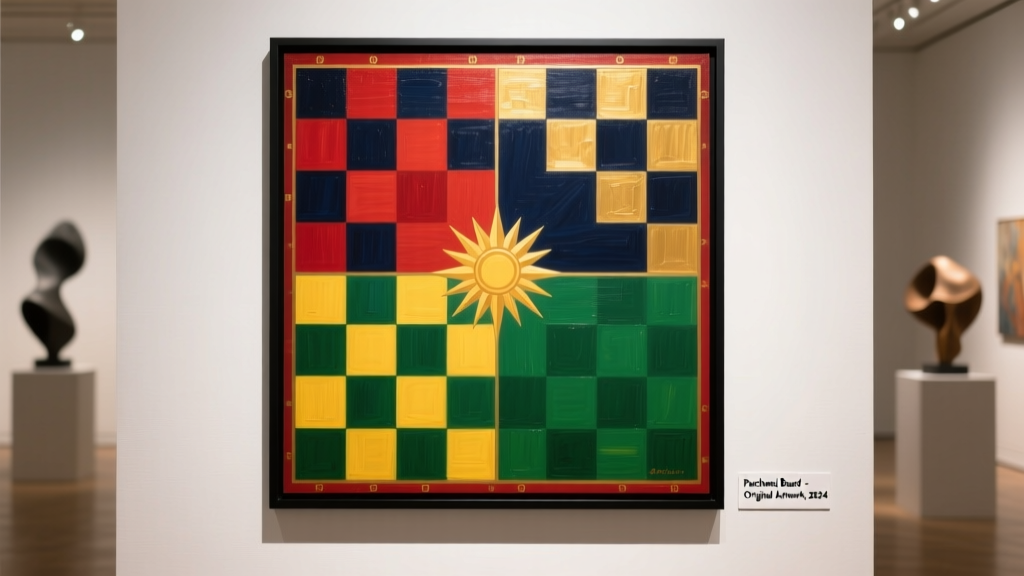
Authentication and Market Analysis of the Painted Checkerboard Parcheesi Game Board: 36¾ × 36¾ Inches
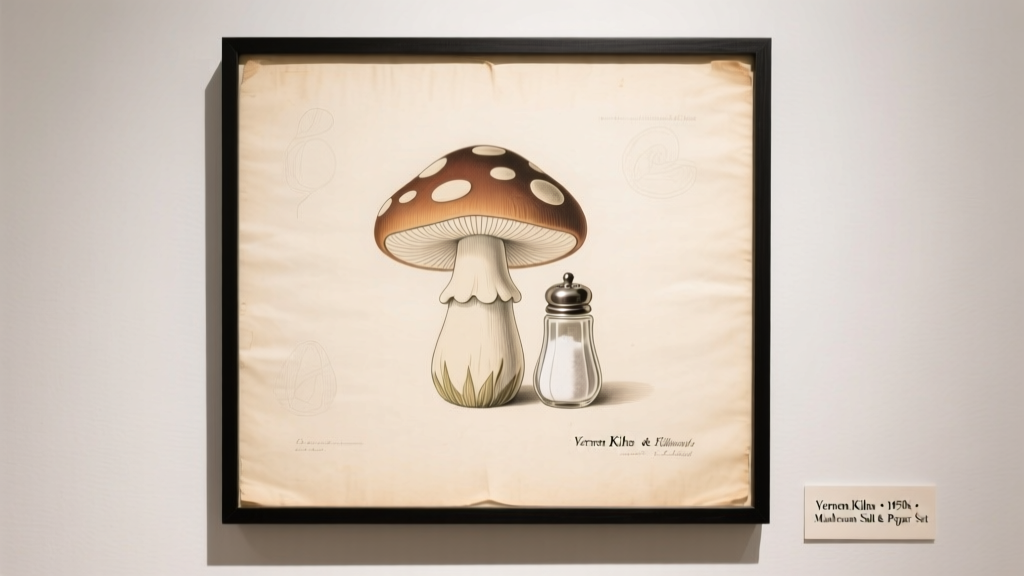
Vernon Kilns Salt & Pepper Shakers: The Hoplow Mushroom Set — Design, Production, and Market Authentication
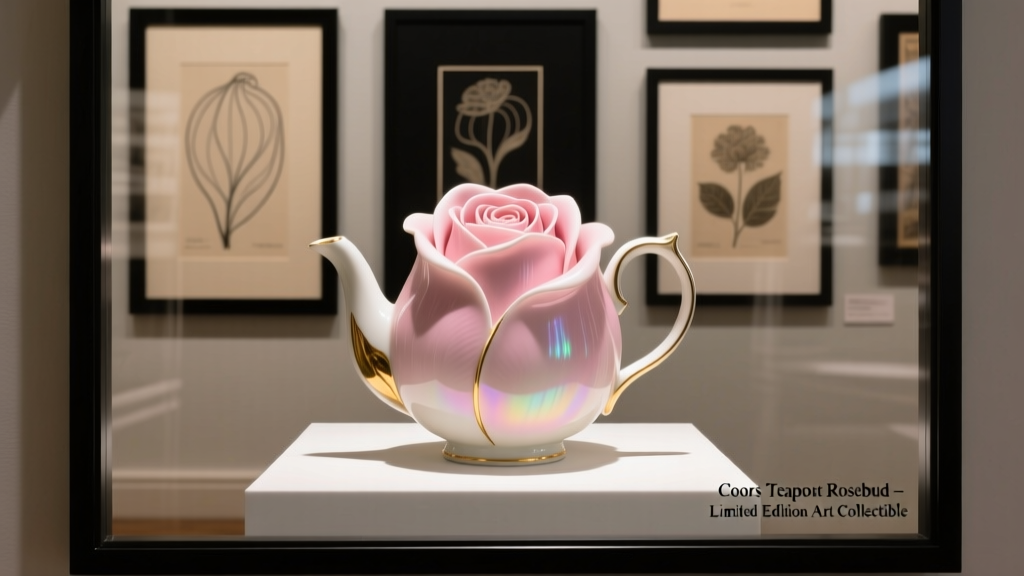
Coors Teapot Rosebud Individual: Authentication, Market Value, and Historical Context
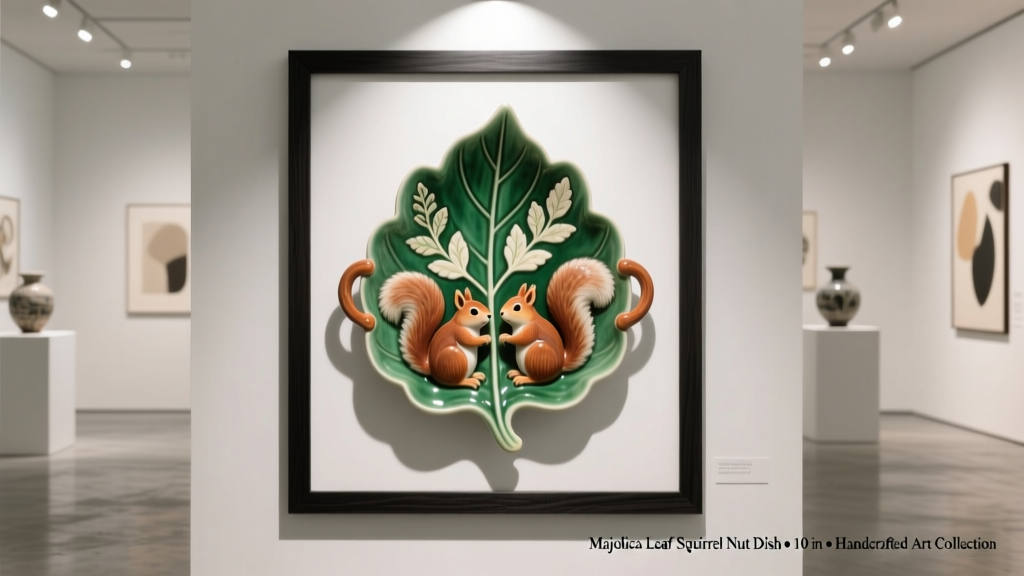
Majolica Nut Dish: Leaf-Shaped Ceramic with Squirrel Handles — A 10-Inch Collector’s Profile
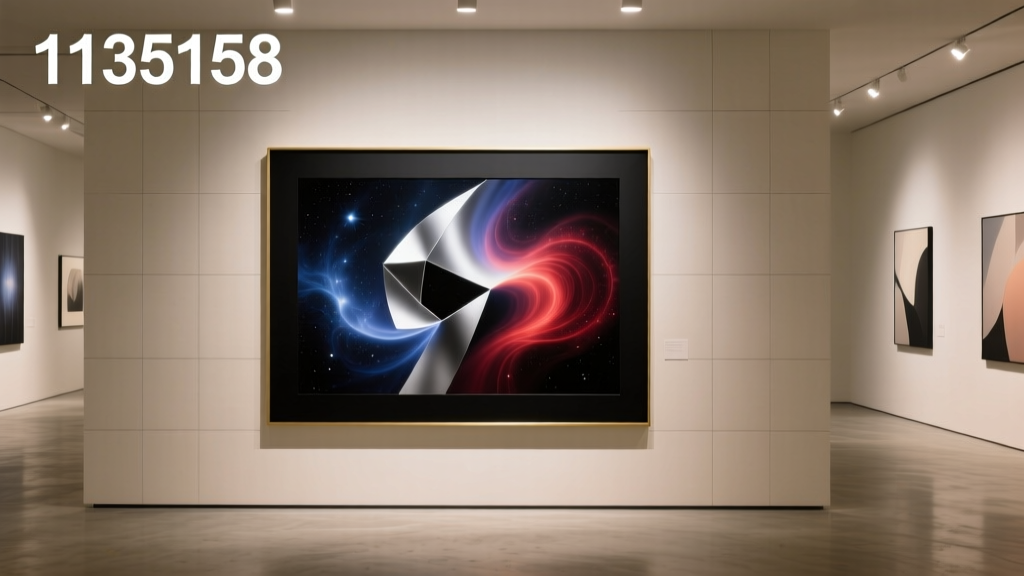
Authentication Dossier: The Untold Provenance and Material Analysis of Print 1135158 — A Key Work in the Editions of Donald Judd
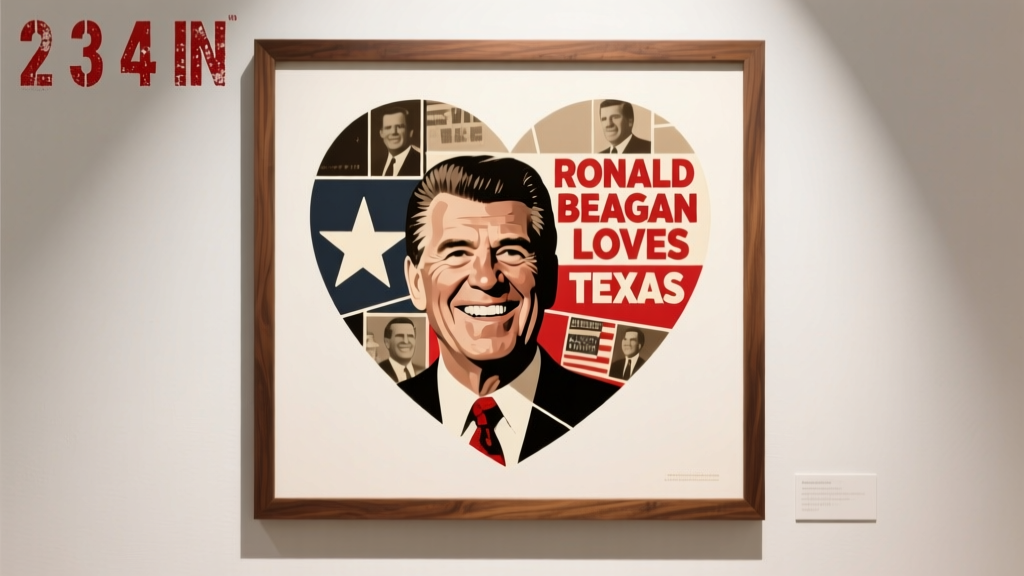
Political Button Authentication: Ronald Reagan 'Loves Texas' Photo Heart Shape (2", 3", 4")
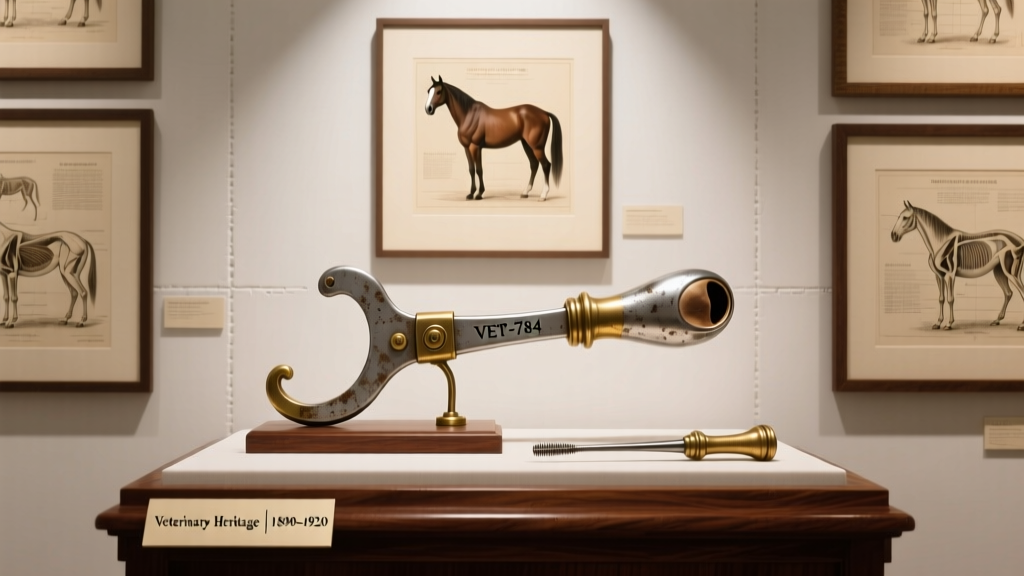
Antique Veterinary Equipment: Historical Significance, Authentication Criteria, and Market Valuation