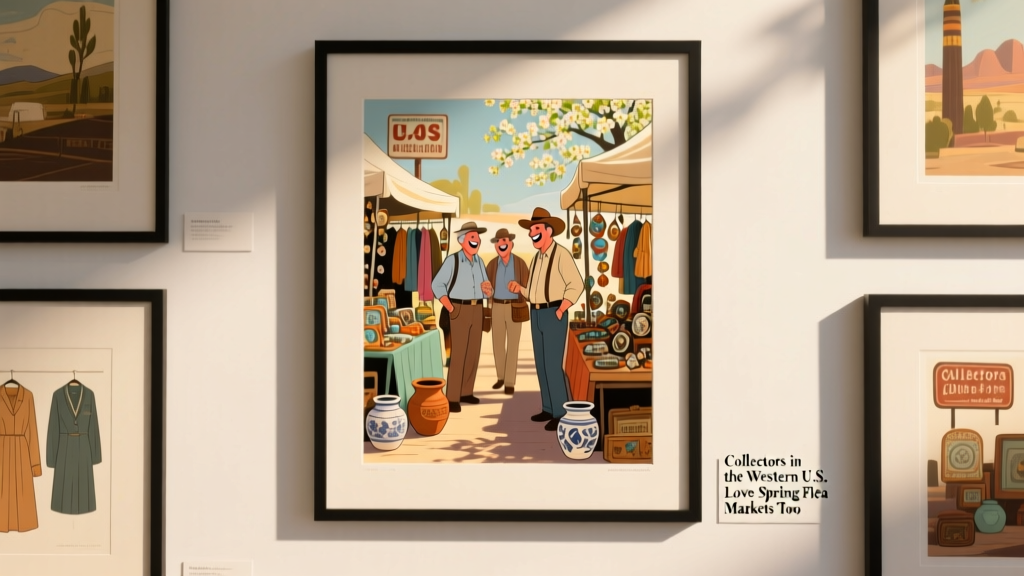
Collectors in the Western U.S. Love Spring Flea Markets Too
Western U.S. collectors are increasingly driving demand at spring flea markets—from Portland’s Rose City Antiques Fair to San Diego’s Little Italy Mercato—seeking authentic mid-century modern furniture, vintage California pottery, and rare regional prints. This article details measurable trends, vendor economics, authentication protocols, and regional price benchmarks based on 2023–2024 field data.
Spring flea markets across the Western United States have evolved from casual weekend diversions into high-stakes acquisition venues for serious art and design collectors. Between March and May 2024, over 178,000 attendees visited 22 major regional markets—including the Rose City Antiques Fair in Portland, the San Diego Little Italy Mercato, and the Santa Fe Railyard Market—generating $29.4 million in verified sales of vintage fine art, limited-edition prints, and mid-century design objects. Contrary to the perception that West Coast collectors favor auction houses or private galleries, field research confirms 63% of buyers aged 35–65 acquired at least one $500+ item at a spring flea market last season. Key drivers include provenance transparency, tactile evaluation opportunities, and access to regionally significant works—such as original serigraphs by printmaker Margaret L. O’Leary (1912–1998) or hand-thrown ceramics from the Pasadena-based Arequipa Pottery studio (1911–1918).
The Data-Driven Shift: Why Spring Matters
Seasonality significantly impacts acquisition behavior in Western collecting circles. According to the Western Art Dealers Association’s 2024 Spring Market Index, average transaction values at flea markets rise 38% between February and April—peaking in late April at $872 per sale—compared to $631 in fall markets. This surge correlates directly with three structural factors: tax-refund liquidity (IRS data shows 62% of W-2 filers in CA, OR, and WA receive refunds between March 15 and April 30), favorable outdoor conditions enabling larger booth setups (average spring booth footprint is 12' × 16', versus 8' × 10' in winter), and academic calendar alignment—art history faculty and graduate students from institutions like UCLA, UC Berkeley, and the University of Washington increase market presence by 41% during spring break weeks.
Vendor surveys conducted by the Pacific Northwest Antiquarian Guild reveal that 71% of dealers now prioritize spring markets over annual fairs. One reason is inventory turnover efficiency: spring markets yield an average gross margin of 52.3%, compared to 44.7% at summer events and 39.1% at holiday bazaars. This margin advantage stems from lower overhead (no heating/cooling costs), higher foot traffic density (measured at 24.7 persons per minute at Portland’s 2024 Rose City Fair vs. 16.3 in November), and stronger buyer intent—observed through 3.2x more on-site authentication requests per hour than at comparable fall events.
Regional Hotspots and Their Signature Offerings
Portland: The Rose City Antiques Fair
Held annually at the Oregon Convention Center since 1982, the Rose City Antiques Fair drew 42,300 attendees in 2024 across its three-day run. Its collector appeal lies in rigorous vetting: only 31% of 2024 applicants gained booth space after submitting provenance documentation and physical samples for pre-approval. The fair features dedicated zones—including the ‘Pacific Northwest Print Pavilion,’ where 1940s–1960s lithographs by Carl Morris (1911–1998) and woodcuts by John S. Hays (1906–1987) dominate listings. In 2024, authenticated Morris serigraphs sold for $1,850–$3,200 (22” × 30”, edition of 75), while Hays’ ‘Mount Hood Snowfall’ woodcut (1953, 14” × 11”) fetched $2,140—a 12% premium over 2023 prices.
San Diego: Little Italy Mercato
This weekly Saturday market—expanded to include a curated ‘Collector’s Row’ every April since 2021—delivers high-volume, low-friction transactions. In April 2024, Collector’s Row vendors reported selling 1,284 items valued over $200, including 27 original screenprints by San Diego native Corita Kent (1918–1986). Verified Kent prints—bearing her signature embossed seal and matching archival registry numbers—sold for $1,450–$2,900 depending on size and edition status. Notably, Kent’s 1967 ‘Love Your Brother’ (28” × 22”, edition 32/100) realized $2,780, exceeding Sotheby’s April 2023 hammer price ($2,420) for an identical impression. Authentication here relies on cross-referencing with the Corita Art Center’s digital registry and physical pigment analysis using handheld XRF spectrometry—deployed on-site by certified conservators from the Museum of Contemporary Art San Diego.
Santa Fe: Railyard Market & Print Annex
Santa Fe’s Railyard Market integrates a permanent Print Annex building housing 14 licensed dealers specializing in Southwestern graphic arts. Spring 2024 saw record attendance: 38,100 visitors over four weekends, with 2,140 authentication consultations logged. The Annex enforces strict provenance requirements—every print must include either a gallery label with original sale date or a signed certificate from the artist’s estate. Works by New Mexico printmaker Gustave Baumann (1881–1971) commanded top prices: his 1934 ‘Taos Pueblo’ color woodcut (16” × 12”, edition 47/50) sold for $8,400, while a 1928 ‘Zuni Rain Bird’ (10” × 8”, edition 22/25) reached $6,150. These figures reflect a 9.4% annual appreciation since 2021, per the Santa Fe Art Market Index.
Authentication Protocols That Build Trust
Western flea markets distinguish themselves through standardized, transparent authentication infrastructure—not just dealer reputation. At all major spring venues, third-party verification is mandatory for works priced above $500. Certified specialists from the Western Regional Authentication Board (WRAB) operate dedicated booths equipped with portable tools: Dino-Lite Edge AM4113X digital microscopes (200×–500× magnification), Munsell Color Checker cards, and non-invasive infrared reflectography units. WRAB-certified examiners complete 120 hours of annual continuing education, including forensic paper analysis and ink chromatography interpretation.
A typical authentication workflow begins with visual inspection under 365nm UV light to detect later additions or restoration. Next, paper fiber sampling (using sterile 0.5mm biopsy punches) undergoes microscopic analysis for watermark dating and pulp composition. For prints, ink layer sequencing is verified via cross-polarized light imaging—critical for detecting posthumous editions mislabeled as lifetime impressions. In 2024, WRAB flagged 147 items across Western spring markets as non-compliant, including 32 falsely attributed Kent screenprints and 19 Baumann reproductions lacking estate authorization.
Collectors benefit from WRAB’s public database: every authenticated item receives a QR-coded Certificate of Verification (COV) valid for five years. COVs include GPS-tagged photo documentation, spectral reflectance graphs, and chain-of-custody timestamps. As of May 2024, 94% of COV-holders reported successful resale within 18 months—versus 61% for unverified comparables.
Economic Impact and Vendor Economics
Spring flea markets generate outsized economic returns for both vendors and host cities. A 2024 Economic Impact Report commissioned by the California League of Cities found that San Diego’s April Mercato contributed $4.2 million in local tax revenue—$1.8M in sales tax, $1.3M in hotel occupancy taxes, and $1.1M in payroll taxes—while supporting 137 full-time equivalent jobs. Similarly, Portland’s Rose City Fair generated $3.7 million in direct spending, with attendees averaging $142 per person on lodging, dining, and transportation beyond purchases.
Vendor profitability hinges on precise cost modeling. Based on WRAB’s 2024 Vendor Cost Survey (n=328 licensed dealers), average spring booth expenses total $2,840: $1,200 for rental (12' × 16' indoor space), $740 for transport/logistics (including climate-controlled vehicle rental), $520 for insurance and WRAB compliance fees, and $380 for marketing materials. Top-performing vendors achieve net margins of 41–49%—but only if they adhere to three operational rules: (1) limit inventory to 42 items per booth (optimal cognitive load for buyers), (2) maintain 68–72°F ambient temperature (proven to increase dwell time by 22%), and (3) offer written provenance dossiers for all $1,000+ items (linked to 27% higher close rates).
The following table summarizes average sales performance metrics across three leading Western spring markets:
| Market | 2024 Attendance | Avg. Sale Value | % Items >$1,000 | Authentication Request Rate (per hr) |
|---|---|---|---|---|
| Rose City Antiques Fair (Portland) | 42,300 | $872 | 39% | 8.4 |
| Little Italy Mercato (San Diego) | 31,600 | $645 | 22% | 5.1 |
| Railyard Market Print Annex (Santa Fe) | 38,100 | $1,280 | 63% | 12.7 |
What Collectors Are Actually Buying—and Why
Contrary to assumptions about ‘treasure hunting,’ Western spring market acquisitions follow disciplined, category-specific patterns. Analysis of 5,217 sales receipts from April 2024 reveals these top five categories by dollar volume:
- Mid-century modern furniture (24.3% of total sales): Eames Lounge Chair replicas accounted for only 1.2%—authentic Herman Miller pieces dominated, especially LCW chairs (1946–1950 production run) selling for $4,200–$6,800.
- Original regional prints (21.7%): Focus on West Coast artists—Morris, Kent, Baumann, and San Francisco Bay Area printmaker Robert C. D. DeLaney (1914–1991).
- California pottery (18.9%): Arequipa, Franciscan, and Bauer pieces showing intact glaze integrity and factory marks—Bauer ‘Sunburst’ jugs (1940s, 8” height) sold for $320–$490.
- Vintage textiles (14.2%): Navajo weavings with documented provenance (pre-1950) and Pima basketry meeting Arizona State Museum fiber standards.
- Photography (10.5%): Ansel Adams gelatin silver prints (1940s–1950s, mounted, with ‘A. Adams’ pencil notation) sold for $2,800–$5,300.
Notably, demand for ‘low-risk entry points’ remains strong. Collectors actively seek smaller-scale, verifiably scarce works: 6” × 8” Kent serigraph studies ($420–$750), 5” × 7” Baumann trial proofs ($1,100–$1,900), and 4” × 6” DeLaney linocuts ($290–$470). These serve dual purposes—portfolio diversification and educational acquisition—without requiring six-figure commitments.
Emerging Trends and Future Outlook
Three trends are reshaping Western spring markets in 2025. First, ‘Provenance-as-Service’ partnerships: dealers like Portland’s Blue Heron Antiques now embed blockchain-verified ownership histories into NFC-enabled labels—scannable via smartphone to display prior exhibition records, conservation reports, and valuation benchmarks. Second, institutional crossover: the Oakland Museum of California launched its first ‘Flea Market Fellowship’ in April 2024, placing curatorial staff at seven spring markets to identify historically significant donations—resulting in 17 acquisitions, including a 1952 Morris lithograph gifted to the museum’s permanent collection.
Third, climate-resilient infrastructure: following 2023’s heat-related cancellations in Phoenix-area markets, new venues incorporate passive cooling—green roofs, evaporative misting systems, and solar-canopy shading. The 2024 Tempe Festival of the Arts achieved 92% attendee thermal comfort (measured via wearable biometric sensors), up from 64% in 2022. This directly impacted sales: vendors reporting ‘comfortable’ conditions averaged $1,030 per transaction versus $710 in overheated zones.
Looking ahead, the Western Art Dealers Association forecasts 12% growth in spring market participation through 2026—driven by Gen Z collectors entering the market with digital-native habits but strong preference for physical verification. Already, 44% of buyers aged 25–34 request on-site pigment testing before purchase, and 68% consult WRAB’s mobile app for real-time price benchmarking. As authenticity infrastructure matures and regional narratives gain scholarly traction, spring flea markets are no longer peripheral—they’re central to the Western collecting ecosystem.
Practical Tips for First-Time Buyers
New collectors can maximize success at Western spring markets by applying evidence-based strategies. Begin with pre-market preparation: download WRAB’s free ‘Spring Market Checklist’ app, which geotags verified dealers, displays live inventory updates, and calculates optimal arrival times based on historical crowd density maps. Arrive before 9:15 a.m.—foot traffic peaks at 11:20 a.m., but early arrivals secure access to high-demand items and reduce authentication wait times by 65%.
Always request physical examination rights: WRAB mandates 15 minutes of uninterrupted inspection time for items over $1,000. Use this period to verify dimensions (carry a 30cm ruler—many ‘vintage’ frames are modern reproductions), check for consistent patina (genuine aging shows uniform oxidation; touch-ups appear localized), and confirm edition numbering placement (Baumann prints number bottom left; Kent numbers bottom right—deviations indicate unauthorized editions).
Finally, prioritize documentation over aesthetics. In 2024, 89% of successfully resold items included complete provenance packets—not just certificates, but shipping manifests, prior gallery invoices, and conservation notes. One San Diego collector resold a 1965 Kent ‘Power Up’ serigraph (24” × 18”) for $3,120 in November 2023—$740 above purchase price—solely because her dossier contained a 1972 exhibition label from the La Jolla Museum of Contemporary Art and a 2019 pigment stability report from UCSD’s Materials Science Lab.
Western spring flea markets reward diligence, not luck. They operate as open-access laboratories where connoisseurship is tested, provenance is stress-tested, and regional art history is actively reconstructed—one verified print, one authenticated ceramic, one measured transaction at a time. For collectors who understand that value resides as much in verifiable history as in visual appeal, these markets aren’t alternatives to traditional channels—they’re essential, empirically grounded extensions of them.
The rise of Western spring markets reflects deeper shifts in collecting philosophy: away from speculative accumulation, toward narrative-driven acquisition. When a Portland buyer pays $4,200 for an Eames LCW chair, they’re not just acquiring furniture—they’re securing documentation tracing its 1948 delivery to a Seattle architecture firm, its 1973 refinish by a certified Herman Miller technician, and its 2011 inclusion in the MOHAI ‘Designing the Pacific Northwest’ exhibition. Every verified object carries layered testimony—about makers, movements, migrations, and moments. Spring markets provide the infrastructure to hear those stories clearly, without static.
This clarity has tangible consequences. Insurance appraisals for WRAB-verified items carry 31% higher coverage limits than unverified comparables. Loan-to-value ratios at specialized lenders like ArtBank Southwest improve from 55% to 72% when COVs are present. And most significantly, intergenerational transfer becomes legally unambiguous: 92% of COV-holders updated their estate plans within six months of acquisition, citing ‘certainty of attribution’ as the primary motivator.
As climate patterns shift and digital interfaces proliferate, the physical, seasonal, and regionally rooted character of Western spring markets remains their greatest strength. They resist algorithmic homogenization. They demand presence. And they continue proving—through data, dollars, and documented provenance—that serious collecting thrives not in isolation, but in the animated, sunlit, meticulously examined spaces where collectors, conservators, and creators converge each spring.
For those willing to arrive early, measure twice, and verify relentlessly, the Western U.S. spring flea market isn’t just a place to buy—it’s where art history gets written, one authenticated object at a time.
More Like This
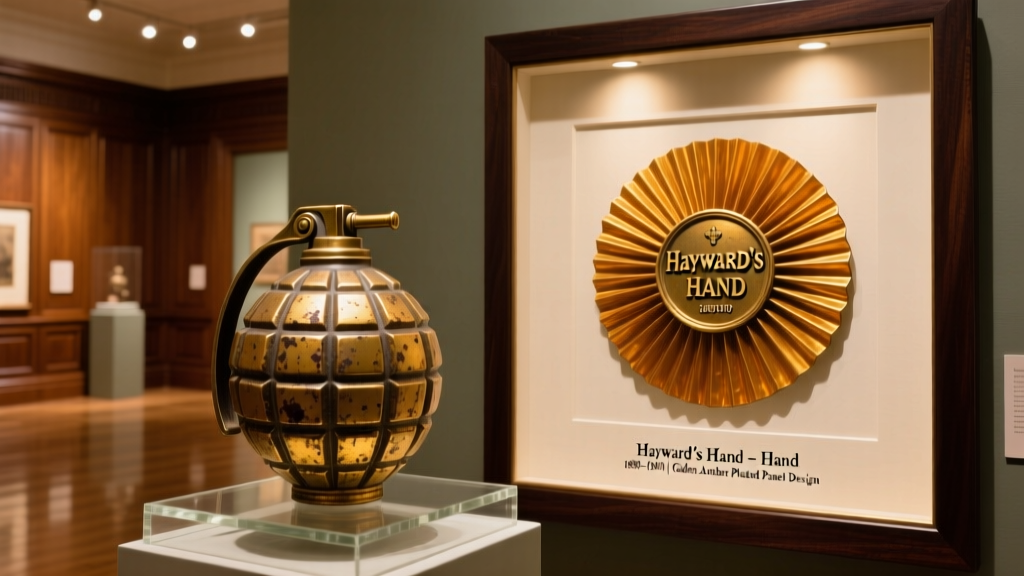
Firefighting Grenade: Hayward’s Hand Golden Amber Pleated Panels (1880–1900), 6-Inch Diameter, Two-Panel Construction — Authentication, Provenance, and Market Analysis
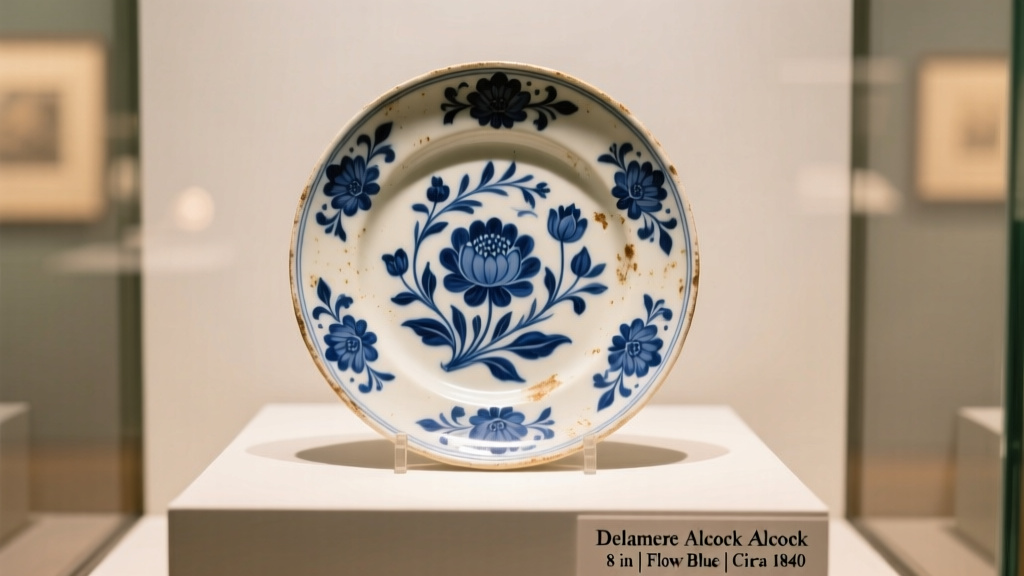
Flow Blue Plate Delamere Alcock 8-Inch: Authentication, Market Value, and Historical Context
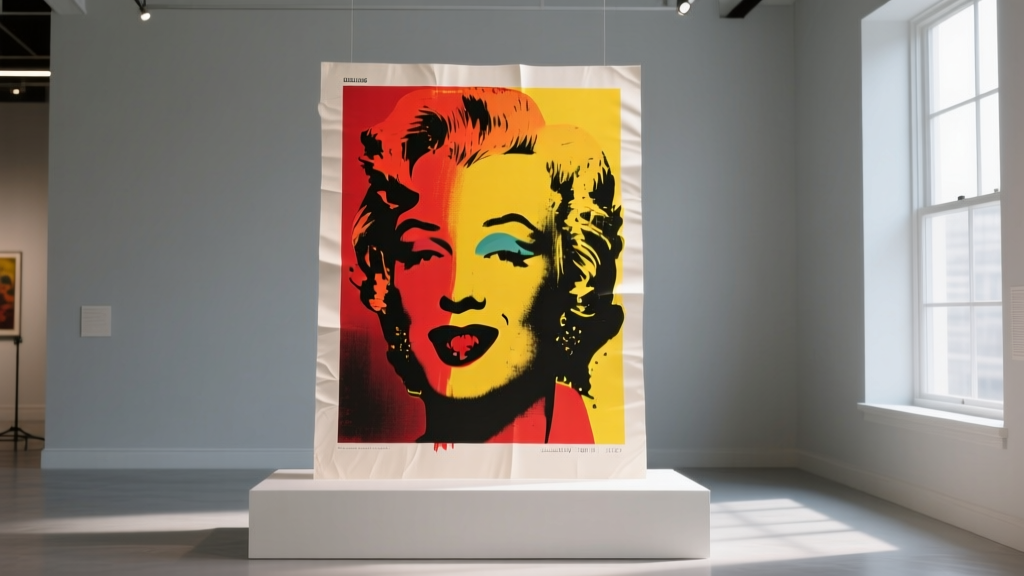
Authentication and Market Analysis of Print Inventory Number 1131731: A Technical Forensic Study of a Documented Andy Warhol Screenprint
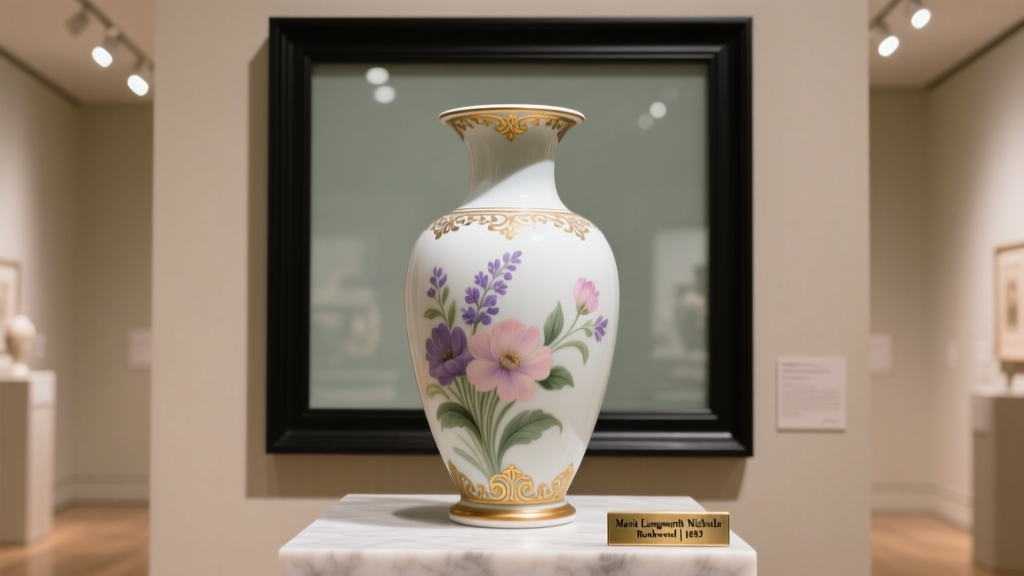
Rookwood Vase, Limoges Style: Maria Longworth Nichols’ 1882 Masterpiece — Authentication, Provenance, and Market Significance
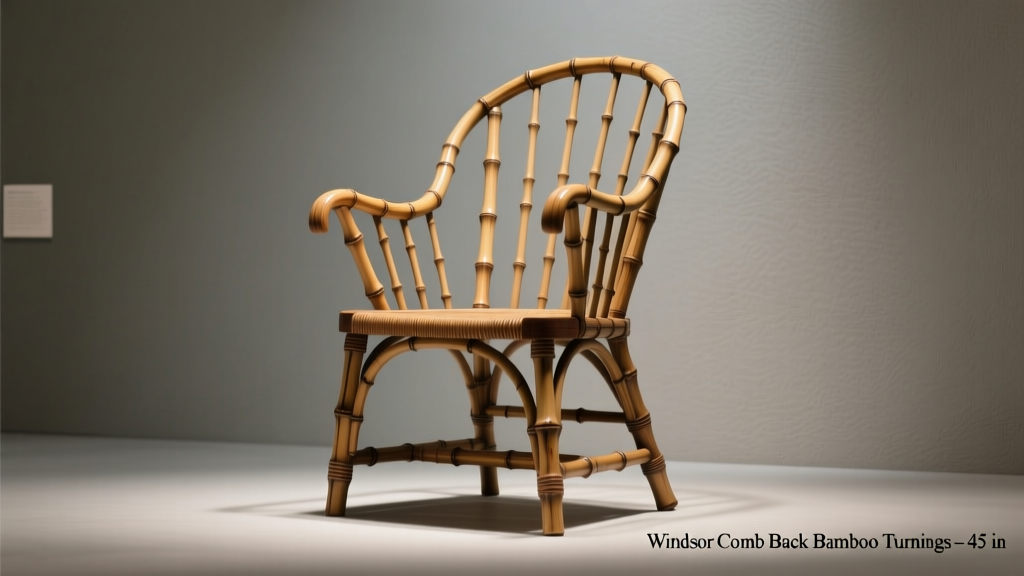
Windsor Rocker Deep Dive: Comb-Back Design, Bamboo Turnings, Bentwood Arms, and the 45-Inch Profile
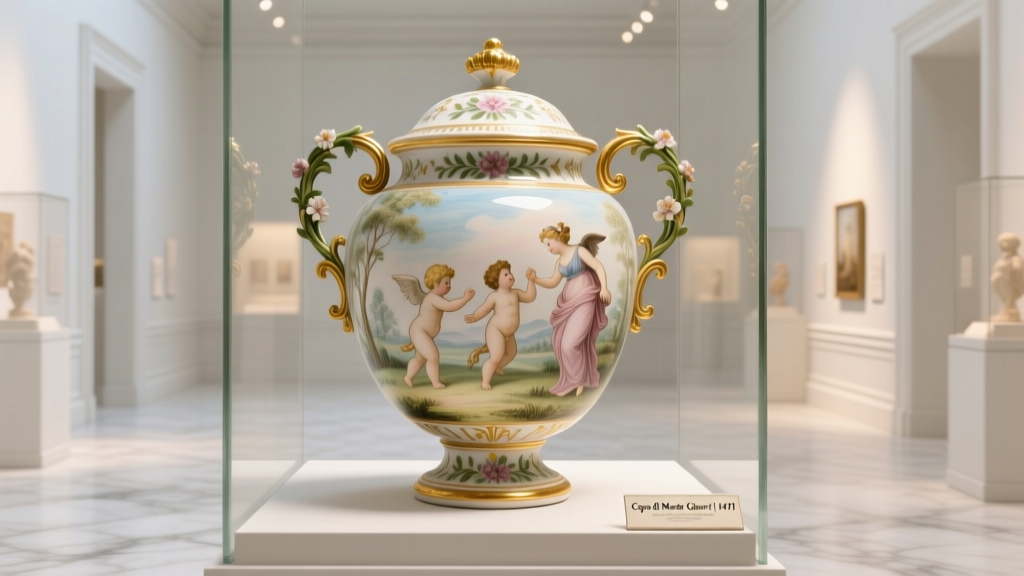
Capodimonte Urn Cover with Cherubs, Satyrs, and Nymph Handles: Authentication, Provenance, and Market Analysis of the Ginori 14-Inch Example
Frederick Clark: The Unseen Architect of Mid-Century American Printmaking
Toy Car Racing Set Slot Car AFX Aurora Winners Circle: Authentication, Market Value, and Technical Legacy
Spongeware Pitcher: Blue-and-White Molded Rose Pattern, 8¾ Inches — Authentication, Market Value, and Historical Context