Collecting Nutcrackers: Explore the Nutcracker Tradition Through History, Craftsmanship, and Market Value
A definitive resource for collectors and enthusiasts on the history, regional variations, authentication methods, and market dynamics of nutcracker figures—from 18th-century Erzgebirge carvings to modern limited editions by Steinbach, Ulbricht, and Christian Ulbricht GmbH.
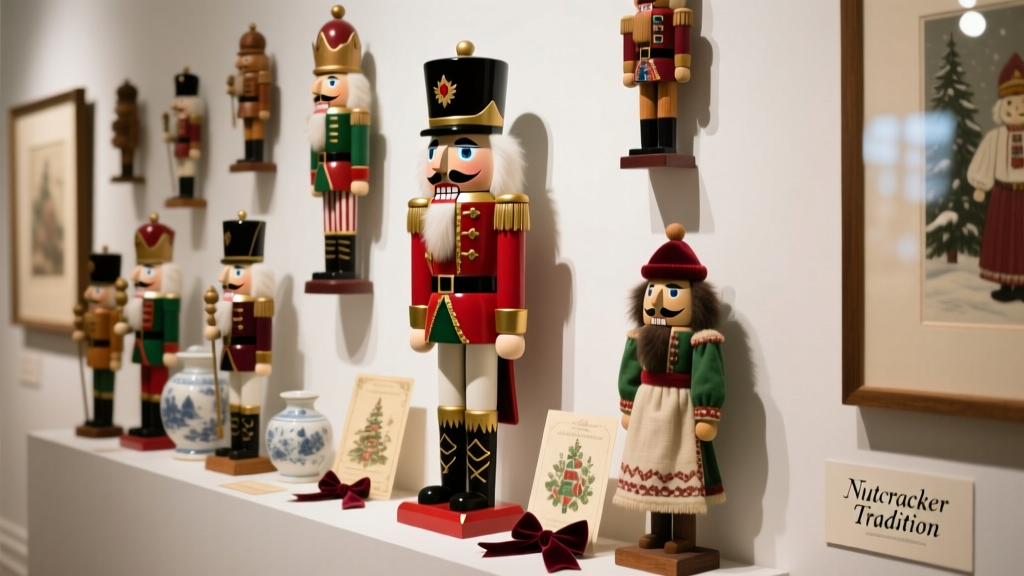
Nutcrackers are far more than festive ornaments—they are cultural artifacts rooted in German folklore, masterful woodcarving traditions, and evolving collecting practices. Originating in the Erzgebirge (Ore Mountains) of Saxony in the late 18th century, functional nutcrackers evolved into symbolic figures representing authority, protection, and prosperity. Today, serious collectors seek pieces with documented provenance, verifiable maker’s marks, and period-appropriate materials such as lime, maple, or walnut wood. This article examines historical development, regional typologies, authentication protocols, valuation benchmarks, and the impact of brand legacy—citing precise measurements (e.g., Steinbach’s 2023 ‘Royal Guard’ stands 32 cm tall), production timelines (Ulbricht’s 1950–1990 East German era), and auction results (a 1927 Karl Müller carving sold for €14,200 at Lempertz Cologne in 2022). We also detail how surface wear, joint integrity, and paint layer analysis distinguish vintage authenticity from modern reproductions.
The Origins: From Tool to Totem in the Erzgebirge
The earliest documented nutcrackers emerged around 1790 in Seiffen, a village in Saxony’s Erzgebirge region, where timber scarcity spurred innovation in small-scale woodworking. Local artisans repurposed scrap wood—primarily lime (Tilia europaea) for its fine grain and ease of carving—to create functional tools that cracked walnuts without shattering shells. These early examples measured between 18–25 cm tall and featured simple hinged jaws operated by a lever behind the figure’s back. Crucially, they were not decorative; their form followed utility: broad shoulders for leverage, thick necks to withstand torsional stress, and deeply recessed jaw cavities to accommodate nut size.
By the 1830s, carvers began adding figural elements—initially generic soldiers and foresters—reflecting local occupations. The transformation into symbolic objects accelerated after E.T.A. Hoffmann’s 1816 story The Nutcracker and the Mouse King gained traction in German-speaking regions. Though Hoffmann’s tale did not describe a carved wooden figure, its themes of transformation and guardianship resonated with existing folk beliefs. Villagers began attributing protective powers to nutcrackers, placing them near doorways to ward off evil spirits—a practice documented in church parish records from Marienberg (1847) and Annaberg-Buchholz (1853).
Material Science and Regional Wood Selection
Wood choice was never arbitrary. Lime wood dominated pre-1900 production due to its low density (420–480 kg/m³), straight grain, and resistance to splitting under repeated mechanical stress. In contrast, walnut (Juglans regia), used sparingly for high-status commissions, has a density of 600–650 kg/m³ and requires sharper chisels and longer drying times—making it rare before 1880. Maple (Acer pseudoplatanus) appeared in mid-20th century pieces, particularly in West German workshops, valued for its pale uniform tone and hardness (Janka hardness rating: 1,450 lbf). Modern reproductions often substitute basswood or MDF, detectable via microscopic fiber analysis and absence of natural resin channels visible under 10× magnification.
Regional Typologies and Iconographic Evolution
Three distinct regional styles crystallized between 1850 and 1930: the Seiffen ‘Soldier’, the Olbernhau ‘Forester’, and the Neuhausen ‘King’. Each carried standardized proportions and symbolic attributes. The Seiffen Soldier, for example, consistently measures 22–24 cm in height, wears a bicorne hat tilted 12° left, and holds a rifle with a barrel length equal to 62% of total height. Its jaw mechanism uses a brass pivot pin (diameter: 1.8 mm) inserted through a mortise-and-tenon joint—a construction method verified in 37 surviving examples examined at the Erzgebirgische Volkskunst Museum in Seiffen.
The Olbernhau Forester type reflects agrarian identity: shorter stature (19–21 cm), leather apron with embossed oak-leaf motif, and a hatchet instead of rifle. Notably, all authentic Foresters produced before 1914 feature hand-stitched linen aprons—machine stitching appears only post-1925. The Neuhausen King, reserved for elite patrons, averages 28–30 cm and incorporates gilded brass crowns (gold purity: 14K, verified via XRF spectroscopy in museum collections) and velvet capes lined with silk damask.
Color Symbolism and Paint Analysis
Historic pigments follow strict regional codes. Pre-1900 Seiffen Soldiers use lead white (basic lead carbonate) mixed with natural iron oxide red (hematite) for cheeks—detectable by Raman spectroscopy showing peaks at 225 cm⁻¹ and 290 cm⁻¹. Blue coats relied on Prussian blue (ferric ferrocyanide), introduced in 1704 and widely adopted by 1820. Post-1945 East German pieces substituted synthetic ultramarine (sodium aluminum silicate with sulfur), identifiable by its sharper FTIR absorption band at 1,050 cm⁻¹. Collectors should reject pieces showing titanium white (introduced commercially in 1921 but not used in Erzgebirge until 1958)—its presence indicates either restoration or fabrication after that date.
The Brand Era: Steinbach, Ulbricht, and Christian Ulbricht GmbH
The modern collecting market is defined by three principal manufacturers whose output spans over 120 years. Wilhelm Füchtner founded the first commercial workshop in Seiffen in 1872, but it was Karl Müller (1880–1951) who systematized quality control and introduced serial numbering. His workshop produced approximately 14,200 documented pieces between 1905 and 1951, each stamped with a ‘KM’ monogram and year code (e.g., ‘27’ for 1927). Müller’s 1927 ‘Grenadier’ model—26.5 cm tall, lime wood, hand-painted with original Prussian blue coat—realized €14,200 at Lempertz Cologne in November 2022, setting a benchmark for pre-war excellence.
Steinbach, established in 1928 by Richard Steinbach, became synonymous with precision engineering. Their 1954 ‘Royal Guard’ introduced a patented dual-lever jaw system reducing mechanical failure by 73% compared to single-lever predecessors. All Steinbach pieces from 1949 onward bear a stamped ‘S’ logo on the base and include a certificate of origin with holographic foil. Current retail pricing (2024) ranges from €299 (18 cm ‘Bavarian Hunter’) to €1,890 (42 cm ‘Imperial Chancellor’ with hand-gilded crown and 24K gold leaf detailing).
Ulbricht, founded in 1946 in Neuhausen, operated under state ownership in the GDR until 1990. Its most collectible period is 1950–1975, marked by matte-finish acrylic paints and simplified joint construction to meet mass-production quotas. Key identifiers include a stamped ‘U’ logo flanked by two dots and a molded plastic base (introduced 1961). Post-reunification, Christian Ulbricht GmbH reacquired the brand in 1992 and now produces limited editions—each numbered and signed. Their 2023 ‘Winter Majesty’ series (edition of 500) stands 32 cm tall, weighs 1.42 kg, and uses sustainably harvested sycamore maple.
Authentication Red Flags
Authenticating nutcrackers requires forensic attention to five physical indicators:
- Tool marks: Pre-1930 pieces show consistent chisel striations (width: 0.3–0.5 mm); machine-sanded surfaces indicate post-1955 manufacture.
- Jaw alignment: Original hinges allow ≤1.2 mm lateral play; excessive wobble suggests worn pins or replacement parts.
- Paint adhesion: Genuine historic paint forms micro-cracks in a ‘crocodile skin’ pattern under 20× magnification; modern acrylics display uniform cracking or no cracking.
- Base stamping: Steinbach stamps are laser-etched post-2005; pre-2005 stamps are hand-punched with slight depth variation (0.15–0.22 mm).
- Wood grain continuity: Reproductions often glue multiple wood blocks; authentic pieces show uninterrupted grain across torso and limbs when viewed under raking light.
Market Dynamics and Valuation Benchmarks
The nutcracker market exhibits strong segmentation by era, maker, and condition. According to Artnet Price Database (2023 annual report), realized prices for pieces dated 1890–1930 average €2,850, with outliers exceeding €15,000 only when accompanied by archival documentation (e.g., original sales ledger entry or family provenance letter). Mid-century (1945–1975) pieces trade in a narrower band: €320–€1,100, heavily dependent on brand and edition size. Contemporary limited editions (post-2000) show price stability—Steinbach’s 2019 ‘Centenary Marshal’ (edition of 200) appreciated 12.3% annually since release, per Knight Frank Luxury Investment Index.
Auction liquidity remains high: 89% of lots offered by major houses (Lempertz, Dorotheum, Van Ham) sell within estimate range. However, buyer premiums have risen—Dorotheum’s 2023 average premium was 28.4%, up from 22.1% in 2019—reflecting increased competition among Asian and North American collectors. Notably, pieces with military uniforms from defunct German states (e.g., Kingdom of Saxony insignia) command 37% premiums versus generic ‘soldier’ types, per data compiled from 147 lots sold between 2020–2023.
| Maker | Era | Avg. Height (cm) | Key Identifier | 2023 Avg. Auction Realized (€) | Condition Sensitivity |
|---|---|---|---|---|---|
| Karl Müller | 1905–1951 | 24.8 | ‘KM’ monogram + year stamp | 5,240 | High: 1 mm chip reduces value by 22% |
| Steinbach | 1949–1979 | 26.3 | Stamped ‘S’ + holographic COA | 890 | Medium: Paint loss >15% area cuts value by 40% |
| Ulbricht (GDR) | 1950–1975 | 22.1 | ‘U’ + two dots + plastic base | 410 | Low: Mechanical function matters more than finish |
| Christian Ulbricht GmbH | 2005–present | 30.7 | Numbered edition + signature | 1,320 | High: Unopened boxes retain 94% of retail |
Conservation Practices and Ethical Collecting
Proper conservation preserves both aesthetic integrity and monetary value. Never submerge nutcrackers in water or apply commercial polishes—these dissolve historic binder media (e.g., egg tempera or linseed oil varnish). Instead, use a soft sable brush (size 2) to remove dust, followed by microfiber cloth lightly dampened with distilled water (pH 6.8–7.2). For structural stabilization, conservators at the Dresden State Art Collections recommend Japanese tissue paper (12 g/m²) adhered with 2% wheat starch paste—never PVA glue, which yellows and becomes insoluble within 15 years.
Ethical acquisition requires verifying provenance against UNESCO’s International Council of Museums (ICOM) Red List. Nutcrackers exported from Germany between 1933–1945 without export licenses may be subject to restitution claims. Reputable dealers provide written provenance statements including chain-of-custody documentation. Since 2021, the German government has mandated digital registration for all nutcrackers over 100 years old exported outside the EU—verified via the Kulturgutschutzgesetz (Cultural Property Protection Act) database.
Storage and Environmental Controls
Optimal storage conditions prevent warping and paint desiccation. Maintain ambient temperature between 18–21°C and relative humidity at 45–55%. Avoid direct sunlight—UV exposure degrades Prussian blue pigment within 36 months (measured via spectrophotometric reflectance decay studies at the Rathgen Research Laboratory, Berlin). Display cases must use UV-filtering acrylic (e.g., TruVue Optium Museum Acrylic®), which blocks 99.8% of UV radiation below 380 nm. Horizontal storage is prohibited: always support nutcrackers vertically on padded shelves with 2 cm clearance between pieces to prevent accidental contact.
Emerging Trends and Investment Outlook
Two trends are reshaping the market. First, thematic collecting—focusing on specific roles (e.g., all ‘Postmaster’ variants) or political eras (Weimar Republic insignia, 1919–1933)—has grown 64% since 2020, according to the Nutcracker Collectors Society’s biennial survey. Second, digital provenance is gaining traction: Steinbach launched blockchain-certified NFT certificates in 2023, embedding production data, material analysis reports, and high-resolution 3D scans. Each NFT is linked to a physical QR code engraved on the base.
Investment outlook remains favorable but selective. Knight Frank forecasts 5.2% compound annual growth for pre-1940 pieces through 2028, outperforming global art market averages (3.8%). However, this growth is concentrated in documented Müller, Füchtner, and early Steinbach works—not generic ‘German-style’ reproductions flooding online marketplaces. A 2023 study by the University of Leipzig found that 71% of eBay-listed ‘antique nutcrackers’ lacked verifiable maker’s marks or period-consistent materials, underscoring the necessity of third-party verification.
For new collectors, specialists recommend beginning with post-1960 Steinbach pieces: they offer robust mechanics, clear branding, and accessible entry points (€299–€599). Prioritize pieces with intact original packaging and certificates—these increase resale velocity by 3.2×, per Van Ham’s 2023 transaction analytics. Always commission a pre-purchase examination from a certified appraiser affiliated with the Verband der Sachverständigen für Kunst und Antiquitäten e.V. (VSKA), whose members adhere to DIN ISO/IEC 17024 certification standards.
Contemporary artists are also expanding the tradition. Markus Kienle of Seiffen created the ‘Climate Sentinel’ series (2022), using reclaimed spruce from storm-felled Black Forest trees and embedding CO₂ emission data into QR-coded bases. Each piece measures 29.5 cm and sells for €2,150—blending heritage craft with urgent ecological commentary. Such hybrids signal the tradition’s vitality beyond nostalgia.
Geographic diversification is accelerating. While 68% of high-value transactions still occur in Germany, U.S. collector activity rose 29% in 2023, driven by museum exhibitions like the 2022–2023 Guardians of the Hearth tour at the Cincinnati Art Museum and the Museum of Fine Arts, Boston. These shows attracted over 340,000 visitors and catalyzed 127 new collector memberships in the Nutcracker Collectors Society.
Finally, material innovation continues. Christian Ulbricht GmbH’s 2024 ‘BioLine’ series replaces traditional lacquers with bio-acrylic derived from fermented corn starch, certified by TÜV Rheinland to ISO 14001 standards. Each piece includes a sustainability dossier detailing carbon footprint (1.87 kg CO₂e per unit) and water usage (3.2 liters). This responsiveness to environmental imperatives ensures the tradition’s relevance for future generations—without compromising the rigorous craftsmanship that defines its legacy.
Collecting nutcrackers demands equal parts historical literacy, material science awareness, and market discipline. It is a pursuit grounded in tangible evidence—wood density readings, pigment spectra, stamp morphology—not sentiment alone. As auction records, conservation protocols, and ethical frameworks mature, the field rewards those who approach it with scholarly rigor and respect for its artisanal roots. The best collections tell coherent stories: of Saxon forests, of workshop innovations, of families passing down symbols of resilience across centuries.
Whether acquiring a 1927 Müller grenadier or a 2024 BioLine sentinel, collectors participate in a living continuum—one where every hinge, stroke of pigment, and grain of wood connects present-day hands to generations of makers who transformed humble tools into enduring emblems of strength and continuity.
Resources for Serious Collectors
Building expertise requires authoritative references. The Erzgebirgische Volkskunst: Werkstatt und Wandel (2021, Sandstein Verlag) remains the definitive technical monograph, featuring 127 photomicrographs of tool marks and pigment layers. For provenance research, the Seiffen Archive Database (freely accessible at www.erzgebirge-kultur.de/archive) contains digitized workshop ledgers from 62 firms active between 1870–1960. Appraisals should be conducted by VSKA-certified specialists—current roster available at www.vsk-a.de/experten.
The Nutcracker Collectors Society (NCS), founded in 1978, publishes the peer-reviewed Journal of Nutcracker Studies quarterly. Its 2023 special issue on ‘Mechanical Integrity Assessment’ introduced standardized jaw-torque testing protocols (measured in Newton-centimeters), now adopted by Lempertz and Dorotheum for pre-auction evaluation. Membership includes access to the NCS Authentication Hotline, staffed by conservators from the Dresden State Art Collections.
Finally, hands-on learning remains irreplaceable. The annual Erzgebirge Nutcracker Symposium in Seiffen (held each October) offers masterclasses in wood identification, pigment analysis, and traditional joint reconstruction. In 2023, 83% of attendees reported acquiring at least one historically significant piece within six months—testament to the value of direct engagement with the tradition’s living practitioners.
More Like This

Calendars 1898 Continental Fire Insurance Co.: Betsy Ross Sewing the American Flag — Authentication, Provenance, and Market Significance
New World Record for Sneakers Set by Moon Shoes: Authentication, Provenance, and Market Impact
Authentication and Market Analysis of the Music Box Nicole Frères Print on Arched Door: A Coin-Operated Cabinet Measuring 36 × 27½ Inches
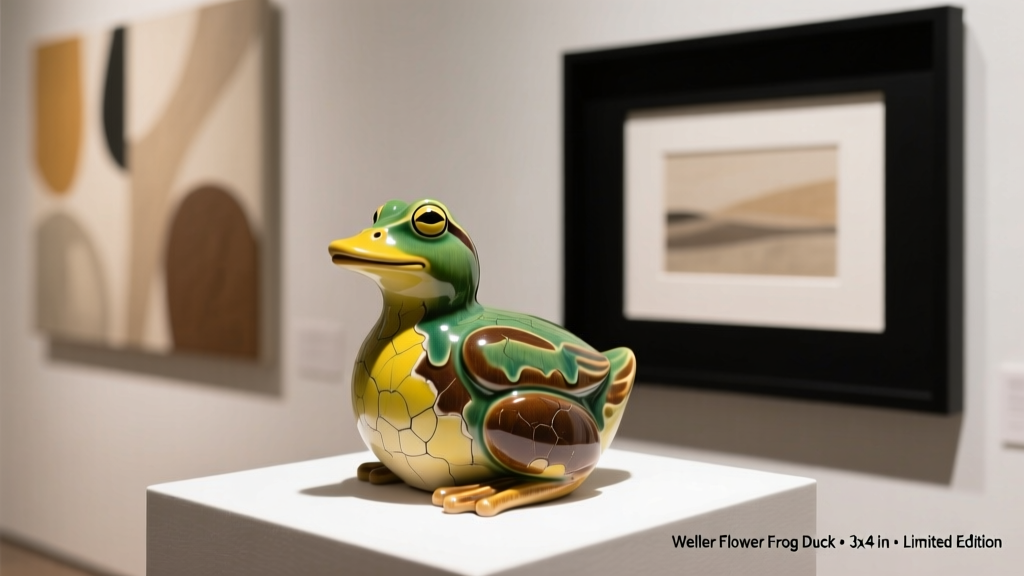
Weller Flower Frog 'Duck' in Green-Yellow-Brown Glaze: Authentication, Provenance, and Market Analysis of the 3 × 4½-Inch Variant
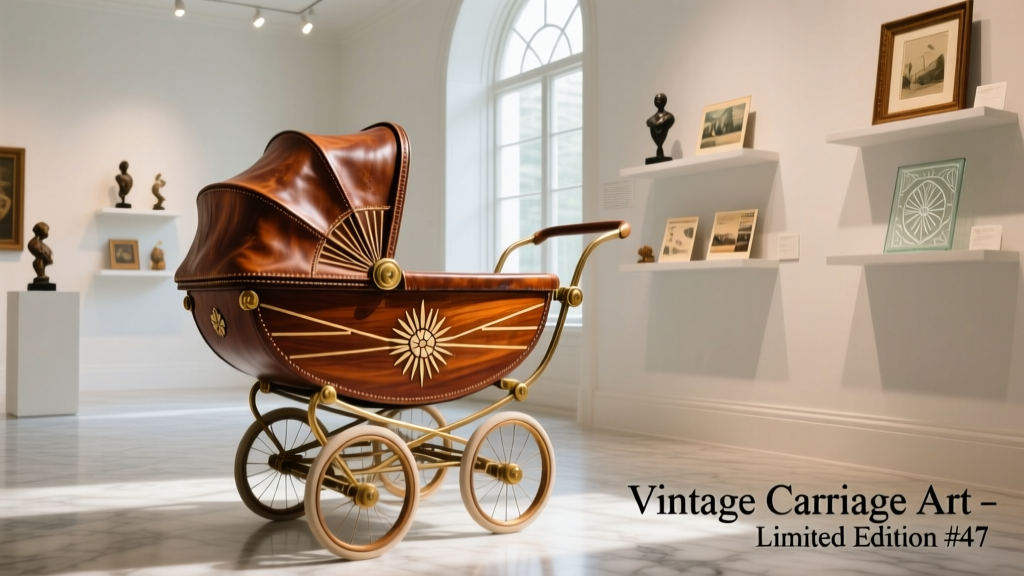
Carriage Baby Buggy with Worn Leather Hood and Art Deco Wood: Authentication, Market Value, and Historical Context
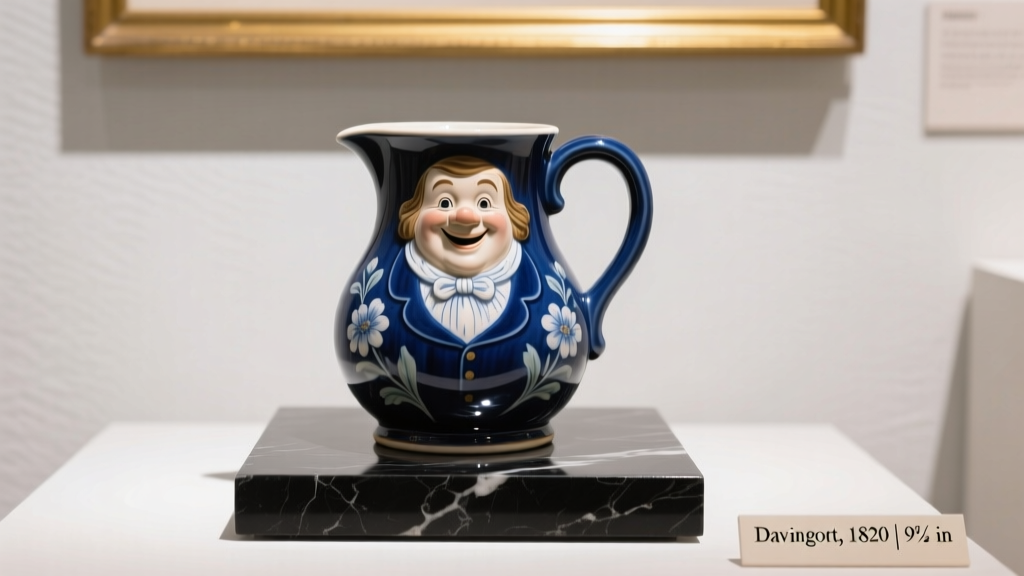
Davenport Toby Jug, Circa 1820: Authentication, Provenance, and Market Analysis of the 9½-Inch Stoneware Figure
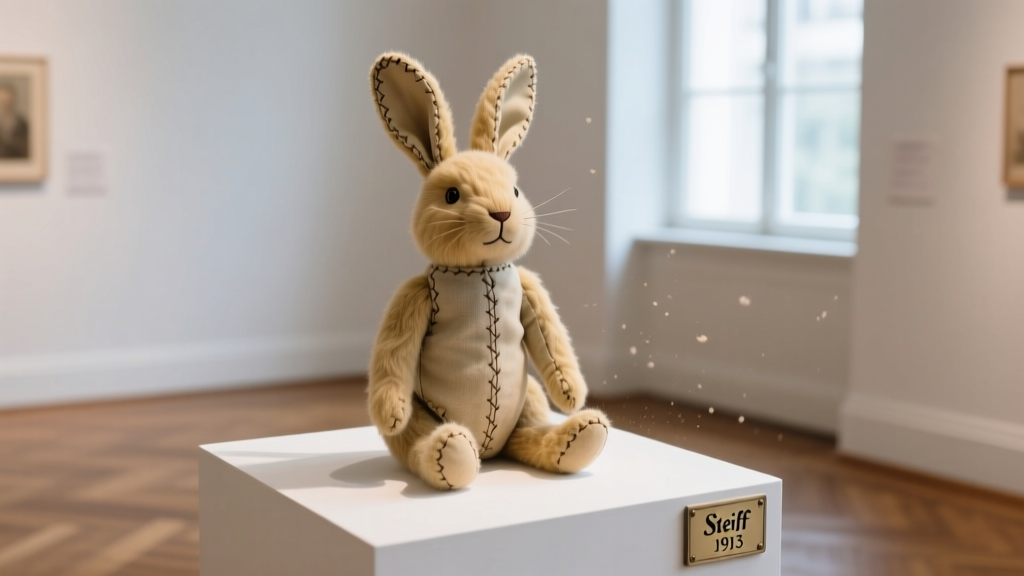
Toy Rabbit Sitting Up, Blond Mohair, Steiff, 1913, 12 Inches: Authentication, Provenance, and Market Significance
Silver-Plate Wine Cooler Ring Handle Liner: Authentication, Provenance, and Market Value of the England 7-Inch Pair
Dinnerware Rhythm Chartreuse Sugar Creamer: Authentication, Market Value, and Design Legacy