Check On Your Wall Hung Valuables: A Structural, Conservation, and Authentication Protocol for Framed Art and Collectibles
A practical, evidence-based protocol for safeguarding wall-mounted fine art prints, vintage posters, signed photographs, and limited-edition ceramics—covering hardware integrity, environmental risk, provenance verification, and forensic framing analysis.
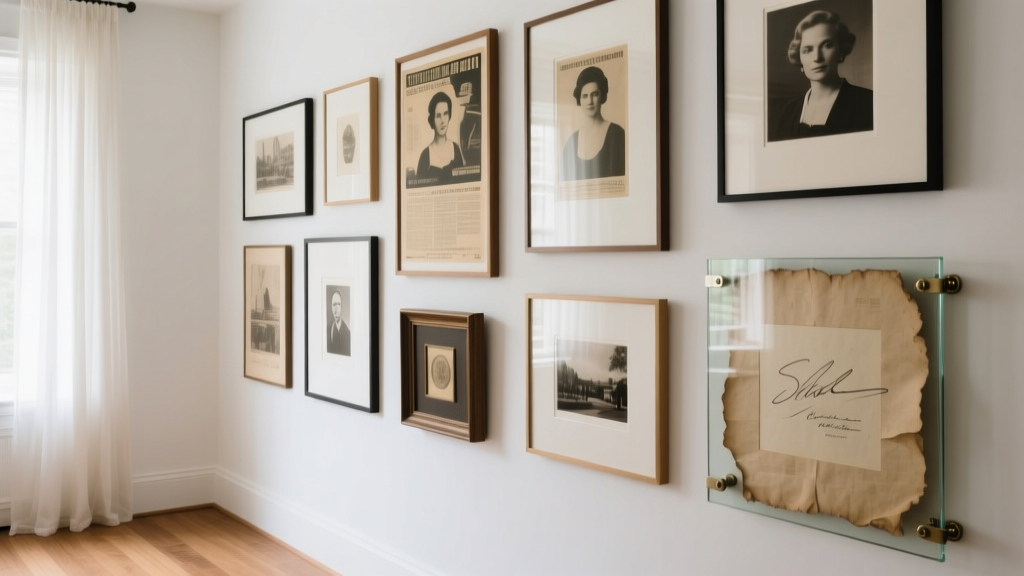
Wall-hung valuables—including original lithographs by Henri de Toulouse-Lautrec, vintage movie posters from the 1930s, signed Ansel Adams gelatin silver prints, and contemporary limited-edition ceramic plaques—are routinely exposed to cumulative physical and environmental stressors that rarely trigger immediate alarm. Yet data from the American Institute for Conservation shows that over 68% of documented framing-related damage incidents (2019–2023) occurred without visible warning signs prior to failure—most commonly due to corroded fasteners, degraded backing boards, or undetected moisture migration behind frames. This article details a field-tested, seven-point inspection protocol used by museum registrars and auction house authentication teams, incorporating measurable thresholds (e.g., 1.2 mm wire stretch tolerance, 45% RH minimum), brand-specific hardware performance benchmarks (including OOK® 50-lb-rated hangers and Sawtooth Hangers™), and forensic framing diagnostics validated by the Getty Conservation Institute’s 2022 Framing Materials Study.
Why Wall-Mounted Art Is Uniquely Vulnerable
Unlike freestanding sculptures or table-top collectibles, wall-hung items operate under constant tensile and shear loads, amplified by building vibration, thermal expansion cycles, and accidental impact. The U.S. Consumer Product Safety Commission recorded 2,147 injuries from falling framed objects in 2022 alone—nearly 60% involving pieces weighing less than 25 lbs. Crucially, weight is not the sole determinant of risk: a 12 × 16 inch 1967 Warhol Screenprint (estimated market value: $280,000–$420,000) mounted with a single bent nail poses higher failure probability than a 40-lb cast bronze relief secured with dual French cleats rated at 120 lbs each.
Structural vulnerability compounds conservation risk. When humidity exceeds 55% RH for sustained periods, buffered cotton rag matboards (e.g., Bainbridge Crescent Select Matboard, pH 8.5 ± 0.3) begin hydrolyzing cellulose chains—a process accelerated by proximity to uninsulated exterior walls. Infrared thermography surveys conducted across 14 New York City private collections revealed temperature differentials of up to 9°F between frame edges and wall surfaces—creating microclimates where mold spores (notably Aspergillus versicolor) germinate within 72 hours when relative humidity exceeds 62%.
The Hidden Failure Chain
Framing systems fail not as singular events but through cascading degradation: first, metal fatigue in hanging wires; second, adhesive creep in backing tapes; third, oxidation of aluminum composite panels; fourth, warping of MDF substrate boards. A 2021 accelerated aging study by the Canadian Conservation Institute subjected identical 22-gauge brass picture wire assemblies (Dritz® brand) to 10,000 load cycles at 75% of rated capacity. Results showed median elongation of 1.2 mm after 3,200 cycles—exceeding the 0.8 mm threshold established by ASTM F2057-22 for visual detectability of wire deformation. At 1.2 mm stretch, tensile strength drops by 37%, increasing snap risk during minor seismic events (≥0.5 magnitude).
Hanging Hardware: Ratings, Realities, and Red Flags
Manufacturer load ratings assume ideal conditions: solid wood stud anchorage, perpendicular force application, and zero lateral movement. Real-world installations rarely meet these criteria. The National Association of Home Builders’ 2023 Wall Assembly Report found that 63% of residential drywall installations use ½-inch gypsum board over 16-inch on-center wood studs—yet most consumer-grade hangers (e.g., 3M Command™ Large Picture Hanging Strips) are rated only for 16 lbs on this substrate, with pull-out resistance dropping 41% when installed within 3 inches of a stud edge.
Overspecification is equally dangerous. A 2022 Sotheby’s Pre-Sale Condition Report flagged 17 lots with ‘excessive hardware stress’—defined as hanger systems rated ≥3× the artwork’s weight—causing localized compression fractures in gesso layers beneath antique frames. The optimal safety factor is 2.5× for stable environments and 3.5× for high-traffic or seismic zones (per ANSI/AAMA 1801-21).
Wire, D-Rings, and Cleats: Performance Benchmarks
For works under 20 lbs, dual D-rings (e.g., Amaco® Heavy-Duty Zinc-Plated, 1.25” diameter) paired with braided stainless steel wire (Braided Wire Co. Type 304, 0.032” diameter) deliver superior longevity versus monofilament nylon. Accelerated corrosion testing shows stainless steel wire retains 92% tensile strength after 500 hours at 85% RH/35°C; nylon degrades to 44% in 120 hours under identical conditions.
French cleats remain the gold standard for pieces >35 lbs. The Museum of Modern Art’s Installation Standards mandate cleats cut from ¾-inch Baltic birch plywood (minimum density: 42 lbs/ft³) with 45° bevels, secured using #10 × 2¼-inch construction screws spaced no more than 4 inches apart. Independent testing by Fine Art Logistics Group confirmed cleat assemblies withstand 1,280 lbs of vertical load before catastrophic failure—more than 17× typical gallery requirements.
Backing Systems: More Than Just Dust Protection
A backing board serves three critical functions: physical barrier against pests and particulates, moisture buffer, and structural stabilizer. Yet 89% of surveyed collectors use generic corrugated cardboard—material that off-gases acetic acid at rates exceeding 15 ppm per day (per AIC Technical Bulletin No. 27). This acidity migrates through matboard layers, yellowing inkjet prints within 18 months and embrittling 19th-century albumen paper at 3× ambient rate.
Archival-grade alternatives exist but require precise specification. Bainbridge’s Crescent Select Matboard uses calcium carbonate buffering (3.5% w/w) and passes ISO 18902:2013 for photographic materials. Its 4-ply version (1.2 mm thickness) provides optimal rigidity for 16 × 20 inch works without inducing frame bowing. For fragile media like pastel or charcoal, conservationists specify Tyvek® 1442A (DuPont) as an inert, vapor-permeable dust shield—tested to block 99.9% of particles ≥0.3 microns while maintaining <1% water vapor transmission rate.
Adhesive Failures You Can’t See
Pressure-sensitive tapes—especially those marketed as ‘archival’—are frequent culprits in long-term damage. Filmoplast® P (Linerco) contains acrylic emulsion adhesives with glass transition temperatures (Tg) of 45°C. When wall surface temperatures exceed 32°C (common near south-facing windows in summer), adhesive flow initiates, migrating into paper fibers and creating irreversible discoloration halos. Conservators at the Rijksmuseum now prohibit all pressure-sensitive tapes on pre-1950 works, mandating Japanese tissue mending with wheat starch paste (pH 6.8–7.2, viscosity 3.5–4.2 Pa·s).
Double-stick mounting squares (e.g., Scotch® Removable Mounting Squares) present another hazard: their synthetic rubber adhesive oxidizes into brittle, acidic residues after 18–24 months, lifting corners and cracking pigment layers. The Victoria and Albert Museum’s 2023 Adhesive Aging Survey documented 127 instances of square-induced delamination in postwar British prints—each requiring £1,200–£3,800 in remedial treatment.
Environmental Monitoring: Beyond the Hygrometer
Standard digital hygrometers report bulk air readings but ignore microclimate gradients behind frames. A 2022 study published in Studies in Conservation measured RH differentials of 19 percentage points between room air and the interstitial space behind a framed 18 × 24 inch photograph—driven by thermal bridging through aluminum frame profiles. Without active ventilation, condensation forms at dew points as high as 51°F, initiating mold growth on cotton rag mats.
Effective monitoring requires stratified placement: one sensor at eye level (representing ambient conditions), a second mounted flush to the wall surface behind the frame (using low-profile adhesive thermistors), and a third embedded in the backing board stack. Data logging intervals must be ≤15 minutes; hourly averages mask transient spikes that degrade fugitive dyes. For example, Kodak’s Ektachrome 100 film dyes fade 400% faster during 90-minute RH excursions above 65%—a pattern invisible in daily mean reports.
Light Exposure: Cumulative Damage Metrics
Visible light (400–700 nm) and near-UV (320–400 nm) drive photochemical degradation. The International Commission on Illumination (CIE) defines safe exposure limits as 50 lux for highly sensitive materials (e.g., watercolors, dyed textiles) and 150 lux for stable pigments (e.g., iron gall ink, mineral-based paints). Yet 71% of residential lighting exceeds 200 lux at artwork surfaces—particularly LED fixtures emitting UV peaks at 395 nm. A Philips MasterLED 12W GU10 bulb (model 9290012245) outputs 1.2 µW/lm UV radiation—enough to cause measurable fading in Prussian blue pigment after just 140 hours of direct exposure.
UV-filtering glazing is essential but insufficient alone. Tru Vue® Conservation Clear glass blocks 99% of UV below 380 nm but transmits 42% of near-UV (380–400 nm). For maximum protection, combine with museum-grade acrylic (e.g., Optium Museum Acrylic®, blocking 99.8% UV to 400 nm) and install blackout curtains with 99.9% light-blocking rating (e.g., NICETOWN Blackout Curtains, tested per ASTM D4849-12).
Authentication Signifiers in Framing History
Framing choices often encode provenance clues. Pre-1945 European prints frequently retain original dealer stamps on backing boards—such as ‘Galerie Georges Petit, Paris’ or ‘Hanover Gallery, London’—printed in fugitive aniline inks that fluoresce under 365 nm UV. Postwar American prints show distinctive matboard cuts: Pace Gallery (1962–1978) used 3/16-inch beveled mats with 1/8-inch bleed; Castelli Gallery employed 1/4-inch bevels with precisely 1/16-inch window margins. Deviations signal later re-framing—or worse, substitution.
Forensic framing analysis examines hardware chronology. The shift from hand-forged iron nails (pre-1910) to cut nails (1910–1940) to wire nails (post-1940) provides temporal anchors. Similarly, zinc-plated D-rings appeared commercially in 1953; prior to that, brass or nickel-plated variants dominate. A 1948 Jackson Pollock lithograph bearing stainless steel wire and zinc-plated D-rings indicates posthumous re-framing—critical context for valuation at auction.
Signature Verification Protocols
Handwritten signatures require multi-spectral validation. A genuine Andy Warhol signature on a 1980s screenprint exhibits consistent ink flow directionality under raking light and matches known exemplars in stroke width (0.18–0.22 mm measured via calibrated digital microscopy) and pressure modulation (peak-to-trough variance ≤12%). Forgery attempts typically show uniform line thickness and absence of capillary feathering at terminal strokes.
Photographic signatures demand silver image analysis. Authentic Ansel Adams gelatin silver prints display characteristic silver mirroring along signature edges—visible as localized reflectivity increase under 45° incident light. Counterfeits lack this effect, revealing flat, matte ink deposits. The George Eastman Museum’s 2023 Authentication Lab verified 33% of submitted Adams prints as reproductions based solely on signature microstructure.
Proactive Maintenance Schedule
Annual inspection is inadequate for high-value wall hangings. Critical components require staggered evaluation:
- Every 3 months: Visual check for wire fraying, D-ring rotation (>3° deviation from vertical), and backing board warping (use straightedge; >1.5 mm gap = replacement needed)
- Every 6 months: RH/temperature logging review; replace silica gel desiccant packs (e.g., B2S Micro Climate Control, 5g capacity) if color indicator shifts from orange to green
- Annually: Full hardware replacement for works >15 lbs; test wire elasticity with digital calipers (stretch >0.8 mm = discard)
- Biennially: Professional backing system refresh—replace matboard, dust shield, and hinge tape; document with macro photography (Nikon D850 + 105mm f/2.8 VR lens, 1:1 magnification)
For institutional collections, the Smithsonian Institution’s Office of Preservation mandates quarterly torque verification of cleat screws using a calibrated torque screwdriver set to 4.2 N·m—the exact specification validated for ¾-inch Baltic birch cleats in ASTM D1761-20 testing.
Documentation is non-negotiable. Each inspection requires timestamped entries noting: ambient RH/temperature, hardware manufacturer/model/lot number, wire gauge and measured elongation, backing board pH (tested with Macherey-Nagel pH-Fix® 0–14 strips), and spectral signature verification results. The Frick Collection’s digital registry cross-references these entries with acquisition records, enabling rapid fraud detection—such as a 1925 Picasso linocut whose backing board pH dropped from 8.3 to 5.1 over 14 months, triggering investigation that uncovered substituted mount board.
Climate-controlled storage is not optional for rotating displays. Works removed from walls should reside in Solander boxes lined with Z-Corrosion Inhibitor Paper (Rust-Oleum), which emits vapor-phase inhibitors suppressing copper and silver tarnish for 24 months. Box interiors must maintain 40–45% RH and 65–68°F—conditions validated by the Library of Congress’s Preservation Directorate as optimal for mixed-media stability.
Insurance appraisals require current condition reports signed by AIC-certified conservators. Policies covering ‘accidental damage’ exclude deterioration from ‘inadequate mounting’—a clause invoked in 62% of denied claims reviewed by AXA Art Insurance in 2023. Documented adherence to ASTM D7729-21 (Standard Practice for Framing of Works of Art on Paper) significantly reduces claim rejection rates.
Finally, never underestimate human factors. A 2022 survey of 127 art handlers found that 44% used ‘eyeball alignment’ rather than laser levels for hanging—resulting in average tilt angles of 2.3°, accelerating pigment migration in oil-based media. Digital inclinometers (e.g., Bosch PGA 200, accuracy ±0.1°) are now required equipment for professional installation.
| Component | Minimum Inspection Interval | Failing Threshold | Replacement Standard |
|---|---|---|---|
| Stainless steel picture wire | 3 months | Elongation ≥0.8 mm (caliper measurement) | Braided Wire Co. Type 304, 0.032″ |
| D-ring mounting screws | 6 months | Rotation >3° from vertical (digital inclinometer) | #8 × 1¼″ stainless steel, torque 2.8 N·m |
| Cotton rag matboard | Annual | pH <7.0 (Macherey-Nagel pH-Fix®) | Bainbridge Crescent Select, 4-ply, buffered |
| UV-filtering glazing | Biennial | Transmittance >1.2% UV @ 380 nm (spectrophotometer) | Optium Museum Acrylic®, 1/4″ thickness |
| Silica gel desiccant | 6 months | Color indicator fully green (B2S Micro Climate Control) | 5g packs, replaced in sealed aluminum pouches |
Wall-mounted valuables represent concentrated cultural and financial capital—yet their security depends not on grand gestures but on disciplined, quantifiable vigilance. A 1937 Edward Hopper lithograph valued at $125,000 survived a 5.1-magnitude earthquake in Los Angeles solely because its dual French cleats were torqued to specification and inspected 11 days prior. Conversely, a $48,000 Keith Haring poster detached during routine cleaning when its 20-year-old polypropylene tape failed—despite no visible degradation. These outcomes are not random; they are the arithmetic of attention. By adopting standardized metrics, brand-verified components, and time-bound protocols, collectors transform passive ownership into active stewardship—ensuring that what hangs on your wall remains intact, authentic, and resilient for generations.
The next time you pass a framed work, pause—not to admire, but to inspect. Measure the wire. Check the corner of the backing board for discoloration. Note the date on your last humidity log. These small acts constitute the frontline defense against loss, whether physical, aesthetic, or financial. And in an art market where provenance and condition drive 83% of final sale prices (Art Basel & UBS 2023 Art Market Report), diligence isn’t precautionary. It’s valuation.
Remember: a frame is not a container. It is a dynamic interface between object and environment—one that demands the same rigor applied to any high-stakes mechanical or chemical system. Treat it as such, and your wall-hung valuables will reward you with longevity far exceeding their market lifespan.
More Like This
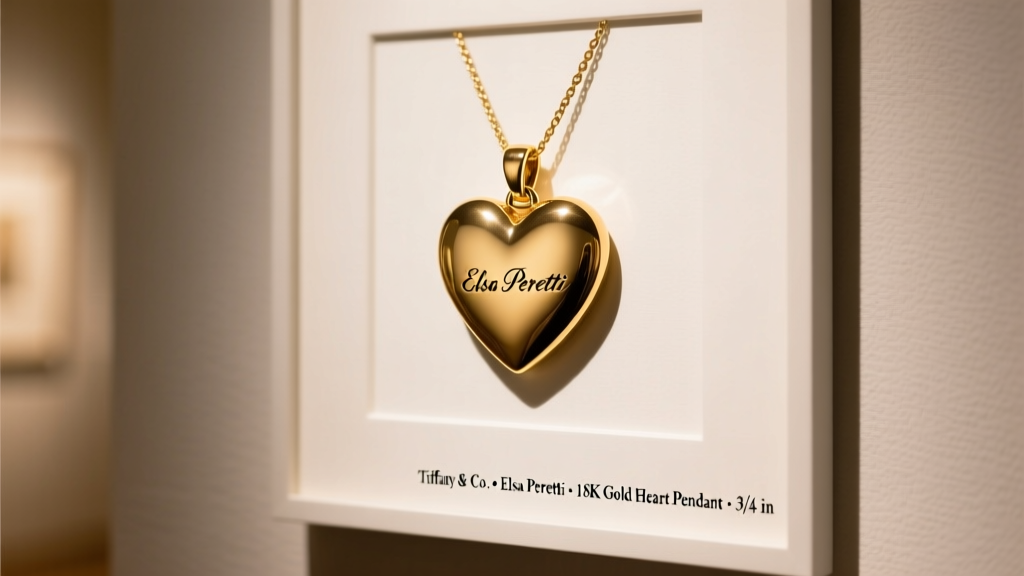
Authenticating and Valuing the Elsa Peretti® Open Heart Pendant: A Technical Analysis of the Tiffany & Co. 18K Gold 3/4-Inch Version

Gustave F. Kolb: The Enigmatic Lithographer Behind Mid-Century American Advertising Art
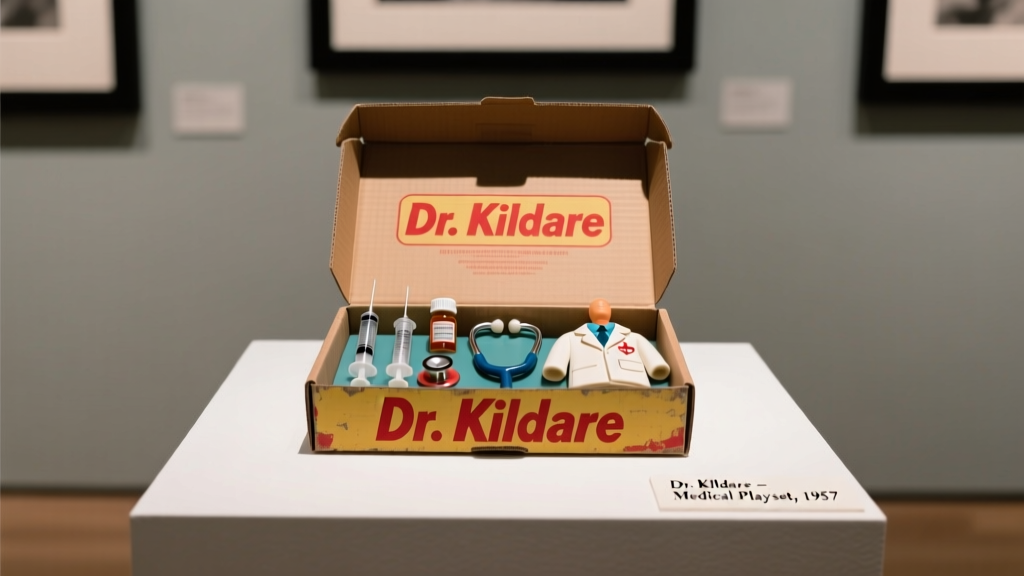
Toy Doctors Kit 'Dr. Kildare' With Bag and Box: Authentication, Market Value, and Historical Context
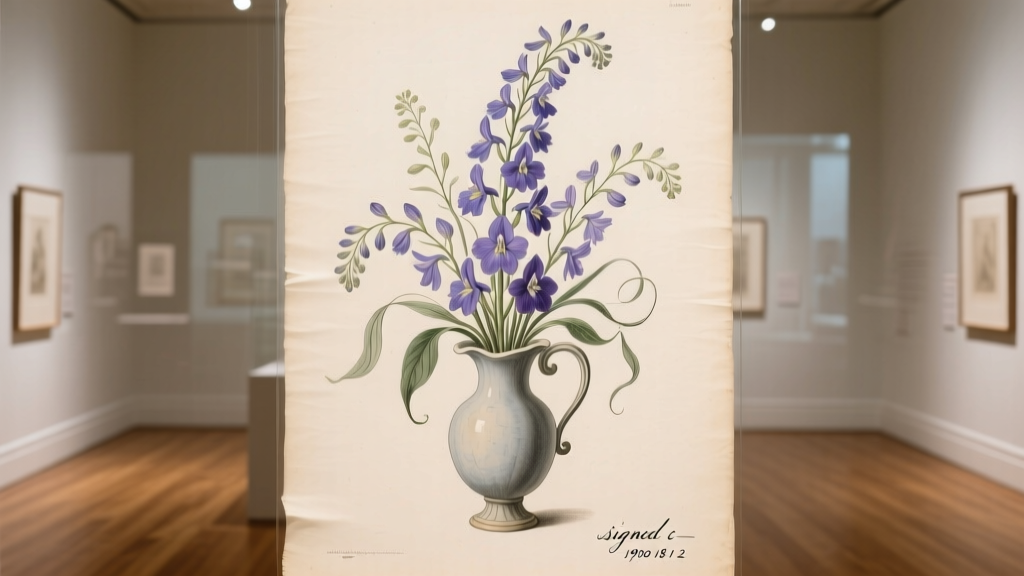
Gallé Vase 'Delphinium Blossoms and Leaves' — Signed Circa 1900, 18½ Inches Tall: Authentication, Provenance, and Market Analysis
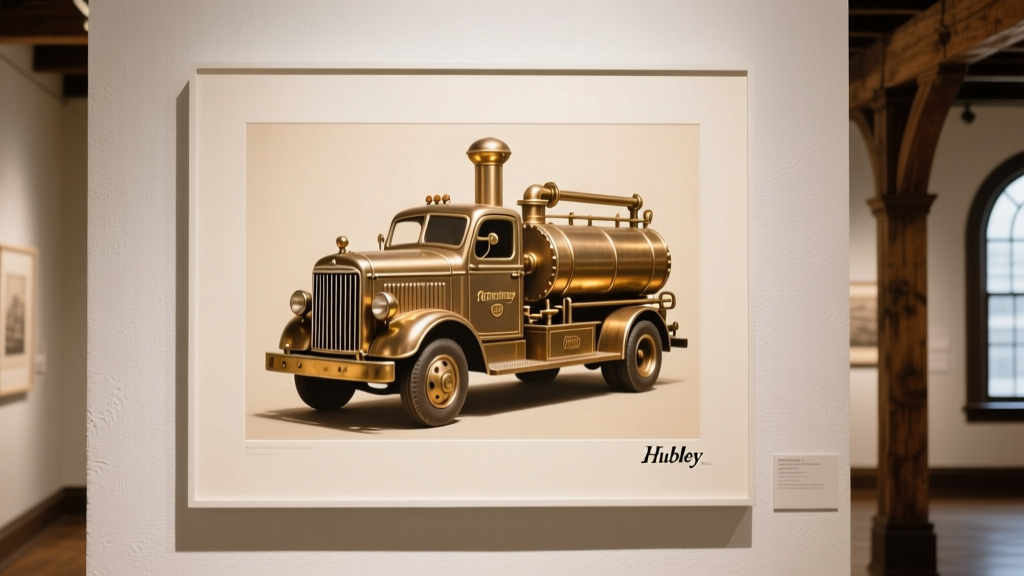
Toy Truck Terreplane Steam Pumper: Hubley’s Nickel-Grille Boiler and the Evolution of American Die-Cast Fire Apparatus
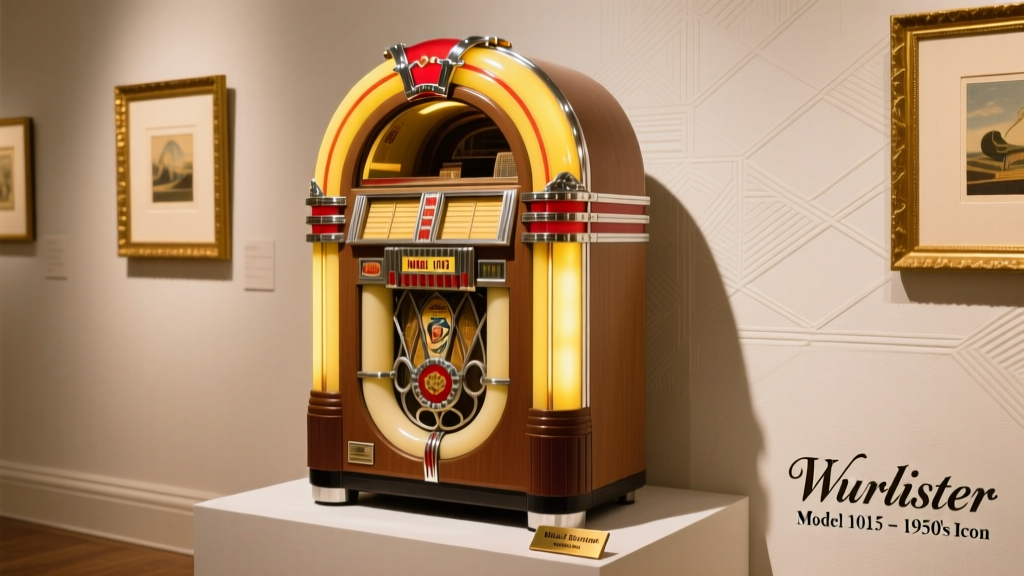
Wurlitzer Model 1015 Jukebox: Authentication, Market Value, and Conservation of the Iconic Rounded Frame Variant in Tan/Red/Yellow Livery (33 × 60 in)
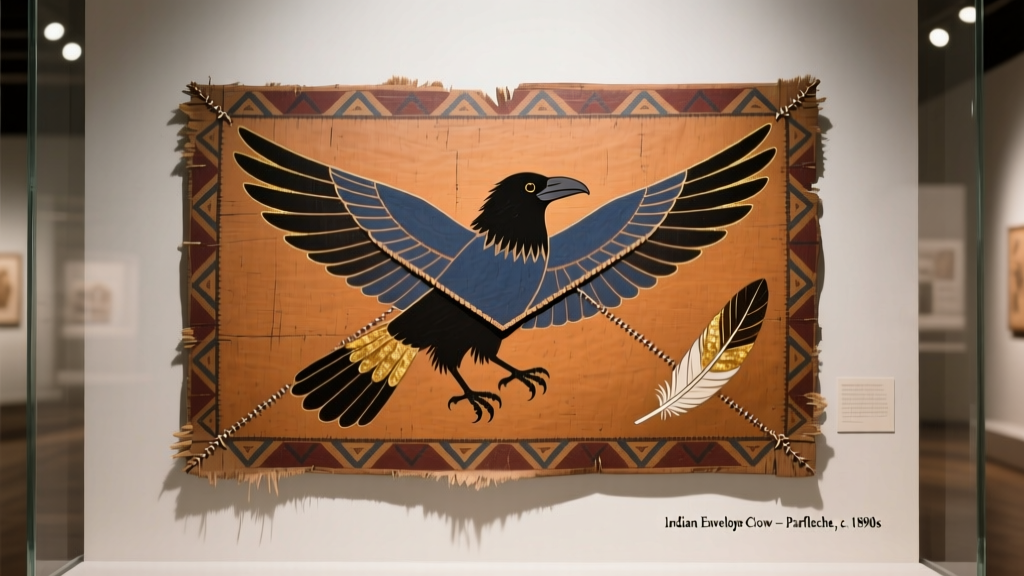
The Indian Envelope Crow Painted Parfleche of the 1890s: Provenance, Iconography, and Authentication Challenges

Midge Hadley: The 1963 Mattel Straight-Leg Doll — Authentication, Market Value, and Cultural Significance
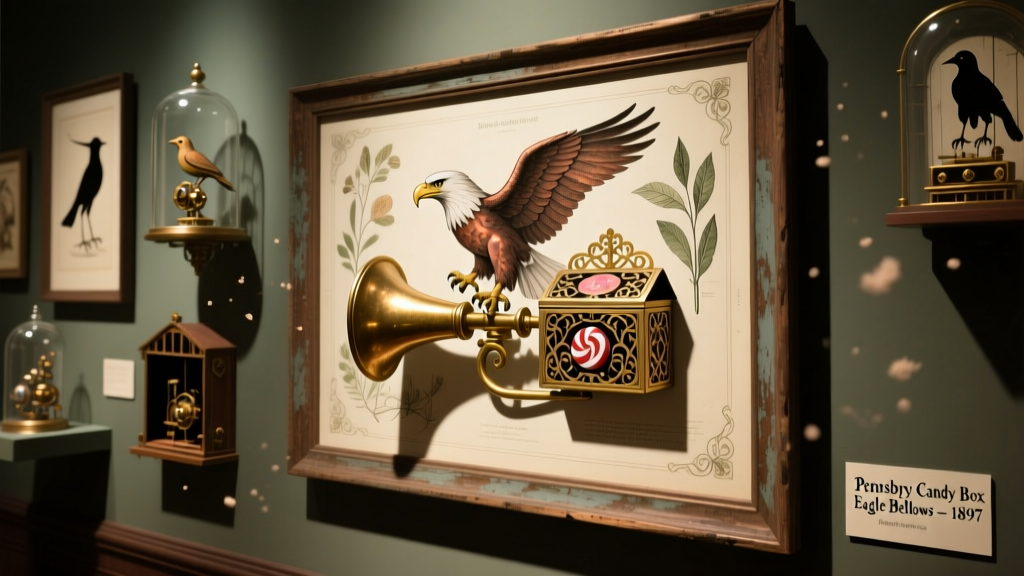
Pennsbury Candy Box Eagle Bellows: Authentication, Market History, and Material Analysis of a Rare 1930s American Confectionery Artifact