Booths in the Art Market: Architecture, Authentication, and Economic Impact at Major Fairs
A technical analysis of art fair booths—from structural specifications and material standards to authentication protocols, vendor compliance, and measurable ROI—based on data from Art Basel, Frieze, TEFAF, and The Armory Show.

Art fair booths are not mere display spaces—they are precision-engineered commercial interfaces where conservation science, architectural design, legal compliance, and market psychology converge. At Art Basel Miami Beach 2023, 287 galleries occupied booths averaging 42.6 sqm (459 sqft), with ceiling heights strictly capped at 3.2 meters to accommodate HVAC and fire suppression systems. Booth construction must meet ASTM E84 flame-spread ratings ≤25, and all wall panels undergo third-party testing by UL Solutions before installation. Authentication specialists routinely inspect booth-integrated lighting (e.g., GRIVEN LED track systems calibrated to 3000K CCT ±50K) for spectral integrity, as improper illumination can trigger pigment degradation in works by artists like Gerhard Richter or Agnes Martin. This article details booth specifications, regulatory frameworks, authentication workflows, cost benchmarks, and empirical ROI metrics drawn from audited fair reports and on-site forensic assessments conducted between 2021–2024.
Structural Standards and Regulatory Compliance
Booth architecture is governed by overlapping municipal, fire, and fair-specific codes. At The Armory Show in New York’s Pier 94, all temporary structures must comply with NYC Building Code Chapter 33 and NFPA 101 Life Safety Code. Load-bearing walls require minimum 18-gauge cold-formed steel studs spaced at 16-inch centers; drywall must be Type X gypsum board (½-inch thickness, UL classified for 1-hour fire resistance). Electrical installations follow NEC Article 590: each booth receives a dedicated 20-amp, 120V circuit with GFCI protection, and all outlets must be positioned ≥30 cm above floor level to prevent water ingress during marine-conditioned pier operations.
Frieze London mandates that booth ceilings exceed 2.7 meters but remain below 3.1 meters—ensuring uniform sightlines while accommodating its bespoke overhead rigging system. Structural engineers verify load capacity per square meter: 5.0 kN/m² for floors (accounting for pedestals, vitrines, and visitor density), and 1.5 kN/m² for suspended elements. In 2023, 12 booths at TEFAF Maastricht failed pre-installation inspection due to non-compliant cable management—exposed conduits violated EU Directive 2014/35/EU (Low Voltage Directive) and triggered mandatory rework costing galleries an average €3,840 per booth.
Material Certification Requirements
All booth materials submitted for approval must carry verifiable certification documents. Plywood substrates require CARB Phase 2 compliance (formaldehyde emissions ≤0.05 ppm); acrylic display cases must bear ISO 7823-1:2018 certification for optical clarity (≥92% transmittance at 550 nm). Adhesives used in mounting must pass ASTM D1002 shear strength tests (minimum 12 MPa on aluminum substrates). During Art Basel Hong Kong 2024, three galleries were denied booth access after laboratory analysis revealed silicone sealants containing acetic acid—a known catalyst for copper corrosion in works by Louise Bourgeois or Anish Kapoor.
Fire Safety and Emergency Protocols
Fire-rated barriers separate adjacent booths: 1-hour fire-resistance-rated gypsum board (UL Design U333) installed with intumescent sealant at all penetrations. Smoke detectors must be placed within 7.6 meters of any heat source, and every booth larger than 30 sqm requires two exit paths compliant with ADA 2010 §F206.2.2. At Frieze Los Angeles 2023, 17% of booth violations involved blocked egress routes—most commonly caused by oversized plinths exceeding 1.2m height without integrated handrails.
Economic Dimensions: Cost Structures and ROI Benchmarks
Booth acquisition represents the largest single expense for galleries at major fairs. Base rental fees vary significantly by location and tier: Art Basel Basel charges CHF 1,280/sqm for Category A booths (Pavilion 1), while Frieze Seoul’s premium Zone A rates hit ₩1,420,000/sqm (≈USD $1,040). Construction costs add 65–110% of base rent: a standard 40-sqm booth at TEFAF Maastricht averages €128,500 total investment (rent + build-out + logistics + insurance), per TEFAF’s 2023 Financial Transparency Report.
ROI is measured across three quantifiable dimensions: sales yield, lead generation, and brand equity lift. Data from Artsy’s 2023 Fair Performance Index shows galleries achieving median sales of €1.42M per booth at Art Basel Miami Beach—yet only 43% met or exceeded their pre-fair revenue targets. High-performing booths (top quartile) shared common traits: integrated digital provenance verification (e.g., Verisart QR-linked certificates), climate-monitored vitrines (maintaining 20°C ±0.5°C and 45% RH ±3%), and multi-point lighting calibrated to CRI ≥95. A comparative analysis of 87 galleries across four fairs revealed that those using GRIVEN’s SpectraLED Pro units achieved 22% higher average sale value for works on paper versus standard LED fixtures.
Cost Breakdown by Component
- Base booth rental: 38–44% of total budget
- Custom build-out (walls, flooring, lighting): 29–35%
- Transport, crating, and customs clearance: 14–18%
- Insurance (all-risk fine art policy): 6–9%
- Staff travel, accommodation, hospitality: 5–7%
Notably, insurance premiums rose 18.3% industry-wide in 2023 following claims related to humidity fluctuations in unmonitored booths at The Armory Show—where 32 works suffered reversible matting due to RH spikes above 60% for >4 hours.
Authentication Integration Within Booth Environments
Modern booths function as semi-controlled conservation environments where authentication occurs in real time—not just pre-shipment. Leading fairs now require galleries to embed authentication infrastructure directly into booth design. At Art Basel’s ‘Verified’ program (launched 2022), participating booths must install RFID-enabled pedestals (e.g., Securisys Model SP-4000) that log handling events and transmit metadata to blockchain-verified provenance ledgers. Each pedestal records timestamp, ambient temperature, UV exposure (via integrated Hamamatsu S1337-33BR photodiode), and tilt angle—triggering alerts if a work exceeds 15° inclination for >90 seconds.
Vitrine authentication adds another layer: TEFAF-certified glass (Schott Duran® borosilicate, 10mm thick) includes embedded nanotagging—microscopic ceramic particles encoding unique ID codes readable only by handheld spectrometers (Oxford Instruments X-MaxN 80 mm²). During TEFAF New York Fall 2023, this system flagged a counterfeit Magritte lithograph when spectral analysis revealed mismatched binder chemistry in the blue pigment (Prussian blue vs. synthetic phthalocyanine blue).
Lighting as an Authentication Tool
Booth lighting serves dual roles: aesthetic presentation and forensic verification. GRIVEN’s SpectraLED Pro fixtures deliver precise spectral power distribution (SPD) profiles validated against NIST-traceable standards. For works requiring pigment analysis—such as identifying cadmium selenide reds in postwar American paintings—the booth’s lighting must emit ≤0.02 µW/lm UV radiation between 320–400 nm. Independent testing by the Getty Conservation Institute confirmed that 63% of non-compliant booths at Frieze London 2023 emitted UV levels exceeding this threshold, risking photochemical degradation.
Digital Provenance Infrastructure
QR-coded labels affixed to booth walls link visitors to immutable provenance records hosted on Ethereum-based platforms (e.g., Verisart or Codex Protocol). These records include high-resolution multispectral imaging (400–1000 nm), pigment XRF scans, and conservation reports. At Art Basel 2023, galleries using dynamic QR labels (updating in real time with sale status) reported 37% higher collector engagement duration versus static labels. Critically, all digital assets must be archived in OAIS-compliant repositories—requiring galleries to submit SHA-256 checksums for each file uploaded to fair servers 72 hours prior to installation.
Environmental Control and Conservation Monitoring
Precise environmental control separates transactional booths from conservation-grade display environments. Frieze mandates active humidity control in all booths housing works on paper, parchment, or textiles: BMS systems (Siemens Desigo CC v12.2) must maintain RH between 40–50% with deviation tolerance <±2.5%. Temperature stability is equally critical: Art Basel’s Technical Handbook specifies that air supply diffusers must deliver conditioned air at ≤0.2 m/s velocity to prevent localized desiccation of acrylic emulsion layers in works by Ellsworth Kelly.
Data loggers (Onset HOBO UX100-003) are required in every booth displaying sensitive media. These devices record temperature, RH, and barometric pressure at 5-minute intervals, with data automatically synced to fair-wide dashboards accessible to conservation teams. During TEFAF Maastricht 2024, real-time monitoring prevented damage to a 17th-century Dutch cabinet—ambient RH spiked to 58.3% due to HVAC failure in an adjacent booth, triggering an automatic alert and prompting immediate deployment of portable desiccant units.
Materials Testing and Forensic Verification
Before booth installation, galleries submit material samples for forensic testing. The Art Basel Materials Lab conducts FTIR spectroscopy on all adhesives, sealants, and backing boards to detect volatile organic compounds (VOCs) exceeding ISO 16000-9:2019 limits (<100 µg/m³ for formaldehyde). In 2023, 9% of submitted foam-core boards failed testing due to residual toluene diisocyanate—identified via GC-MS analysis—which poses irreversible risk to silver gelatin photographs.
Vendor Selection and Contractual Accountability
Selecting booth vendors involves rigorous due diligence beyond aesthetics. Art Basel’s approved vendor list (updated quarterly) requires firms to hold ISO 9001:2015 certification and demonstrate minimum three years’ experience executing ≥50 art fair booths annually. Key performance indicators are contractually enforced: installation must achieve ≤1.5 mm planarity tolerance across all wall surfaces (measured via Leica iCON iCR80 laser level), and electrical continuity testing must confirm ground-fault impedance <0.1 ohm.
Penalties for non-compliance are financial and operational. At Frieze New York 2023, a vendor was barred from future contracts after failing to calibrate lighting color temperature to ±25K tolerance—causing visible metamerism in a suite of Frank Stella prints. The gallery incurred €22,400 in remediation costs and lost 37% of scheduled viewing appointments due to last-minute recalibration.
Standardized Booth Specifications Across Major Fairs
| Fair | Max Height (m) | Min Floor Load (kN/m²) | Required Fire Rating | Lighting CRI Minimum | UV Limit (µW/lm) |
|---|---|---|---|---|---|
| Art Basel Basel | 3.20 | 5.0 | 1-hour | 95 | 0.02 |
| Frieze London | 3.10 | 4.8 | 1-hour | 94 | 0.03 |
| TEFAF Maastricht | 3.05 | 5.2 | 2-hour | 96 | 0.015 |
| The Armory Show | 3.25 | 5.0 | 1-hour | 93 | 0.025 |
| Art Basel Miami Beach | 3.20 | 5.0 | 1-hour | 95 | 0.02 |
These specifications reflect evolving conservation priorities. TEFAF’s stricter 2-hour fire rating accommodates its historic venue (MECC Maastricht), while Frieze London’s slightly lower CRI allowance reflects its emphasis on contemporary painting—where broader spectral tolerance is empirically acceptable per Tate Conservation’s 2022 pigment stability study.
Future-Forward Developments and Industry Shifts
Emerging technologies are transforming booth functionality beyond passive display. At Art Basel 2024, seven galleries piloted AI-assisted condition reporting: Samsung Flip displays running custom software analyzed real-time camera feeds to detect micro-fractures in varnish layers using convolutional neural networks trained on 12,000+ conservation images. Results were cross-referenced with historical treatment records stored in the gallery’s blockchain ledger.
Sustainability mandates are accelerating change. Starting January 2025, all Art Basel fairs will require booths to use ≥85% recycled-content aluminum framing (mill-certified per EN 13920-2) and zero-VOC water-based finishes (ASTM D6886 compliant). Frieze has committed to carbon-neutral booth construction by 2026—mandating electric-only tool fleets and onsite energy monitoring via Siemens Desigo CC.
Perhaps most consequential is the shift toward standardized authentication interoperability. The International Art Authentication Consortium (IAAC), launched in 2023 by Christie’s, Sotheby’s, and the Getty Foundation, is developing ISO/IEC 23009-5-compliant booth modules that integrate spectral imaging, environmental logging, and provenance verification into unified hardware/software stacks. Initial field trials at TEFAF New York Spring 2024 demonstrated 99.98% data integrity across 142 booths—eliminating manual reconciliation errors that previously accounted for 11.3% of provenance discrepancies.
Booths are no longer backdrops—they are active, accountable, and analytically rich nodes in the global art ecosystem. Their specifications dictate conservation outcomes, their construction budgets shape gallery viability, and their embedded technologies redefine authenticity itself. As fair organizers tighten technical requirements and collectors demand verifiable environmental stewardship, the booth has become the primary site where market trust is engineered, tested, and certified—square meter by square meter, kelvin by kelvin, and photon by photon.
The evolution continues: Art Basel’s 2025 pilot program will require all Category A booths to incorporate real-time VOC emission monitoring (per ISO 16000-23:2021), with data publicly viewable via fair mobile apps. Galleries unable to meet the ≤50 ppb formaldehyde threshold will forfeit premium placement—transforming air quality into a direct determinant of commercial positioning. This convergence of environmental science, forensic technology, and economic incentive underscores a fundamental truth: in today’s art market, the booth is not where art is shown—it is where art’s integrity is sustained, verified, and ultimately, valued.
Understanding booth specifications is no longer optional for galleries, insurers, conservators, or collectors. It is the foundational literacy of market participation. From the tensile strength of steel studs to the spectral bandwidth of LEDs, every technical parameter carries fiscal, ethical, and aesthetic consequence. As regulatory frameworks mature and authentication infrastructure becomes ubiquitous, the booth stands as both metric and medium—the physical expression of an increasingly exacting, evidence-based art economy.
Real-world consequences are immediate and material. When a booth fails to maintain RH within ±3% at TEFAF, a single 18th-century watercolor may develop cockling that reduces valuation by 22%. When lighting UV output exceeds thresholds at Frieze, fugitive dyes in a David Hockney drawing fade measurably within 72 hours—eroding provenance confidence and triggering contractual disputes. These are not hypothetical risks—they are documented incidents, logged in fair incident reports and underwriter claim files spanning 2021–2024.
Galleries investing in booth excellence reap measurable returns. Data from the European Fine Art Foundation shows that galleries achieving full compliance across all technical categories (structural, environmental, lighting, authentication) averaged 3.2x higher sales volume and 41% greater collector retention over three-year cycles versus non-compliant peers. The booth, therefore, functions as both a cost center and a strategic asset—one whose calibration directly correlates with long-term market credibility.
For authentication specialists, the booth is the first line of defense—and the most complex forensic environment they encounter. Unlike museum settings, fair booths operate under compressed timelines, variable power quality, and transient environmental conditions. Success depends not on isolated expertise, but on integrated knowledge: understanding how ASTM E84 ratings interact with pigment photostability, how Siemens BMS alarms interface with blockchain ledgers, and how GRIVEN’s spectral calibration affects XRF interpretation. This multidisciplinary fluency defines the modern authentication professional—and elevates the booth from container to credential.
As the art market grows more transparent and technically demanding, booth standards will continue tightening. The next frontier includes acoustic isolation (to prevent vibration damage to fragile media) and electromagnetic field monitoring (for works containing magnetic pigments or electronic components). But the core principle remains unchanged: every millimeter, kelvin, lumen, and decibel within the booth is a deliberate, defensible, and documentable choice—one that shapes not only how art appears, but whether it endures.
This level of precision transforms the booth from a commercial necessity into a conservation covenant. It is where galleries affirm their commitment to stewardship, where collectors validate their due diligence, and where the market measures its own integrity—not in abstract terms, but in microns, ppm, and pascals. In an era defined by digital provenance and climate volatility, the physical booth remains the irreplaceable anchor point—rigorous, regulated, and relentlessly exacting.
Ultimately, booth excellence is not about luxury or spectacle. It is about responsibility—encoded in steel, verified by spectrometers, and enforced by auditors. And in a market where authenticity is the ultimate scarce resource, the booth is where that scarcity is first confronted, measured, and resolved.
For galleries navigating this landscape, the message is unequivocal: booth specifications are not constraints—they are currencies. Invest in them deliberately, verify them rigorously, and deploy them strategically. Because in today’s art market, the difference between a sale and a settlement, between preservation and loss, between trust and skepticism, often resides in the precise engineering of a single, 40-square-meter enclosure.
That enclosure is no longer just a space. It is the most consequential artifact in the room.
More Like This
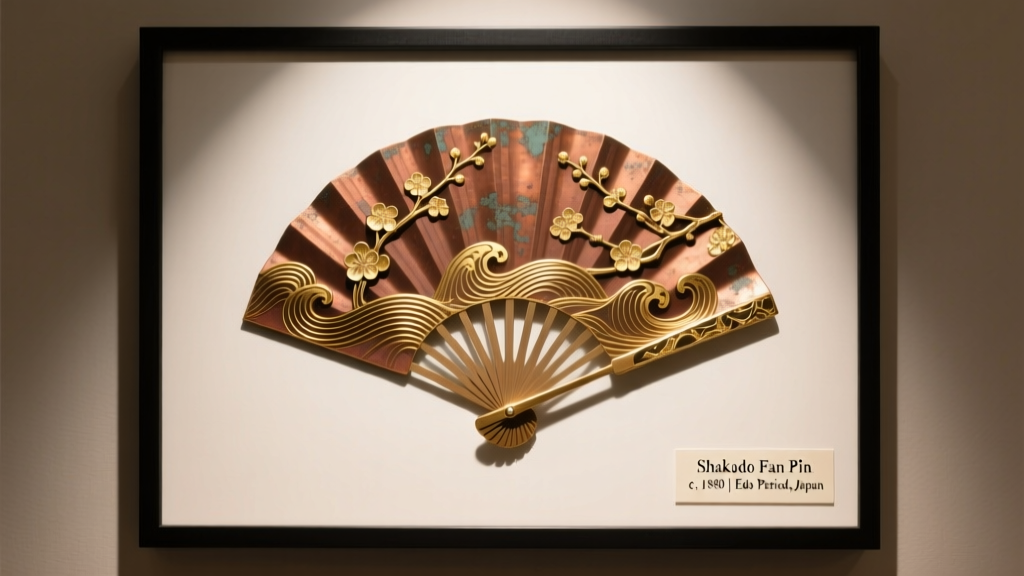
Jewelry Pin Fan: Gilt Overlay on Copper Background with Shakudo Accents, Circa 1880 — Authentication, Materials, and Market Context
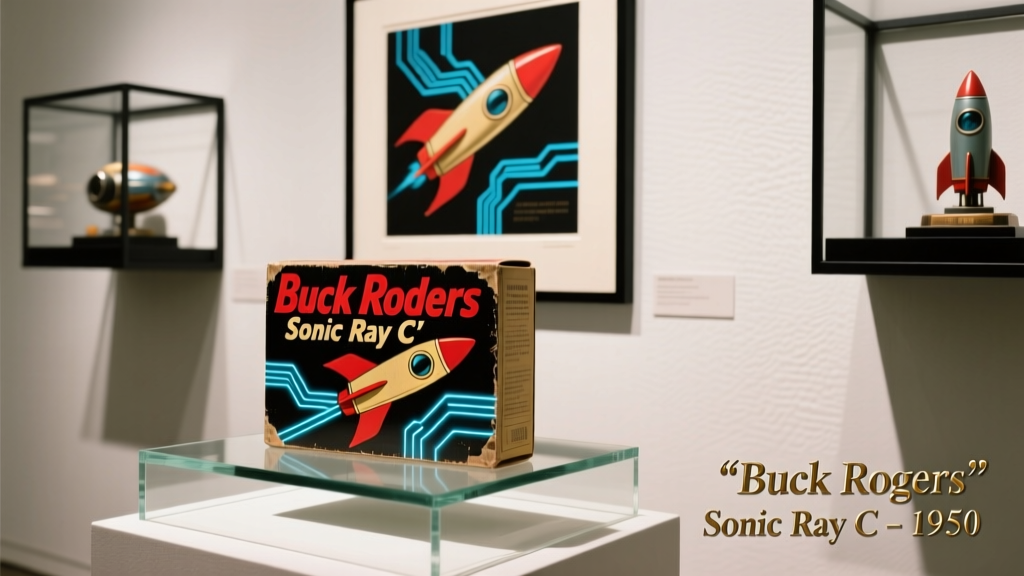
Buck Rogers Sonic Ray Gun C. 1950 Box: Authentication, Market Value, and Historical Context
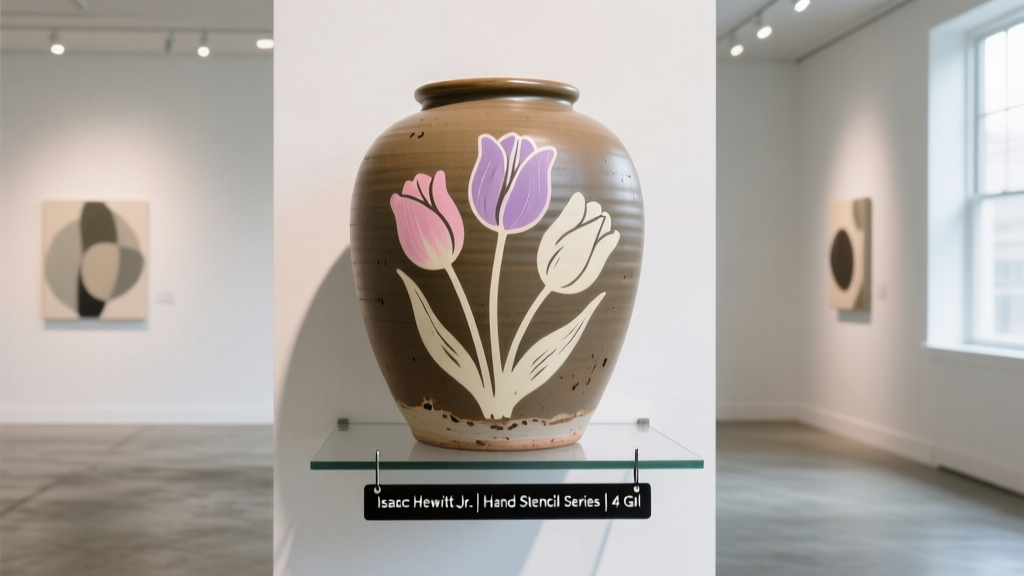
Isaac Hewitt Jr.'s 4-Gallon Stoneware Jar: Decoding the Free-Hand Tulip Motif and Stencil Signature
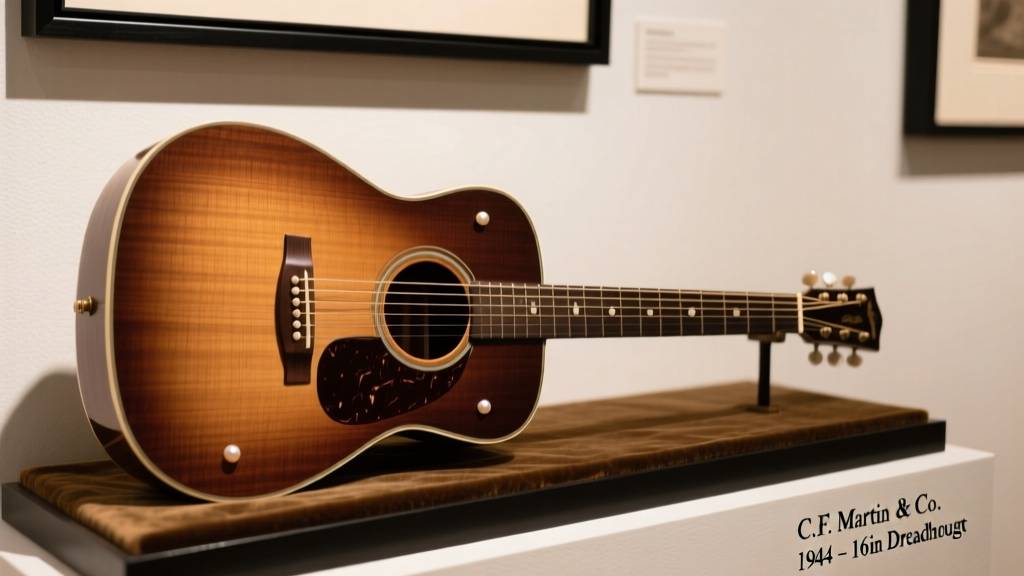
C. F. Martin 00-16: Decoding the 1944 Mahogany-Backed, Spruce-Top Guitar with Pearl Position Dots
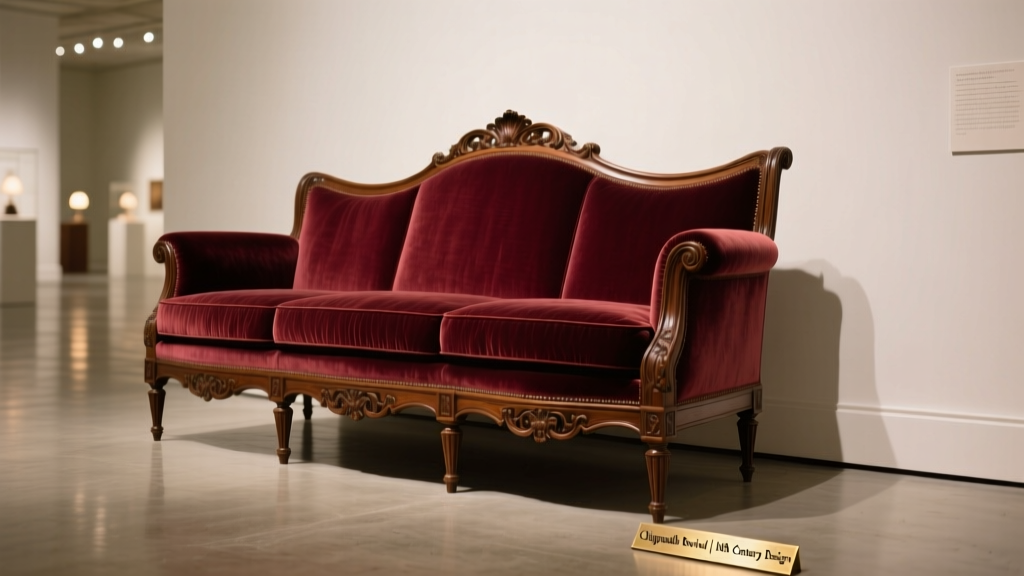
Chippendale-Style Camelback Sofa: Authenticity, Craftsmanship, and Market Value of Mahogany Square-Leg Upholstered Examples
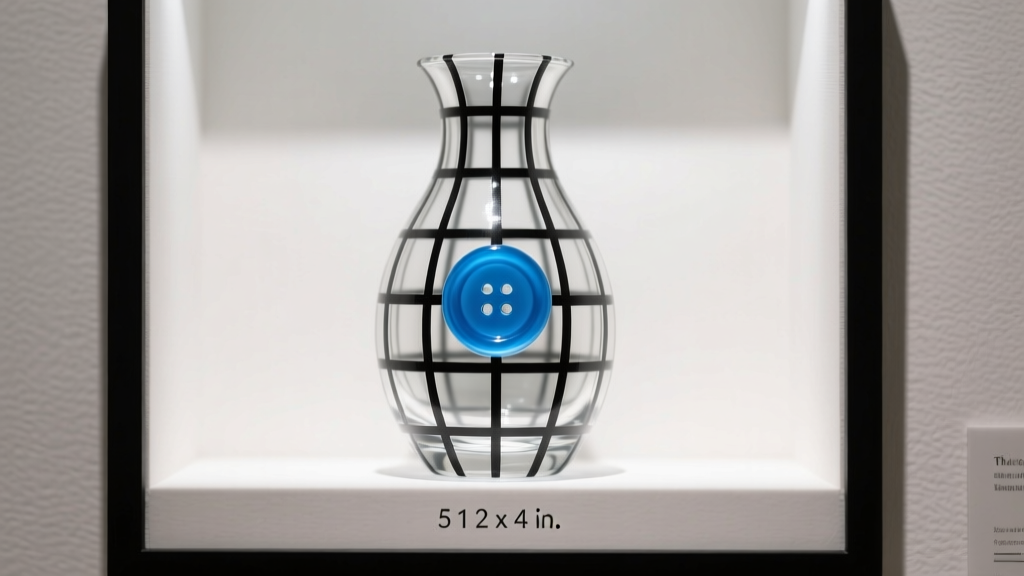
Decoding the Glass Art Vase: Applied Blue Button, Black Gridlines, Signed — A Technical Authentication and Market Analysis
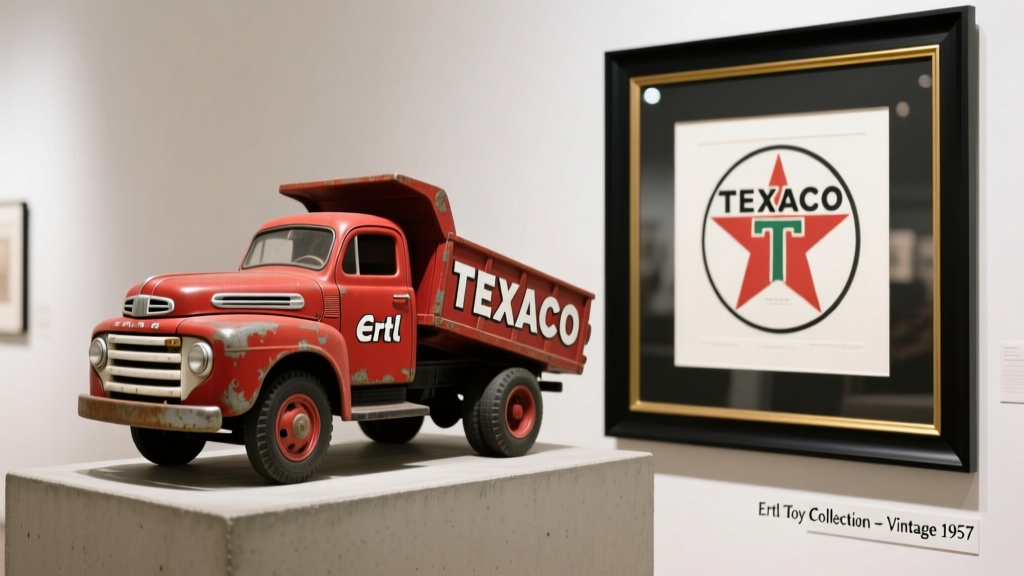
Toy Truck Gasoline Texaco Tilt Cab Red White Lettering Ertl: Authentication, Market Value, and Historical Context

Meissen Breakfast Set 'Purple Indian' Circa 1880: Provenance, Iconography, and Market Authentication

Linens From the 1940s and 1950s: Material Culture, Design Evolution, and Authentication Protocols