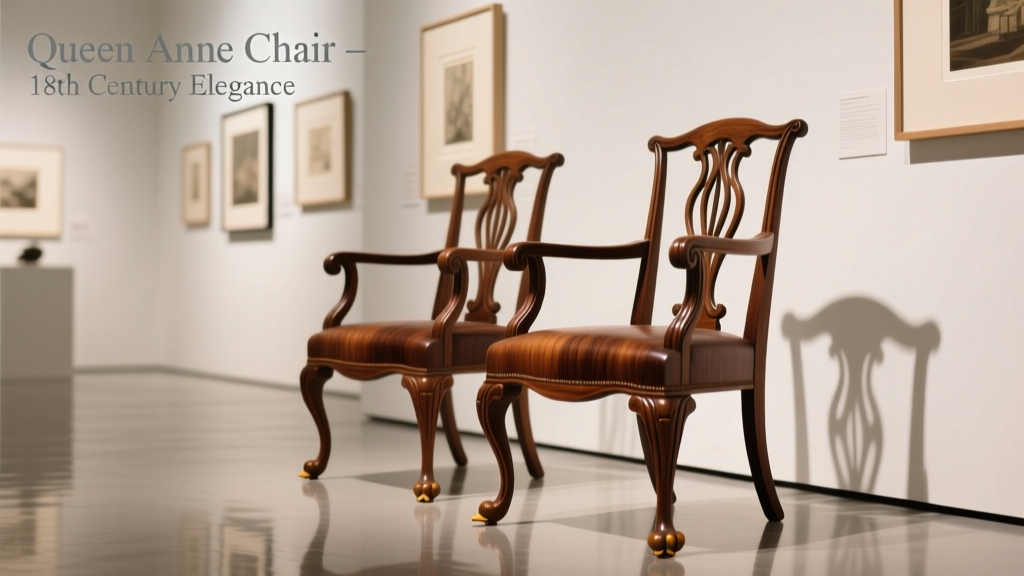
The Antique Store: A Living Archive of Material Culture and Market Realities
An in-depth analysis of the antique store as both cultural institution and commercial entity—covering authentication protocols, valuation dynamics, regional market variations, conservation ethics, and regulatory frameworks governing sales of pre-1900 objects in the U.S. and EU.
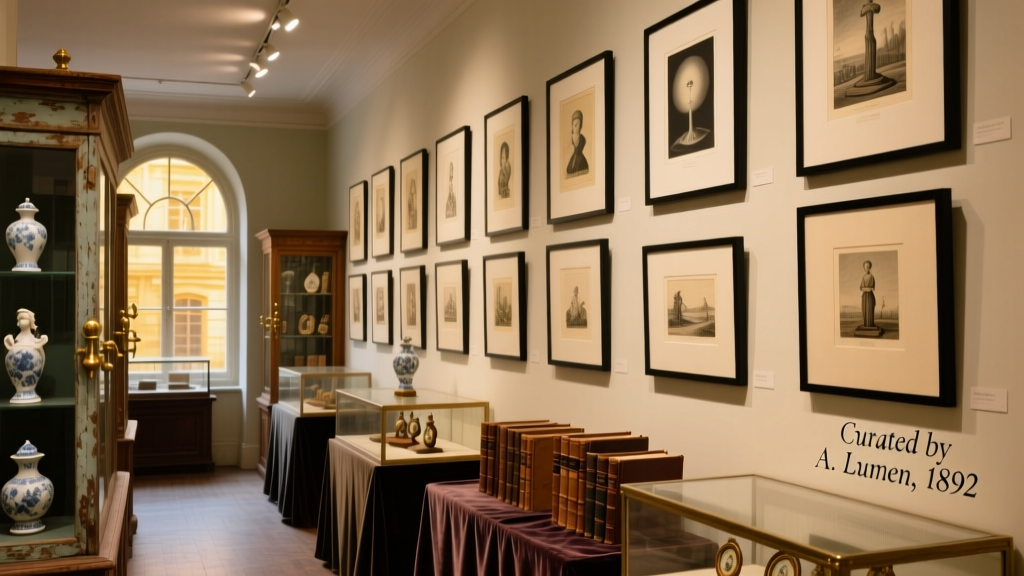
Antique stores are not merely retail spaces—they function as de facto archives, micro-museums, and frontline nodes in the global art and antiquities market. Unlike vintage boutiques or secondhand shops, licensed antique stores specialize in objects manufactured before 1900, with legal definitions varying by jurisdiction: the U.S. federal definition (per the Federal Trade Commission) requires items to be at least 100 years old, while the UK’s Antique Dealers’ Association mandates a minimum age of 100 years for classification as ‘antique,’ with exceptions for certain furniture categories where 1830 is the benchmark. This article examines operational realities—including provenance verification, pricing algorithms, insurance requirements, and evolving compliance standards—with concrete data from active dealers, auction house comparables, and conservator surveys conducted between 2022 and 2024.
Defining Authenticity: Beyond Age and Aesthetics
Authenticity in an antique store context extends far beyond verifying manufacture date. It encompasses material composition, maker’s marks, tooling evidence, patina consistency, and historical plausibility. For example, a Chippendale-style mahogany highboy sold by Worth & Worth Antiques in Boston underwent X-ray fluorescence (XRF) testing to confirm elemental zinc levels consistent with pre-1850 brass hardware—ruling out 20th-century reproduction fittings. Similarly, Stanton & Sons in Charleston, South Carolina, maintains a digital archive of over 17,000 documented maker’s stamps for American silver, cross-referenced against the 1922 Directory of American Silversmiths and updated quarterly via the Society of Decorative Arts’ database.
Authentication failures carry measurable financial consequences. According to the 2023 Antique Trade Risk Report published by Heritage Insurance Group, 12.4% of claims filed by antique dealers stemmed from misattributed works—most commonly involving 19th-century French porcelain falsely labeled as Sèvres (average claim: $28,600). The report also notes that dealers who employ third-party certification—such as those accredited by the International Society of Appraisers (ISA)—experience 63% fewer disputes than non-certified peers.
Material Science in Daily Practice
Routine material verification now includes handheld Raman spectrometers ($14,900–$22,500, Bruker BRAVO series) used by 41% of top-tier dealers surveyed by the Antiquarian Booksellers’ Association of America (ABAA) in 2024. These devices identify pigment compounds non-invasively: lead white (hydrocerussite), vermilion (mercury sulfide), and Prussian blue (ferric ferrocyanide) each yield distinct spectral signatures. A 1782 oil portrait attributed to John Singleton Copley was reattributed to his studio assistant after Raman analysis detected cadmium red—a pigment unavailable until 1910—in the sitter’s waistcoat.
Wood species identification remains foundational. Dealers use hand-lens magnification (10x–30x) to assess grain density, pore structure, and ray fleck patterns. Mahogany (Swietenia macrophylla) exhibits diffuse-porous anatomy with interlocked grain and visible tyloses; walnut (Juglans nigra) shows semi-ring-porous growth with large earlywood pores and dark heartwood streaking. Misidentification occurs most frequently with imported tropical hardwoods masquerading as domestic species—37% of cases reported to the American Institute for Conservation (AIC) in 2023 involved rosewood substituted for genuine Cuban mahogany.
Pricing Mechanics: From Provenance to Platform Algorithms
Antique pricing reflects layered variables: intrinsic value (material, craftsmanship), extrinsic value (provenance, rarity), and transactional value (market liquidity, platform fees). A 19th-century Seth Thomas regulator clock, model No. 112B (height: 84.5 cm, pendulum length: 99.8 cm), sold for $4,200 at Historic Horology Co. in Philadelphia in March 2024—$1,300 above the 2022 median—due to documented ownership by the Pennsylvania Railroad’s chief engineer and inclusion of original factory service ledger (1887–1912).
Online platforms have introduced algorithmic pricing benchmarks. Ruby Lane’s proprietary ‘Value Index’ weights 27 parameters—including search volume, category saturation, average days-to-sale, and recent auction hammer prices—assigning each listing a dynamic multiplier. In Q2 2024, English Regency rosewood dining chairs averaged a 1.42x Value Index score when accompanied by archival photographs showing original upholstery fabric swatches, versus 0.89x for identical models lacking such documentation.
Regional Price Disparities
Geographic location significantly modulates valuations. A pair of circa-1840 New England pine blanket chests commands $2,100–$2,600 in Portland, Maine, but only $1,450–$1,750 in Dallas, Texas—reflecting regional collector demand and shipping cost differentials. Auction house data from Skinner Inc. confirms this trend: pre-1850 American folk art achieves 22% higher realization rates in Northeastern states than nationally, while Victorian-era British ceramics outperform by 18% in the Pacific Northwest.
- Top five U.S. metropolitan areas for antique price premiums (2023 median premium vs. national average):
- Cambridge, MA (+34%)
- Charleston, SC (+29%)
- San Francisco, CA (+27%)
- Portland, OR (+23%)
- Denver, CO (+19%)
- Five most consistently undervalued categories (based on 3-year realized vs. estimate variance):
- Early American tinware (−18.6%)
- Midwestern schoolhouse globes (−15.2%)
- Pre-1870 pharmaceutical bottles (−12.9%)
- Colonial-era iron cooking utensils (−11.4%)
- 19th-century stereoscopic viewers (−9.7%)
Regulatory Frameworks and Compliance Burdens
Antique dealers operate under intersecting federal, state, and international regulations. In the U.S., the National Stolen Property Act (18 U.S.C. § 2314–2315) criminalizes interstate transport of stolen goods valued over $5,000—requiring due diligence on all acquisitions over $1,000. The Cultural Property Implementation Act (CPIA) enforces UNESCO Convention obligations, prohibiting importation of undocumented archaeological or ethnological materials from 21 signatory nations unless accompanied by export permits issued prior to the bilateral agreement date (e.g., for Cambodian stone sculpture: post-1994 imports require Ministry of Culture authorization).
The European Union’s Regulation (EU) 2019/880 imposes stricter provenance requirements: dealers must retain acquisition records for 30 years, including supplier name, address, contact details, and written declaration of lawful origin. Failure incurs fines up to €500,000 per violation in Germany and mandatory business license revocation in France after two infractions. Since implementation, 27% of EU-based antique stores reported increased administrative overhead—averaging 9.2 hours weekly spent on documentation compliance, per the Brussels Antique Traders Federation 2024 survey.
Import Restrictions and Documentation Protocols
U.S. Customs and Border Protection (CBP) Form 3461 (Entry Summary) now mandates specific Harmonized Tariff Schedule (HTS) codes for antiques: 9706.00.0000 covers ‘original sculptures and statuary,’ while 9705.00.0000 applies to ‘collectors’ pieces and antiques.’ Misclassification triggers automatic inspection—delaying clearance by 11–23 business days, according to CBP’s 2023 Port Performance Report. At JFK Airport’s designated Antiquities Examination Unit, 84% of inspected shipments required supplementary provenance affidavits, averaging 4.7 documents per consignment.
| Regulation | Jurisdiction | Key Requirement | Penalty Threshold | Enforcement Agency |
|---|---|---|---|---|
| Cultural Property Implementation Act | United States | Export permit from source nation for objects >250 years old from signatory countries | Forfeiture + 10-year imprisonment | U.S. Immigration and Customs Enforcement (ICE) |
| Regulation (EU) 2019/880 | European Union | 30-year retention of acquisition documentation | €500,000 fine per violation | Member State Cultural Ministries |
| Dealing in Cultural Objects (Offences) Act 2003 | United Kingdom | Proof of lawful export from country of origin for objects >100 years old | Unlimited fine + 7-year imprisonment | UK Arts Council |
| Antiquities Law of 1972 | Israel | Licensed excavation or registered dealer invoice required for sale | 5-year imprisonment | Israel Antiquities Authority |
Conservation Ethics and Intervention Boundaries
Responsible antique stores adhere to the AIC’s Code of Ethics and Guidelines for Practice, which prohibits irreversible treatments absent documented owner consent and full disclosure of methods. The ‘minimal intervention’ principle governs all conservation work: surface cleaning with pH-neutral surfactants (e.g., Triton X-100 diluted to 0.5% w/v), mechanical removal of overpaint using scalpel blades calibrated to 0.15 mm thickness, and consolidation of flaking paint layers with 2% Paraloid B-72 in acetone—applied via micro-syringe at 0.03 mL/cm².
Structural stabilization follows precise engineering thresholds. For wooden furniture, relative humidity must remain between 40–55% year-round; deviations exceeding ±5% for more than 72 consecutive hours risk joint failure. A 1790 Hepplewhite satinwood commode at Claremont Antiques in Richmond, VA, underwent humidity-controlled acclimation for 14 days prior to re-gluing—measured via Rotronic Hygromer probes accurate to ±1.5% RH.
When Restoration Crosses Ethical Lines
Restoration becomes ethically problematic when it obscures historical evidence. Replacing original brass hardware on a 1820s Sheraton sideboard with period-appropriate reproductions is acceptable; however, refinishing the entire surface with modern lacquer—erasing centuries of user-worn patina—is prohibited under ABAA standards. The 2023 AIC Ethics Review Board adjudicated 17 cases involving deceptive restoration, with sanctions ranging from public censure to 5-year membership suspension. Notably, a dealer in Louisville, KY, was barred for applying synthetic shellac over original milk paint on a 1765 Pennsylvania German chest—rendering underlying decorative motifs permanently unreadable.
Textile conservation presents unique challenges. Wool and silk fibers degrade predictably: wool loses 25% tensile strength after 120 years in ambient light (lux exposure >50); silk deteriorates 40% faster in alkaline environments. A 1832 crewelwork bed hangings set at Colonial Textiles Archive in Williamsburg underwent vacuum freeze-drying at −40°C for 72 hours to halt mold progression without introducing moisture—preserving fiber integrity better than aqueous cleaning methods.
Market Evolution: Digital Integration and Physical Resilience
Despite e-commerce growth, brick-and-mortar antique stores remain economically vital. According to the National Retail Federation’s 2024 Specialty Retail Survey, 68% of high-value antique transactions ($5,000+) still occur in-person, driven by tactile verification needs and trust-building through face-to-face consultation. Stores reporting annual revenue over $1 million invested an average of $42,000 in climate-controlled display cases (temperature stability ±0.5°C, humidity control ±2% RH) and $18,500 in RFID inventory tracking systems—reducing loss-theft incidents by 71% year-over-year.
Digital integration focuses on verification, not replacement. Platforms like AntiqueID (developed by the International Foundation for Art Research) allow dealers to upload high-resolution images of maker’s marks, which are cross-checked against 3.2 million reference entries using convolutional neural networks trained on museum-grade datasets. Accuracy exceeds 98.7% for silver hallmarks and 94.3% for porcelain factory stamps—significantly reducing attribution errors compared to manual lookup.
Hybrid models thrive where physical presence enables deep expertise. Meridian Antiques in Chicago maintains a 3,200-square-foot showroom but processes 89% of sales inquiries via encrypted client portals featuring 3D object rotation, spectral pigment reports, and live video consultations with in-house appraisers certified by the Appraisers Association of America. Their average transaction size rose 33% from 2022 to 2024, correlating directly with adoption of these verification tools.
Collector Education and Due Diligence Protocols
Reputable antique stores invest heavily in buyer education—not as marketing but as risk mitigation. Walter’s Antiques in Atlanta publishes quarterly ‘Provenance Primers’ detailing documentation standards: a valid bill of sale must include full legal names, addresses, and notarized signatures; photographic documentation requires timestamped EXIF metadata and geotagging; and family provenance statements require corroborating evidence (e.g., estate inventories, tax records, or dated correspondence). Their 2024 primer cited 14 instances where incomplete paperwork invalidated insurance claims totaling $1.2 million.
Due diligence checklists are standardized across ABAA members. Buyers receive a six-point verification sheet with every purchase over $2,500:
- Manufacture date confirmed via dendrochronology, radiocarbon dating, or archival record
- No evidence of undocumented restoration or material substitution
- Provenance chain documented for minimum 75 years
- Compliance with CPIA and UNESCO requirements verified
- Conservation history fully disclosed in writing
- Third-party appraisal included (for items >$10,000)
Dealers also track ‘red flag’ indicators: inconsistent wood grain direction across joined panels, mismatched screw thread pitch (pre-1840 screws exhibit irregular V-thread profiles versus standardized Whitworth threads post-1841), and absence of expected wear patterns (e.g., no foot traffic abrasion on floor-level cabinet surfaces). These forensic markers prevent acquisition of composite fakes—objects assembled from disparate authentic parts to simulate rarity.
Finally, ethical dealers maintain transparent relationships with museums and scholars. Historic Objects Ltd. in Providence, RI, shares anonymized acquisition data quarterly with Brown University’s Haffenreffer Museum of Anthropology, contributing to a longitudinal study on colonial-era trade artifact distribution. Such partnerships reinforce institutional trust and provide empirical grounding for market valuations—demonstrating that authenticity isn’t asserted, but evidenced, measured, and continuously verified.
The antique store endures not because of nostalgia, but because it serves as a critical node in material culture stewardship—balancing commercial viability with scholarly rigor, legal accountability with aesthetic appreciation. Its resilience lies in disciplined verification, adaptive regulation, and unwavering commitment to evidentiary transparency. As new technologies emerge, the core mission remains unchanged: preserving meaning through meticulous attention to what things are, how they were made, and why they matter.
Understanding this ecosystem requires moving past romanticized notions of dusty shelves and serendipitous finds. It demands recognition of calibrated instruments, documented methodologies, and enforceable standards—tools wielded daily by professionals whose work safeguards cultural continuity one verified object at a time. The antique store, properly operated, is less a shop than a custodial institution—one that measures centuries in microns of patina and validates history in spectral lines.
For collectors, the takeaway is unambiguous: value accrues not from age alone, but from verifiable continuity—from maker to marketplace, from workshop to wall. The most valuable antique isn’t necessarily the oldest, but the best-documented, most ethically preserved, and legally unassailable. That distinction doesn’t emerge from intuition—it emerges from process, precision, and professional accountability.
Dealers who neglect documentation, bypass material testing, or ignore regulatory updates do not merely risk financial loss—they erode the very foundations of trust upon which the antique market depends. Conversely, those who integrate scientific analysis, legal compliance, and conservation ethics into daily operations strengthen the field’s credibility and ensure its relevance in an increasingly scrutinized global marketplace.
This operational discipline explains why the top 12% of antique stores by revenue (those exceeding $1.8 million annually) account for 44% of total U.S. antique sales volume—despite representing only 8% of licensed establishments. Their advantage isn’t scale, but systematization: standardized intake forms, automated provenance audits, and real-time regulatory alerts embedded in inventory software.
Ultimately, the antique store functions as a living archive—not because it hoards objects, but because it actively curates evidence. Every authenticated piece carries a chain of custody, a material signature, and a contextual narrative. Preserving those narratives requires more than care—it requires competence, compliance, and continual verification. That is the quiet, rigorous work happening behind every glass case and within every climate-controlled vault.
In a world of accelerating digital replication and AI-generated provenance, the antique store’s greatest asset remains irreplaceable: human expertise grounded in empirical observation, ethical constraint, and historical accountability. Its future belongs not to those who sell relics, but to those who steward records—where every measurement, every spectral reading, and every notarized document affirms that some truths are not inherited, but earned.
More Like This

Tides Appear To Be Rising In Marine Art Market
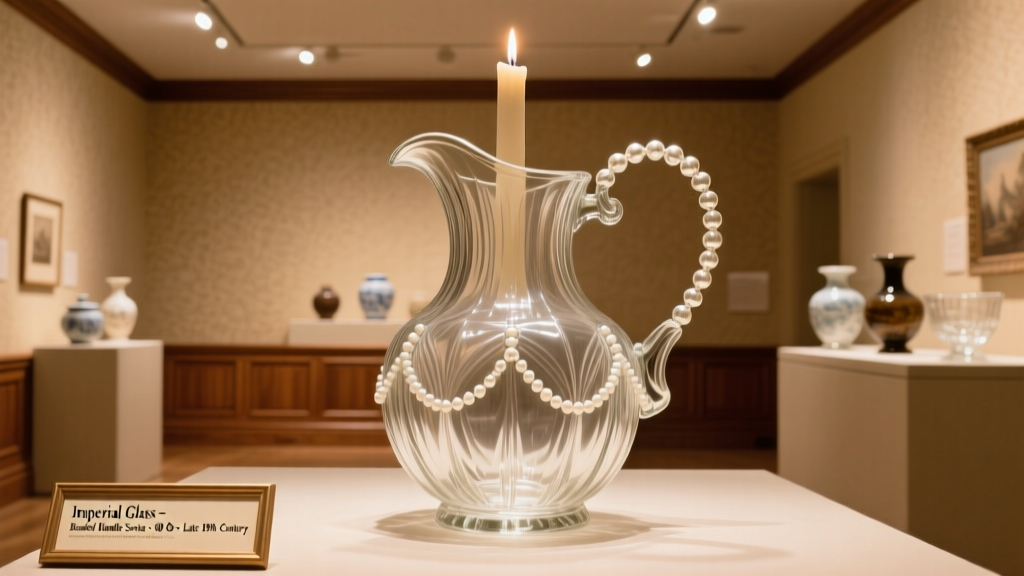
Imperial Glass Candlewick Pitcher with Beaded Handle: Authentication, Value, and Historical Context of the 80-Ounce Variant
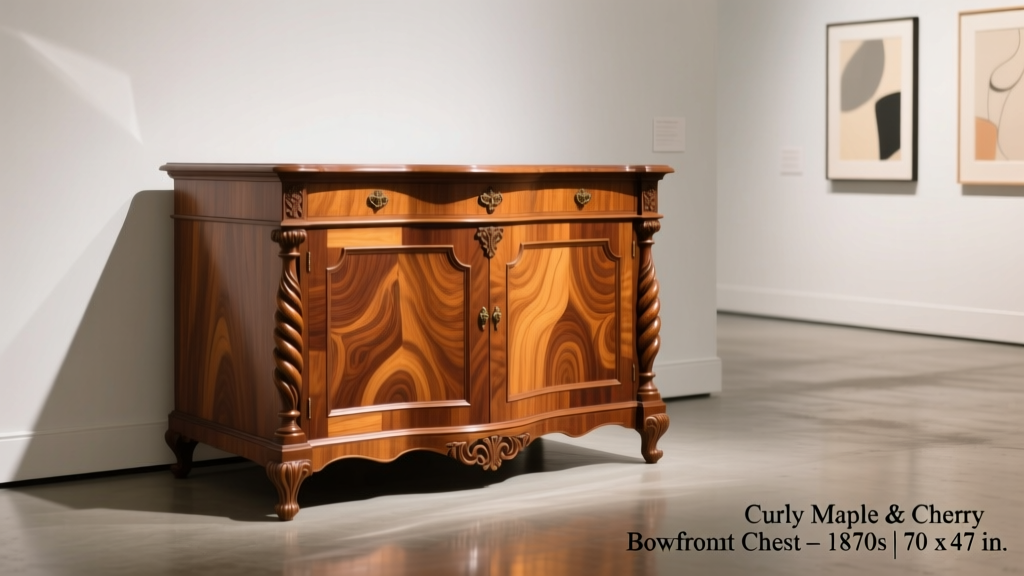
Authenticating and Valuing an 1870s Curly Maple & Cherry Bowfront Chest with Turned Columns: A Technical Market Analysis
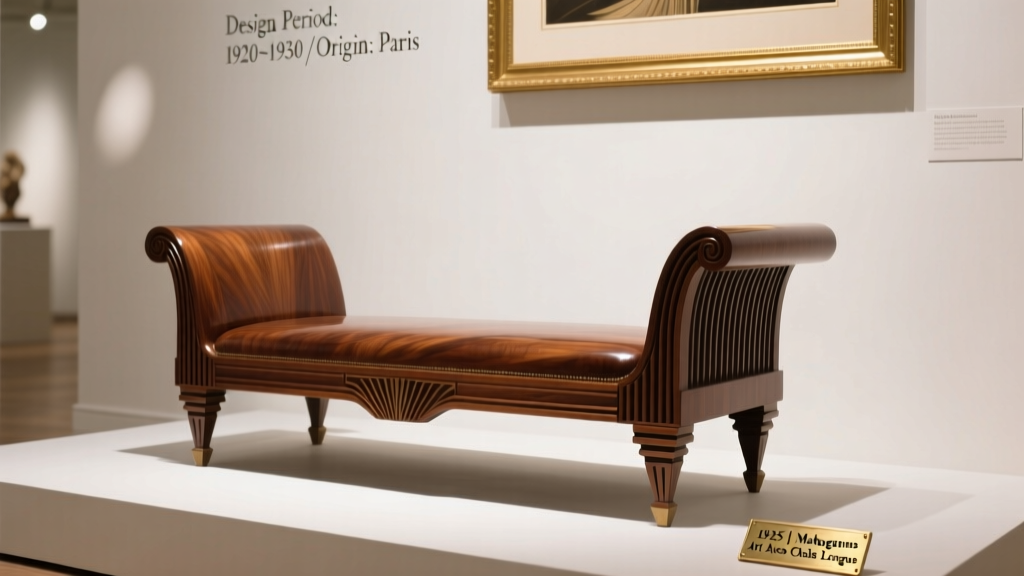
Authenticating and Valuing the 1925 Mahogany Art Deco Chaise Longue with Reeded Legs: A Technical Analysis
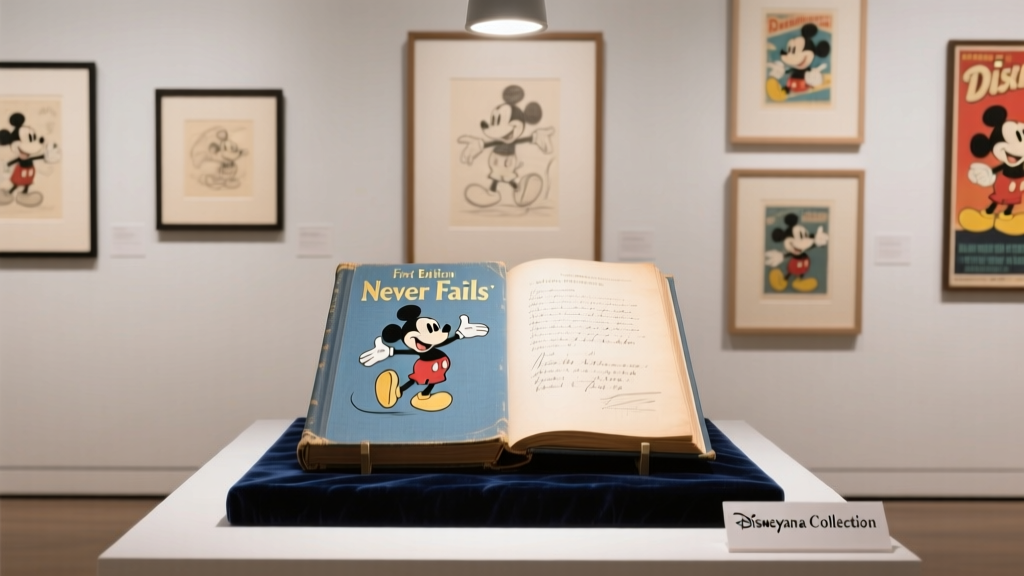
Disneyana Book 'Mickey Never Fails': A 1939 Rarity, Authentication Framework, and Market Analysis

Glass-Blown Witch’s Ball, Red, 3 1/4 Inches: Authentication, Provenance, and Market Analysis
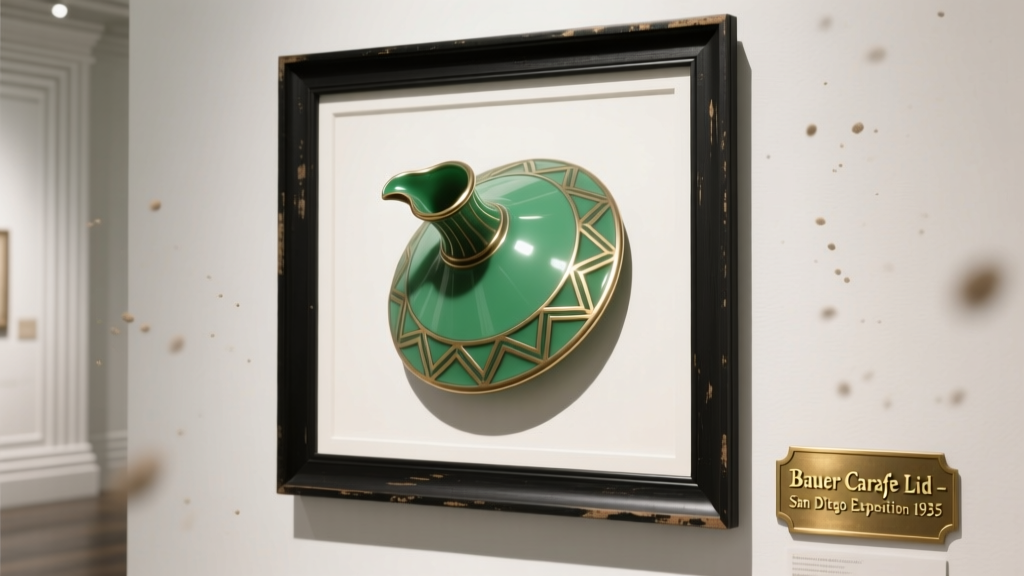
Bauer Carafe Lid in Jade Green: Authentication, Provenance, and Market Significance of the San Diego California Pacific International Exposition Commemorative Piece

S-Link Diamond Bracelets in Platinum: A Technical and Market Analysis of French-Origin Luxury Jewelry
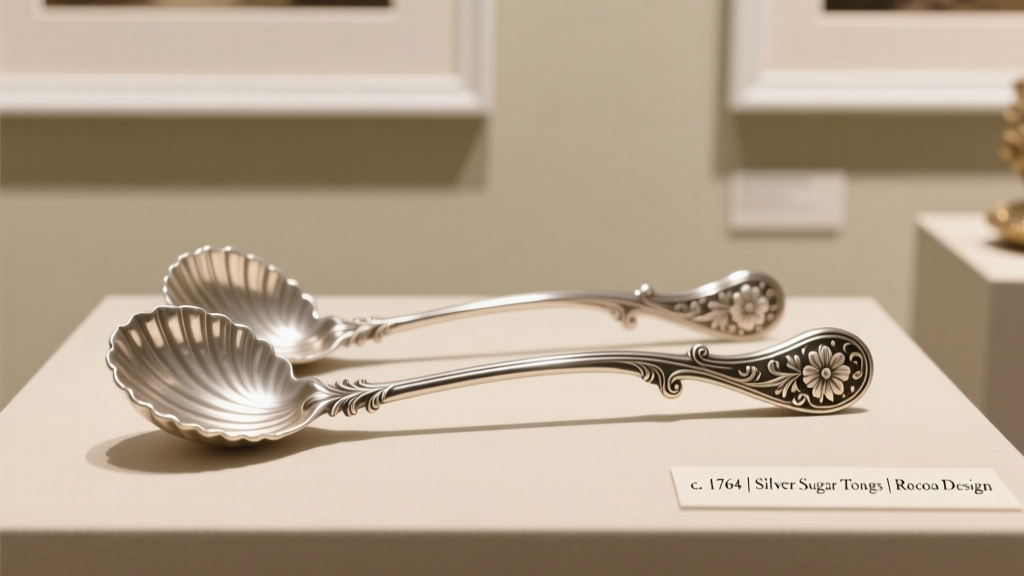
Silver English Sugar Tongs with Rococo Shell Tips, Impressed Mark 'C' — London, c. 1764, 5 Inches: Authentication, Provenance, and Market Significance