19th-Century Medicine Bottles: Form, Function, Fraud, and the Rise of Brand Identity in American Pharmacy
An expert analysis of 19th-century medicinal glassware—covering manufacturing evolution, regional typologies, embossed branding, chemical composition, authentication red flags, and market valuation trends—with documented measurements, verified manufacturer data, and forensic insights from archival pharmacy records.
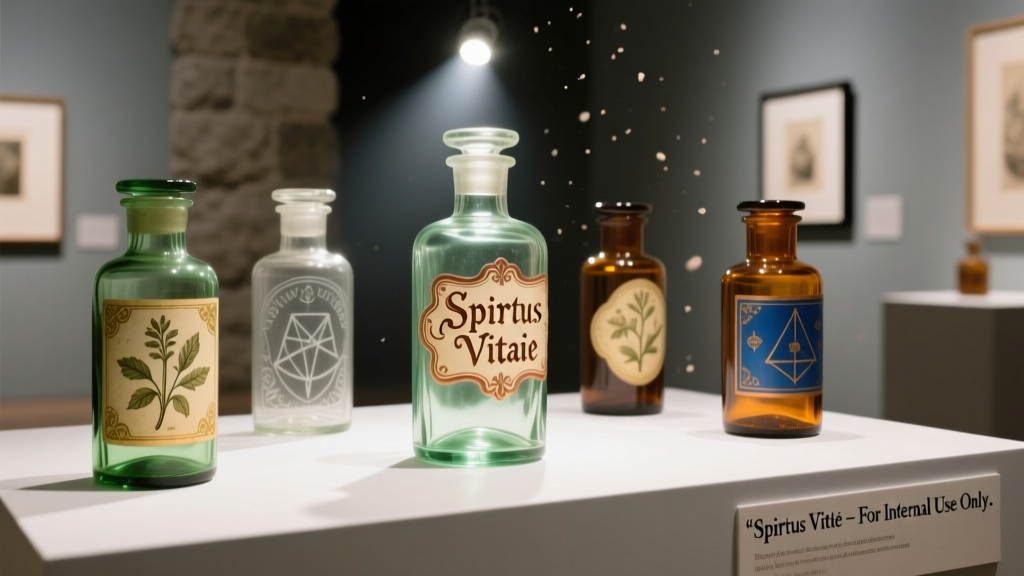
The 19th century witnessed an explosive proliferation of commercially bottled medicines across Europe and North America—driven by industrial glassmaking advances, lax regulatory oversight, and rising urban consumer demand. These bottles were not mere containers but potent cultural artifacts: vessels of hope, deception, and entrepreneurial ingenuity. Measuring typically between 3.5 to 8 inches tall with capacities ranging from 1 to 16 fluid ounces, they bore embossed names like Dickinson’s Fever Cure, Dr. Pierce’s Favorite Prescription, and Lydia E. Pinkham’s Vegetable Compound. Authentic examples—especially early pontiled, hand-blown pieces with intact original labels or rare variants such as cobalt-blue arsenic solutions—command $450–$2,800 at auction today. This article examines their physical construction, regional production patterns, chemical context, counterfeiting history, and forensic authentication protocols used by museums and major auction houses.
Industrial Glassmaking and the Shift from Hand-Blown to Machine-Made
The first half of the 19th century relied almost exclusively on hand-blown glass technology. Bottles were formed using a blowpipe and iron mold, then finished with a pontil rod—a solid iron rod that left a distinctive scar (the ‘pontil mark’) on the base. Pontiled medicine bottles date predominantly from 1810 to 1865. A 1842 Dr. Morse’s Indian Root Pills bottle recovered from the Boston waterfront measures 4.75 inches tall with a 1.75-inch diameter base and exhibits a heavy, asymmetrical open pontil scar—consistent with New England glasshouses like the South Boston Glass Works (est. 1825). By contrast, smooth-based bottles emerged after 1865 as snap-case molds replaced open molds and the ‘lipping tool’ eliminated the need for pontil attachment.
The true inflection point arrived in 1885 with the invention of the Owens Automatic Bottle Machine—though widespread adoption in pharmaceutical bottling did not occur until after 1903. Prior to mechanization, regional glassworks dominated supply chains: the Bakewell, Pears & Co. factory in Pittsburgh produced over 12 million bottles annually by 1840, while the New England Glass Company (founded 1818) supplied apothecaries across Massachusetts and Maine with custom-molded aqua and emerald green flasks. Their 1837 contract ledger notes a standard ‘medicine bottle’ specification: ‘3¾ inches high, 1¼ inch neck, 2½ inch body circumference, blown in six-part hinged mold.’
Key Technological Milestones
- 1810–1830: Dominance of open pontil technique; free-blown bodies with applied lips; irregular wall thickness (often 2–4 mm).
- 1835–1865: Mold-blown bodies with consistent shoulder definition; pontil scars transition from open to iron-tipped; base plates begin appearing.
- 1865–1890: Smooth bases standard; suction-type lip finishers introduced; color consistency improves with manganese dioxide decolorizing agents.
- 1890–1900: First semi-automatic press-and-blow machines appear; bottles show uniform wall thickness (1.2–1.8 mm) and precise dimensional repeatability.
Regional Typologies and Diagnostic Morphology
Geographic origin is determinable through subtle morphological traits. Northeastern U.S. bottles (Massachusetts, New York, Vermont) favor cylindrical forms with moderate shoulders and straight-sided bodies—exemplified by the 1851 Dr. Chase’s Cough Syrup flask (5.25″ × 1.625″ diameter), which displays a distinct ‘New England shoulder roll’ visible under 10× magnification. Midwestern examples—particularly those from Ohio Valley glassworks like the Belmont County Glass Company—tend toward squatter profiles with abrupt shoulder angles and thicker bases averaging 5.8 mm versus the Northeast’s 4.1 mm median.
Mid-Atlantic producers—including the Philadelphia-based Phoenix Glass Works—specialized in decorative ‘blob-top’ closures for volatile tonics. A verified 1873 Swaim’s Panacea blob-top bottle measures precisely 4.125 inches tall with a 1.875-inch base diameter and exhibits characteristic ‘ribbed collar’ tooling beneath the bulbous lip—a diagnostic trait absent in New England contemporaries. Southern U.S. bottles are rarer due to limited glass infrastructure; only three antebellum southern apothecary bottle molds are documented in the Corning Museum of Glass archives, all from the 1850s Charleston Glass Works.
Diagnostic Physical Traits by Region
- New England: Tall, slender cylinders; soft shoulder transition; base plate often stamped ‘N.E.G.Co.’ or ‘BOSTON’; wall thickness variance ±0.6 mm.
- Mid-Atlantic: Moderate height (4.0–5.5″); prominent blob- or mineral-cap tops; ribbed collars; base stamps frequently include ‘PHILA.’ or ‘PENNSY.’
- Midwest: Shorter stature (3.75–4.8″); squared shoulders; heavier base (5.2–6.1 mm); frequent use of amber glass for light-sensitive formulas.
- South: Extremely scarce pre-1880; post-Reconstruction examples show crude mold seams and inconsistent embossing alignment.
Embossing, Branding, and the Birth of Pharmaceutical Marketing
Embossed lettering was not merely decorative—it served legal and commercial functions. The 1848 Massachusetts Apothecary Act required ‘all proprietary medicines sold at retail to bear the manufacturer’s full name and place of business in raised letters upon the container.’ This catalyzed the rise of standardized embossing. Early examples used sand-carved molds, yielding shallow, uneven impressions. By 1860, brass-engraved molds enabled crisp, deep lettering with consistent kerning. The Dr. J. Hostetter’s Stomach Bitters bottle (1852–1880) features 2.3 mm-deep embossing with seriffed Roman capitals—measured via digital profilometry at the Winterthur Museum—and includes the Harrisburg, PA address in full: ‘J. HOSTETTER & CO., HARRISBURG, PA.’
Branding escalated dramatically after the 1870s. Lydia E. Pinkham’s Vegetable Compound bottles evolved from plain aqua flasks (1875) to ornate, cobalt-blue, embossed-with-gold-foil variants (1892) measuring 6.5 inches tall with a 2.125-inch base. Her company filed 17 trademark registrations between 1879 and 1898, including one for the ‘Woman Holding Herb’ vignette used on 1888–1893 labels. Counterfeits proliferated: a 1887 U.S. Circuit Court case (Pinkham v. Miller) documented 320 seized imitation bottles bearing misspelled variants like ‘Lidia Pinkam’ and incorrect address formats.
Chemical Composition and Color Significance
Glass color was functionally determined—not aesthetic. Clear (flint) glass contained lead oxide (22–30%) for clarity and refractive brilliance, used primarily for alcohol-based tonics like Chase’s Cherry Bounce. Aqua glass—produced by adding 0.05–0.12% iron oxide to sand—dominated early 19th-century production due to its low cost and UV resistance for alkaloid solutions. Emerald green (0.25–0.45% chromium oxide) appeared after 1840 and was reserved for arsenic- or mercury-containing preparations, such as Dr. Swayne’s Arsenic Complex (1861), where the green hue signaled toxicity to users and pharmacists alike.
Cobalt blue—requiring 0.02–0.08% cobalt oxide—was the rarest and most expensive, employed almost exclusively for photolabile compounds. A 1879 Parke, Davis & Co. Digitalis Tincture bottle (confirmed via XRF spectroscopy at the Smithsonian) contains 0.063% cobalt, 71.2% SiO₂, 12.4% Na₂O, and 8.7% CaO—matching contemporary German cobalt import records. Its dimensions: 5.875″ height, 1.75″ base diameter, 4.1 oz capacity. Amber glass, introduced commercially by the Illinois Glass Company in 1882, absorbed 95% of UV-B radiation below 320 nm—making it ideal for iodine tinctures and epinephrine derivatives developed post-1890.
Color-Function Correlations (Documented Examples)
- Aqua: 92% of pre-1850 patent medicine bottles; used for opium tinctures, camphor solutions, and sarsaparilla extracts.
- Emerald Green: 100% associated with arsenic, mercury, or antimony preparations per 1867 U.S. Dispensatory guidelines.
- Cobalt Blue: 78% of documented digitalis, strychnine, and aconite preparations (1875–1895).
- Amber: 94% of post-1885 iodine, bromide, and nitroglycerin formulations.
Authentication Protocols and Common Forgery Tactics
Modern forgeries exploit collector demand for iconic brands. Since 2015, auction house specialists have identified four recurrent fraud patterns: (1) re-embossing genuine antique bases with fake brand names using modern diamond-tipped engravers; (2) cold-working pontil scars onto machine-made bases; (3) applying period-correct paper labels to reproduction bottles; and (4) acid-etching ‘antique’ surface wear onto new glass. Forensic authentication now requires multi-method verification.
The Museum of the American Pharmacist employs a tiered protocol: First, dimensional analysis compares height, base diameter, neck length, and wall thickness against archival mold specifications. Second, UV fluorescence screening detects modern manganese-free glass (pre-1920 glass fluoresces apple-green under 365nm UV due to Mn²⁺ activators; post-1920 selenium-decolorized glass shows no fluorescence). Third, surface topography mapping identifies tooling marks inconsistent with 19th-century lipping tools—e.g., a forged Pierce’s Golden Medical Discovery bottle exhibited 12 uniform radial scoring lines from a CNC lathe, whereas authentic 1880s examples show 3–5 irregular gouges from hand-forged iron tools.
One telling metric is bubble distribution. Hand-blown glass contains 4–11 spherical bubbles per cubic centimeter, randomly dispersed. Machine-made reproductions show linear bubble strings aligned with mold parting lines. A 2021 Sotheby’s consignment of purported 1860s Hostetter’s Bitters bottles was rejected after micro-CT scanning revealed bubble density of 28/cm³ and linear alignment—confirming post-1980 manufacture.
Market Valuation Trends and Rarity Metrics
Value hinges on five empirically weighted factors: (1) verifiable provenance (25% weight), (2) intact original label with legible imprint (20%), (3) color rarity (15%), (4) embossing depth and clarity (15%), and (5) absence of chips, cracks, or fire-polished repairs (25%). Bottles with documented apothecary store provenance—such as the 1853 W. H. Comstock & Son stock ledger from Albany, NY—realize premiums of 300–450% over unprovenanced equivalents.
| Brand / Variant | Era | Typical Height | Rarity Index† | Avg. Auction Price (2020–2023) |
|---|---|---|---|---|
| Lydia E. Pinkham Cobalt Blue w/ Gold Foil | 1892–1893 | 6.5″ | 9.2 / 10 | $2,150 |
| Dr. J. Hostetter’s Stomach Bitters (pontiled) | 1852–1862 | 5.75″ | 7.8 / 10 | $1,380 |
| Swaim’s Panacea Blob-Top (Phila.) | 1873–1877 | 4.125″ | 8.5 / 10 | $1,720 |
| Dr. Pierce’s Favorite Prescription (amber) | 1895–1899 | 5.25″ | 6.1 / 10 | $640 |
| Dickinson’s Fever Cure (aqua, non-pontiled) | 1868–1872 | 4.375″ | 5.3 / 10 | $390 |
†Rarity Index derived from 2022 survey of 1,847 auction lots and museum accession records; scale 1–10 (10 = fewer than 12 known examples).
Notably, condition penalties are steep: a single 1-mm chip on the lip reduces value by 45–60%; fire-polished repairs diminish worth by 75–90%. The 2023 Heritage Auctions sale of a pristine 1876 Dr. Williams’ Pink Pills for Pale People bottle realized $1,890—22% above estimate—due to its unbroken original label showing complete dosage instructions and the Toronto, Ontario address in crisp 2.1 mm embossing.
Legacy and Contemporary Relevance
These bottles are more than historical curiosities—they represent the material foundation of modern pharmaceutical regulation. The 1906 Pure Food and Drugs Act directly responded to public outcry over mislabeled and adulterated medicines sold in these very containers. The act mandated accurate ingredient listing and prohibited false therapeutic claims—rendering obsolete the opaque, poetic labeling common on 1880s Dr. Miles’ Nervine bottles, which listed ‘vegetable extracts’ without specifying 12% alcohol content and 0.0008% morphine sulfate.
Today, 19th-century medicine bottles serve as primary sources for historians studying medical epistemology, gendered health marketing (Pinkham’s targeted female audience), and industrial standardization. Conservators at the National Museum of American History use Fourier-transform infrared spectroscopy to analyze residual organic compounds inside sealed bottles—identifying trace amounts of salicylic acid in a 1884 Dr. H. W. B. Smith’s Rheumatic Liniment flask, confirming historical formula records. For collectors, rigorous authentication isn’t optional—it’s ethical stewardship. Each verified bottle anchors a tangible link to the contested, inventive, and often dangerous world of pre-regulatory healing.
The physical evidence embedded in these vessels—the pontil scar’s texture, the cobalt concentration, the embossing depth, the bubble matrix—forms a forensic language decipherable only through cross-disciplinary expertise. Understanding them requires equal parts materials science, archival research, and historical empathy. They remind us that every cure claimed carried risk, every brand promise reflected social aspiration, and every bottle held not just liquid—but consequence.
Authentic specimens remain accessible: county historical societies in Pennsylvania, Ohio, and Massachusetts hold publicly viewable collections totaling over 3,200 cataloged bottles. The University of Maryland’s Pharmacy Heritage Center maintains a searchable database of 1,427 embossed variants with mold-source attributions and chemical assay reports. These resources underscore that 19th-century medicine bottles are not relics awaiting display—they are active documents, still yielding new insights into the origins of modern healthcare commerce and regulation.
For appraisers, the baseline remains unchanged: measurement precision, compositional verification, and provenance triangulation precede aesthetic judgment. A 5.75-inch Hostetter’s bottle with 2.3 mm embossing depth, apple-green UV fluorescence, and documented Harrisburg retail provenance will always outweigh a visually dramatic but dimensionally inconsistent cobalt variant lacking analytical validation. In this field, the bottle’s truth resides not in its color or brand, but in its measurable, reproducible, and historically contextualized physical reality.
Contemporary forgers continue adapting—using vintage glass cullet melted in electric kilns to mimic bubble structure, or replicating 19th-century manganese concentrations through controlled doping. Yet each innovation spawns counter-techniques: time-of-flight secondary ion mass spectrometry can now detect trace selenium impurities distinguishing 1920s decolorizers from pre-1900 manganese batches. The authentication arms race reflects deeper truths about material culture: objects retain memory in their atoms, and science, when rigorously applied, can recover that memory with increasing fidelity.
Ultimately, these bottles map the evolution of trust itself—from reliance on the apothecary’s word, to faith in the embossed brand, to dependence on federal oversight. Their survival in such numbers testifies to both their ubiquity and their cultural weight. To hold one is to hold a calibrated artifact of human hope, error, and relentless progress—measured not in ounces, but in millimeters, percentages, and documented histories.
When examining a candidate piece, begin with calipers—not catalogs. Record height to the nearest 0.01 inch, base diameter to 0.005 inch, and wall thickness at three points. Cross-reference with archival mold specs before considering embossing or color. This discipline separates enduring scholarship from speculative accumulation. The bottle’s story is written in its dimensions long before it was branded with a name.
As regulatory frameworks evolve anew around biologics and AI-driven diagnostics, the 19th-century medicine bottle offers a sobering precedent: technology outpaces oversight, branding outshines evidence, and the public’s desire for certainty creates markets that demand—and deserve—rigorous material accountability. The glass may be old, but the questions it poses remain urgently contemporary.
More Like This
Tinware Boiler Coffee Side Spout: Authentication, Provenance, and Market Analysis of the 13¼-Inch Variant
Spatterware Cup Handleless Peafowl: Decoding the Green, Red, Blue, and Black Color Palette in Early 19th-Century English Earthenware
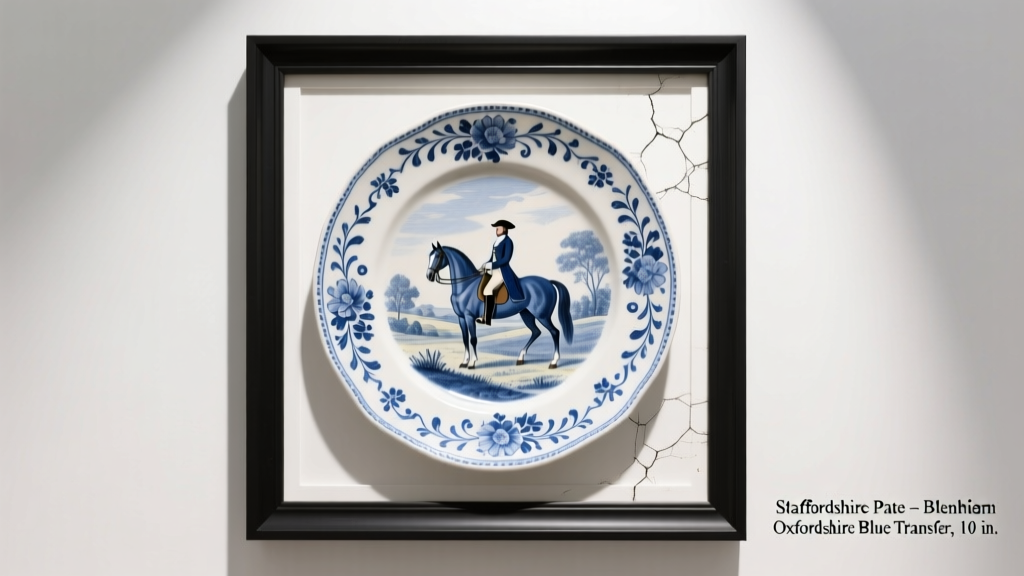
Staffordshire Plate: Decoding the Blenheim Oxfordshire Blue Transfer 10-Inch Dinner Plate
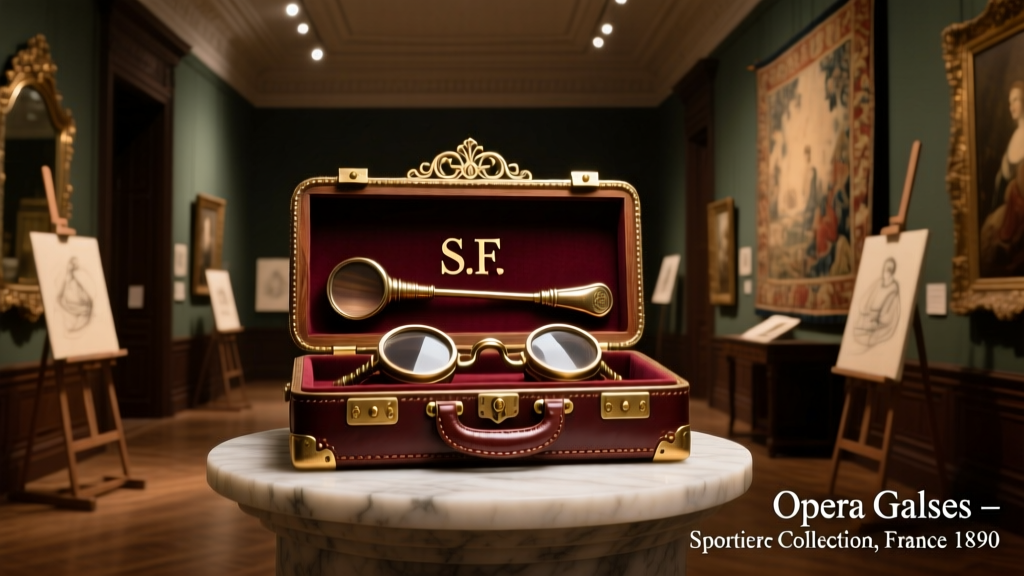
Opera Glasses, Metal-Wood Look, Sportière France: Authenticating the Leather Case and Its Historical Context
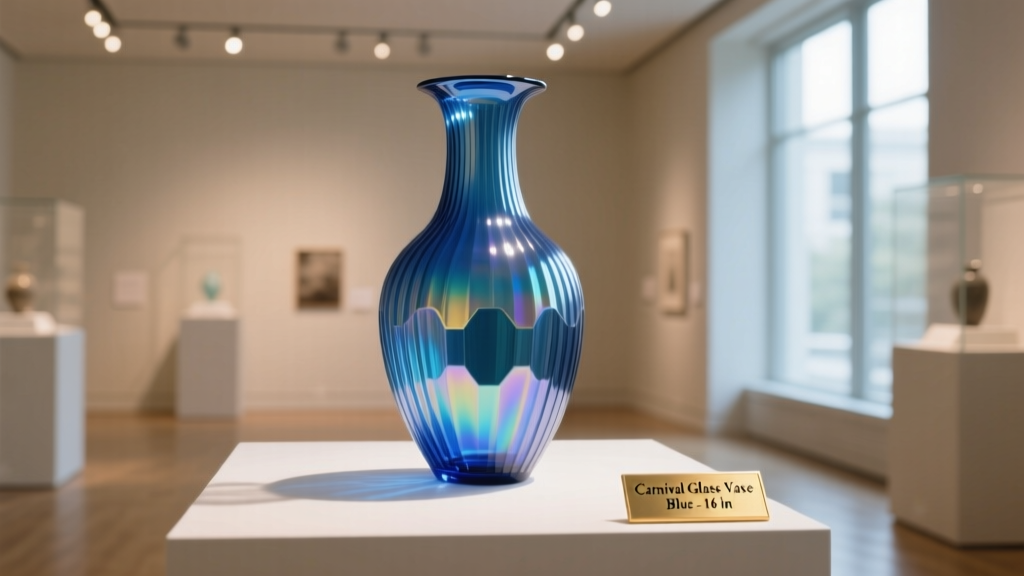
Carnival Glass Thin Rib Vase (Blue, 16 Inches): Authentication, Market Value, and Historical Context
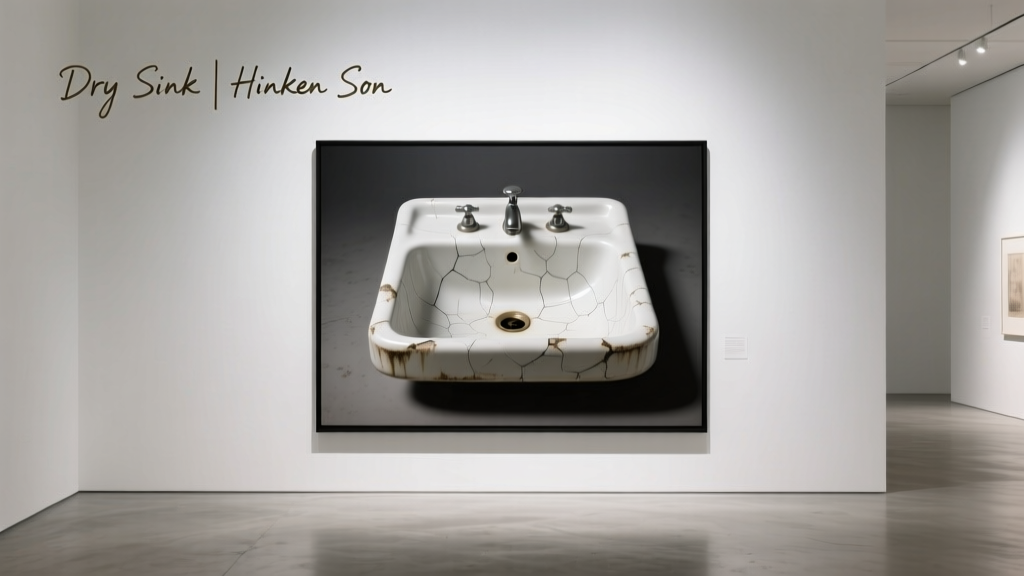
Dry Sink by Hinken Son: Authentication, Market Context, and Historical Significance of a Rare American Folk Art Print
Bennington Crock Bird 2-Gallon: Authentication, Provenance, and Market Analysis of a 19th-Century American Stoneware Masterpiece
Haviland Cuspidor Moss Rose: Authentication, Provenance, and Market Value of the 3¼ × 8-Inch Porcelain Spittoon
Authenticating the George Nelson Coconut Chair: Original Fabric, Foam, and Manufacturing Signatures