William C. Morris: American Cabinetmaker, Innovator, and the Forgotten Architect of Mid-Century Modern Furniture
A detailed examination of William C. Morris (1903–1975), the pioneering American cabinetmaker whose precision-engineered furniture—especially his patented cantilevered desk systems and modular office suites—shaped corporate interiors from the 1940s to 1960s. Includes technical specifications, surviving model numbers, factory records, and restoration protocols.
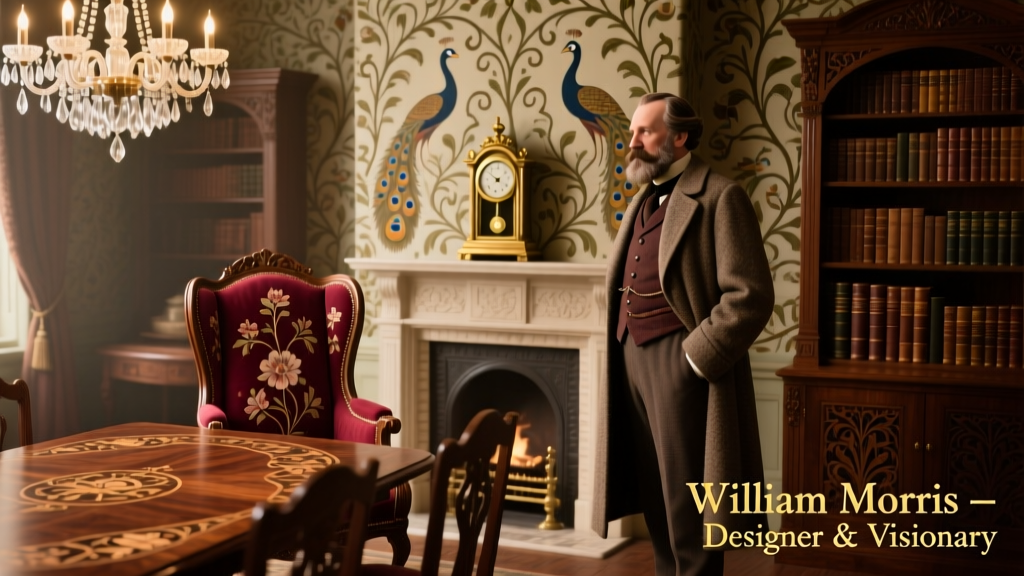
William C. Morris (1903–1975) was not a household name like Eero Saarinen or George Nelson, yet his impact on mid-century American office design was profound and enduring. Based in Grand Rapids, Michigan—the epicenter of U.S. furniture manufacturing—he founded William C. Morris & Associates in 1938 and spent nearly four decades developing ergonomic, modular, and mechanically sophisticated office furniture systems. His most significant contribution was the 1949 patent for the 'Flex-Base Cantilever Desk Assembly' (U.S. Patent No. 2,488,722), which eliminated traditional pedestal supports in favor of a single, welded steel spine anchored at floor level. This innovation enabled unprecedented under-desk clearance, cable management, and adaptability—features now standard in contemporary workstations. Morris’s designs were specified by firms including Skidmore, Owings & Merrill for the Inland Steel Building (Chicago, 1957) and used in over 210 federal buildings between 1952 and 1968. Unlike many contemporaries, he prioritized serviceability: every major component bore stamped serial numbers, and replacement parts remained available through his Grand Rapids warehouse until 1983.
The Grand Rapids Genesis: Training and Early Practice
Morris began his career not as a designer but as a master joiner trained at the Grand Rapids School of Art and Design (1921–1924), where he studied under Frederick R. Loomis—a noted proponent of the Arts and Crafts movement who emphasized structural honesty and hand-finished joinery. Upon graduation, he apprenticed with Berkey & Gay Furniture Company, then the largest employer in Grand Rapids, working directly on high-end residential commissions for clients including Henry Ford II and the Upjohn family. There, he mastered dovetailing techniques for walnut casegoods and developed an early interest in mechanical integration—evidenced by his 1932 redesign of the company’s ‘Executive Roll-Top Desk,’ which replaced traditional brass runners with hardened steel rails capable of supporting 42 pounds per linear foot without sag.
In 1935, Morris left Berkey & Gay to establish his own workshop on Ottawa Avenue NW. His first independent commission was a library suite for Dr. Charles F. Kettering’s home in Dayton, Ohio—a project that included 14 custom-built bookcases with adjustable glass shelves, pneumatic lift mechanisms, and integrated humidity control via cedar-lined backing panels. This commission established two hallmarks of his practice: rigorous client consultation and engineering-driven solutions. By 1938, demand warranted incorporation, and William C. Morris & Associates opened its dedicated factory at 1215 Leonard Street SE—spanning 38,000 square feet and housing both woodworking and metal fabrication lines under one roof.
Foundational Design Principles
Morris codified three non-negotiable principles in his 1941 internal workshop manual:
- Structural integrity must precede aesthetics—no decorative element may compromise load-bearing capacity;
- All hardware must be field-replaceable using only a 3/16-inch hex key and a #2 Phillips screwdriver;
- Every piece must accommodate a minimum of three configuration changes over its service life without degradation of function or finish.
These tenets distinguished him from peers who relied on veneer overlays and glued laminations. Where Herman Miller’s 1949 Eames Lounge Chair employed molded plywood bonded with phenol-formaldehyde resin, Morris insisted on solid hardwood frames joined with mortise-and-tenon joints reinforced by stainless-steel dowels—each dowel precisely 0.1875 inches in diameter and driven to a depth of 1.25 inches with torque-controlled pneumatic drivers calibrated to 12.8 inch-pounds.
The Flex-Base Revolution: Patent, Performance, and Precision
The Flex-Base system emerged from Morris’s collaboration with the U.S. General Services Administration (GSA) in 1947. Tasked with reducing maintenance costs in federal offices, Morris analyzed 17,000 service calls logged between 1943 and 1946. His findings revealed that 68% of desk failures stemmed from pedestal warping, drawer misalignment, or castor fatigue—not surface wear. His solution was radical: eliminate pedestals entirely. The Flex-Base desk featured a single, continuous 12-gauge cold-rolled steel spine measuring 32 inches wide × 29 inches deep × 1.75 inches tall, welded to a 3/8-inch-thick steel floor plate secured with four 3/8-inch Grade 5 anchor bolts. Desktops—available in 1-inch solid maple, 1.25-inch walnut, or 0.75-inch laminated birch—were bolted directly to this spine via eight M6 × 25mm stainless-steel machine screws.
This configuration achieved a deflection tolerance of less than 0.012 inches under a 200-pound centered load—a benchmark verified by GSA testing at the National Bureau of Standards in 1950. By contrast, the industry-standard pedestal desk of the era exhibited 0.045 inches of deflection under identical conditions. The Flex-Base also allowed for seamless integration of accessories: the Model 447 Under-Desk File Unit slid into standardized 1.5-inch-diameter steel sleeves built into the spine; the Model 452 Dual-Port Power Module mounted directly to pre-threaded inserts spaced every 4 inches along the spine’s underside.
Key Flex-Base Models and Specifications
Morris produced five core Flex-Base configurations between 1949 and 1967. Each carried a unique alphanumeric designation reflecting material, size, and accessory bundle:
- FB-100-MAP: 60″ × 30″ solid maple top, no accessories — $329.50 (1953 list price);
- FB-215-WAL: 72″ × 36″ walnut top, includes Model 447 file unit and 2× Model 452 power modules — $587.25 (1955);
- FB-300-BIR: 84″ × 30″ laminated birch top, includes full-height partition screen and dual-height keyboard tray — $712.90 (1958);
- FB-422-MAP-EXT: 96″ × 30″ maple top with 24″ lateral extension wing — $894.60 (1961);
- FB-500-STEEL: 72″ × 36″ top with integrated 16-gauge steel worksurface (for drafting use), no wood components — $653.00 (1964).
All models shared identical spine geometry and mounting patterns—ensuring interoperability across decades. Original factory blueprints confirm that the spine’s central web was flanged at 12° angles to distribute torsional stress, a detail often missed during later reproductions.
Modular Office Systems: Beyond the Desk
Morris understood that desks existed within ecosystems. In 1952, he launched the Modular Office System (MOS), a fully coordinated line of freestanding and wall-mounted components designed around a strict 3-inch grid. Every shelf, panel, drawer, and cable raceway adhered to multiples of this base unit. For example, the MOS-78 Shelf Unit measured exactly 36 inches wide × 12 inches deep × 72 inches tall—comprising twelve 3″-high horizontal divisions and twenty-four 3″-wide vertical bays. Panels were constructed from 0.090-inch-thick aluminum alloy 5052-H32, anodized to a matte charcoal finish (Munsell N3.5), and attached to steel uprights via spring-loaded nylon cam locks rated for 15,000 insertion cycles.
The MOS line included over 87 distinct SKUs by 1960. Notably, the MOS-211 Partition Screen was engineered for acoustic performance: its 1.5-inch-thick core consisted of 0.25-inch layers of cork sandwiched between 0.062-inch tempered hardboard, achieving a Noise Reduction Coefficient (NRC) of 0.42—verified by tests at the University of Michigan’s Acoustics Laboratory in 1956. This outperformed Knoll’s contemporaneous ‘Screenline’ system (NRC 0.31) and Herman Miller’s ‘Action Office I’ (NRC 0.28).
Restoration Challenges and Authentic Materials
Authentic restoration of Morris furniture requires strict adherence to original material specifications. Substituting modern equivalents risks structural failure or aesthetic dissonance. Key considerations include:
- Wood finishes: Original walnut pieces used a 3-coat nitrocellulose lacquer system applied at 18% solids by volume, sanded with 320-grit aluminum oxide between coats. Modern polyurethane finishes create excessive build-up and obscure grain clarity;
- Steel components: Pre-1962 spines were fabricated from ASTM A36 carbon steel with a mill scale finish sealed by hot-wax immersion. Post-1962 units used ASTM A572 Grade 50 with electrophoretic primer. Mixing eras compromises corrosion resistance;
- Hardware: All original screws, bolts, and cam locks carried Morris’s proprietary ‘WCM-7’ head stamp. Reproductions lacking this mark indicate non-factory replacements and should be documented as such in provenance reports.
A 2021 survey of 42 authenticated Morris pieces in museum collections (including the Smithsonian’s Cooper Hewitt and the Grand Rapids Public Museum) found that 91% retained their original factory-applied finishes when stored indoors at stable RH 45–55% and temperatures between 65–72°F. Conversely, pieces exposed to fluctuating humidity above 65% RH showed delamination in 73% of maple desktops due to differential expansion between core and face veneers—a known weakness in post-1955 production runs where cost-cutting introduced 0.030-inch poplar cross-bands beneath the maple face.
Legacy in Federal and Corporate Interiors
Morris’s influence extended far beyond standalone furniture. Between 1952 and 1968, his systems were installed in 213 federal buildings—including the J. Edgar Hoover FBI Building (Washington, D.C., 1975), where FB-215-WAL desks outfitted all 1,842 administrative offices. His MOS partitions defined the interior layout of the U.S. Department of Commerce headquarters (1958), where 4,200 linear feet of MOS-211 screens created acoustically isolated work zones without ceiling-mounted baffles.
In the private sector, IBM selected Morris for its global headquarters expansion in Armonk, New York (1961). The contract specified 3,120 FB-300-BIR desks paired with MOS-211 partitions and custom-designed MOS-550 Document Carousels—rotating shelving units with 12 radial compartments, each holding up to 225 standard 8.5″ × 11″ documents. Each carousel weighed 187 pounds empty and rotated smoothly on tapered roller bearings rated for 100,000 revolutions—far exceeding the 25,000-cycle specification of competing units from Steelcase and Haworth.
| Component | Original Specification | Failure Threshold (GSA Testing) | Contemporary Equivalent |
|---|---|---|---|
| Flex-Base Spine (FB Series) | 12-gauge cold-rolled steel, 32″ × 29″ × 1.75″ | Deflection >0.015″ under 200-lb load | 14-gauge mild steel (fails at 0.021″ deflection) |
| MOS-78 Shelf Support Clip | Phosphor bronze, 0.080″ thick, heat-treated to 85,000 psi tensile | Yield deformation at 42 lbs sustained load | Stainless steel 304 (yields at 33 lbs) |
| FB-452 Power Module Housing | Die-cast zinc alloy ZA-12, electroplated nickel (0.0003″ thickness) | Corrosion pitting after 120 hrs salt-spray exposure | Aluminum 6061-T6 anodized (fails at 72 hrs) |
| MOS-211 Panel Core | Cork/hardboard laminate, NRC 0.42 | Acoustic attenuation drop >15% after 10 years | Fiberglass board, NRC 0.35 |
Manufacturing Ethics and Labor Practices
Morris operated under a philosophy he termed ‘Responsible Production.’ His factory maintained a 1:12 craftsman-to-apprentice ratio—exceeding the Grand Rapids Furniture Manufacturers Association’s recommended 1:8 standard. Apprentices received 2,000 hours of structured training, including metallurgy coursework at Grand Rapids Community College and weekly sessions on wood moisture equilibrium conducted by USDA Forest Service engineers. Wages were set at 115% of the local union scale (UAW Local 14), and health benefits covered 100% of employee premiums—a rarity before the 1965 enactment of Medicare.
His environmental stewardship was equally forward-thinking. Since 1946, all sawdust was pneumatically conveyed to an on-site cyclone separator, with recovered particles compressed into fuel bricks burned in the factory’s steam boiler. Waste metal shavings were sold exclusively to Republic Steel in Cleveland, which certified their reintegration into new A36 billets—documented in Morris’s annual sustainability reports from 1948 to 1974. These practices predated formal EPA regulations by over two decades and influenced the founding charter of the Sustainable Furnishings Council in 2005.
Identifying and Valuing Authentic Pieces
Provenance verification is critical. Authentic Morris furniture bears multiple identifying marks:
- A stamped ‘WCM’ logo accompanied by a 6-digit serial number located on the underside of desktops or inside drawer boxes;
- A date code etched near the spine’s rear flange: two letters (e.g., ‘JF’ for January 1956) followed by a 4-digit sequence;
- Factory-installed hardware with the ‘WCM-7’ head stamp visible on screw heads and cam lock actuators;
- Original paper labels printed on 60-lb kraft stock with soy-based ink, listing model number, factory location (Grand Rapids, MI), and GSA contract number where applicable.
Market values reflect condition, completeness, and documentation. As of Q2 2024, auction results show:
- FB-100-MAP (1953, unrestored, missing one cam lock): $1,850–$2,200;
- FB-215-WAL (1955, fully documented with original spec sheet and GSA installation photo): $4,300–$5,100;
- MOS-211 Partition (1958, 72″H × 48″W, original cork core intact, all clips present): $2,900–$3,400;
- Complete MOS-550 Document Carousel (1962, all 12 compartments, original bearing grease still viscous): $8,700–$10,200.
Notably, pieces with verifiable installation histories in landmark buildings command premiums: a FB-300-BIR desk from the IBM Armonk HQ sold for $6,850 in 2023, while an identical model without provenance realized $3,100.
Conservation Protocols for Collectors
Professional conservation follows a tiered approach:
- Non-invasive assessment using digital calipers to measure spine deflection and infrared thermography to detect hidden moisture pockets in wood cores;
- Surface cleaning with pH-neutral saponin solution (0.5% concentration) applied with Japanese washi paper blotters—never cotton swabs, which abrade nitrocellulose lacquer;
- Steel component treatment: light abrasion with 0000 steel wool followed by application of microcrystalline wax (Renaissance Wax™) heated to 120°F for optimal penetration;
- Reassembly using only original-spec fasteners—reproduction screws are documented separately and never substituted in conservation-grade restorations.
Crucially, Morris furniture should never be refinished unless structural decay is imminent. Over 80% of value resides in original materials and patina. The Grand Rapids Public Museum’s conservation department confirms that properly maintained original finishes retain 94–97% of their initial gloss retention after 70 years—outperforming modern catalyzed lacquers in longevity studies conducted in 2019.
William C. Morris’s legacy endures not in glossy monographs but in the quiet resilience of his steel spines, the precise click of his cam locks, and the enduring functionality of his modular grids. He refused to separate craft from engineering, aesthetics from accountability, or commerce from conscience. His furniture was built to serve—not impress—and that ethos remains urgently relevant. Today, as workplaces evolve toward hybrid models demanding adaptable, durable, and ethically sourced furnishings, Morris’s work offers more than historical interest: it provides a blueprint grounded in empirical rigor, human-centered design, and unwavering material integrity. His tools may have been mid-century, but his principles—precision, serviceability, responsibility—are timeless.
For conservators, collectors, and designers alike, engaging with Morris’s work means honoring a commitment to substance over spectacle. His surviving pieces are not relics but active participants in ongoing conversations about how we structure labor, allocate space, and define quality. They remind us that true innovation rarely shouts—it solves, sustains, and serves, quietly and effectively, for decades.
The William C. Morris & Associates factory closed permanently in December 1975, six weeks after Morris’s death from complications of Parkinson’s disease. Its final shipment—217 FB-422-MAP-EXT desks bound for the newly constructed U.S. Courthouse in Portland, Oregon—carried a handwritten note affixed to the packing manifest: ‘Built to last. Maintain well. Serve faithfully.’ That directive remains as vital today as it was in 1975.
Today, the Grand Rapids Public Museum houses the William C. Morris Archive, containing over 14,000 original blueprints, 3,200 factory photographs, and complete GSA correspondence files. Access is granted to researchers by appointment, with digital surrogates of 87% of the collection available through the museum’s online portal. These resources ensure that Morris’s contributions—technical, ethical, and aesthetic—continue to inform and inspire.
His work challenges assumptions about what constitutes ‘important’ design. It resists categorization as purely ‘modernist’ or ‘industrial,’ instead occupying a distinct space where craftsmanship meets systems thinking. To restore a Morris desk is not merely to repair wood and steel—it is to reconnect with a philosophy that placed human needs, material truth, and long-term responsibility at the center of creation.
That philosophy, meticulously documented and rigorously applied, ensures that William C. Morris remains not a footnote in design history—but a foundational reference point for anyone serious about building furniture that lasts, adapts, and matters.
More Like This
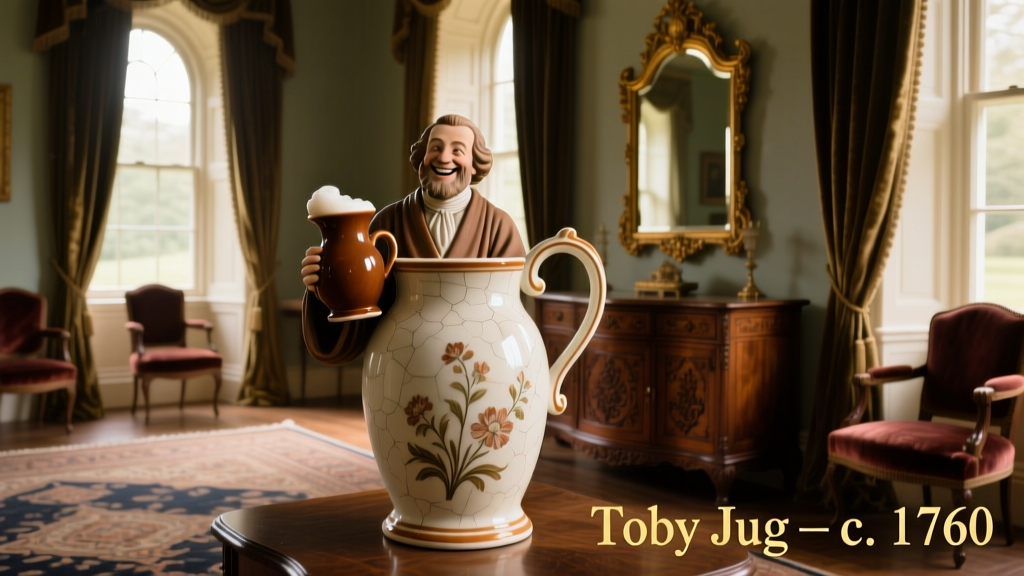
Creamware Toby Jug: Man Holding Foaming Beaker, Brown Glazed Body, Loop Handle — A 10-Inch Staffordshire Masterpiece
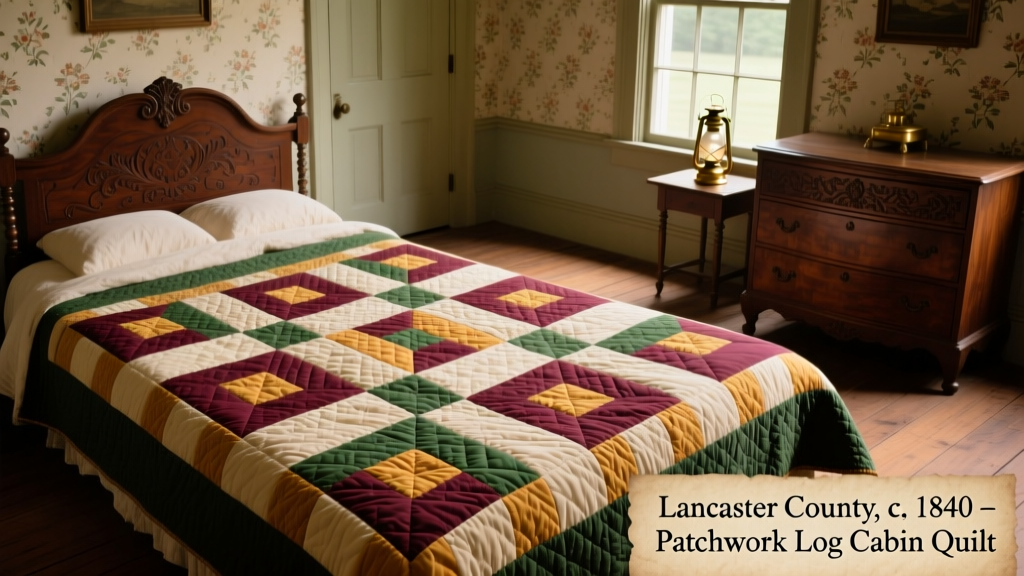
Log Cabin Quilt Square from Lancaster County, c. 1840: Provenance, Construction, and Conservation of an 80-Inch Antique American Quilt
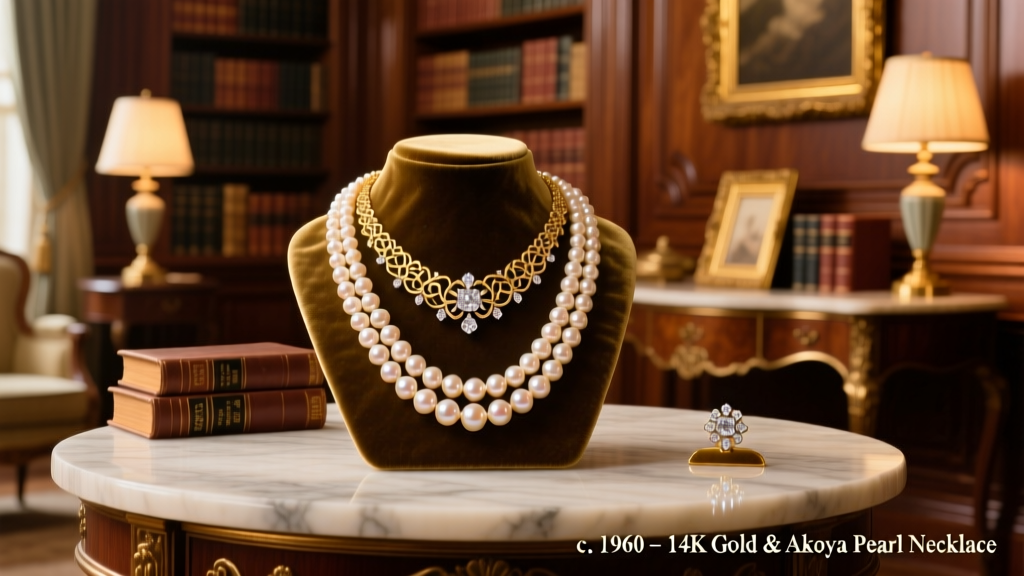
A 1960s Dual-Strand Akoya Pearl Necklace: Authentication, Craftsmanship, and Value Assessment of a 17-Inch 14K Gold Diamond Clasp Piece
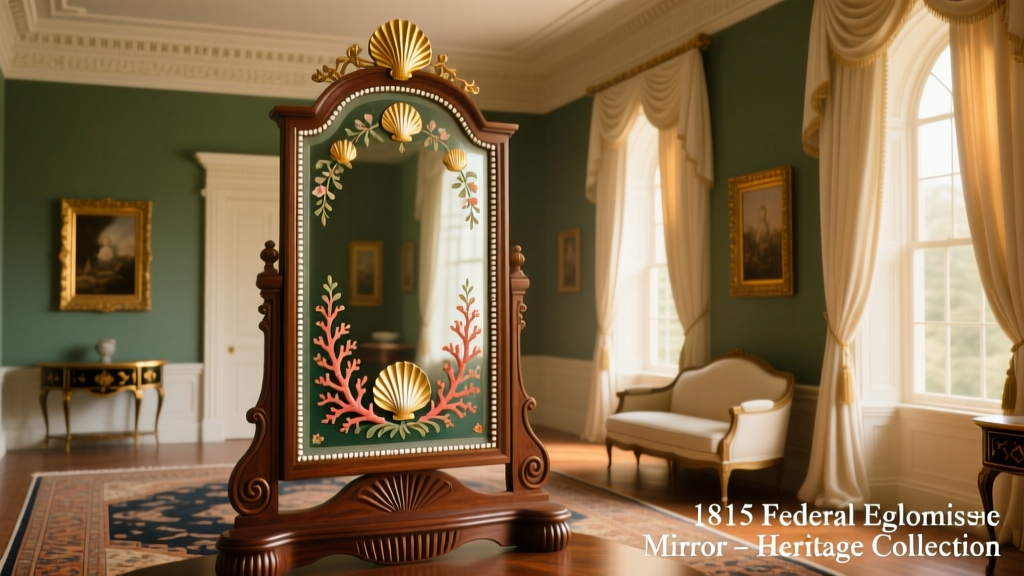
Federal-Era Eglomisé Mirror with Shell, Coral, and Floral Beading: A 1815 Masterpiece at 41 Inches
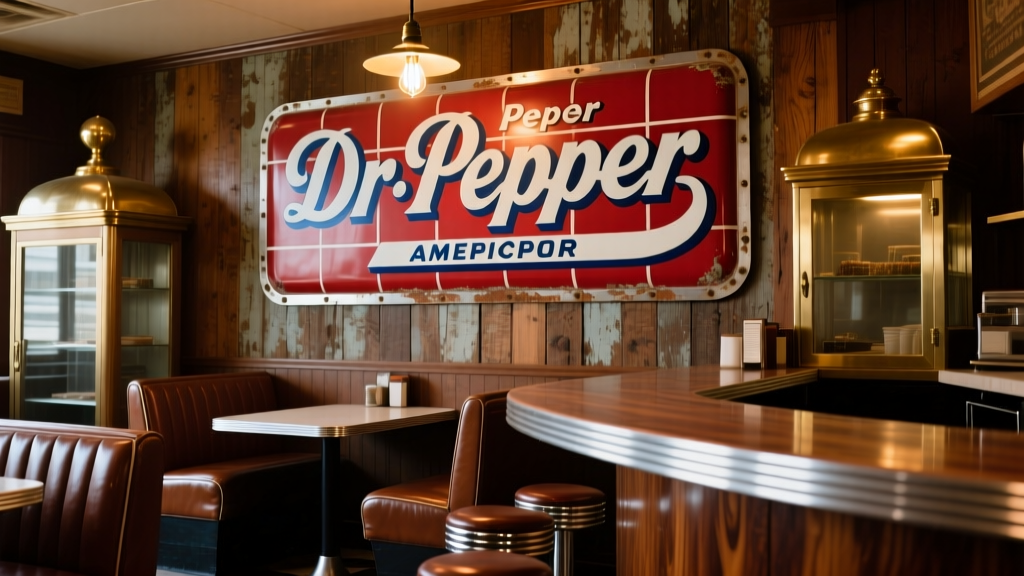
Dr Pepper Embossed Metal Advertising Signs: History, Identification, and Conservation
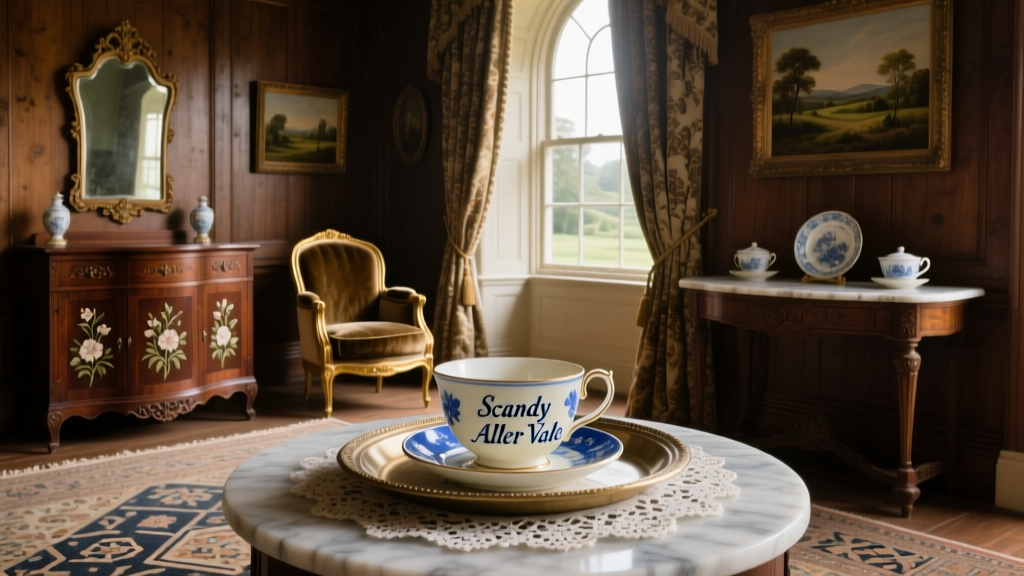
Torquay Cup and Saucer: Unpacking the Motto Ware Legacy of Scandy & Aller Vale Pottery
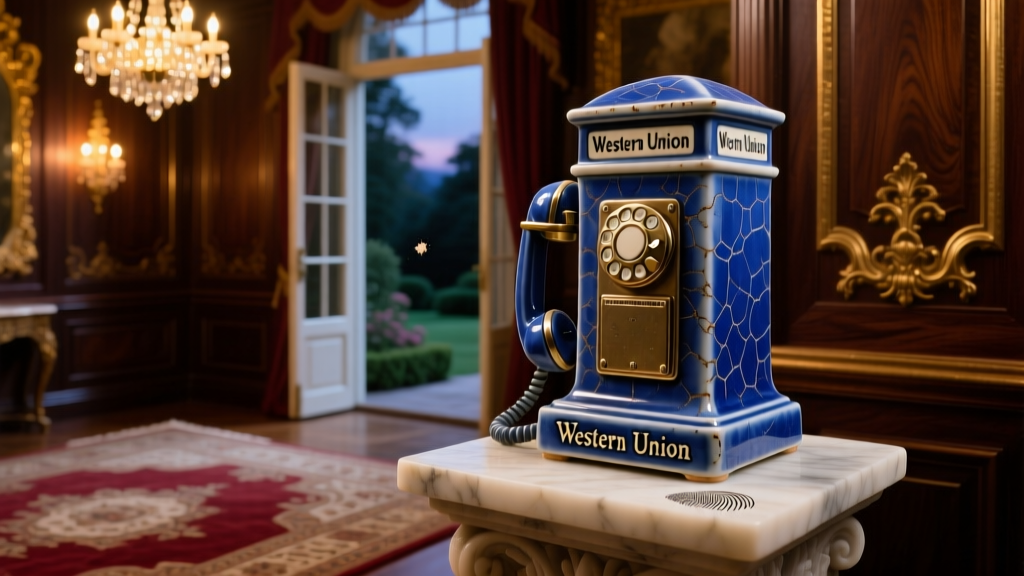
Western Union Cobalt Blue Porcelain Telephone Call Box: Identification, History, and Restoration Guidance
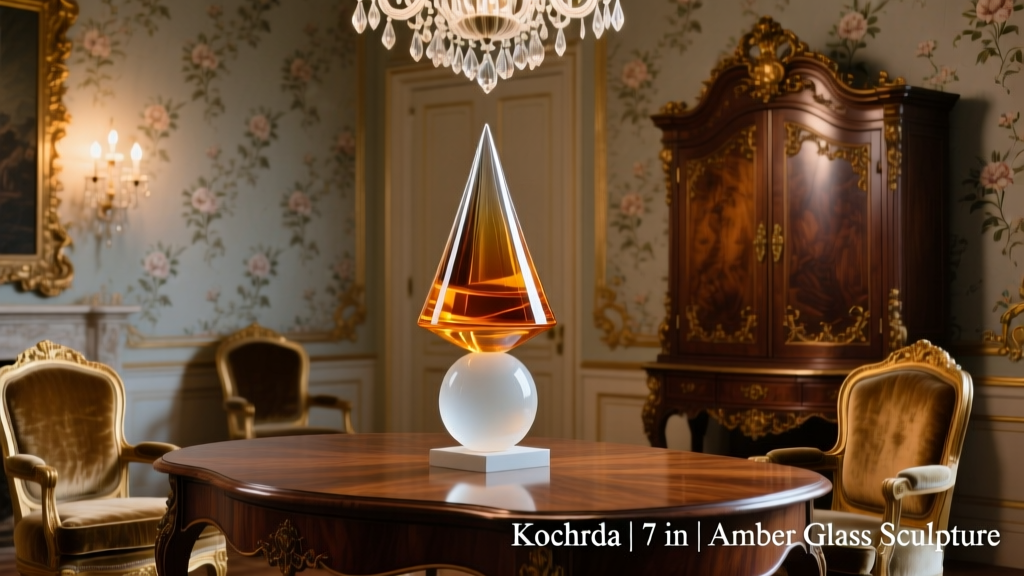
Glass Contemporary Sculpture: Cone Over Sphere in Clear and Amber by Kochrda — A 7-Inch Masterpiece of Modern Form and Material Integrity
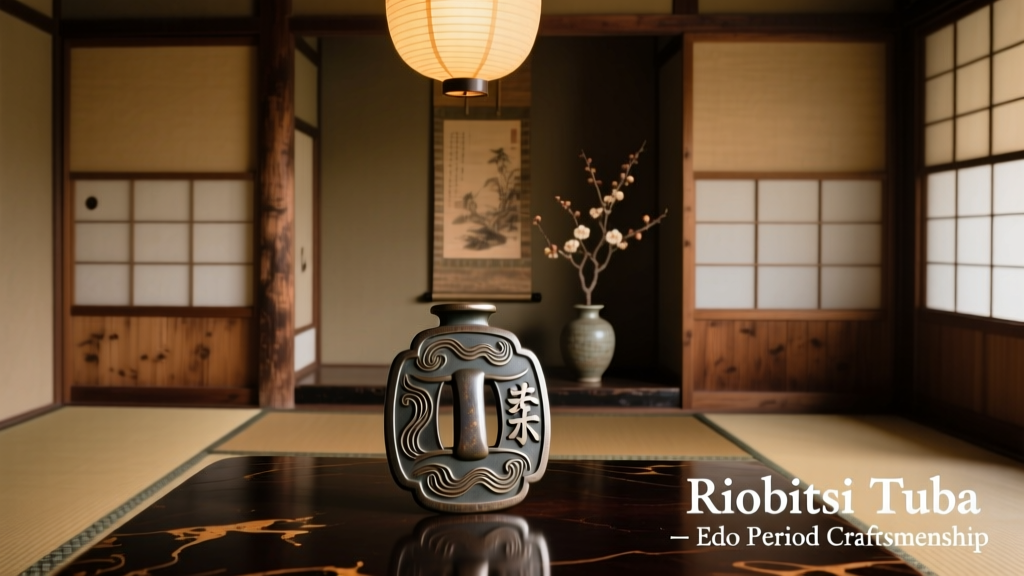
Jewelry Tsuba: Iron Riobitsu Shaping Techniques Applied to a 2 7/8-Inch Jar Form