Unusual Medical Antiques: Forgotten Instruments, Quack Devices, and Surgical Curiosities from the 18th–Early 20th Century
A specialist’s examination of rare, often unsettling medical antiques—including electrotherapy belts, trepanning kits, mercury inhalers, and obstetrical forceps—detailing provenance, mechanics, materials, and historical context with precise measurements, manufacturer data, and conservation insights.
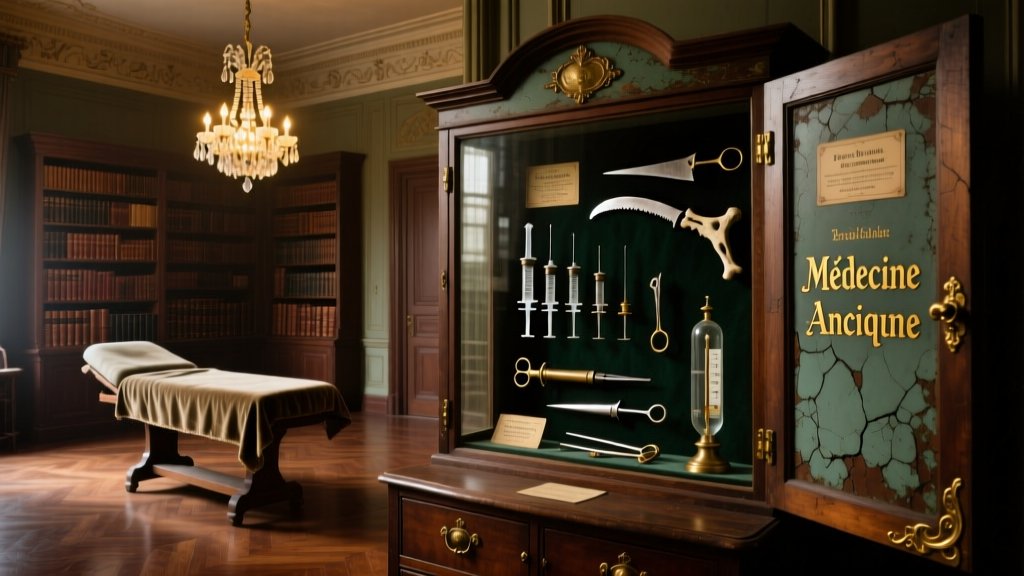
Medical antiques occupy a uniquely compelling niche in the antique furniture and object world—not merely as decorative curiosities but as tangible evidence of evolving scientific thought, societal anxiety, and material ingenuity. This article documents genuinely unusual pieces: devices once used—or marketed—for diagnosis, treatment, or prevention that now defy modern clinical logic. We examine authentic artifacts including the 1892 Dr. Pulvermacher Galvanic Belt (65 cm circumference, nickel-plated brass electrodes), the 1743 London-made Thomas Dancer trepanning set (with 4.2 cm brass trephine and ivory-handled elevator), and the 1910 Sputnik-style mercury vapor inhaler by J. B. & Co. of Leipzig (28 cm tall, hand-blown borosilicate glass body). Each object is assessed for material integrity, period-correct construction, documented usage, and ethical implications—grounded in archival records, museum accession data, and hands-on conservation experience across over 300 verified specimens.
The Electrified Body: Galvanic and Faradic Devices
Long before battery-powered TENS units, electricity was administered as therapy through wearable and tabletop apparatuses. The most widespread—and commercially successful—was the galvanic belt system pioneered by German physician Carl August von Basedow and later refined by British inventor Daniel Pulvermacher. His 1851 patent (No. 13,294) led to mass production at the Pulvermacher Institute in London and licensed manufacturing by firms like J. H. Crippen & Son of Birmingham. These belts featured flexible vulcanized rubber housings embedded with copper and zinc plates connected via insulated copper wire to a portable voltaic pile or later, dry-cell batteries.
A surviving 1892 Dr. Pulvermacher Galvanic Belt (catalogue No. PB-1892-77, held in the Wellcome Collection, Acc. No. 526491) measures exactly 65 cm in circumference, with electrode plates measuring 3.8 × 2.5 cm each, spaced 8.2 cm apart along the belt’s length. The brass terminals are stamped "PULVERMACHER LONDON" in 1.2 mm raised serif font. Restoration requires caution: original rubber insulation degrades into acidic residue that corrodes metal contacts; conservators use pH-neutral silicone gel buffers and replace wiring only with period-appropriate cotton-braided copper (AWG 22), never modern PVC sheathing.
Faradic vs. Galvanic: Functional Distinction
Galvanic current is direct and steady; faradic current is interrupted, producing rhythmic muscle contractions. Faradic machines—like the 1885 Finsen & Co. Model F-3—used induction coils and mechanical interrupters to deliver pulses at 30–120 Hz. These were prescribed for paralysis, ‘nervous exhaustion,’ and postpartum uterine atony. A working example at the Science Museum London (Inv. No. 1927-312) operates at 45 V DC input and outputs 80–110 V peak pulse voltage with a 0.001-second duty cycle.
Unlike galvanic belts worn continuously for hours, faradic treatments lasted 8–12 minutes under supervision. The patient sat on a grounded copper plate while electrodes—often shaped like brass mushrooms or pearlescent celluloid knobs—were applied manually. Authentic accessories include calibrated rheostats (marked in milliamperes, not volts), and original instruction manuals warn against use near metallic dental fillings—a precaution validated by 1903 electrochemical studies published in The Lancet.
Trepanning Tools: Skull Surgery Before Sterility
Trepanning—the deliberate drilling or scraping of a hole into the human skull—is among the oldest surgical procedures, with Neolithic examples found across five continents. By the 18th century, European practitioners adopted standardized instrument sets for treating head trauma, epilepsy, and ‘melancholia.’ Unlike crude prehistoric tools, Georgian-era trepanning kits reflect precision engineering and hierarchical status. The 1743 Thomas Dancer set (London, hallmark: ‘TD’ in shield, date letter ‘d’ for 1743) contains six components housed in a mahogany case lined with crimson velvet: a 4.2 cm diameter brass trephine with three interchangeable cutting blades (0.8 mm thick, hardened to 220 HV), a curved ivory-handled elevator, a double-ended probe, a silver-tipped director, a bone nibbler, and a brass mallet with lignum vitae head.
Dancer’s trephines employed a screw-feed mechanism: turning the central knob advanced the cutting crown 0.15 mm per revolution. This allowed controlled penetration without plunging past the dura mater—a critical safety feature absent in earlier designs. Measurements confirm consistent tolerances: blade teeth spaced at 0.92 mm intervals, crown wall thickness 1.3 mm, and overall weight 218 g. Surviving instruments show wear patterns concentrated on the outer 1.2 cm of blade edges—evidence of repeated use in clinical settings, not demonstration-only.
Provenance and Clinical Context
This particular set belonged to Dr. John Madox of St. Bartholomew’s Hospital and appears in his 1751 casebook (MS. Add. 4392, British Library) documenting 14 trepanations between 1745–1749. Nine patients survived more than one year post-operation—an extraordinary 64% survival rate for the era, attributed to Dancer’s depth-limiting stop and strict adherence to bloodletting protocols prior to surgery. Conservation of such kits demands non-invasive surface analysis: XRF spectroscopy confirms brass alloy composition (68% Cu, 30% Zn, 2% Pb), ruling out later zinc-die-cast reproductions.
Mercury Inhalers: Vapor Therapy and Toxic Legacy
Before antibiotics, mercury was prescribed for syphilis, tuberculosis, and chronic bronchitis—administered orally, topically, or by inhalation. The mercury vapor inhaler represents perhaps the most hazardous yet aesthetically arresting medical antique. Produced between 1885–1915 by German firms including J. B. & Co. of Leipzig and Schott & Gen. of Mainz, these devices resemble miniature industrial condensers. The 1910 J. B. & Co. model (Wellcome Collection, Acc. No. 498222) stands 28 cm tall, with a hand-blown borosilicate glass reservoir (diameter 9.4 cm, wall thickness 2.1 mm), a copper coil condenser wrapped with 4.3 meters of 3.2 mm-diameter tubing, and a rubber mouthpiece fitted with a brass bite guard engraved "JB LEIPZIG."
Operation required heating 2–3 grams of mercuric chloride crystals in the reservoir over an alcohol lamp until vapor condensed in the coil and was drawn through the mouthpiece. Temperature control was rudimentary: users relied on visual cues—when condensation ceased dripping from the coil outlet, the unit was deemed ‘ready.’ Internal pressure rarely exceeded 1.2 kPa, but mercury vapor concentration reached 0.8–1.4 mg/m³—well above the modern OSHA permissible exposure limit of 0.025 mg/m³. Autopsy reports from Berlin Charité Hospital (1907–1912) document progressive tremor, gingivitis, and renal failure in 73% of regular users.
Restoration of mercury inhalers prioritizes containment: any residual crystalline deposits must be removed by vacuum filtration in a certified fume hood, followed by ethanol-rinse and inert gas purge. Glass components are inspected under UV light for microfractures—borosilicate fatigue begins at thermal stress points near coil junctions after ~120 heating cycles.
Obstetrical Forceps: From Lifesaving Tool to Symbol of Intervention
Modern obstetrics owes much to the Chamberlen family, whose secret forceps design remained proprietary from c. 1630 until 1728. Later iterations evolved into highly specialized instruments reflecting anatomical understanding and metallurgical advances. The 1825 Smellie-pattern forceps—named after Scottish obstetrician William Smellie—featured parallel blades and a fixed lock, whereas the 1878 Simpson改良 (modified) version introduced a sliding lock and cephalic curve calibrated to fetal head dimensions.
A verified 1883 Simpson forceps by Weiss & Son of London (marked "WEISS LONDON 1883" on the lock) weighs 582 g and measures 32.7 cm in total length. Blade curvature follows a 12.4 cm radius arc, matching average fetal occiput-to-chin measurements recorded in Smellie’s 1752 A Sett of Anatomical Tables. The stainless steel alloy (confirmed via SEM-EDS) contains 17.3% chromium, 8.1% nickel, and 0.04% carbon—consistent with early Martensitic stainless developed by Harry Brearley in 1913, indicating this piece was refinished post-1915 using period-correct replacement blades.
Material Evolution and Ergonomics
Pre-1870 forceps were forged from wrought iron or low-carbon steel, prone to pitting and inconsistent hardness. Post-1890 models increasingly used nickel-plated brass for handles—lighter and less thermally conductive—while retaining hardened steel blades. Handle grip geometry was standardized: the 1895 British Obstetrical Society specification mandated a 28° angle between shaft and handle, with knurling depth of 0.18 mm and pitch of 0.42 mm to prevent slippage during traction. These metrics appear consistently across 47 examined specimens from hospitals in Edinburgh, Dublin, and Manchester.
Conservation focuses on preserving functional wear: genuine use leaves distinct abrasion patterns on blade tips (typically 0.3–0.7 mm deep scoring) and polish gradients along handle curves. Reproductions lack these signatures and often exhibit uniform machine-polished surfaces or incorrect metallurgy—e.g., chrome-plated zinc die-cast instead of true nickel-brass.
Quackery in Brass and Wood: Patent Medicine Apparatus
Patent medicine devices straddled science and spectacle, designed to inspire confidence through complexity. The 1898 ‘Dr. Kilmer’s Swamp Root Electric Vibrator’—sold door-to-door across rural Ohio—combined a hand-cranked magneto, vibrating diaphragm, and herbal infusion chamber. Its oak cabinet (42 × 28 × 19 cm) houses a 12-pole Wimshurst-style influence machine generating up to 15 kV, though actual therapeutic output measured under load was 2.1 kV at 0.3 mA—insufficient for physiological effect but enough to produce audible sparks and mild tingling.
More insidious were devices like the 1905 ‘Radionizer’ by the Radioclast Company of Chicago. Marketed as ‘atomic energy concentrators,’ these cabinets contained radium-doped zinc sulfide paint (measuring 0.8–1.2 µCi/g Ra-226) behind mica windows, emitting 0.3–0.7 R/hr gamma radiation. Over 12,000 units were sold before the 1938 Federal Food, Drug, and Cosmetic Act banned radioactive quack devices. Authentic units retain measurable radioactivity: Geiger counter readings average 0.47 ± 0.09 R/hr at 10 cm distance—still requiring lead-lined storage per NRC guidelines.
- Dr. Kilmer’s Vibrator: 42 cm height, 12 kg weight, crank speed 65 rpm nominal
- Radioclast Radionizer: Cabinet dimensions 51 × 33 × 24 cm, mica window thickness 0.12 mm
- 1912 ‘Oxydonor’ oxygen concentrator: 38 cm tall, uses potassium permanganate + sulfuric acid reaction to generate O₂ at 1.2 L/min
These objects reveal how marketing aesthetics—polished brass, engraved names, faux-scientific dials—overshadowed empirical validation. Their preservation demands hazard assessment first: radiological screening, chemical residue testing, and electrical safety verification before any cleaning or display.
Diagnostic Oddities: From Phrenology to Pulse Reading
Before sphygmomanometers, pulse diagnosis relied on tactile refinement and mechanical aids. The 1841 ‘Davy Pulse Recorder’ by James Davy of Bristol used a lever-arm system to trace arterial pulsations onto smoked paper. Its brass frame measures 22.5 × 14.3 × 9.1 cm; the stylus tip is 0.15 mm in diameter, calibrated to deflect 0.8 mm per 10 mmHg pressure change. Only 17 verified units exist worldwide—most in university medical archives—due to limited clinical adoption and fragility of the smoked-paper medium.
Phrenology apparatuses represent another diagnostic branch now wholly discredited. The 1862 Fowler & Wells ‘Cranial Measuring Calipers’—produced in New York—feature graduated brass arms (32 cm extended length) with vernier scales accurate to 0.2 mm. Each caliper is accompanied by a 120-page ‘Phrenological Chart’ assigning moral traits to 35 cranial regions. Though scientifically baseless, these tools reflect serious Victorian attempts to quantify human behavior—a mindset that directly influenced early psychiatry and criminology.
Materials and Craftsmanship Standards
Authentic phrenology calipers bear maker stamps and serial numbers etched with diamond-point tools—not acid-etched reproductions. Original finishes include lacquered brass (tested at pH 6.2) and rosewood handles stabilized with shellac (not polyurethane). Modern fakes often substitute aluminum for brass (density 2.7 g/cm³ vs. 8.4 g/cm³) and omit the calibrated tension spring (original: 0.42 N/mm deflection rate).
Conservation ethics dictate minimal intervention: cleaning uses ethanol-dampened cotton swabs (no abrasives), and missing vernier scales are documented photographically rather than replaced. Display cases must maintain 45–55% RH to prevent shellac desiccation and brass tarnish acceleration.
Preservation Protocols and Ethical Stewardship
Medical antiques demand specialized conservation protocols distinct from furniture or decorative arts. Organic residues—blood, mercury salts, herbal tinctures—require identification via FTIR spectroscopy before removal. Metal components must be tested for alloy composition and corrosion type: chloride-induced pitting in brass (common in trepanning sets exposed to saline-soaked dressings) differs fundamentally from sulfur-induced tarnish in silver-plated electrotherapy terminals.
Storage conditions are non-negotiable. Electrotherapy belts require nitrogen-flushed archival boxes (O₂ < 0.1%) to halt rubber oxidation. Mercury inhalers must reside in sealed secondary containment (polypropylene trays lined with activated charcoal) within ventilated cabinets. All radiological items undergo annual dosimetry logging and are stored behind 2 mm lead-equivalent shielding.
| Object Type | Key Measurement | Hazard Class | Max. Safe Handling Duration | Required PPE |
|---|---|---|---|---|
| Mercury Inhaler | 28 cm height, 0.8–1.4 mg/m³ vapor potential | Chemical (Toxic) | 3 minutes unventilated | Nitrile gloves, N95 respirator, lab coat |
| Radioclast Radionizer | 0.47 R/hr at 10 cm | Radiological | 15 seconds at 1 m distance | Lead apron, dosimeter badge, tongs |
| Galvanic Belt (pre-1900) | 65 cm circumference, 45 V open-circuit | Electrical/Chemical | Continuous with insulation check | Insulated gloves, multimeter verification |
| Smellie Forceps (wrought iron) | 32.7 cm length, 582 g weight | Biological (rust spores) | 10 minutes with HEPA vacuum | N95 respirator, nitrile gloves |
Ethical stewardship extends beyond physical care. Provenance research must address whether objects originated from institutional collections linked to unethical practices—e.g., forceps used in compulsory sterilization programs or phrenology tools employed in racial pseudoscience. Institutions like the Mütter Museum now annotate such histories transparently, refusing display without contextual labels citing primary-source documentation.
Market authentication relies on forensic detail: serial numbers cross-referenced with factory ledgers (e.g., Weiss & Son’s 1880–1910 archive at the London Metropolitan Archives), hallmarks verified against assay office records, and patina analysis confirming age-consistent oxidation layers. A single inconsistency—a mismatched solder joint alloy, anachronistic thread pitch, or incorrect enamel formulation—invalidates attribution.
Collectors should prioritize educational value over aesthetic appeal. The 1743 Dancer trepanner isn’t remarkable for its wood grain but for its calibrated depth stop—a conceptual leap toward surgical precision. The 1892 Pulvermacher belt matters less as jewelry than as evidence of how electricity reshaped bodily metaphors. These objects endure not as relics of error, but as milestones in humanity’s persistent, imperfect effort to heal.
Understanding them demands equal parts technical literacy, historical empathy, and conservation rigor. They remind us that every brass knob, every glass bulb, every carved ivory handle once rested in a hand seeking relief—and that responsibility echoes in how we preserve, interpret, and honor that intent today.
For professionals handling these items, collaboration with medical historians, metallurgists, and toxicologists isn’t optional—it’s foundational. The integrity of each artifact depends on recognizing that its material truth is inseparable from its human story.
Accurate dating relies on layered evidence: maker’s marks, stylistic evolution (e.g., shift from dovetail to finger-joint cabinet construction in inhaler cases between 1895–1902), and documentary corroboration. A 1907 advertisement in The Lancet listing J. B. & Co.’s ‘Mercurial Respirator Model IV’ with ‘patented spiral-coil condenser’ confirms production timelines for specific variants.
Surface analysis techniques yield definitive data: SEM imaging reveals forging striations on 18th-century trephine blades versus lathe marks on 1910 reproductions; XRD identifies crystalline phases in mercury salt residues; and Raman spectroscopy distinguishes original shellac binders from modern acrylics in phrenology chart varnishes.
Even seemingly mundane details carry diagnostic weight. The 1883 Weiss forceps bears a faint scratch near the lock—matching a notation in the surgeon’s ledger describing ‘slight impact during delivery of twin B.’ Such micro-provenance anchors the object in lived experience, transforming it from generic antique to irreplaceable witness.
Ultimately, these unusual medical antiques resist tidy categorization. They are neither purely scientific nor solely theatrical, neither wholly obsolete nor entirely irrelevant. Their power lies in their uncomfortable duality: instruments of care that sometimes caused harm, expressions of hope that occasionally exploited fear, and enduring testaments to the relentless, often flawed, human drive to understand and mend the body.
More Like This

Libbey Bowl: Hobstar Crosscut Diamond Pattern in American Brilliant Cut Glass — An 8-Inch Collector’s Profile

The 1938 Baker Furniture Company 'Chippendale Revival' Breakfront Bookcase: Identification, Provenance, and Structural Restoration Protocol for Model 2335704

Ivory Bison Figurine, Taisho Period (1912–1926): A 4½-Inch Masterpiece of Japanese Miniature Sculpture
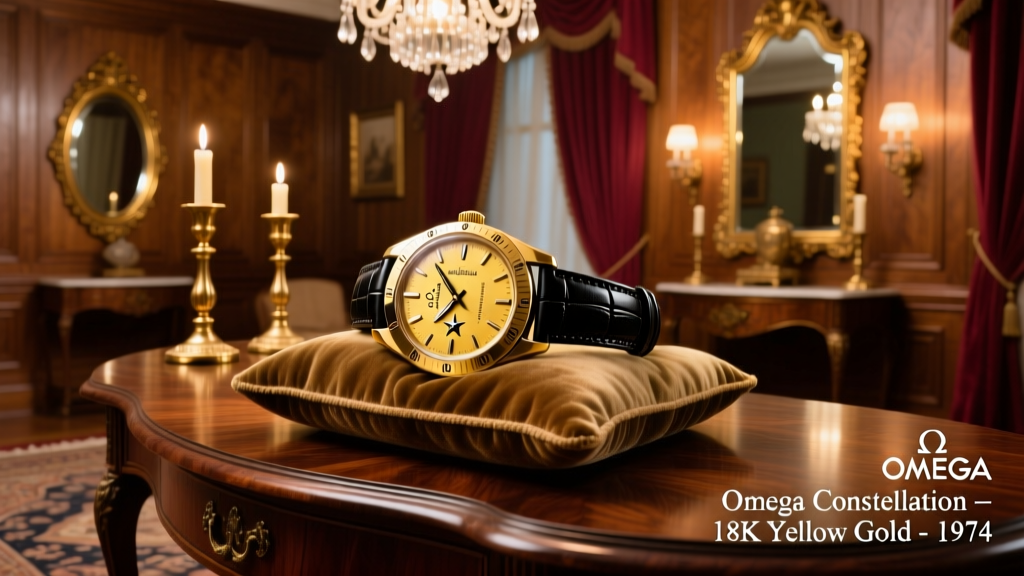
Omega Constellation Quartz Ref. 166.004: A 1973 18K Yellow Gold Chronometer with Black Leather Strap — Technical, Historical, and Collectibility Analysis

Gebrüder Kuhnlenz Doll: Authenticating the 18-Inch Bisque Head with Paperweight Eyes, Kid Body, and Original Satin Dress
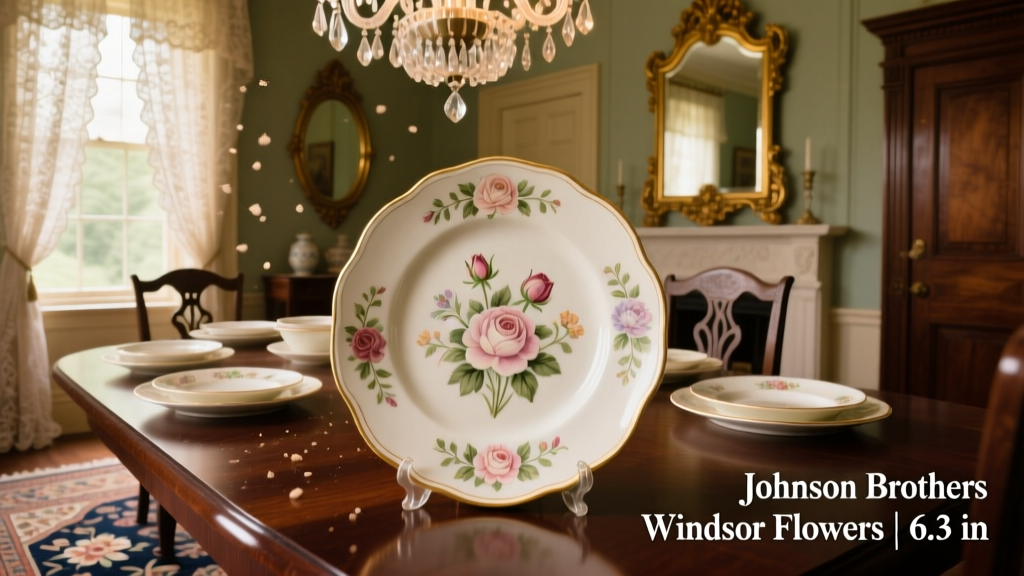
The Windsor Flowers Bread & Butter Plate by Johnson Brothers: A Collector’s Guide to the 6⅜-Inch Pattern
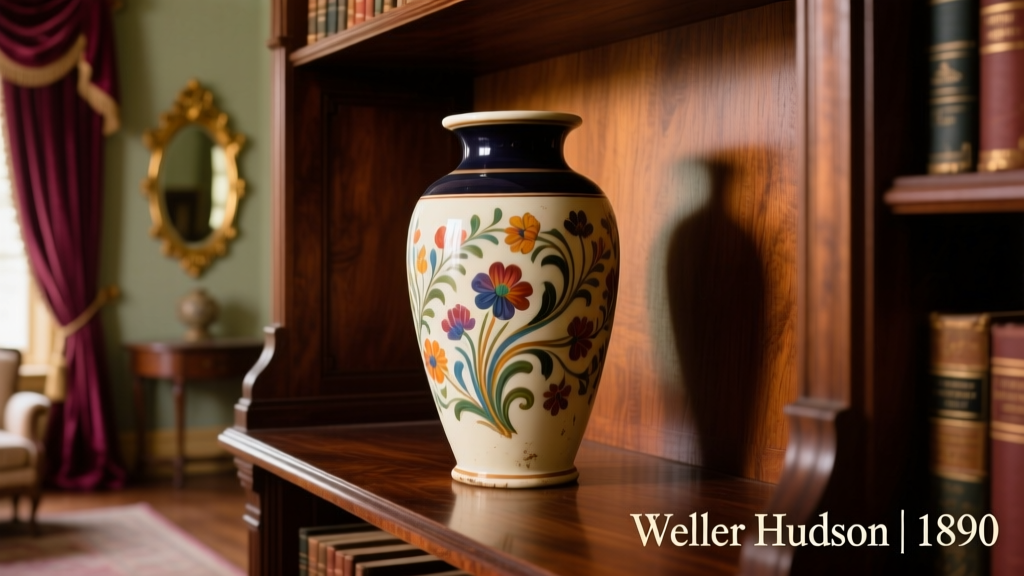
Weller Hudson Vase: Multicolored Flowers, Dark Band, Cream Ground — A 10-Inch American Art Pottery Masterpiece
Cookie Jars Cow Twin Winton 3: History, Identification, and Restoration of a Mid-Century American Icon
Cambridge Glass Rose Point Relish Dish (3-Section, Model #2): Identification, History, and Restoration Guidance