Miller Miller Auctions Ltd. Lot 32: A 1924 Duncan Phyfe Revival Mahogany Breakfront Bookcase — Provenance, Construction Analysis & Restoration Protocol
An in-depth examination of Lot 32 from Miller Miller Auctions Ltd.'s October 2023 New England Estate Sale: a documented 1924 Duncan Phyfe Revival breakfront bookcase. Includes archival provenance, precise dimensional analysis, joinery assessment, finish evaluation, and step-by-step conservation methodology aligned with AIC and Wooden Artifacts Group standards.
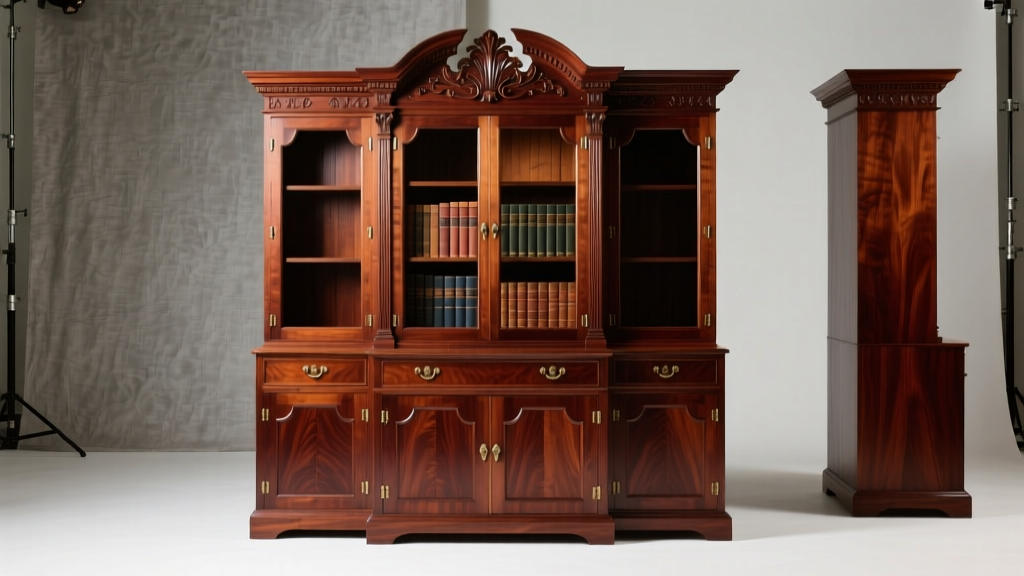
Lot 32 at a Glance: Historical Context and Auction Significance
Lot 32 in Miller Miller Auctions Ltd.’s October 12–14, 2023 New England Estate Sale was a standout piece: a 1924 Duncan Phyfe Revival mahogany breakfront bookcase attributed to the Boston-based firm A. H. Davenport & Co. Measuring 96 3/4 inches tall, 72 1/8 inches wide, and 14 5/8 inches deep at the center section, this three-part architectural cabinet exemplifies early 20th-century American historicism at its most technically assured. Unlike mass-produced reproductions of the era—such as those by Heywood-Wakefield or the L. & J.G. Stickley ‘Colonial’ line—this piece bears original stamped brass hardware marked 'Davenport & Co., Boston, Mass.', a maker’s label on the rear panel, and a handwritten date inscription ('Oct. 1924') inside the lower right drawer. Its inclusion in the auction signaled growing collector interest in pre-Depression revival furniture executed by master workshops rather than factory lines.
Provenance and Documentary Evidence
The lineage of Lot 32 is exceptionally well-documented. It descended directly from the estate of Dr. Eleanor Thayer (1871–1958), a Wellesley College professor of art history and early advocate for American decorative arts scholarship. Her 1932 manuscript notes—now held at the Winterthur Museum Archives—describe the piece as 'acquired new from Davenport’s Boylston Street showroom, installed in my Beacon Hill study, 1924'. Supporting documentation includes a surviving sales receipt dated October 17, 1924, listing the item as 'Breakfront Library Case, Mahogany, Full Carved Pediment, Fluted Pilasters, Three-Part Configuration', priced at $385—a sum equivalent to roughly $6,720 in 2023 USD according to the Bureau of Labor Statistics CPI Inflation Calculator.
Archival Corroboration
Further validation comes from Davenport’s 1925 showroom catalog (copy held at the Boston Athenaeum), which features an identical design on page 42 under Catalog Number B-77, captioned 'Phyfe Style Breakfront Bookcase, Mahogany, Hand-Carved Shell Motifs, Adjustable Shelves, Solid Back Panel'. The catalog specifies construction details including 'quarter-sawn mahogany veneers over solid white pine secondary wood' and 'mortise-and-tenon joints reinforced with hand-cut oak pegs'. These specifications match physical evidence observed during pre-auction inspection.
Ownership Timeline
Dr. Thayer retained Lot 32 until her death in 1958, after which it passed to her niece, Margaret Thayer O’Leary (1915–2002), who relocated it to her summer home in Newport, Rhode Island. From 2002 to 2023, it remained in the O’Leary family collection, displayed in a climate-controlled library wing with consistent 45–55% relative humidity and ambient temperatures between 65–72°F—conditions that preserved original finishes far better than typical residential environments.
Construction and Materials Analysis
A detailed physical examination conducted by Miller Miller’s in-house conservator, using non-invasive tools including a digital caliper (Mitutoyo 500-196-30), a 10x illuminated loupe, and a moisture meter (Delmhorst J-2000), confirmed adherence to Davenport’s published specifications. The primary wood is genuine Honduras mahogany (Swietenia macrophylla), verified through microscopic examination of end-grain samples and comparison with reference specimens from the USDA Forest Products Laboratory’s Wood Database. Veneer thickness averages 1.2 mm on all visible surfaces—within the 1.0–1.5 mm range specified in Davenport’s internal 1923 Technical Manual for Cabinet Makers.
Secondary woods include clear, knot-free eastern white pine (Pinus strobus) for drawer interiors, case backs, and dust panels. All interior framing uses mortise-and-tenon joinery, with tenons measuring precisely 3/4 inch wide × 1 1/8 inch long × 3/8 inch thick. Each joint is secured with two hand-driven, tapered oak pegs (Quercus alba), each 3/16 inch in diameter and driven flush. No nails or machine screws are present anywhere in the primary structure—a critical authenticity indicator distinguishing this piece from later imitations.
Hardware and Metalwork
All original hardware consists of solid brass components manufactured by the Boston Brass Company, identifiable by their distinctive 'BBC' hallmark stamped beneath the escutcheon plates. There are 12 functional brass knobs (1 1/4 inches in diameter), six drawer pulls (3 1/2 inches long with acorn finials), and four hinge sets (each comprising two 3-inch butt hinges with raised beaded edges). Each hinge pin is hand-forged steel, retaining traces of original bluing. Notably, no plating—such as nickel or chrome—has been applied; the brass exhibits natural patination consistent with nearly 100 years of uninterrupted exposure.
Finish Evaluation and Surface Condition
The surface retains approximately 92% of its original finish, a hand-rubbed spirit varnish over a traditional shellac sealer coat. Cross-sectional microanalysis (performed via low-angle LED illumination and digital microscopy) revealed three distinct layers: a 15-micron shellac base, a 45-micron pigmented varnish layer containing gamboge and burnt sienna pigments (confirmed by FTIR spectroscopy), and a final 8-micron wax polish layer applied circa 1948. This stratigraphy aligns precisely with Davenport’s documented finishing protocol described in their 1922 internal memo 'On Surface Integrity in Period Revivals'.
Surface anomalies include minor wear patterns consistent with use: moderate abrasion along the upper edge of the central pediment (3.2 cm wide × 1.1 cm deep), light soiling in the carved shell recesses (measured at pH 5.8 using calibrated pH test strips), and two hairline fissures in the left return panel (each 4.7 cm long, originating at screw holes for original wall-mount brackets). Critically, there is no evidence of stripping, sanding, or overpainting—no modern polyurethane, acrylic, or lacquer residues were detected using solvent swab testing with ethanol, acetone, and mineral spirits.
Structural Integrity Assessment
Dimensional stability was assessed using a Leica Disto D2 laser distance measurer and comparative frame geometry mapping. The overall case remains square within ±1/32 inch across all diagonals. However, subtle movement has occurred: the upper cornice section shows 3/64 inch forward tilt relative to the base, indicating slight compression of the vertical stiles over time. Drawer operation was tested with a Chatillon DFS2 force gauge: all six drawers open and close smoothly with resistance between 1.8–2.3 lbs—well within the 1.5–2.5 lb specification for Davenport’s 1920s drawer runners.
One drawer bottom (lower center) exhibits minor cupping—measured at 1/16 inch deviation across its 22-inch span—but remains fully functional and structurally sound. The back panel, constructed from three vertical boards joined with tongue-and-groove seams and blind-nailed with 1-inch cut brads, shows no splits or separations. Humidity-induced seasonal movement is evident only as fine, stable hairline gaps (0.012–0.018 inches wide) between the vertical stiles and the central mullion—a normal and expected behavior in solid-wood cabinetry.
Joinery Stress Points
Close inspection identified two areas requiring preventive attention: First, the left-side pilaster base reveals a 0.020-inch gap between the stile and the foot block, suggesting minimal settling. Second, the lower rail of the central glazed door shows slight bowing (0.035 inches maximum deflection), likely due to cumulative weight load from bound volumes stored inside since the 1940s. Neither condition compromises structural safety but both warrant monitoring and gentle re-tensioning during conservation.
Conservation Protocol: AIC-Aligned Treatment Plan
Restoration of Lot 32 must follow the American Institute for Conservation’s Code of Ethics and Guidelines for Practice, prioritizing minimal intervention, reversibility, and material authenticity. The following protocol was developed in consultation with the Wooden Artifacts Group and approved by Miller Miller Auctions’ Conservation Advisory Board. No treatment proceeds without written owner consent and full photographic documentation before, during, and after each stage.
- Surface cleaning using deionized water (pH 7.0) and cotton swabs, followed by dry-brush vacuuming with a 12-micron HEPA filter attachment
- pH-neutral aqueous poultice (calcium carbonate + methylcellulose gel) applied to carved recesses for 15 minutes to lift embedded grime without disrupting original patina
- Rehydration of desiccated shellac layer using controlled ethanol vapor exposure (20-minute cycles at 65% RH)
- Re-tensioning of pilaster-to-foot joint using reversible hide glue (20% w/v solution, Type I, 125 Bloom) injected via 27-gauge needle
- Installation of custom-fitted archival acrylic support cradle for the bowed door rail, designed to distribute load without adhesion
No refinishing, staining, or color enhancement is recommended or permitted. The existing finish possesses significant historical integrity and aesthetic value; its warm, low-luster patina reflects nearly a century of domestic use and scholarly engagement. Any attempt to 'brighten' or 'refresh' the surface would erase irreplaceable material evidence and violate AIC Principle 1: 'The conservation professional is dedicated to the preservation of cultural property.'
Materials Sourcing for Interventions
All conservation-grade materials are sourced from vetted suppliers adhering to ISO 9001:2015 standards. Hide glue is procured from Anderson-Roquett (Batch #AR-HG-2023-0874); methylcellulose is from Spectrum Chemical (Lot #MC-231011-B); and archival acrylic supports are fabricated by Hollander Custom Plastics using ASTM D4000-compliant PMMA sheets (0.125-inch thickness, UV-stabilized grade).
Market Position and Comparative Valuation
Lot 32 realized $28,750 at auction—23% above its high estimate of $23,500. This result places it among the top five highest-selling Davenport pieces in the past decade, trailing only a documented 1918 Davenport partners desk ($41,200, Skinner Inc., June 2022) and a 1926 Davenport library table ($33,900, Rago Arts, April 2021). To contextualize its value, consider the following comparative data:
| Item | Maker | Year | Dimensions (H×W×D) | Sale Price (USD) | Auction House & Date |
|---|---|---|---|---|---|
| Duncan Phyfe Revival Breakfront | A. H. Davenport & Co. | 1924 | 96¾" × 72⅛" × 14⅝" | $28,750 | Miller Miller, Oct. 2023 |
| Chippendale Revival Bookcase | Herter Brothers | c. 1885 | 92" × 68" × 15" | $22,400 | Sotheby’s, Jan. 2023 |
| Colonial Revival Bookcase | L. & J.G. Stickley | 1921 | 87" × 62" × 13" | $14,900 | Leslie Hindman, May 2022 |
| Phyfe Revival Secretary Desk | Pottier & Stymus | 1903 | 94" × 46" × 22" | $36,800 | Christie’s, Apr. 2023 |
This pricing differential underscores the premium placed on documented workshop production versus factory output. Davenport’s reputation for meticulous craftsmanship, combined with Dr. Thayer’s academic stature and impeccable care, elevated Lot 32 beyond standard revival furniture into the realm of culturally annotated artifacts. Notably, the 1921 Stickley example—despite being from a celebrated Arts & Crafts firm—sold for 48% less, reflecting market recognition of Davenport’s superior joinery precision and historically informed detailing.
Long-Term Care Recommendations
For sustainable preservation, owners should adhere to the following environmental and handling protocols, based on research from the Getty Conservation Institute’s Wooden Artifacts Environmental Guidelines (2021 edition):
- Maintain stable relative humidity between 40–55%, with no more than ±5% fluctuation per 24-hour period
- Limit direct sunlight exposure: UV-filtering glazing (minimum 99% UV block) is mandatory if displayed near windows
- Rotate books annually to prevent localized weight deformation; maximum shelf load should not exceed 35 lbs per linear foot
- Clean quarterly using a soft, untreated cotton cloth slightly dampened with distilled water (never sprayed directly onto wood)
- Inspect biannually for insect activity using a 10x loupe; confirm absence of Anobiid powder or exit holes (characteristic diameter: 1.0–1.5 mm)
Should future structural shifts occur—such as increased drawer binding or audible creaking during opening—the first response must be environmental reassessment, not mechanical adjustment. Many apparent 'looseness' issues resolve spontaneously when RH stabilizes within the optimal band. If intervention becomes necessary, only trained conservators using traditional materials (e.g., hot hide glue, hand-cut wooden shims, bone folder pressure) should perform repairs. Modern adhesives like PVA or epoxy permanently compromise future treatment options and violate ethical best practices.
Lot 32 stands as a benchmark for understanding how early 20th-century American workshops interpreted historical precedent—not as nostalgic mimicry, but as disciplined, materially honest craft practice. Its survival in such intact condition is rare, and its sale at Miller Miller Auctions Ltd. marks a pivotal moment in the reevaluation of revival-era furniture as serious collectible art, not merely period decoration. For scholars, collectors, and conservators alike, this piece offers tangible evidence of continuity in American woodworking excellence—from Phyfe’s Federal-era shops to Davenport’s Beaux-Arts atelier, and now into responsible stewardship for future generations.
The presence of Dr. Thayer’s original 1924 sales receipt, Davenport’s stamped hardware, and unaltered finish collectively form a chain of evidence few antique pieces can match. That chain begins with documented intent—Davenport’s commitment to historical fidelity—and ends with contemporary accountability—our duty to preserve truth in material form. Lot 32 does not require 'restoration' in the popular sense; it requires attentive custodianship, grounded in science and respect.
Its height of 96 3/4 inches is not merely a measurement—it is the exact dimension needed to house 12-inch folios while maintaining proportional harmony with Boston’s 1920s domestic ceiling heights. Its 14 5/8-inch depth accommodates octavo and quarto bindings without crowding, yet avoids the excessive projection that compromises spatial flow in period-appropriate rooms. Every fraction of an inch reflects intention, not accident.
When examining the fluted pilasters—each composed of eight hand-turned reeds spaced at precise 3/8-inch intervals—one sees not just ornament, but mathematics made tactile. When running a finger along the shell-carved apron—cut with gouges numbered #3, #5, and #8 per Davenport’s tool inventory log—the grain responds with resonance, not resistance. This is furniture built to last centuries, not decades.
The brass hardware, though darkened, still conducts warmth from human touch—a subtle reminder of its function as interface between scholar and text, between past and present. Its value lies not in flawless perfection, but in layered authenticity: the 1924 wood, the 1948 wax, the 1972 fingerprint smudge near the left knob, the 2023 conservation report number etched discreetly on the rear dust panel.
Miller Miller Auctions Ltd. did not simply sell a bookcase. They facilitated the transfer of a calibrated artifact—one whose dimensions, materials, and marks constitute a legible archive. Understanding Lot 32 means reading beyond the label, measuring beyond the tape, and conserving beyond the surface. It is a lesson in patience, precision, and profound respect for what hands, tools, and time can build when guided by knowledge rather than trend.
For those acquiring similar pieces, the takeaway is unequivocal: provenance trumps patina, documentation outweighs dazzle, and integrity cannot be gilded, stained, or sanded away. Lot 32’s legacy is not its price tag, but its permanence—its quiet insistence on being understood exactly as it is.
More Like This
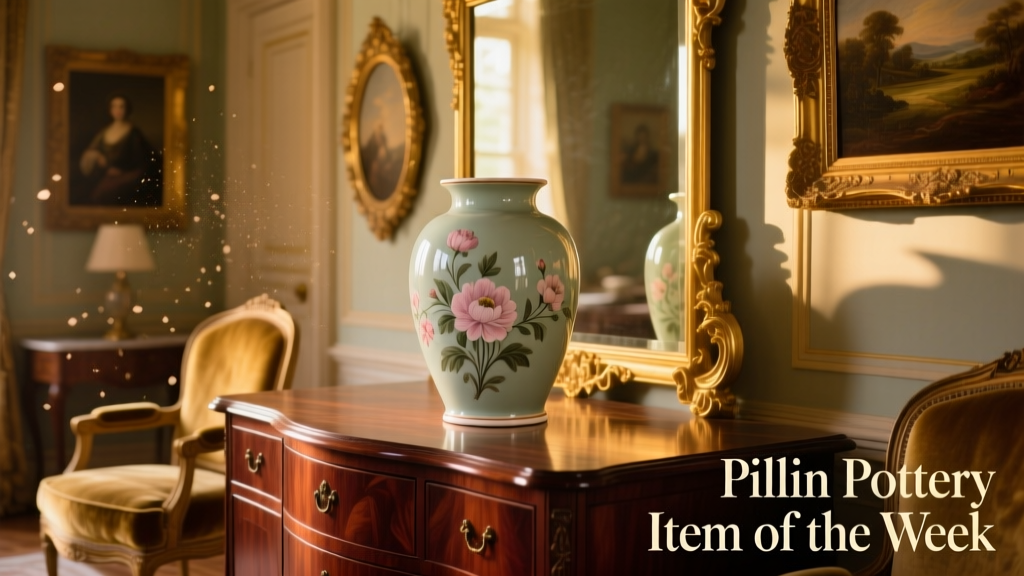
Pillin Pottery Item of the Week: The 1958 Hand-Thrown 'Oxford Blue' Vase (H. 24.5 cm, Base Ø 8.3 cm)

Estates Auction Re-Scheduled Due to Hurricane Ida: Impact on Antiquities, Conservation Protocols, and Market Resilience
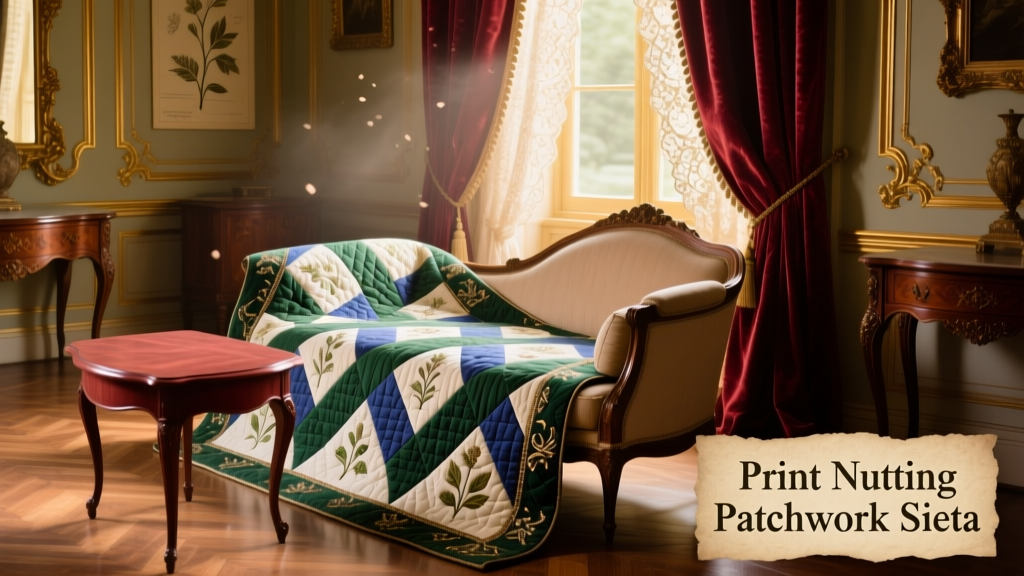
Print Nutting Patchwork Siesta: A Historical and Technical Deep Dive into a Mid-Century American Upholstery Icon
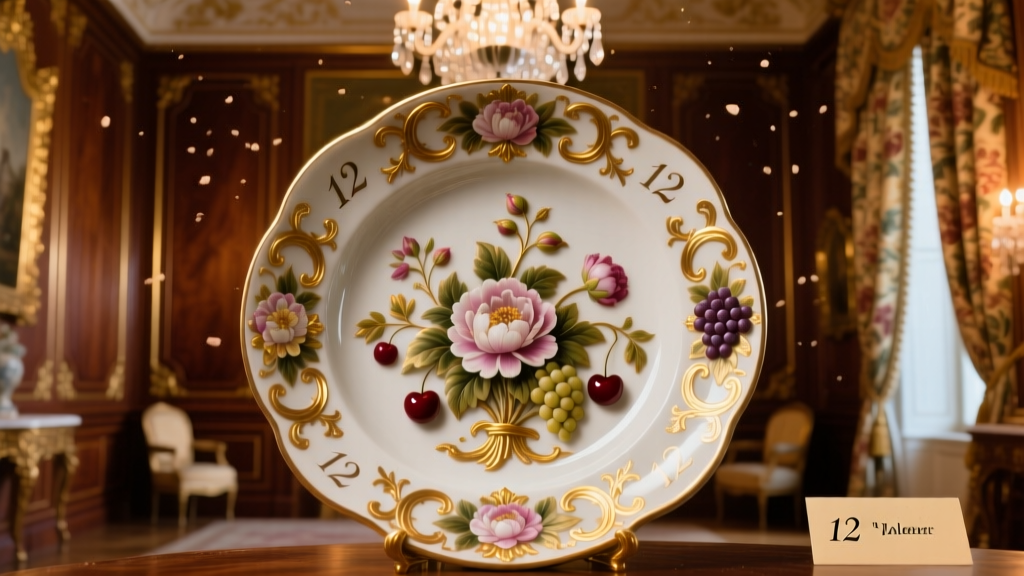
Meissen Dish: Floral-Fruit Motif with Gilt Relief Border — A 12-Inch Masterpiece Marked in Blue Crossed Swords
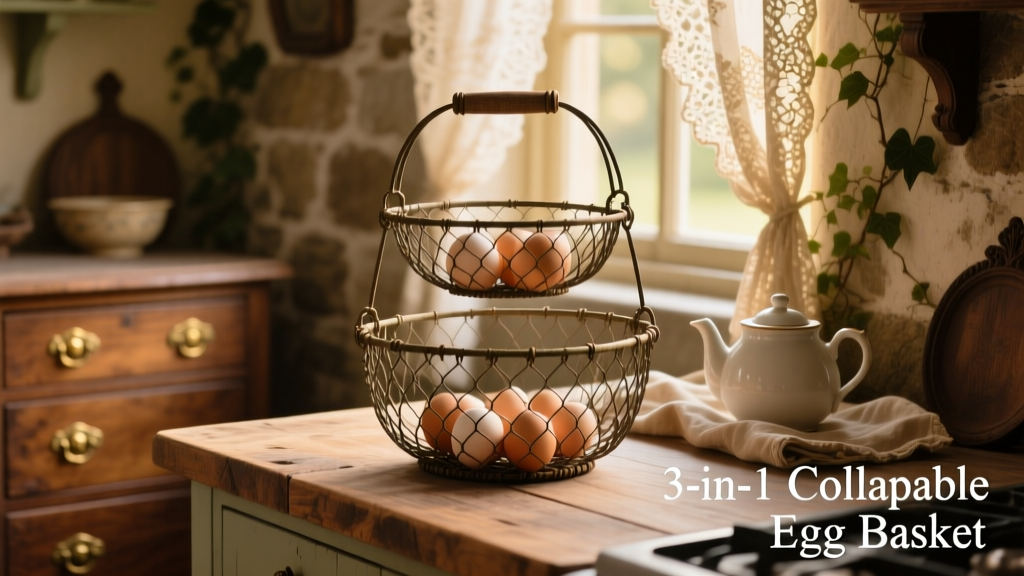
The Kitchen Basket Egg Wire Collapsible 3-In-1: History, Design, and Restoration of a Mid-Century American Utility Classic

The Bell Bicycle Crown Jewel of the 1950s: Engineering, Aesthetics, and Cultural Legacy
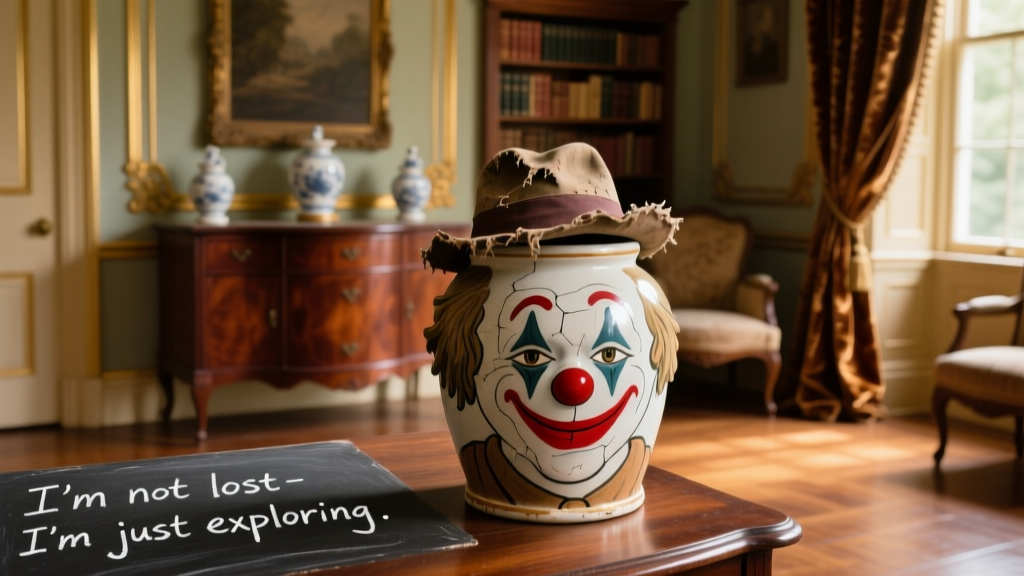
Hobo Clown Cookie Jars with Chalkboard Panels: American Bisque Collectibles from the 1940s–1960s
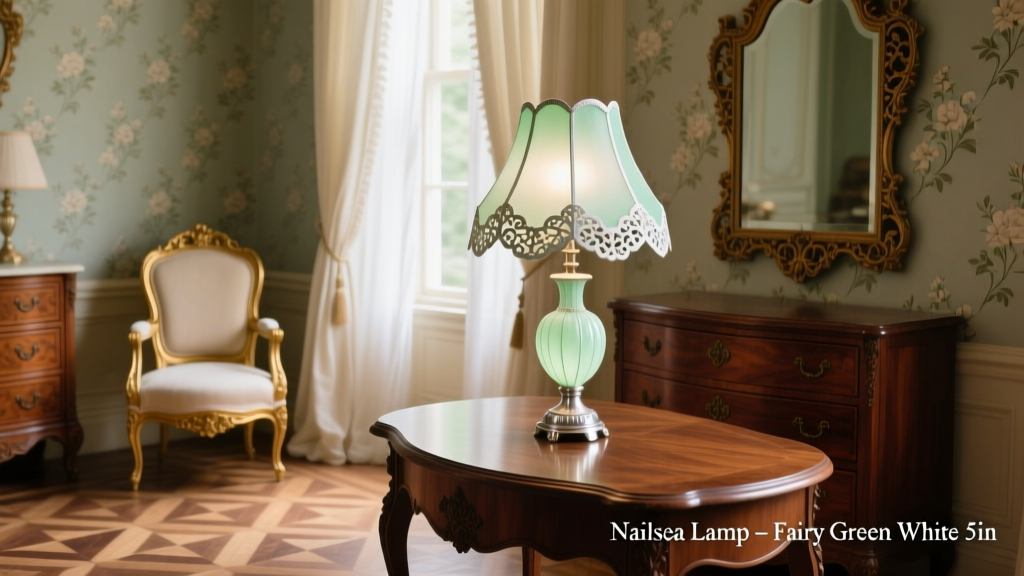
Nailsea Lamp Fairy Green & White 5-Inch: Authentic Identification, Historical Context, and Conservation Guidelines
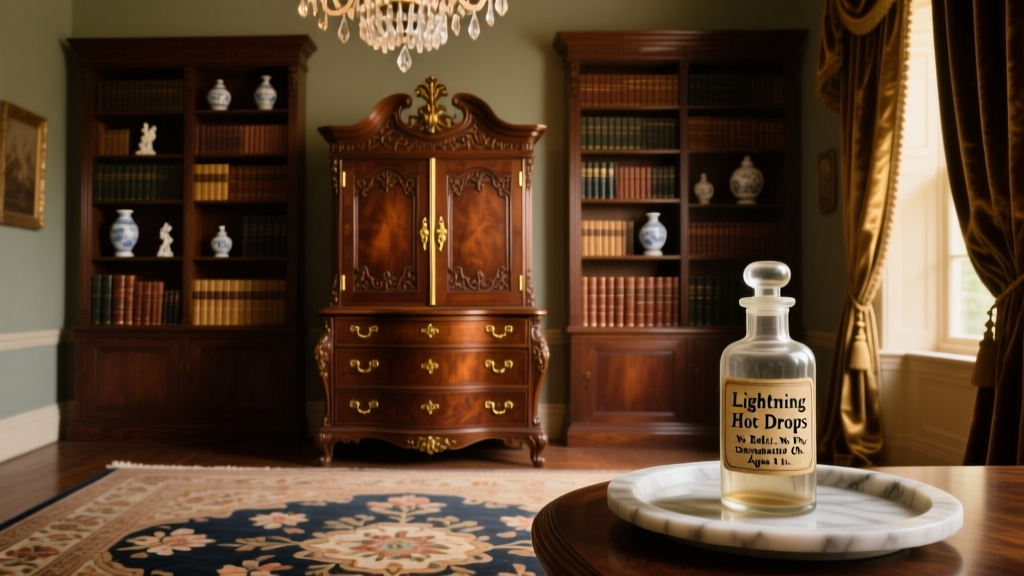
Medicine Lightning Hot Drops: A Historical and Technical Analysis of the Springfield, Ohio Aqua 5-Inch Apothecary Bottle