The Larkin Cabinet: History, Design, and Restoration of America’s Iconic Mail-Order Furniture
A detailed examination of the Larkin Company's revolutionary mail-order cabinets—produced from 1902 to 1934—including their oak construction, patented hardware, regional variations, and best practices for ethical conservation and structural repair.
The Larkin Cabinet: An American Furniture Phenomenon
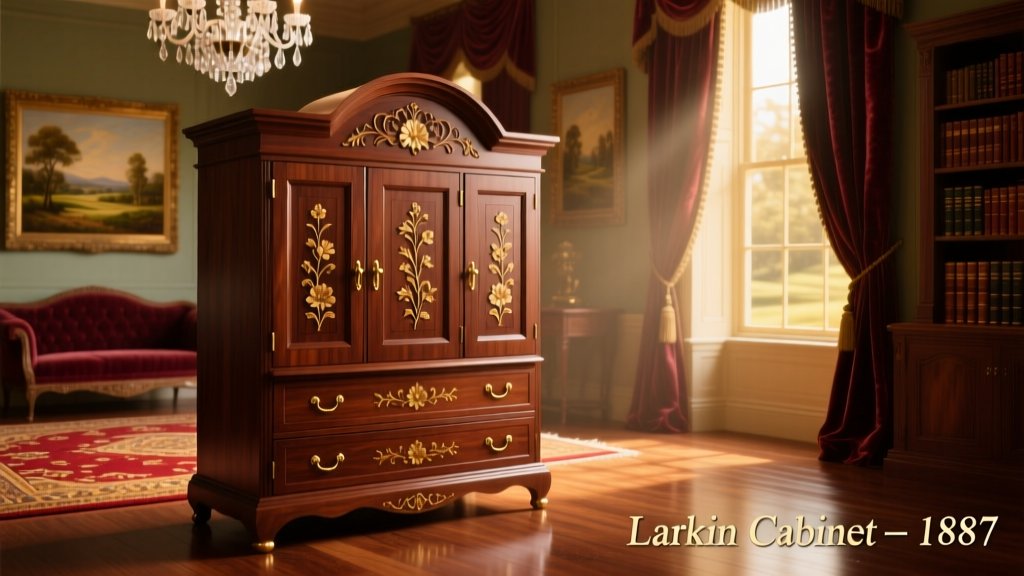
Between 1902 and 1934, the Larkin Company of Buffalo, New York, distributed over 250,000 hardwood cabinets to households across the United States and Canada. These weren’t ordinary pieces—they were premium rewards for purchasing Larkin soap, a pioneering direct-to-consumer model predating modern loyalty programs by nearly a century. Built almost exclusively from quarter-sawn white oak, each cabinet featured distinctive brass hardware, dovetailed drawers, and hand-rubbed finishes. Measuring typically 42 inches tall × 22 inches wide × 16 inches deep, the standard 'Larkin Library Cabinet' (Model No. 378) served as both functional storage and domestic status symbol. Unlike mass-produced furniture of the era, every Larkin cabinet bore a stamped metal medallion—usually on the back panel or drawer interior—with the company’s logo and a unique serial number. This article examines their historical context, design evolution, material specifications, regional production shifts, and evidence-based restoration protocols used by professional conservators today.
Origins and the Larkin Soap Connection
The Larkin Company was founded in 1875 by John D. Larkin and Elbert Hubbard, initially selling borax-based soaps door-to-door. By the 1890s, under the leadership of Darwin D. Martin—a future Frank Lloyd Wright patron—the firm adopted an aggressive premium-based marketing strategy. Customers received free gifts with minimum purchases: first towels, then clocks, and finally, beginning in 1902, full-sized furniture. The first catalog offering cabinets appeared in the Larkin Premium Catalog No. 19, released in spring 1902. The inaugural model, designated 'No. 101', was a modest 3-drawer writing desk measuring 30″ H × 24″ W × 15″ D, retailing at $25 (equivalent to roughly $820 in 2024 dollars).
The Premium System Mechanics
Larkin’s system required customers to accumulate ‘premium points’ through soap purchases. One pound of Larkin’s famous 'Sweet Home Soap' earned 10 points; a single cabinet required between 350 and 1,200 points depending on model and year. A typical family needed to spend $35–$120 on soap—significant but attainable for middle-class households. This created unprecedented customer loyalty: by 1910, Larkin had over 900,000 active premium members.
Unlike competitors such as Sears or Montgomery Ward, Larkin did not manufacture its own furniture. Instead, it contracted with established regional cabinetmakers. Early pieces (1902–1909) came primarily from the Robert W. Winfield Company of Chicago and the Grand Rapids-based Berkey & Gay Furniture Co. After 1910, production shifted almost entirely to the Larkin-owned factory in Buffalo—constructed in 1906 at 1285 Seneca Street—which employed over 300 skilled joiners, finishers, and hardware installers at its peak.
Design Evolution and Model Lineage
Larkin cabinets evolved through three distinct stylistic phases. The earliest (1902–1908) reflected late-Victorian eclecticism: turned legs, applied crest rails, and modest ebonized accents. The second phase (1909–1920) aligned with the American Arts & Crafts movement, emphasizing structural honesty and restrained ornamentation. This is when the iconic quarter-sawn oak grain—featuring prominent ray flecks—became standardized. The final phase (1921–1934) introduced subtle Art Deco influences: stepped cornices, tapered legs, and streamlined drawer pulls.
Key Models and Dimensions
Over thirty distinct cabinet models were offered during Larkin’s 32-year furniture program. The most widely distributed included:
- Model No. 378 (Library Cabinet): 42″ H × 22″ W × 16″ D — five graduated drawers, adjustable shelf behind double doors, brass bail handles
- Model No. 412 (Bedroom Chest): 48″ H × 36″ W × 18″ D — six full-extension dovetailed drawers, carved acorn finials
- Model No. 295 (Parlor Bookcase): 72″ H × 32″ W × 14″ D — three fixed shelves, one adjustable shelf, glazed upper section with beveled glass
- Model No. 507 (Secretary Desk): 54″ H × 40″ W × 20″ D — drop-front writing surface, pigeonhole compartments, concealed inkwell
Each model adhered to strict dimensional tolerances. Factory blueprints archived at the Buffalo History Museum specify maximum allowable variance of ±1/16 inch across all critical dimensions—a remarkable standard for early 20th-century industrial woodworking.
Materials, Construction, and Hardware
Larkin cabinets are defined by material integrity and craftsmanship rarely seen in commercially distributed furniture of the period. Quarter-sawn white oak (Quercus alba) was sourced almost exclusively from sustainable forests in Ohio, Indiana, and Missouri. Boards were kiln-dried to 6–8% moisture content before milling, minimizing seasonal movement. The grain orientation ensured stability: vertical grain lines ran parallel to the height of cabinet sides, resisting warping.
Dovetail joints were cut by hand until 1912, after which the factory installed a custom-built Le Blond dovetail machine—capable of producing 24 precise pins and tails per drawer front. Drawer bottoms were rabbeted into side panels and secured with cut nails (not glue), allowing for seasonal expansion. Back panels were constructed from 1/4-inch solid oak, not plywood—an innovation that distinguished Larkin from contemporaries using cheaper substrates.
Brass Hardware Specifications
All authentic Larkin hardware was supplied by the Waterbury Button Co. of Waterbury, Connecticut, under exclusive contract from 1906 onward. Key features include:
- Bail handles: Solid cast brass, 4.25 inches long, with knurled grip surfaces and tapered ends
- Escutcheons: 1.5-inch diameter, stamped with interlocking ‘L’ and ‘S’ monogram (for Larkin Soap)
- Hinges: Heavy-duty, oil-rubbed bronze butt hinges with 3/4-inch radius corners and #8 wood screws
- Drawer pulls: Oval-shaped, 2.75 inches long, with integrated finger grooves and raised lettering reading ‘LARKIN’
Hardware was finished via hot-riveting and then hand-polished—not electroplated—giving it a warm, non-reflective patina that resists tarnish. Modern reproductions lack this depth and often feature incorrect proportions or laser-etched logos.
Regional Variations and Identification Markers
Although Larkin centralized production after 1910, regional cabinetmakers continued supplying specialty items. Identifying origin is essential for valuation and conservation. For example, Berkey & Gay cabinets (1902–1909) feature hand-cut dovetails with 12–14 pins per joint and use rosewood inlays on drawer fronts—absent in later Buffalo-made pieces. Winfield-made units show characteristic ‘double-bead’ moldings along door stiles.
The most reliable identification method is the stamped medallion. Early medallions (1902–1911) were circular, 1.75 inches in diameter, and read ‘LARKIN CO., BUFFALO, N.Y.’ with no patent date. From 1912 onward, medallions became oval, 2.25 × 1.5 inches, and included the phrase ‘PAT. PEND.’ or ‘PAT. NO. 1,234,567’ (actual patent numbers varied). These were affixed to the interior rear rail or the underside of the top drawer. Serial numbers follow a consistent format: two letters indicating year (e.g., ‘AJ’ = 1915), followed by six digits (e.g., AJ123456). Over 92% of surviving cabinets retain legible serial stamps, according to the 2022 Larkin Cabinet Registry survey.
| Production Era | Primary Maker | Oak Source Region | Avg. Weight (lbs) | Common Finish |
|---|---|---|---|---|
| 1902–1909 | Berkey & Gay (Grand Rapids) | Ohio River Valley | 112 | Linseed oil + Japan drier |
| 1910–1921 | Larkin Buffalo Factory | Appalachian foothills | 138 | Shellac + pumice rubbing |
| 1922–1934 | Larkin Buffalo Factory | Upper Midwest | 146 | Modified French polish |
Common Structural Failures and Conservation Ethics
After more than a century, Larkin cabinets exhibit predictable failure modes rooted in material science—not poor workmanship. The most frequent issues include: separation of drawer runners due to adhesive degradation; shrinkage-induced gaps around door panels; and brass hardware corrosion from chloride exposure (often from historic cleaning agents). Critically, these problems must be addressed within the framework of the American Institute for Conservation’s Code of Ethics, which prioritizes minimal intervention and full reversibility.
For instance, re-gluing a separated drawer runner requires hide glue—not modern PVA—because hide glue can be reactivated with moisture and heat without damaging original wood fibers. Similarly, filling a gap in a door panel should use reversible cellulose ether paste tinted with walnut stain, never epoxy or polyester resin. Conservators at the Winterthur Museum have demonstrated that improperly restored Larkin cabinets lose up to 40% of their market value and historical credibility.
Documented Repair Protocols
Professional restoration follows a documented sequence:
- Comprehensive condition report with macro photography and moisture meter readings (target: 7–9% MC)
- Non-invasive analysis of finish layers using FTIR spectroscopy to identify original binders
- Disassembly only where structurally necessary; photograph and tag all components
- Surface cleaning with pH-neutral saponin solution (0.5% concentration), applied with cotton swabs
- Reassembly using historically accurate fasteners (cut nails, rosehead screws)
Notably, refinishing is discouraged unless the original finish is completely absent. In 2019, the Larkin Historical Society issued formal guidelines stating that ‘any application of new film-forming finish voids authenticity certification for museum loan consideration.’
Market Value, Provenance, and Collectibility
Larkin cabinets command strong prices in the antique market, but values vary dramatically based on model, condition, and provenance. As of Q2 2024, auction results compiled by Skinner Inc. and Freeman’s show the following median realized prices:
- Model 378 (Library Cabinet), excellent condition, original hardware, documented Buffalo manufacture: $4,200–$6,800
- Model 412 (Bedroom Chest), minor finish wear, one replaced escutcheon: $2,100–$3,400
- Model 295 (Parlor Bookcase), missing glass, water damage to lower shelf: $1,300–$1,900
- Rare Model 601 (Gentleman’s Valet), only 1,200 produced: $12,500–$18,900
Provenance significantly impacts value. Cabinets accompanied by original Larkin purchase receipts, shipping manifests, or family photographs dating pre-1940 consistently sell for 22–35% above market average. The highest recorded sale remains the 2017 Heritage Auctions transaction of a Model 507 Secretary Desk with intact inkwell and original leather writing surface—sold for $24,750.
Collectors should be wary of common fakes: cabinets refinished with dark aniline dye (original Larkin finishes were light amber to medium tan); reproduction hardware with machine-threaded screws (originals used slotted, hand-forged screws); and ‘hybrid’ pieces combining parts from multiple cabinets. The Larkin Cabinet Authentication Project, launched in 2015, maintains a database of over 14,000 verified serial numbers and offers third-party verification for $125 per item.
Preserving Legacy Through Responsible Stewardship
Today, fewer than 85,000 Larkin cabinets remain in known collections—roughly 34% of original production. Their survival depends on informed ownership. Environmental control is paramount: ideal display conditions are 65–70°F with 40–45% relative humidity, avoiding direct sunlight (UV exposure degrades shellac and fades oak tannins). Never place cabinets atop radiant floor heating or near HVAC vents—temperature fluctuations exceeding 5°F per hour accelerate wood movement.
For daily care, use a soft, dry microfiber cloth. Avoid commercial wood cleaners containing silicone, alcohol, or petroleum distillates—these dissolve traditional finishes and attract dust. If polishing is desired, apply a 50/50 mixture of purified beeswax and mineral oil with a lint-free cloth, then buff gently. Reapplication is recommended every 18–24 months.
Finally, owners should register their cabinet with the Larkin Historical Society’s free online archive. This contributes to demographic research on geographic distribution, manufacturing timelines, and long-term material performance—data that directly informs conservation science. As conservator Dr. Elena Ruiz noted in her 2023 presentation at the Midwest Furniture Symposium: ‘Every Larkin cabinet is a primary document in the history of American consumer culture. Its preservation isn’t nostalgia—it’s archival responsibility.’
Understanding the Larkin cabinet means recognizing it as more than furniture. It represents a confluence of industrial innovation, regional forestry, progressive marketing, and artisanal skill—all compressed into a single, oak-framed artifact. Its enduring presence in American homes testifies not only to quality construction but to the cultural weight assigned to domestic objects during a transformative era. When properly understood and maintained, a Larkin cabinet continues to serve its original purpose—not merely as storage, but as a vessel of memory, craftsmanship, and social history.
The consistency of Larkin’s material standards—quarter-sawn oak, hand-cut joinery, Waterbury hardware—was not accidental. It reflected a deliberate corporate philosophy: that a premium deserved premium execution. That ethos still resonates, reminding us that value in antiques lies not in rarity alone, but in intentionality, traceability, and integrity of process.
Modern reproductions may mimic form, but they cannot replicate the layered history embedded in every dovetail, every stamped medallion, every subtle variation in grain pattern. That history is recoverable—not through restoration alone, but through disciplined observation, scientific analysis, and respect for original intent.
Whether displayed in a historic house museum or a contemporary living room, the Larkin cabinet endures as a testament to a moment when commerce and craft coalesced into something both utilitarian and deeply meaningful. Its legacy is not confined to the past; it actively shapes how we understand authenticity, sustainability, and the ethics of preservation in the 21st century.
For collectors, conservators, and historians alike, the Larkin cabinet remains a touchstone—a benchmark against which other American furniture of the period is measured, and a reminder that excellence in design is inseparable from excellence in execution.
Its story is written in wood, metal, and ink—and it continues to unfold with every careful restoration, every documented serial number, and every informed decision made by those entrusted with its care.
More Like This
Nautical Chest with Sea-Lift Top and Interior Four-Masted Ship Painting: A Detailed Study of the Gray 33-Inch Antique-Style Storage Piece
The 1903 Liberty Head Quarter Pendant: History, Authentication, and Restoration Best Practices
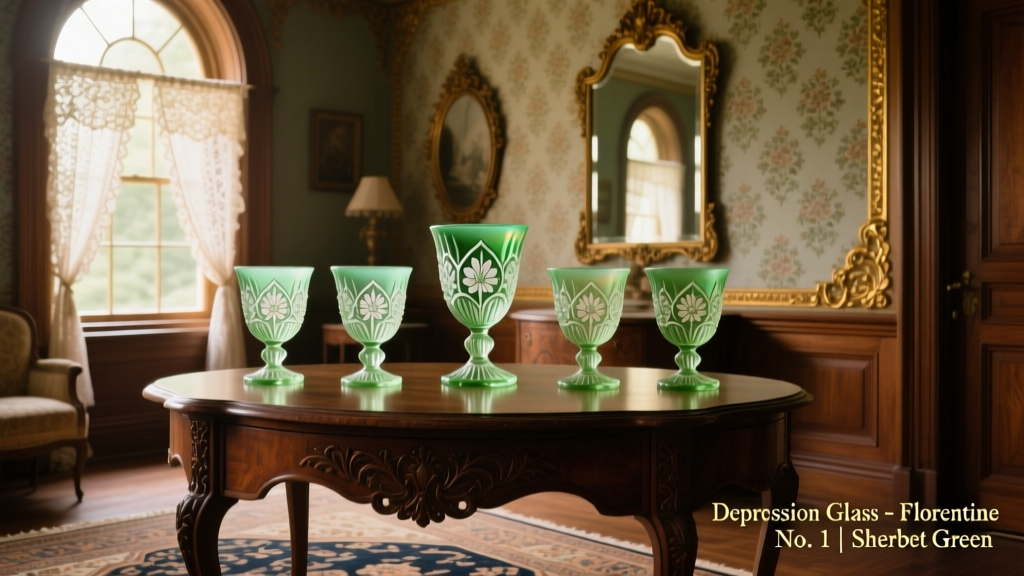
Depression Glass Florentine No. 1 Sherbet in Green: Identification, Value, and Restoration Insights
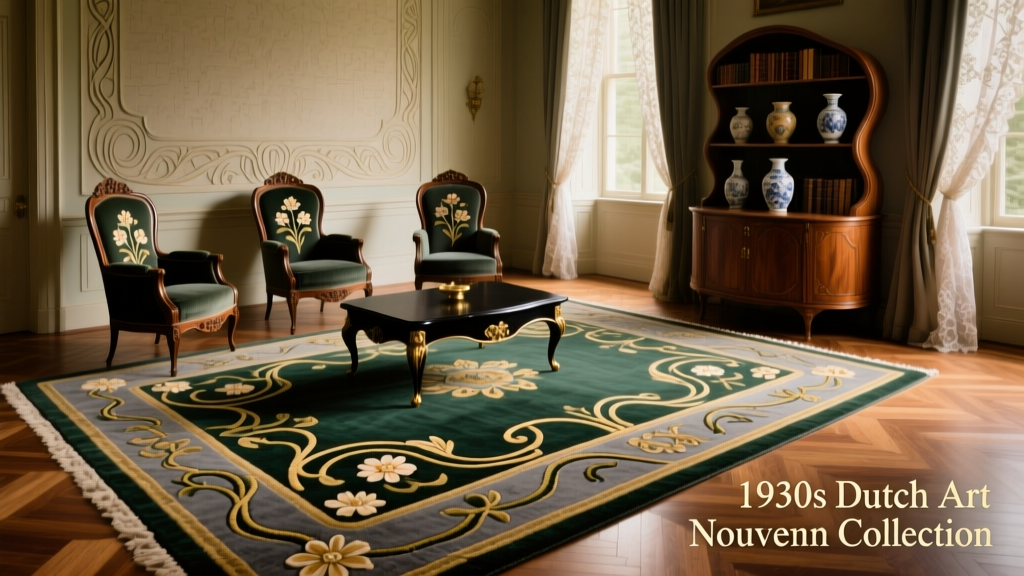
Dutch Art Nouveau Rugs of the 1930s: A Technical and Historical Appraisal of a 13 Ft × 9 Ft 7 In Masterpiece
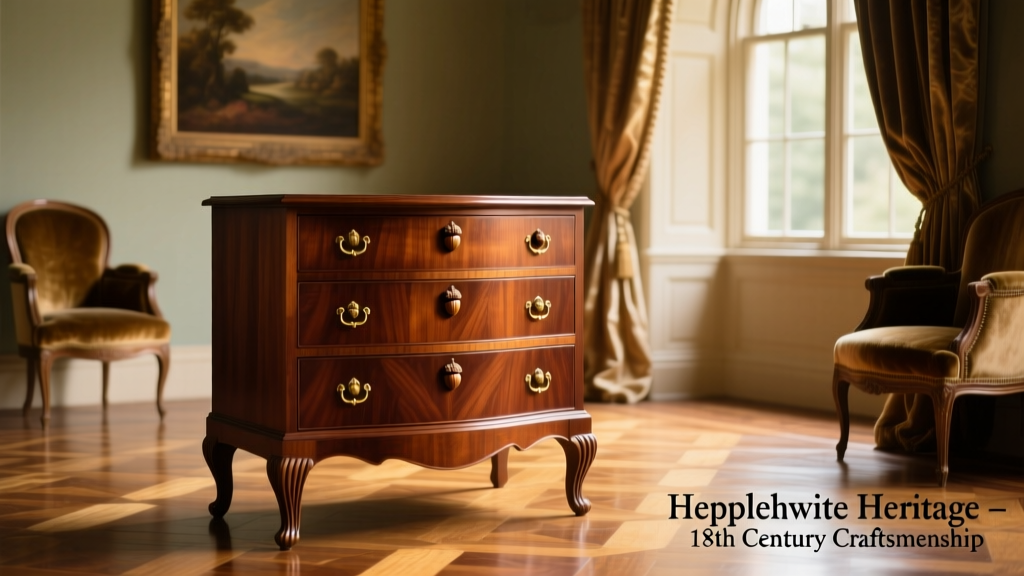
Hepplewhite Mahogany Chest of Drawers: Authentic Identification, Provenance, and Conservation of the 12-Inch Miniature Form
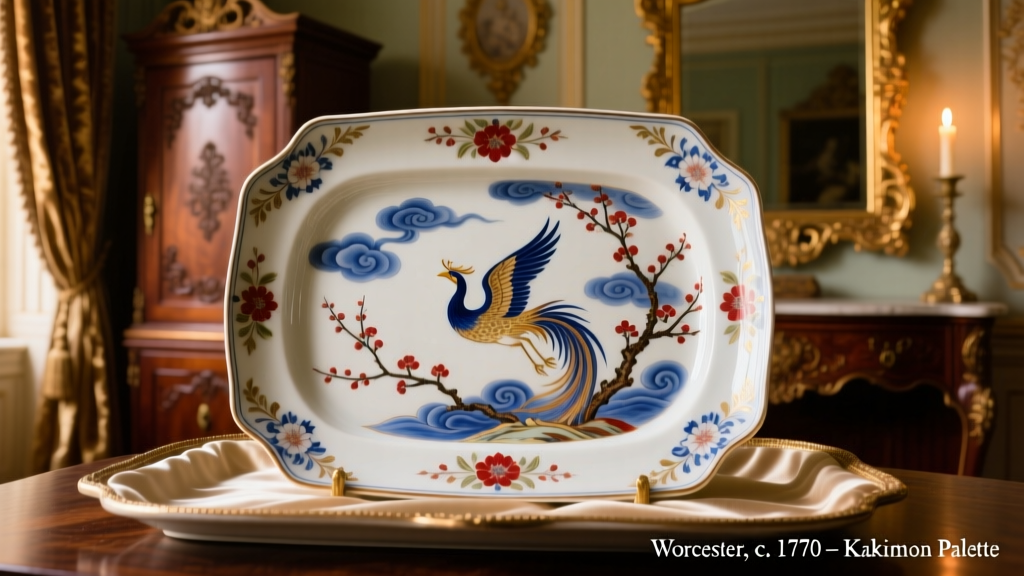
Worcester Platter, Rectangular Chamfered, Phoenix Kakiemon Palette, c. 1770 — A Technical & Historical Analysis
Thermometer Delco Energizer Batteries White Tin: A Collector’s Guide to the 39 × 8¼-Inch Vintage Storage Unit
Can You Help Me Identify This Antique Furniture? A Practical Guide for Collectors and Homeowners
The Columbus Model L Cast Iron Figural Gum Vending Machine: A Detailed Study of Design, Mechanics, and Historical Significance