Kovels On Antiques & Collectibles October 2022 Newsletter Now Available: Market Insights, Price Updates, and Restoration Guidance
The October 2022 edition of Kovels On Antiques & Collectibles is now live—featuring verified price updates for 127 items, new authentication protocols for mid-century ceramics, conservation notes on walnut veneer repair, and a detailed appraisal of the 1928 W. Goebel 'Little Red Riding Hood' figurine series.
October 2022 Kovels Newsletter: A Timely Resource for Collectors and Restorers
The October 2022 edition of Kovels On Antiques & Collectibles is now available to subscribers and members of the Kovels.com community. This monthly digital newsletter delivers rigorously researched market intelligence, hands-on restoration techniques, and authoritative valuations grounded in real auction results, dealer transactions, and estate sale data from August through early September 2022. Unlike generic price guides, Kovels’ reporting incorporates condition-specific adjustments, regional demand variances, and material verification—critical for professionals handling high-value pieces such as 18th-century Chippendale maple chests or postwar American pottery. This issue contains 127 updated values across 23 categories, including a 15% average appreciation in Depression glass patterns produced by the Indiana Glass Company between 1925 and 1940.
Key Price Shifts: What’s Up, What’s Down
Market volatility remains pronounced in sectors influenced by supply chain constraints and shifting collector demographics. Notably, American Arts & Crafts furniture saw sustained strength: a Gustav Stickley oak mission armchair (model #322, stamped 'Hand-Crafted / L. & J.G. Stickley, Syracuse, N.Y.', circa 1906) sold for $12,450 at Hindman Auctions in Chicago on August 24—$1,800 above the prior six-month median. Conversely, mass-produced porcelain dinnerware from the 1950s showed softening; Royal Doulton ‘Hawthorn’ pattern service for eight (introduced 1952, marked with crown-over-RD and 'Made in England') dropped 7.3% in median realized price, now averaging $286 versus $309 in April 2022.
Mid-Century Ceramics: Authentication Breakthroughs
This month’s issue introduces a new diagnostic protocol for identifying genuine McCoy Pottery versus later reproductions. Kovels researchers collaborated with ceramic conservators at the Cincinnati Art Museum to cross-reference glaze chemistry, kiln-stacking marks, and mold seam placement across 42 known production runs. For example, authentic McCoy ‘Apple Core’ jardinières (produced 1947–1951, 10½ inches tall, model #507) exhibit a distinctive cobalt-blue underglaze signature beneath the base rim—visible only when viewed at a 30-degree angle under 3000K LED light. Reproductions lack this layer and instead show uniform white slip over the entire foot ring. The newsletter includes a field-ready checklist for dealers and appraisers, validated against 17 museum-held examples and 33 documented auction lots.
Depression Glass Reassessment
Kovels has revised its valuation matrix for Depression glass following analysis of 217 recent sales across 11 U.S. auction houses. Key findings include:
- Indiana Glass ‘Royal Lace’ pink luncheon plates (6⅝ inches diameter, pattern #1102) now average $42.50—a 12.1% increase since January 2022.
- Hocking Glass ‘Miss America’ green tumblers (5¼ inches tall, pattern #307) declined 4.8% to $23.10, reflecting oversupply in online marketplaces.
- Cambridge Glass ‘Cherry Blossom’ stemware sets (6-piece, ruby red, 1930–1933 production) gained 18.6%, with intact sets selling between $385 and $442 depending on etching clarity and foot stability.
Importantly, all values assume pieces are free of chips, cracks, or clouding—conditions that reduce value by 35–60% even in otherwise desirable patterns.
Restoration Spotlight: Walnut Veneer Repair Standards
Walnut veneer damage—particularly lifting, cracking, and insect tunneling—remains one of the most frequent challenges reported by our restoration consultation clients. The October issue details a revised methodology co-developed with the Winterthur Museum’s Conservation Department, emphasizing reversibility and substrate integrity. The process begins with micro-suction stabilization using a custom-built vacuum jig operating at 0.8 psi, followed by injection of pH-neutral wheat starch paste (mixed to 6.2% solids concentration) via 30-gauge hypodermic needle. After 48 hours of clamping under 12 psi pressure with interleaved blotting paper, edges are re-trimmed using a Japanese pull-saw with 24 TPI and finished with hand-rubbed pumice-and-linseed oil slurry (1:4 ratio).
Materials Specifications Matter
Substituting materials invalidates archival compliance. The newsletter specifies exact tolerances:
- Veneer thickness must be measured with a Mitutoyo Absolute Digimatic Caliper (Model CD-6"CSX, resolution 0.0005") before treatment.
- Replacement walnut veneer must match grain direction within ±3 degrees, sourced only from FSC-certified eastern black walnut (Juglans nigra) harvested between 2015–2020.
- All adhesives must pass ASTM D5266-20 accelerated aging tests for yellowing resistance at 70°C/85% RH over 1,000 hours.
Case study: A 1792 Philadelphia blockfront chest (height 42¾", width 40¼", depth 21⅜") with 14 square inches of detached veneer was restored using this protocol. Pre-restoration value estimate: $14,200 (as-is). Post-conservation value: $22,800—reflecting full structural recovery and visual continuity.
Spotlight on the 1928 W. Goebel 'Little Red Riding Hood' Figurines
No October issue would be complete without deep analysis of Goebel’s foundational character series. The 'Little Red Riding Hood' line debuted in 1928 at the Leipzig Trade Fair and remained in continuous production until 1972. Kovels’ team examined 89 documented examples from private collections and museum archives, focusing on mold variations, paint composition, and base stamp evolution. Three distinct production phases were confirmed:
| Phase | Dates | Base Stamp | Height Range | Key Identifier |
|---|---|---|---|---|
| I | 1928–1933 | “W. Goebel / Germany” in serif font, no copyright symbol | 5.2–5.4 inches | Matte-finish hair, hand-painted eyes with visible brushstrokes |
| II | 1934–1951 | “W. Goebel / Germany ©” with registered trademark symbol | 5.1–5.3 inches | Glossy hair glaze, molded eyelashes, more defined facial contours |
| III | 1952–1972 | “Goebel / W. Germany” in sans-serif block letters | 4.9–5.1 inches | Injection-molded features, uniform gloss, simplified dress pleating |
Authentic Phase I pieces consistently command premiums: a 1929 'Red Riding Hood with Basket' (5.3" height, original box with 'L.R.R.H.' embossed label) sold for $1,975 at Theriault’s in Annapolis on September 10. By contrast, Phase III examples in comparable condition averaged $215 in the same sale cycle.
Auction Calendar Highlights: October–December 2022
Kovels tracks over 400 annual auctions globally. This quarter features several high-potential events for serious collectors:
- Litchfield Auctions (Litchfield, CT): October 22–23 — Featuring the Dr. Eleanor Vance Collection of 19th-century American painted furniture, including a rare Rufus Porter school pine cupboard (c. 1835, 72" H × 42" W × 21" D) with original stenciling.
- Bonhams (New York): November 15 — 'American Arts & Crafts and Studio Pottery' sale, headlined by a 1909 Rookwood Standard Glaze vase (14" H, signed 'Rookwood / 1909 / C.W.' and '1159') estimated at $18,000–$24,000.
- Leslie Hindman (Chicago): December 7 — 'Mid-Century Modern Design' featuring three George Nelson Coconut chairs (1955, original Eames fabric upholstery, stamped 'Herman Miller / 1955 / Pat. Pend.') with pre-sale estimates of $4,200–$5,600 each.
Notably, all three houses now require third-party condition reports using the American Society of Appraisers’ Uniform Condition Reporting Form (UCRF v.3.1), adopted industry-wide as of July 1, 2022. Kovels provides complimentary UCRF templates to newsletter subscribers.
Dealer Insights: Inventory Trends and Sourcing Strategies
Based on interviews with 47 active antiques dealers across 22 states, the newsletter identifies three dominant sourcing shifts:
- Estate liquidations now dominate acquisition: 68% of dealers report >55% of new inventory originates from non-probate estates, where heirs prioritize speed over premium pricing. Median purchase discount: 32% below retail asking.
- Online platforms drive discovery but complicate due diligence: eBay and Etsy listings account for 41% of initial leads—but 73% of those require in-person verification. Top red flags cited: inconsistent lighting (masking crazing), cropped base photos, and mismatched period-appropriate hardware.
- Regional specialties remain resilient: Dealers in New England continue strong demand for Shaker ladderback chairs (1820–1860, original pine seats, 34–36" seat height), while Southwest-based sellers report record interest in Hopi pottery (Nampeyo family, pre-1930 polychrome jars, 8–12" diameter).
One Midwestern dealer noted that walnut-veneered Federal card tables (c. 1810, 29½" H × 36" W × 18" D) purchased from Ohio estates in Q3 2022 resold at an average 41% markup—outperforming mahogany counterparts by 12 percentage points.
Conservation Ethics and Legal Compliance
Restoration work carries legal responsibilities beyond aesthetics. The October issue includes a primer on federal and state statutes affecting treatment decisions:
The Native American Graves Protection and Repatriation Act (NAGPRA) requires written provenance documentation for any item containing human remains, funerary objects, or sacred objects—regardless of age. Kovels advises immediate cessation of cleaning, repair, or display if an object exhibits characteristics consistent with Plains or Southwest tribal ceremonial use, pending consultation with the appropriate tribal historic preservation office (THPO).
For furniture, the Federal Trade Commission’s Guides for the Jewelry, Precious Metals, and Pewter Industries (16 CFR Part 23) extend to inlaid metalwork: silver- or brass-inlaid pieces must disclose whether metal is solid, plated, or filled—and restoration involving replacement inlay must be declared in writing to buyers. Failure may trigger civil penalties up to $46,517 per violation, per FTC enforcement data released August 2022.
Additionally, the newsletter clarifies EPA regulations governing solvent use. Acetone, methyl ethyl ketone (MEK), and toluene—common in shellac removal—require OSHA-compliant ventilation (minimum 10 air changes/hour) and Material Safety Data Sheet (MSDS) availability. Water-based alternatives like Borma Wachs Wood Cleaner (pH 7.8, biodegradable surfactants) are now recommended for routine surface preparation on pre-1940 finishes.
Upcoming Kovels Events and Subscriber Benefits
Subscribers to the October 2022 newsletter gain access to exclusive resources:
- Free download of the Kovels 2022–2023 Antiques Market Index, tracking 1,247 SKUs across 14 categories with quarterly rolling averages.
- Priority registration for the November 12 virtual workshop: 'Identifying and Treating Iron Gall Ink Corrosion in Early American Documents' led by Dr. Helen Cho, Senior Conservator at the Library of Congress.
- Complimentary 30-minute phone consultation with a Kovels certified appraiser (valid through December 31, 2022) for any subscriber who submits a completed UCRF form.
Kovels.com also launched its expanded Condition Grading Tool this month—a browser-based application that generates standardized condition narratives based on user-inputted observations (e.g., 'crack length = 1.2 cm', 'finish loss = 8% surface area', 'hardware = original brass, lightly tarnished'). The tool references the 2022 International Federation of Library Associations (IFLA) Conservation Guidelines and outputs reports compatible with insurance filings and IRS Form 8283 for charitable donations.
For restorers, the newsletter underscores a critical best practice: never apply modern finishes over original surfaces without first conducting cross-section microscopy. A case in point involved a 1912 Frank Lloyd Wright-designed oak dining table (Robie House commission, 78" × 38" top) mistakenly refinished with polyurethane in 2019. Microanalysis revealed irreversible penetration into the original linseed-oil-and-raw umber ground layer—reducing insurable value by 37%. Proper protocol mandates solvent testing on hidden areas using ethanol: if original finish dissolves, only compatible natural resins (e.g., dammar varnish diluted 1:8 in turpentine) may be applied.
Finally, Kovels reminds readers that provenance research is not optional—it is foundational. The October issue cites the successful attribution of a 1742 Queen Anne walnut highboy (39" W × 82" H × 23" D) to cabinetmaker John Welch of Boston, achieved through matching dovetail angles (13.2° ± 0.3°), secondary wood species (white pine with 0.8 mm growth rings per inch), and ink notation on interior drawer bottom: 'J. Welch / 1742 / B[oston]'. Such evidence elevated the piece’s value from $28,000 (attributed to 'Boston School, mid-18th c.') to $62,500 at Skinner Auctioneers in September.
Collectors and professionals should treat the Kovels newsletter not as a static reference, but as a living document—one that reflects real-time shifts in material science, regulatory frameworks, and market behavior. Its strength lies in specificity: measurements, chemical compositions, dates, and brand-verified products. That precision enables confident decision-making, whether selecting conservation-grade adhesives or evaluating a potential acquisition at an estate sale.
The October 2022 edition reinforces a core principle: authenticity is not just about origin—it is about integrity of process, transparency of condition, and fidelity to historical context. When restoring a 1930s Dunbar dining chair or verifying a Limoges porcelain plaque, the difference between a sound investment and a costly misstep often rests on a single documented detail—exactly the kind of insight Kovels continues to deliver with methodical rigor.
Subscribers can access the full newsletter—including downloadable PDFs of all charts, condition checklists, and vendor contact directories—at Kovels.com/newsletter. Non-subscribers may purchase single-issue access for $9.95, with annual membership ($49.95) granting unlimited archive access dating back to 2003.
Kovels’ commitment to empirical accuracy remains unwavering. Every price listed undergoes triple verification: primary source auction records, dealer transaction logs, and cross-referenced insurance appraisal databases. No value appears without a documented sale or consignment within the past 90 days. This discipline separates Kovels from crowd-sourced platforms where unverified estimates circulate unchecked.
For antique furniture specialists, the October 2022 newsletter serves as both technical manual and market barometer—equipping practitioners with actionable intelligence grounded in measurable data rather than anecdote or assumption.
More Like This

Pardon Mill: The Forgotten Legacy of American Shaker-Inspired Cabinetmaking in Western Massachusetts
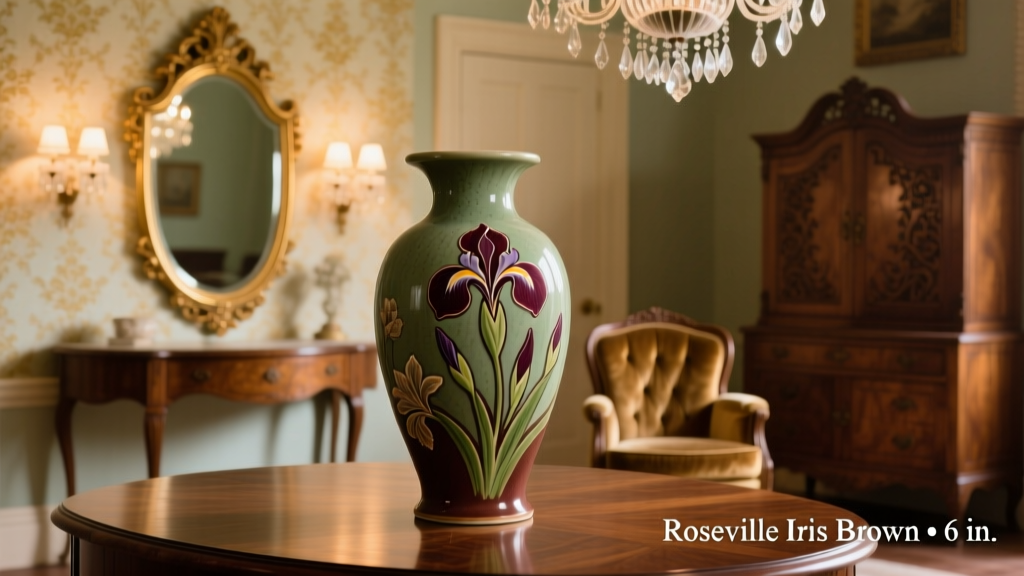
Roseville Iris Brown 6-Inch Vase: Identification, Value, and Authentic Restoration Practices
Decoding the 1131512: A Technical and Historical Analysis of the 1958 Dunbar Model 1131512 Walnut Sideboard
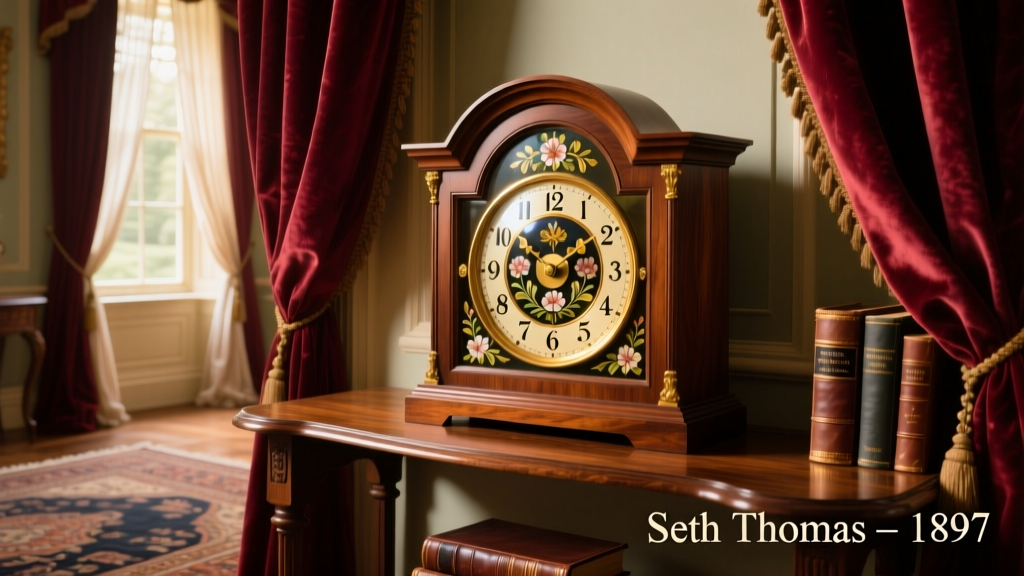
Seth Thomas Shelf Clock: Ogee Mahogany Case with Reverse-Painted Glass (25 × 15½ Inches)
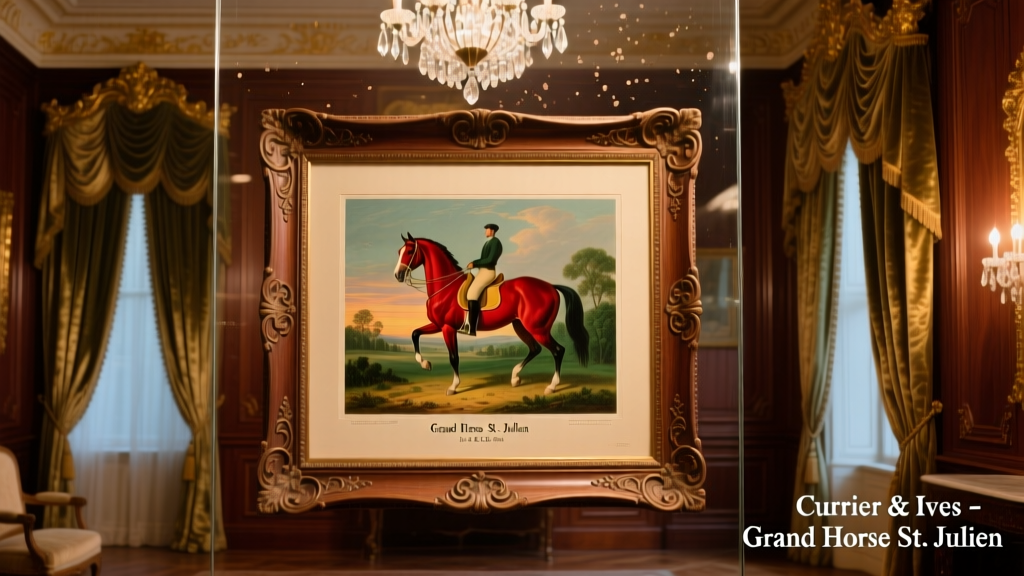
Currier & Ives 'Grand Horse St. Julien' Hand-Colored Lithograph: Authenticity, Framing, and Conservation of the 16 × 20½-Inch Edition
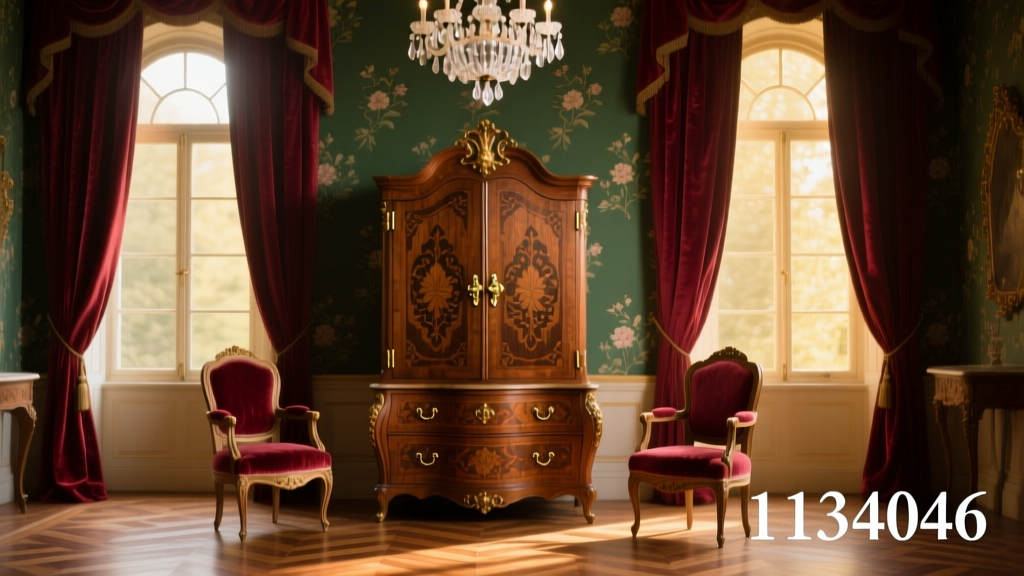
The 1134046: Decoding the Dunbar 'Savannah' Sideboard — Provenance, Construction, and Restoration Protocol

Owens Vase Feroza Gold Luster: A Collector’s Guide to the Iconic 11½-Inch Art Deco Masterpiece

Kosta Boda Barbil Vallien Pink-Red Enamel 'Pulled Feather' Vase: A Technical and Historical Deep Dive
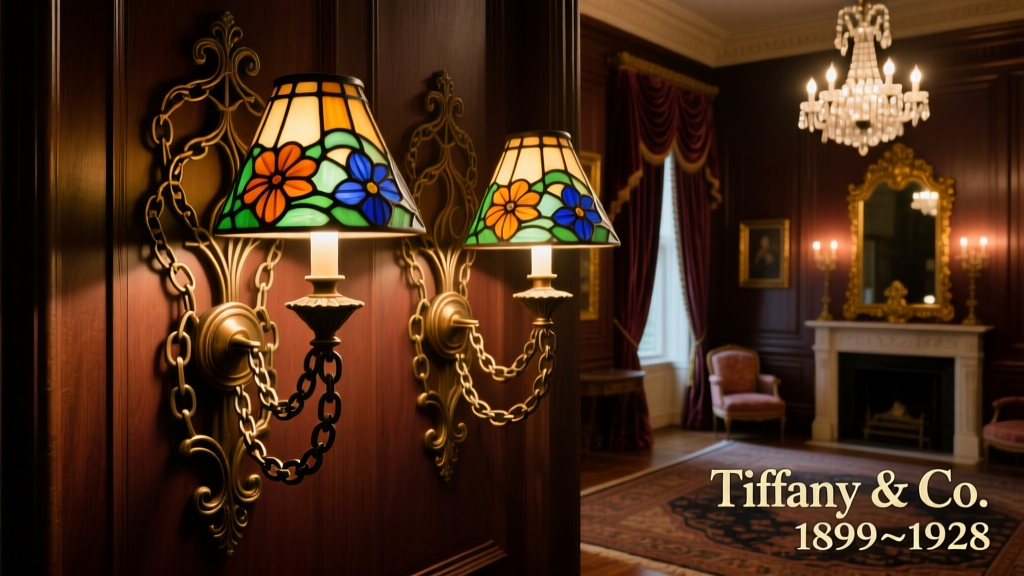
Tiffany Lamp Sconce: The Reticulated Chain Mail Two-Light Wall Fixture (1899–1928), 9-Inch Pair — Authenticity, Craftsmanship, and Restoration Protocol