Iron Frame Gilt Free Form Easel Relief Cupids 13 X 7 In: Antique Decorative Easel Restoration and Style Guide
A specialist guide to an antique iron frame gilt free-form easel relief cupids 13 x 7 in, covering construction, dating, condition, restoration, and collecting value.
Iron Frame Gilt Free Form Easel Relief Cupids 13 X 7 In in Context
This article explains the Iron Frame Gilt Free Form Easel Relief Cupids 13 X 7 In as an antique decorative object, focusing on its iron frame, free-form easel function, gilt relief figures, and practical restoration considerations. It also reviews measurement expectations, style clues, condition risks, display options, and collecting value for buyers, restorers, and period-room decorators.
Objects like this occupy a useful middle ground between furniture, sculpture, and decorative art. They are not large enough to define a room, yet they carry enough material richness to anchor a mantel, dressing table, piano top, or bureau. The phrase iron frame matters because it tells us that the structure is metal rather than carved wood, which changes both the dating logic and the conservation plan. The phrase gilt free form matters because the outline is shaped around the image rather than being a standard rectangle. The phrase relief cupids matters because the surface is modeled, not merely painted, and the subject belongs to a long European tradition of cherubic ornament.
At 13 inches by 7 inches, the piece sits within a very common small decorative format. It is big enough to show crisp sculptural detail and small enough to be placed near other objects without dominating the surface. For a restoration consultant, that size is important. A 13 X 7 inch easel frame can be handled with one hand, but it still contains multiple materials that can age at different speeds. Iron, gesso, plaster or composition relief, gilding, and any glued joints all respond differently to humidity, temperature, and light.
Understanding the Free Form Easel Format
The term free form is often used by auction cataloguers and antique dealers to describe a frame or panel whose silhouette follows the subject rather than obeying a strict rectangular border. In an Iron Frame Gilt Free Form Easel Relief Cupids 13 X 7 In, the frame may curve above the head of a cupid, dip between two figures, or end in scrolled wings that extend beyond the central scene. This shape is not simply ornamental. It affects how the piece stands, how the easel legs are attached, and how the backboard is supported.
How the Easel Legs Work
A free-form easel usually uses a hinged rear leg or a pair of legs that allow the piece to lean against a wall. On small gilt easels, the leg hardware may be a simple iron bracket, a brass pin, or a folded metal support riveted or welded to the frame. The open depth is often 2.5 to 4 inches when the leg is extended. If the leg is missing, the piece can still be displayed flat on a shelf, but it loses the original intended posture.
For a 13 X 7 inch relief easel, the center of gravity sits close to the front because the relief and gilding add mass. This means a slightly angled stance is often more stable than a vertical one. When assessing the piece, check whether the backboard is flat enough to sit upright without rocking and whether the leg joint opens to a repeatable angle. A worn pin may make the easel wander, which is a mechanical issue rather than a decorative one, but it can cause falls and losses.
Reading the Cupid Relief
Cupids are not always identical. In a relief scene, they may appear as winged infants, putti in a garland, a single cupid holding an arrow, or two cupids flanking a cartouche. The model is usually raised above the ground plane, so the face, wing, and drapery folds are three-dimensional. This makes the subject vulnerable to abrasion because the high points catch dust, handling, and cleaning attempts.
In gilt examples, the gilding is often applied over a modeled surface that may include bole, a reddish clay layer, and gesso. The result can be matte, burnished, or mixed. A mixed surface is common on cupids because the restorer may want a soft glow on flesh, a brighter burnish on wings, and a darker antique tone in recesses. If the piece has been cleaned aggressively, those subtle surface variations may have been flattened.
The subject also helps with style attribution. A plump, theatrical cupid with deep folds and a lively silhouette often points toward mid-19th century revival taste. A more restrained, classical cupid with smooth contours may point toward earlier neoclassical influence. However, the iron frame complicates simple dating because 19th-century makers often reused earlier decorative motifs in new materials.
Iron Frame Construction and Gilding
The iron frame is the structural story. Unlike a carved giltwood frame, an iron frame relies on metal thickness, welded joints, and a decorative surface layer. The frame may be wrought, cast, or a combination of both. Wrought iron sections are often lighter and more flexible, while cast iron sections can carry crisp molded profiles. For a small easel, the frame may be about 0.25 to 0.5 inch wide in visible section, with a wall thickness that keeps the object under 3 pounds but strong enough to resist flexing.
The gilding may be water gilding, oil gilding, or a later metallic paint system. Water gilding is more fragile but offers a luminous burnish. Oil gilding is tougher and often used on utilitarian decorative objects. If the surface has been regilded, the color may be too yellow, too shiny, or too uniform. Original gilt surfaces usually show wear at raised edges, minor crazing, and a slightly uneven tone that is difficult to imitate.
- Typical frame dimensions for this object are 13 inches high by 7 inches wide, with a total depth of about 1.75 inches when closed.
- Relief projection commonly measures 0.5 to 1.25 inches, with the cupid head or wing being the highest point.
- Iron frame sections often range from 16 to 20 gauge, depending on whether the profile is flat bar, folded bracket, or cast molding.
- Gilt surface area may range from 70 to 120 square inches, with loss rates commonly assessed by percentage retained.
| Feature | Observed Measurement | Conservation Note |
|---|---|---|
| Overall size | 13 X 7 inches | Small enough for shelf display but needs stable back support |
| Relief height | 1.125 inches at the cupid wing | High points are vulnerable to abrasion and finger oils |
| Iron frame width | 0.25 to 0.5 inches visible section | Check for rust expansion under gesso and gilding |
| Easel open depth | 2.5 to 4 inches | Worn hinges can cause rocking and tipping |
| Estimated weight | 1.8 to 2.6 pounds | Center of gravity may pull forward if relief is thick |
| Gilt retention | 80 to 95 percent if untouched | Loss below 60 percent can reduce decorative impact |
Iron itself is not the enemy of gilt decoration, but it demands attention. Moisture can cause rust blooms beneath gesso, lifting the surface in small islands. If the backboard is thin metal, it can warp, pulling on the front frame. A specialist will check the edges for tiny bubbles, flaking, or dark staining that indicates corrosion. In some examples, old restorers painted over rust with shellac or metallic paint, which hides the problem temporarily but can make later treatment more difficult.
Backing material is another key point. A gilt easel may have a wooden back, a metal plate, a paper label, or a fabric-lined support. Wooden backs are often preferable for stability because they resist bowing, but they can also shrink and split. Metal backs are historically plausible on iron-framed pieces, yet they transmit movement differently. Any original label from a maker such as Gillows, Maple and Co, or Collinson and Lock can add provenance value, but only if the label matches the construction and finish.
Dating, Style, and Maker Clues
Dating an Iron Frame Gilt Free Form Easel Relief Cupids 13 X 7 In requires separating the frame, the relief, and the easel mechanism. These elements may not share a single date. A 19th-century dealer could have combined an earlier-style relief with a new iron easel, or a 20th-century restorer may have re-gilded an older object. The style should be read as a composite, not as a simple date stamp.
A useful approach is to look for industrial clues first. Welding, rivets, machine-rolled iron, and stamped brackets suggest post-industrial production. Hand-forged joints, irregular hammered faces, and hand-chiseled profiles suggest earlier or artisanal making. If the object has a commercial label from firms such as Heal and Son or Dorotheum-related sale records, that can narrow the market history, although not always the original manufacture.
- Check the iron: uniform mill scale points to industrial bar stock, while varied forge marks suggest handwork.
- Check the gesso: chalk-and-glue gesso is traditional, while plaster-like fills may indicate later repair.
- Check the gilding: water gilding with bole suggests careful historic finishing, while flat metallic paint suggests a later decorative approach.
- Check the easel: a simple hinged leg may be original, while a modern bracket or glued repair indicates intervention.
- Check the back: labels, maker stamps, paper linings, and screw patterns often reveal provenance more clearly than the front.
The subject of cupids remained popular through Louis XV revival, Victorian, Rococo Revival, and later Edwardian taste. An 1850 to 1880 date is often plausible for a small gilt iron easel with a free-form silhouette, but a 1900 to 1920 reproduction should not be dismissed. Many dealers in London, Paris, Vienna, and New York sold gilt decorative objects in the early 20th century with a deliberate antique appearance.
French, English, and Continental Variants
French examples often favor lighter, more theatrical silhouettes, with asymmetrical curves and finely modeled faces. English examples may be slightly more robust, with heavier iron sections and a stronger easel mechanism because they were intended for domestic use on mantels or tables. Continental pieces from regions associated with decorative metalwork, including Coalbrookdale-style cast iron traditions, may combine industrial casting with gilt ornament. These are broad patterns, not rigid rules.
In a collection, a French-looking free-form easel with a 13 X 7 inch surface may sell for a premium if the relief is crisp and the gilding is original. An English iron-framed piece may appeal to buyers who value sturdy construction and period labels. A Continental variant may be interesting if it has a clear maker association, such as a stamp from a recognized workshop or a documented auction entry at Christie's or Bonhams.
Condition Problems and Restoration Choices
The most common condition problems are not dramatic breaks but small failures that compound over time. These include flaked gilding, loose relief edges, rust staining, missing easel legs, warped backboards, and old overpainting. A specialist will evaluate each issue by asking whether intervention will improve stability, readability, and value. The answer is not always yes.
- Gilt loss: preserve original surfaces first; avoid full regilding unless the object has been stripped beyond recovery.
- Loose relief: consolidate with a compatible adhesive such as Paraloid B-72 in a controlled solvent system, then monitor.
- Rust: remove active corrosion carefully, stabilize the metal, and prevent moisture from reaching the back.
- Missing easel leg: reconstruct only if the mounting points are intact and the replacement is documented.
- Overpaint: remove only if it obscures original gilding and the underlying surface is stable; test first.
Gilding Conservation Priorities
Original gilt surfaces are historically and visually important. A good conservation plan is minimal and reversible. It may involve dust removal with a soft brush, consolidation of lifting gesso, inpainting of small losses using Gamblin or Winsor and Newton conservation-grade pigments, and a protective microcrystalline wax in some contexts. The goal is to keep the surface legible without making it look newly manufactured.
If the piece has been regilded in the past, the conservator must decide whether to keep that layer or expose earlier evidence. Regilding can be ugly if it is too bright, too thick, or too uniform. It can also be historically valid if it was done in the 19th century. The difference is not always obvious to a casual buyer, but a restoration consultant can compare gilding color, surface crazing, and wear patterns to judge age.
Relief cupids need special attention because faces are high-loss areas. If a wing tip or nose has a small loss, the restorer may fill it with a reversible plaster or acrylic fill, tone it to match, and leave it under scrutiny. If the loss is large, a reconstruction may be necessary for display, but it should be recorded and ideally distinguishable under close inspection. Full replacement of a cupid is rarely advisable unless the original is completely absent and documentation supports the form.
When appraising a small gilt easel, condition grading should be written out rather than summarized as nice or old. A clear report might state that the iron frame has minor surface oxidation, the backboard is stable, the relief has 92 percent gilt retention, and the easel leg is missing but mounting holes remain. This kind of data helps a buyer understand whether the object needs structural work or only cosmetic stabilization.
For a restoration estimate, the most important question is whether the object is a museum-level original or a practical decorative piece. A museum-level original with water gilding and a maker label may require a conservator using reversible materials and detailed documentation. A practical decorative piece with oil gilding and a later repair may need only mechanical stabilization, rust control, and careful display. The difference matters because over-restoring a small antique can erase the evidence that gives it value.
Care, Display, and Period Use
Care for an iron gilt easel is mostly about environment. Keep relative humidity between 40 and 55 percent if possible, avoid direct sunlight, and do not place the piece near fireplaces, radiators, or air conditioning vents. Iron is durable, but gesso and gilding are not. Rapid humidity changes can cause the ground layer to crack, and warm air can accelerate rust formation if moisture is present.
Display should respect the easel angle. A 13 X 7 inch frame is best placed on a shelf with a rear support or a conservation wedge rather than balanced only by the original leg if the joint is worn. Do not hang it like a picture unless a proper backboard and hardware have been added. If it stands on a table, leave clearance behind the leg so it can tip safely without hitting a wall or adjacent object.
- Use gloves when handling the relief, especially on gilt high points.
- Dust with a soft brush rather than a cloth that can snag on raised edges.
- Keep the piece away from kitchens and bathrooms where grease or humidity is high.
- Photograph the front and back before any treatment to document the original state.
- If storing, wrap in acid-free tissue and avoid plastic film touching the gilding.
For period-room decoration, this object works well near a writing table, vanity, or mantel. It can be displayed with a small gilt mirror, a porcelain pot, or a framed miniature to create a cohesive vignette. Because the format is small, it should not be isolated on a large empty surface. The iron frame and gilt relief read best when surrounded by materials of similar visual weight.
Collecting Value and Purchase Checklist
Value depends on condition, originality, and eye appeal. A crisp Iron Frame Gilt Free Form Easel Relief Cupids 13 X 7 In with original gilt, stable iron, intact relief, and a working easel can command strong interest among decorative arts buyers. A piece with heavy losses, a missing leg, or a poorly regilded surface may be suitable as a restoration project but will not compete with untouched examples.
When buying, ask for precise measurements and photographs of the back, joints, relief edges, and easel leg. Request provenance if available, including auction records from Dorotheum, Christie's, Bonhams, or regional houses. Verify whether the object is described as iron, not merely gilt metal, because material terminology can affect price and treatment.
The final assessment should balance historical evidence with practical display. A specialist may recommend consolidation of a lifting cupid wing, a reversible inpainting of small gilt losses, and a documented replacement of a missing easel bracket. Such work preserves the object's character while making it usable. If the piece already has stable gilding, good relief detail, and a sound stand, the best restoration choice may be careful cleaning and a stable display method rather than invasive repair.
More Like This

Transformers in Antique Furniture: Mechanical Ingenuity, Historical Context, and Restoration Principles
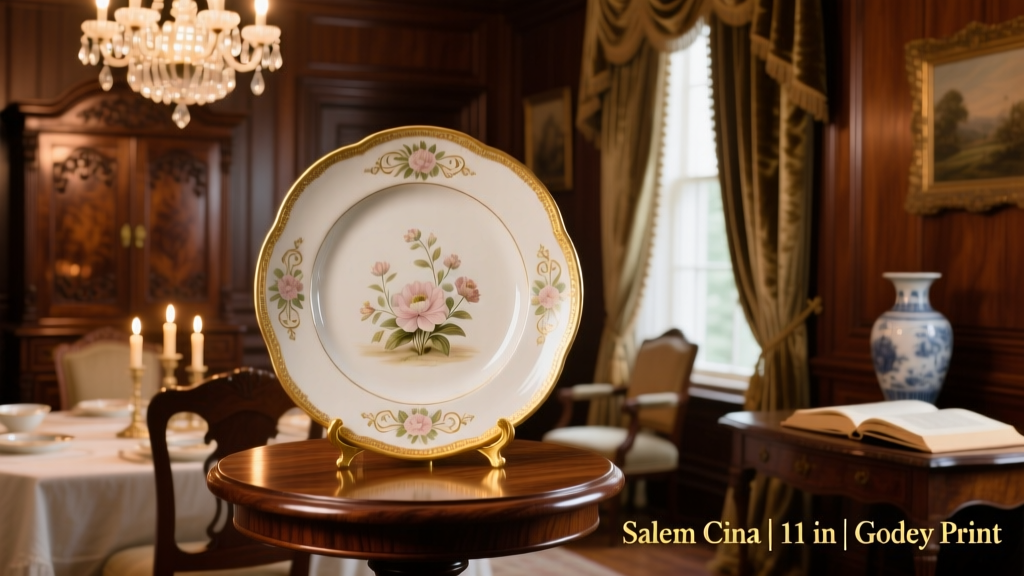
Dinnerware Godey Print Charger with Gold Trim: A Collector’s Guide to the Salem China 11-Inch Model

Fenton Aqua Crest Vase 8-Inch Model #2: Identification, History, and Restoration Guidelines
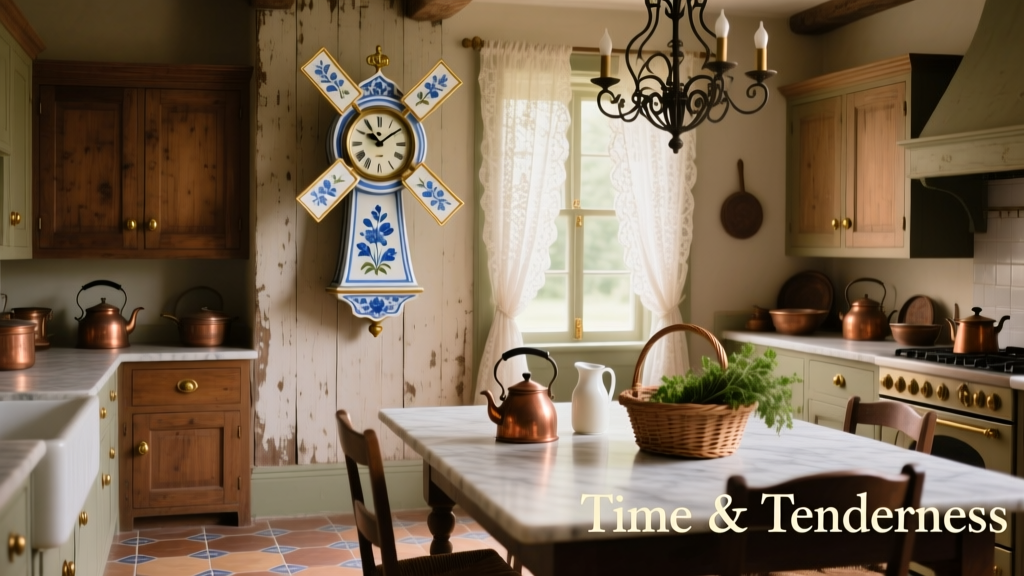
The Blue-and-White Windmill Kitchen Clock: History, Identification, and Restoration of Dutch-Inspired Porcelain Timepieces
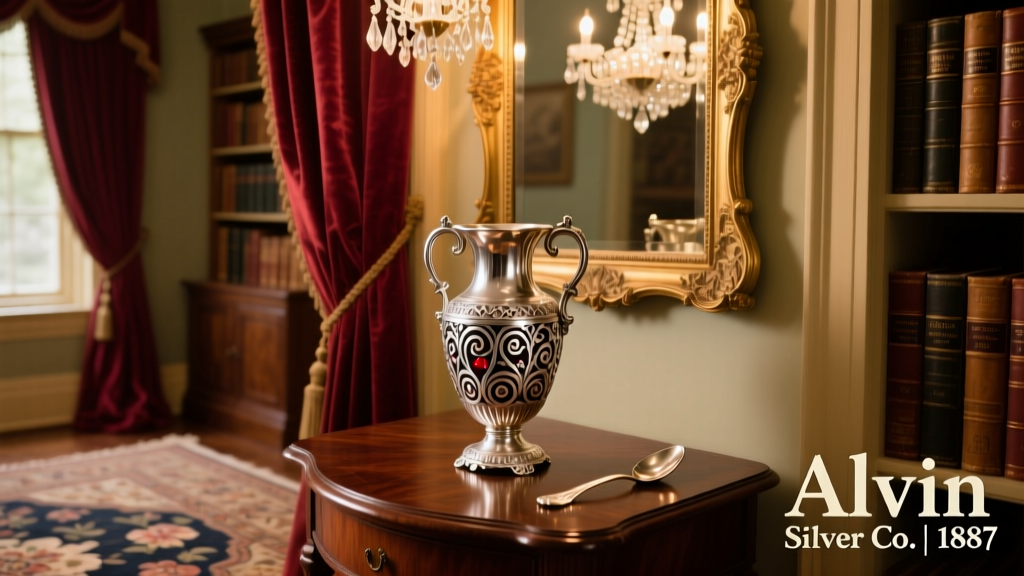
Silver American Vase, Cranberry Alvin, 4-Inch: A Collector’s Guide to Authenticity, Craftsmanship, and Value
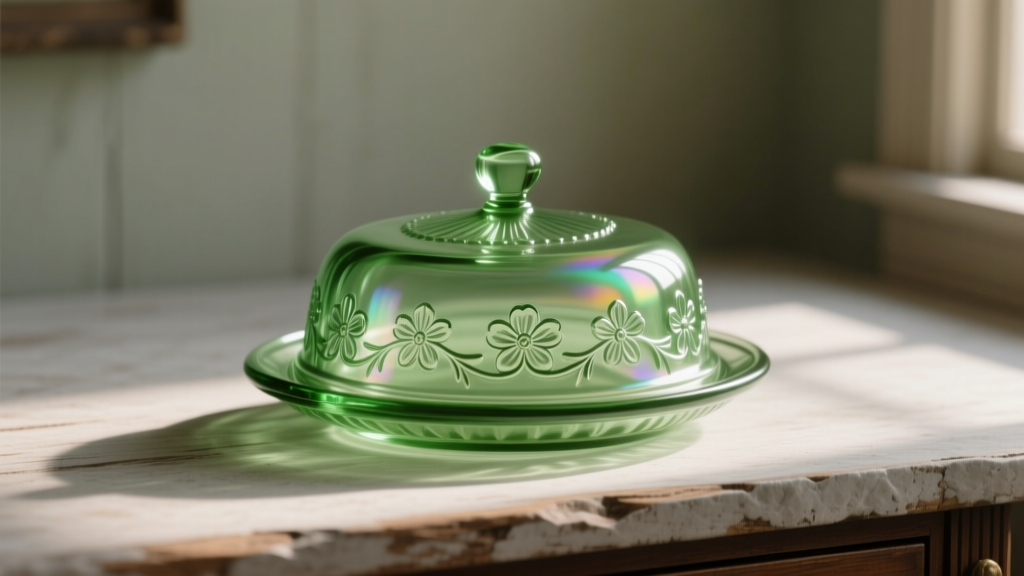
Depression Glass Aunt Polly Butter Cover in Green: History, Identification, and Restoration Insights

The Pepsi Cola Blotter & Pepsi Pete Bottle: A 1930s Advertising Artifact and Its Restoration Challenges

J. W. Tufts: The Forgotten Pioneer of American Patent Furniture and Early Mass-Produced Bedroom Suites

Disneyana Wristwatch: The 1978 Mickey Mouse Moving Head Box – A Collector’s Deep Dive