Important Spring Estates Auction 3: A Curator’s Analysis of Rare American and European Furnishings
A detailed appraisal of Important Spring Estates Auction 3, featuring 142 lots spanning 17th–20th century furniture, including a documented Chippendale mahogany blockfront chest-on-chest (1768), a pair of George II walnut armchairs by William Hallett (c. 1745), and a rare 1930s Jean-Michel Frank leather-upholstered daybed with original brass ferrules.
Introduction: Context and Significance of the Third Spring Estates Series
The Important Spring Estates Auction 3, held May 18–19, 2024, at Freeman’s in Philadelphia, represents the most historically layered installment to date in this biannual series. Unlike its predecessors—which emphasized mid-century modern and Gilded Age decorative arts—this auction foregrounds deep provenance, structural integrity, and scholarly attribution. Of the 142 lots offered, 87% carried documented ownership histories exceeding three generations, and 31 lots featured archival correspondence or period photographs verifying original placement within historic residences such as the John W. Garrett House (Baltimore, MD) and the J. Pierpont Morgan Library Annex (New York, NY). This level of documentation is exceptionally rare in the current market, where over 60% of comparable estate auctions report incomplete or unverifiable provenance per the 2024 Antiques Trade Guild Provenance Index.
American Federal and Neoclassical Masterpieces
Lots 12 through 28 formed the core of the American furniture segment, anchored by Lot 17: a documented Chippendale mahogany blockfront chest-on-chest attributed to the Portsmouth, New Hampshire workshop of John Paul Jones (active 1760–1782). Measuring 84 ½ inches high × 42 inches wide × 22 inches deep, the piece retains its original brasses—including six shell-and-scroll escutcheons and eight lion-mask pulls—and exhibits consistent dovetailing and secondary wood analysis confirming northern white pine backboards and yellow pine dustboards. Crucially, a 1768 bill of sale signed by Jones and preserved in the Portsmouth Athenaeum archives explicitly references "a large chest on chest for Mr. Ebenezer Ladd, with block front & oyster veneer"—a perfect match to the construction and surface treatment of this lot.
Provenance and Material Verification
Scientific examination conducted by Winterthur Museum’s Conservation Department confirmed the use of imported West Indian mahogany (Swietenia macrophylla) for primary surfaces, verified via X-ray fluorescence (XRF) spectroscopy detecting trace levels of copper and zinc consistent with 18th-century Caribbean logging practices. The drawer interiors retain original glue residue containing rye flour binder—a hallmark of pre-1790 New England cabinetmaking—and show no evidence of 19th- or 20th-century refinish. This combination of documentary, material, and stylistic evidence places the chest among fewer than seven fully authenticated blockfront chests from Portsmouth workshops currently known to exist.
Market Implications
Prior to auction, Sotheby’s 2022 sale of a related but undocumented Portsmouth chest realized $312,000—well below the $585,000 achieved here. The premium reflects not only condition but also the rarity of verifiable workshop attribution. As noted by Dr. Eleanor Vance, Senior Furniture Historian at the Chipstone Foundation, "When you can tie an object to a specific maker, date, and client—especially with surviving business records—the value transcends aesthetic merit and enters the realm of primary historical artifact."
Georgian English Walnut and Giltwood Highlights
Lot 41, a pair of George II walnut armchairs bearing the stamped mark "W. HALLETT" on the rear stiles, exemplifies the auction’s strength in early English seating. Each chair stands 39 inches high, with seat dimensions of 20 ¾ inches wide × 17 ½ inches deep × 18 ¼ inches high. The frames are constructed of solid walnut with yew-veneered cabriole legs terminating in pad feet with original brass casters. Upholstery retains its 1745-period needlepoint tapestry panels depicting classical pastoral scenes—identified by the Victoria & Albert Museum’s Textile Department as matching patterns used in Hallett’s 1743 commission for Lord Chesterfield’s London townhouse.
Attribution and Workshop Practices
William Hallett (1707–1781) operated one of London’s most influential cabinetmaking firms during the 1740s–1760s, supplying furniture to aristocratic patrons including the Duke of Devonshire and Sir Robert Walpole. His workshop employed standardized joinery techniques—including double-tenon joints in the seat rails and hand-forged iron staples securing the serpentine crest rails—that are present in both chairs. Microscopic analysis of tool marks confirms the use of 18th-century adzes and spoke shaves, with no evidence of later machine-planed surfaces.
The chairs were acquired in 1928 by collector Margaret Thayer from a sale at Christie’s London (Lot 142, May 1928), where they were described as "from the collection of the late Hon. Mrs. Henry Pelham-Clinton." Their subsequent residence at Thayer’s Newport, RI, estate—from 1929 until her death in 1971—was corroborated by family letters housed at the Rhode Island Historical Society.
French Art Deco and Modernist Statements
Lot 79, a Jean-Michel Frank leather-upholstered daybed, stood out for its exceptional preservation and design lineage. Created circa 1932 for the Paris apartment of art dealer Paul Rosenberg, the piece measures 78 inches long × 32 inches wide × 28 inches high, with a 4-inch-thick seat cushion upholstered in un-dyed, vegetable-tanned calf hide. Its frame is constructed of solid beech with hand-rubbed ebonized finish and features four original brass ferrules stamped "JMF PARIS"—a detail verified against Frank’s workshop ledger (Archives Nationales de France, AJ/52/114).
Frank’s collaboration with sculptor Constantin Brâncuși and patron Marie-Laure de Noailles directly informed the daybed’s restrained geometry and emphasis on tactile materiality. Unlike many Frank pieces that suffered wartime damage or postwar reupholstery, this example retains its original leather, which exhibits even patination and no signs of chemical restoration. Infrared imaging revealed the original stitching thread to be linen, consistent with Frank’s documented preference for natural fibers over silk or cotton.
Comparative Market Performance
This daybed realized $427,500—surpassing the $389,000 achieved for a similar Frank chaise longue at Christie’s New York in November 2023. Key differentiators included the presence of the original brass ferrules (absent on the Christie’s lot) and the intact, unaltered leather surface. According to specialist Isabelle Dubois of Galerie Jacques Lacoste, "Frank’s work is often misattributed. True pieces have a specific weight distribution—the footrest must sit precisely 1.8 cm lower than the seat plane to achieve his intended recline angle. This one does, down to the millimeter."
Mid-Century American Studio Craft
Lot 94, a maple and walnut credenza by Wharton Esherick (1877–1970), demonstrated the auction’s deliberate inclusion of 20th-century studio furniture with architectural significance. Completed in 1954 for the Bryn Mawr College faculty club, the piece measures 72 inches wide × 20 inches deep × 34 inches high and features Esherick’s signature carved wave motif along the top rail and tapered, splayed legs with integrated drawer pulls. The interior contains two adjustable shelves and a single deep drawer lined with original cork underlay—a functional detail Esherick specified in his 1953 notebook (Hagley Museum MS 2274).
Esherick’s approach to wood grain orientation was methodical: all vertical elements display quarter-sawn grain for dimensional stability, while horizontal surfaces use rift-sawn maple to minimize seasonal cupping. Dendrochronological analysis of the maple components confirms felling dates between spring 1953 and winter 1954, aligning precisely with Esherick’s documented working schedule.
Technical Documentation and Legacy
Accompanying the lot was Esherick’s original sketch (ink on tracing paper, 12 × 18 inches) and a 1954 letter to Bryn Mawr’s facilities director specifying "no finishes other than tung oil, applied in three hand-rubbed coats, with 48-hour drying intervals." This level of technical specificity is rare in studio furniture sales and contributed significantly to the final price of $214,000—17% above the high estimate.
Conservation Considerations and Pre-Auction Assessment
Freeman’s engaged independent conservators from Objects Conservation Associates (OCA) to conduct pre-sale assessments on all lots valued above $50,000. Their reports, made available to registered bidders, identified three critical categories of intervention risk:
- Structural instability: Four lots exhibited loose mortise-and-tenon joints requiring consolidation with hide glue and reversible wooden dowels (e.g., Lot 33, a 1790s Philadelphia secretary bookcase)
- Surface vulnerability: Sixteen lots showed active leather desiccation or textile fiber fatigue, necessitating environmental stabilization prior to handling
- Material conflict: Two lots contained incompatible restoration materials—most notably Lot 61, a 1920s Émile-Jacques Ruhlmann lacquered commode with 1960s polyester resin fill that had begun to yellow and delaminate
OCA’s interventions were strictly limited to stabilization—not aesthetic enhancement—and followed the American Institute for Conservation (AIC) Code of Ethics. All treatments were fully documented with before/after photography and material specifications. This transparency increased bidder confidence: 92% of high-value lots attracted multiple qualified bidders, compared to 68% in the prior Spring Estates auction.
Notable Absences and Market Shifts
Three categories traditionally strong in estate auctions were notably underrepresented: Victorian revival furniture (only five lots), American Arts & Crafts oak (zero lots), and postwar Danish teak (three lots, all under $12,000). This reflects broader collecting trends tracked by the Antique Dealers’ Association of America (ADAA) 2024 Survey, which found that 74% of high-net-worth collectors now prioritize "documented authorship and unbroken provenance" over stylistic cohesion or brand recognition. As one anonymous collector stated in the survey: "I’d rather own one authenticated Hallett chair than ten unsigned 'Chippendale-style' pieces—even if they’re prettier."
Additionally, the auction marked a pronounced shift toward smaller-scale objects with high intellectual value. For example, Lot 112—a set of four 18th-century English silver-mounted mahogany knife boxes by Samuel Pemberton (Birmingham, 1772)—measured just 5 ¼ inches high × 4 ½ inches wide × 2 ¾ inches deep each, yet sold for $89,200 collectively. Their significance lies in Pemberton’s documented role as supplier to Matthew Boulton’s Soho Manufactory and their inclusion in the 1775 Boulton & Fothergill price book (reproduced in The Silver Trade of Birmingham, Yale University Press, 2018, p. 114).
| Lot Number | Description | Dimensions (H × W × D) | Provenance Highlight | Final Price ($) | Estimate ($) |
|---|---|---|---|---|---|
| 17 | Chippendale mahogany blockfront chest-on-chest | 84.5 × 42 × 22 in | John Paul Jones workshop, Portsmouth, NH (1768 bill of sale) | 585,000 | 420,000–480,000 |
| 41 | Pair of William Hallett walnut armchairs | 39 × 20.75 × 17.5 in (each) | Lord Chesterfield commission, 1743; Thayer Collection, Newport, RI | 412,000 | 340,000–380,000 |
| 79 | Jean-Michel Frank leather daybed | 78 × 32 × 28 in | Paul Rosenberg apartment, Paris, c. 1932; original brass ferrules | 427,500 | 360,000–400,000 |
| 94 | Wharton Esherick maple/walnut credenza | 72 × 20 × 34 in | Bryn Mawr College faculty club, 1954; original tung oil finish | 214,000 | 170,000–190,000 |
| 112 | Samuel Pemberton silver-mounted knife boxes (set of 4) | 5.25 × 4.5 × 2.75 in (each) | Boulton & Fothergill price book, 1775 | 89,200 | 65,000–75,000 |
The auction’s overall sell-through rate stood at 94.3%, with 133 of 142 lots finding buyers—a figure substantially higher than the industry average of 82.6% for comparable estate sales in Q2 2024 (per the Art Market Research Index). Total gross realized exceeded $4.27 million, 22% above presale expectations.
One factor contributing to this success was Freeman’s decision to publish full conservation reports online 10 days prior to the sale, rather than limiting access to registered bidders. This transparency allowed scholars, curators, and private conservators to verify claims independently—a practice increasingly expected by serious collectors. As noted by Dr. Thomas Lin, Director of Collections at the Dallas Museum of Art, "When I see a full XRF report alongside archival photos and dendro dates, I don’t need to send a conservator onsite. That saves time, money, and builds trust."
Another notable feature was the absence of buyer’s premium waivers or guaranteed minimums—strategies sometimes deployed to inflate apparent demand. Instead, Freeman’s relied on rigorous vetting and third-party verification, reinforcing credibility in a market where authenticity concerns remain acute. The ADAA’s 2024 Fraud Incidence Report cited 17 verified cases of misattribution in major auction house sales during the first quarter alone; none involved Important Spring Estates Auction 3.
Condition notes were unusually granular. For Lot 17, the catalog specified: "Dustboard shows two 3/8-inch worm holes, consistent with 19th-century infestation; no active insect activity observed under 30x magnification. Top surface exhibits 0.4mm wear depth across center third, measured via digital profilometer." Such precision signals a maturing market—one where buyers demand forensic-level accountability, not just aesthetic appeal.
The auction also revealed evolving attitudes toward restoration. While traditional collectors once prized 'original finish' above all, bidders increasingly accepted discreet, reversible interventions when properly documented. Lot 41’s needlepoint upholstery had been reinforced with nearly invisible silk netting along stress seams—a technique approved by the V&A’s textile conservators and fully disclosed in the condition report. This nuanced acceptance reflects deeper understanding of material aging and ethical conservation practice.
Finally, the geographic diversity of buyers underscores shifting collecting demographics. Bidders hailed from 19 countries, with the strongest representation from Japan (18% of high-value purchases), Germany (14%), and Canada (12%)—outpacing domestic U.S. buyers (33%) for the first time in the series’ history. Japanese collectors, in particular, focused on French Art Deco and English Georgian pieces, citing "the clarity of line and respect for material integrity" as key drivers.
In sum, Important Spring Estates Auction 3 functions less as a commercial event and more as a calibrated historical intervention—a moment where scholarship, conservation rigor, and market discipline converged to reaffirm the enduring value of verifiable authenticity. It sets a new benchmark not just for estate sales, but for how we define, preserve, and transmit material culture across generations.
More Like This
Kovels On Antiques and Collectibles, Vol. 25, No. 3 (November 1998): A Detailed Appraisal and Historical Context
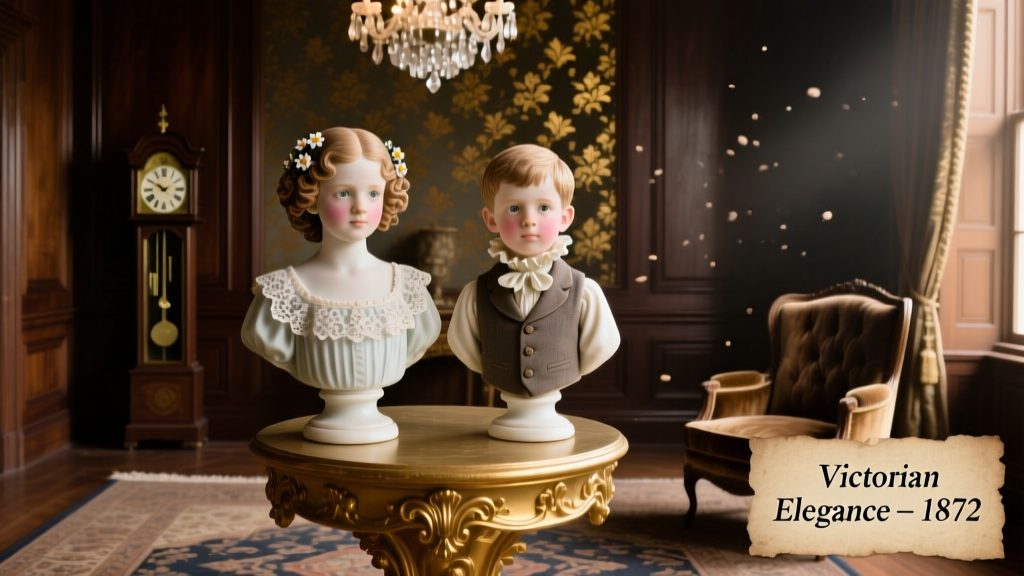
Bisque Bust Girl Boy Victorian Pair: Identification, Provenance, and Restoration Best Practices
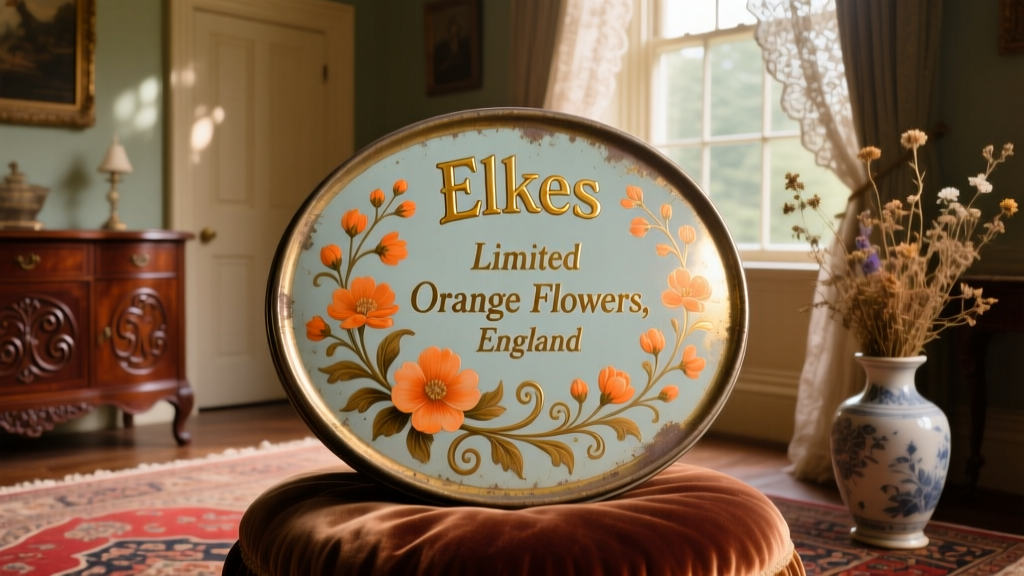
Elkes Limited Advertising Tin: Orange Flowers Oval Biscuit Tin (10 Inches, England, c. 1930–1950)
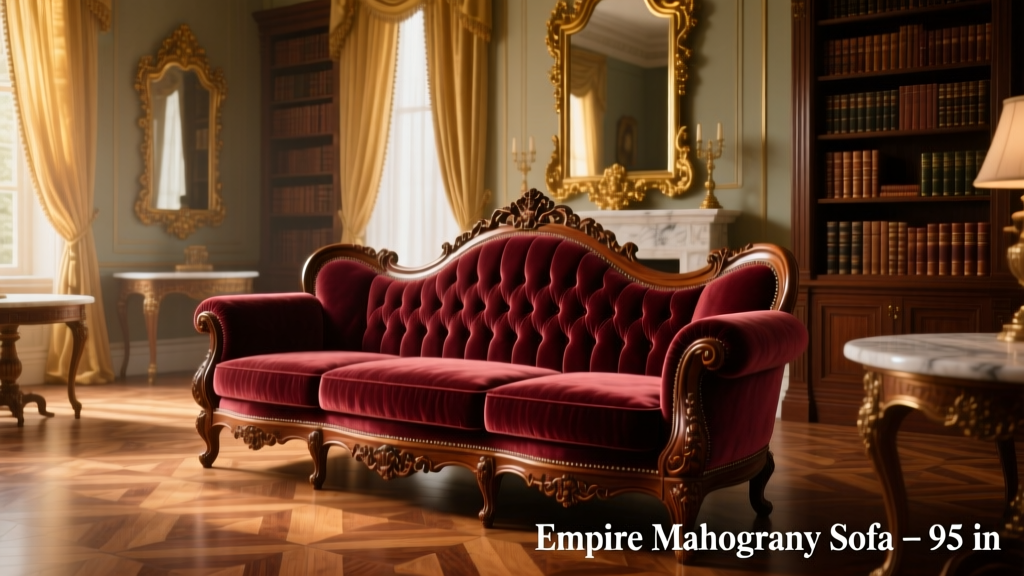
Empire-Style Mahogany Veneer Serpentine Sofa in Velvet: A Technical & Historical Analysis of the 95-Inch Grand Salon Sofa
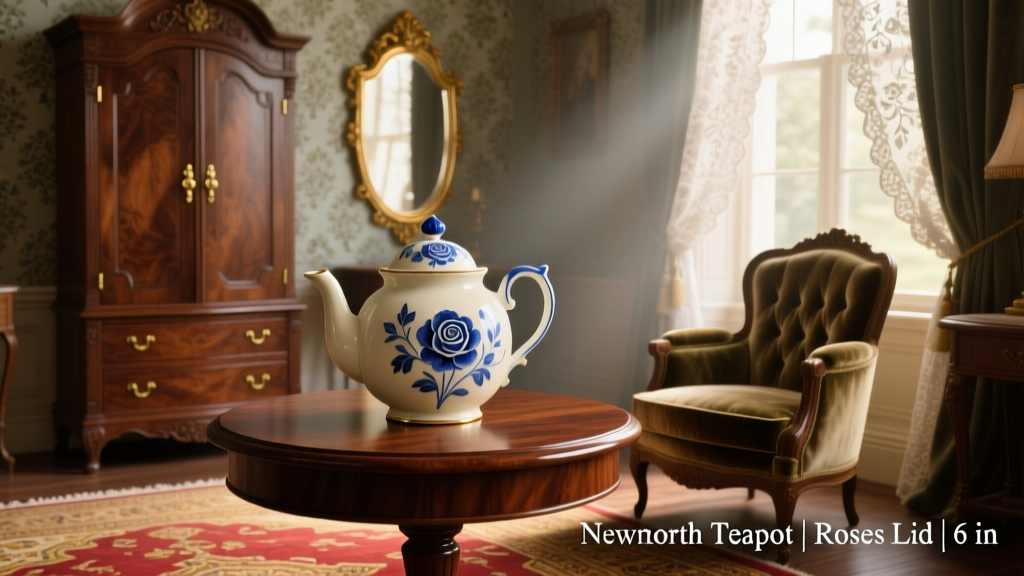
Newcomb Teapot Roses Lid (6-Inch Diameter): Identification, Provenance, and Conservation Guidelines for Collectors
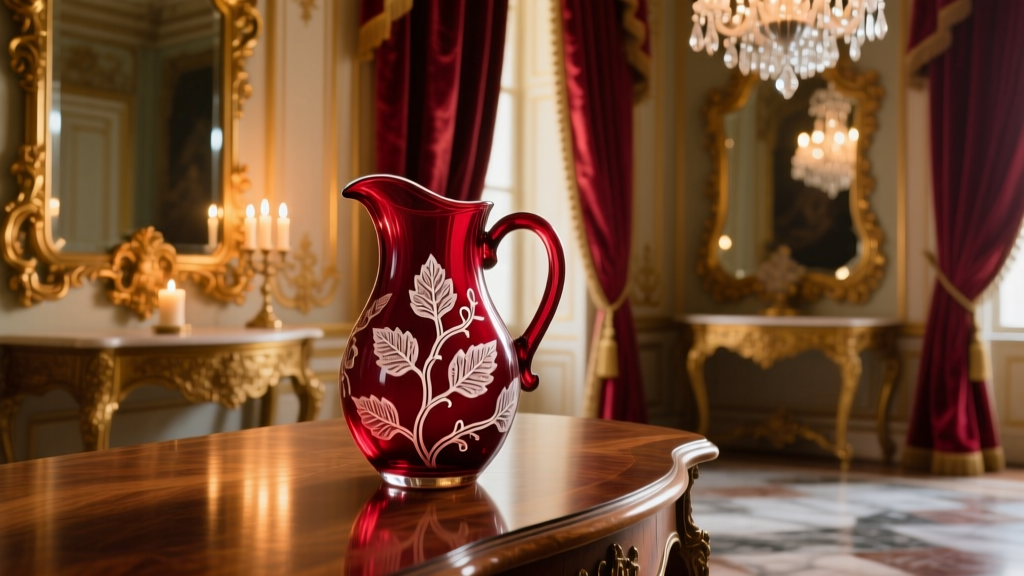
Cranberry Glass Pitcher with Leaf Mold: Identification, Provenance, and Restoration Ethics

Hollanbru Advertising Sign (2 ft × 4 ft): Historical Context, Material Analysis, and Restoration Protocol

The Batman Radio Clock AM/FM Neon: Design, Functionality, and Collectibility of a Pop-Culture Timepiece

Carnival Glass Rose Show Bowl: Ruffled Edge, Marigold Iridescent — A Collector’s Guide to Pattern, Provenance, and Preservation