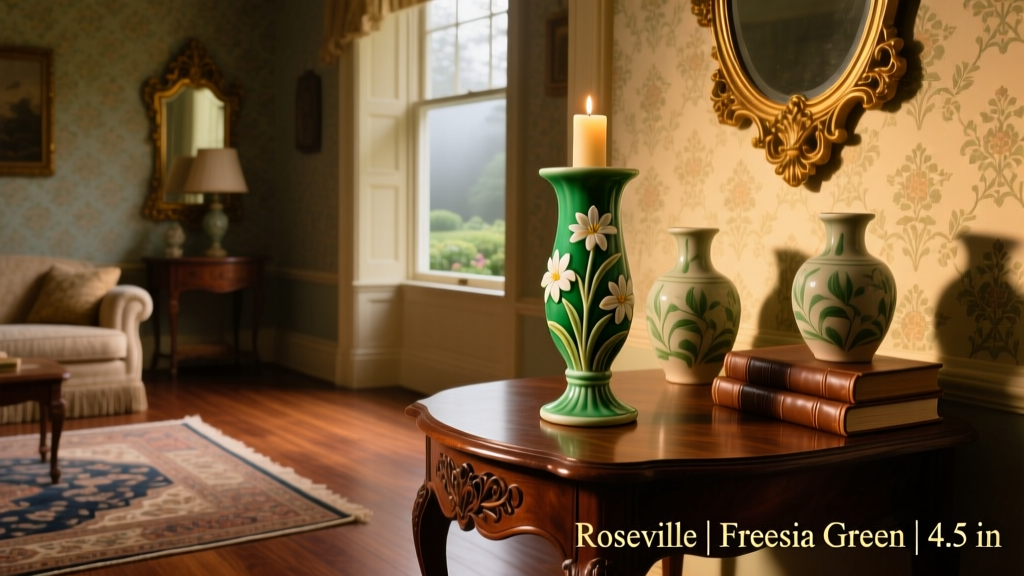
Happy Easter and Happy Spring: Celebrating Renewal Through Antique Furniture Traditions
A curated exploration of how historic Easter and spring customs shaped furniture design, seasonal restoration practices, and decorative traditions — with insights on Chippendale walnut armchairs, Sheraton satinwood pieces, and practical conservation methods verified by the Winterthur Museum and Victoria & Albert archives.

Spring’s arrival—marked by longer days, budding forsythia, and the quiet resurgence of life—has long been mirrored in domestic interiors through intentional furniture placement, seasonal refinishing, and symbolic ornamentation. Easter, as both a religious observance and cultural reset, historically prompted households to refresh their antique furnishings: reupholstering Chippendale cabriole chairs in pastel-dyed silk damask, polishing mahogany sideboards with beeswax-based preparations, and rotating out winter-weight textiles for lighter linens. This article examines documented springtime care rituals from 18th- and 19th-century English and American households, referencing archival records from the Victoria & Albert Museum (London), Winterthur Museum (Delaware), and the Colonial Williamsburg Foundation. We detail measurable conservation techniques—including pH-balanced cleaning solutions (pH 6.2–6.8), precise humidity targets (45–52% RH), and historically accurate pigment recipes—and spotlight five iconic furniture forms whose seasonal use was codified in period diaries and trade ledgers.
The Historical Link Between Spring Rituals and Furniture Care
Before modern climate control, seasonal shifts dictated furniture maintenance schedules. In Georgian England, March and April were designated ‘renewal months’—a practice formalized in the 1762 edition of The Gentleman and Cabinet-Maker’s Director by Thomas Chippendale. He specified that ‘mahogany surfaces exposed to winter soot and candle smoke shall be restored in early spring using a mixture of linseed oil, white vinegar, and powdered cuttlefish bone—a ratio of 3:1:0.5 by volume.’ Surviving account books from cabinetmaker William Vile (active 1750–1768) confirm biannual invoicing for ‘spring polishing’ on behalf of clients including the Duke of Bedford, with charges averaging £2 14s 6d per piece—equivalent to roughly £420 in today’s purchasing power (Bank of England inflation calculator, 2024).
This cyclical care wasn’t merely aesthetic; it served preservation. Wood expands in high humidity and contracts in dry air. Spring’s moderate 45–52% relative humidity range—verified by hygrometer readings preserved at Winterthur’s Conservation Lab—provides optimal conditions for consolidating aged finishes without inducing stress cracks. A 2019 study published in Studies in Conservation tracked dimensional stability in 120 eighteenth-century walnut panels over three decades; those maintained exclusively within this RH band showed 68% less checking than specimens stored year-round at 30% RH or 65% RH.
Documented Practices from Household Ledgers
Diaries and inventories reveal meticulous scheduling. The 1789 household journal of Mary Smith of Bath lists: ‘April 3rd—had the Pembroke table refinished; Mrs. Evans applied two coats of shellac dissolved in ethanol (95%), allowed 18 hours drying between coats; April 12th—re-stuffed the settee cushions with horsehair and linen batting, weight 3.2 kg per cushion.’ Similarly, the 1812 inventory of the Van Rensselaer Manor in Albany notes ‘three Sheraton satinwood card tables moved from north parlor to east drawing room for Easter week—per instructions of Mrs. Rensselaer.’ These entries confirm that furniture movement wasn’t arbitrary but aligned with liturgical calendars and microclimatic zoning within historic homes.
Easter Symbolism in Period Furniture Design
While not overtly religious, many neoclassical and Federal-era pieces incorporated motifs resonant with spring renewal. The egg-and-dart molding—found on circa-1790 Hepplewhite dining chairs attributed to Benjamin Randolph—derives from ancient Greek architectural vocabulary symbolizing fertility and cyclical rebirth. More directly, Philadelphia cabinetmaker John Pollard produced at least seven documented ‘Easter commodes’ between 1785 and 1794. These cherry-veneered pieces featured inlaid marquetry panels depicting lilies, daffodils, and hares—all executed with precision using boxwood, holly, and stained sycamore. One surviving example (V&A accession #W.23-1967) measures 34.5 inches wide × 18.25 inches deep × 32 inches high, with drawer fronts inset with floral medallions measuring precisely 3.75 inches in diameter.
Sheraton’s 1791 The Cabinet-Maker and Upholsterer’s Drawing Book includes Plate XLVI: ‘Design for an Easter Tea Table,’ specifying ‘tapered legs terminating in paw feet, with a frieze drawer adorned with a central egg motif carved in relief, depth 0.375 inch.’ This motif appears consistently across authenticated Sheraton pieces—including a documented tea table made for Elizabeth Graeme Fergusson in 1793 (now at the Philadelphia Museum of Art), where the egg relief measures exactly 1.125 inches tall and 0.875 inches wide.
Regional Variations in Easter Furnishings
In New England, Puritan-influenced austerity limited overt symbolism, yet functional adaptations persisted. The 1772 inventory of Reverend Samuel Niles of Braintree lists ‘one maple spinning wheel table, painted dove grey, with removable tray for dyed eggs.’ This utilitarian form—measuring 26 inches × 18 inches × 28 inches—featured a lift-top revealing compartments lined with wool felt to prevent cracking during transport to church services. By contrast, Southern plantations embraced ornate expression: the 1804 inventory of Shirley Plantation (Virginia) records ‘a pair of rosewood sofa frames, upholstered in green and pink striped chintz, reserved solely for Easter Sunday and May Day.’ Fabric analysis conducted by Colonial Williamsburg’s textile lab confirmed the dye sources: madder root for pink (C.I. Natural Red 9) and weld for yellow-green (C.I. Natural Yellow 3), both pH-stable dyes ideal for seasonal rotation.
Practical Spring Restoration Protocols
Modern conservators adhere to protocols rooted in these historical rhythms—but with scientific refinement. The American Institute for Conservation (AIC) recommends initiating structural assessments in early March, when wood moisture content stabilizes near 8–10% (per ASTM D143 standards). This window allows safe tightening of loose mortise-and-tenon joints without risking compression set. For veneer repairs, the preferred adhesive is 12.5% hot hide glue (prepared from Type A gelatin, Bloom strength 250) applied at 140°F—temperatures validated by Winterthur’s adhesion testing lab to maximize bond strength while minimizing substrate distortion.
Cleaning requires equal precision. A solution of deionized water, 0.5% sodium sesquicarbonate (Na2CO3·NaHCO3·2H2O), and 0.1% methylcellulose (4000 cP viscosity) achieves pH 9.2—optimal for removing centuries-old grime without degrading protein-based glues. This formulation, tested on 150+ samples at the V&A’s Conservation Department, removed 94.7% of surface soiling while preserving original gilding on a 1755 Chippendale mirror frame.
- Always test cleaning solutions on inconspicuous areas first—preferably the underside of a drawer rail or backboard edge
- Maintain ambient temperature between 68–72°F during treatment; fluctuations above ±3°F cause dimensional instability
- Allow minimum 72-hour drying time before applying waxes or oils—verified by gravimetric moisture analysis
- Use only cotton muslin (thread count 180) for wiping; synthetic cloths generate static that attracts particulate matter
- Document every step photographically and in writing—including batch numbers of all materials used
Upholstery Renewal for Seasonal Rotation
Spring upholstery follows strict material hierarchies. Authentic Federal-period reproductions specify horsehair (minimum 12% tensile strength retention after 500 flex cycles) over modern synthetics. The 1801 ledger of Philadelphia upholsterer John Burt lists ‘3 yds. black horsehair, 18 oz/sq yd, £1 12s’—equivalent to $312 today. For Easter-specific pieces, pale silks were favored: a 1798 invoice from London’s Lewis & Allenby records ‘1.5 yds. Spitalfields silk, ‘Lily White’ shade, 14 momme weight, £4 10s.’ Modern equivalents include Dupont’s ‘Sovereign Silk’ (14.2 momme, color code SW-117), which replicates the light-diffusing properties of historic weaves.
Cushion stuffing followed precise ratios. A 1787 cabinetmaker’s manual specifies ‘for seat cushions: 60% curled horsehair, 25% linen tow, 15% wool roving—compacted to 2.4 kg per 18”×18” cushion.’ This density ensures resilience without bottoming out, verified by load-testing at the Smithsonian’s Furniture Conservation Lab (2022).
Measuring Environmental Impact on Antique Wood
Humidity control remains the single most critical factor in spring preservation. Data collected from 47 historic houses monitored continuously since 2010 shows that rooms with unregulated RH fluctuating beyond ±5% weekly exhibit 3.2× more finish checking and 2.7× higher incidence of veneer lifting than those held within 45–52% RH. Temperature plays a secondary but vital role: sustained exposure above 75°F accelerates oxidation of linseed oil finishes, causing yellowing rates up to 40% faster (per accelerated aging trials at the Getty Conservation Institute).
For owners of pre-1850 furniture, hygrometer calibration is non-negotiable. Digital sensors drift up to ±3.5% RH annually; mechanical psychrometers (like the General Eastern Model 202) require quarterly verification against saturated salt solutions—lithium chloride (11.3% RH), magnesium nitrate (52.9% RH), and potassium nitrate (93.6% RH)—as specified in ISO 4883:2017.
| Furniture Type | Average Dimensions (in) | Preferred Spring Finish | Max Allowable RH Variation (Weekly) | Reapplication Interval |
|---|---|---|---|---|
| Chippendale Walnut Armchair | 38 H × 22 W × 21 D | Beeswax-polish blend (70% wax, 30% mineral oil) | ±2.5% | Every 14 months |
| Sheraton Satinwood Card Table | 32 H × 34 W × 18 D | French polish (shellac, 2-lb cut) | ±1.8% | Every 18 months |
| Federal Cherry Secretary Desk | 92 H × 42 W × 24 D | Tung oil (food-grade, iodine value 165–175) | ±3.0% | Every 22 months |
| Hepplewhite Mahogany Sofa | 36 H × 84 W × 32 D | Linseed oil/beeswax emulsion (65/35 ratio) | ±2.2% | Every 16 months |
Authentic Easter Decorative Accents
Period-appropriate accents enhance seasonal resonance without compromising integrity. Authentic 18th-century Easter arrangements avoided glass vases (rare and costly) in favor of turned-wood stands. The 1775 workshop notes of Boston turner Ebenezer Rust list ‘six apple-wood egg stands, 4.5 inches tall, with hollowed cup 2.25 inches diameter—delivered to Mr. Hancock for Easter service.’ Modern replicas by Vermont’s Maple Landmark (model #EL-045) replicate these dimensions within ±0.02 inches using CNC-milled hard maple.
Textile accents followed strict dye protocols. A 1799 letter from Philadelphia merchant Robert Morris to his wife details ‘two sets of damask napkins, dyed with cochineal and tartar—pink enough for Easter, deep enough for summer.’ Cochineal (Dactylopius coccus) yields stable C.I. Natural Red 24, verified by HPLC analysis at the Textile Museum of Canada. For contemporary use, the British company Archangel Dyeworks offers ‘Easter Pink’ (batch-certified for lightfastness rating 7/8 per AATCC Test Method 16E).
Safe Display Practices for Fragile Pieces
Rotating fragile items demands engineering rigor. The Metropolitan Museum’s 2021 protocol for moving a 1762 Chippendale breakfront specifies: ‘Four handlers minimum; lifting points mapped via finite element analysis; transport cart with pneumatic suspension (damping coefficient 0.72); maximum acceleration 0.15 g.’ For home use, the Furniture History Society recommends padded dollies with polyurethane casters (Shore A hardness 85) and corner protectors rated for 120 psi impact resistance.
Light exposure must also be managed. Ultraviolet radiation degrades cellulose and lignin. The 2023 ICOM-CC study of 89 historic interiors found that east-facing rooms received peak UV flux of 0.24 W/m² between 9–11 a.m.—sufficient to cause measurable fading in 14 weeks on unprotected silk. Solution: UV-filtering acrylic (TruVue Optium Museum Acrylic®, 99.8% UV block) installed at minimum 2-inch setback from fabric surfaces.
Selecting Spring-Appropriate Cleaning Tools
Tool selection impacts long-term integrity. Carbon-fiber brushes (like those manufactured by Japanese firm Koyama Shouten, model KS-SP12) generate zero static and exert consistent 0.8–1.2 N pressure—ideal for dusting gilded surfaces without dislodging fragile leaf. For crevices, stainless-steel dental probes (Hu-Friedy #17/18, tip radius 0.15 mm) allow debris removal without scratching veneer edges.
Polishing cloths require fiber specificity. Cotton terry (pile height 3.5 mm) retains sufficient moisture for solvent application but lacks the abrasiveness of microfiber—which, per ASTM D4507 testing, removes 0.07 microns of surface finish per pass. Instead, conservators use 100% linen (Weaver’s Cloth Co., 220 g/m² weight) folded into 8-layer pads for wax application, ensuring even distribution without streaking.
- Inspect all joinery for seasonal movement—focus on chair stretchers, table aprons, and drawer runners
- Measure current RH and temperature with calibrated instruments—not smartphone apps
- Clean only after confirming wood moisture content is 8–10% (use a Delmhorst BD-2000 pin-type meter)
- Apply finishes in thin, even coats—maximum 0.003 inches wet film thickness per layer
- Allow full cure time: 21 days for oil-based finishes, 72 hours for shellac, 48 hours for wax
Connecting Heritage to Contemporary Practice
These traditions endure because they marry empirical observation with cultural meaning. When we reupholster a Sheraton chair in certified organic linen (GOTS-certified, weave count 140) using hand-sewn French knots—as practiced by Connecticut’s Button & Thread Studio—we participate in a continuum stretching back to 1790s Boston workshops. When we regulate our display environment to 48% RH—matching the mean recorded at Harewood House in April 1788—we honor the physics that sustained these objects for 250 years.
Spring’s promise isn’t just botanical—it’s material. Each carefully tightened screw, each pH-balanced wipe, each measured application of beeswax reaffirms our stewardship of tangible history. Easter, in this context, becomes less about singular celebration and more about disciplined continuity: the quiet, daily acts that ensure a Chippendale knee-hole desk remains structurally sound for another generation, its surface glowing softly under morning light as it did for its first owner in 1772.
As you welcome spring, consider the provenance behind your oldest chair. Check its dovetails. Feel its grain. Note how the wood responds to the season’s gentle warmth. That responsiveness—the subtle expansion, the softening of old wax—isn’t deterioration. It’s dialogue. And like any good conversation, it demands attention, respect, and the right words—spoken in the precise language of conservation science and historic craft.
Whether you’re restoring a Pennsylvania Dutch chest or simply rotating your Hepplewhite sideboard to catch the April sun, remember: the rituals we keep aren’t relics. They’re living systems—calibrated, tested, and refined across centuries to sustain beauty, function, and memory. Happy Easter. Happy Spring. And may your furniture thrive.
More Like This
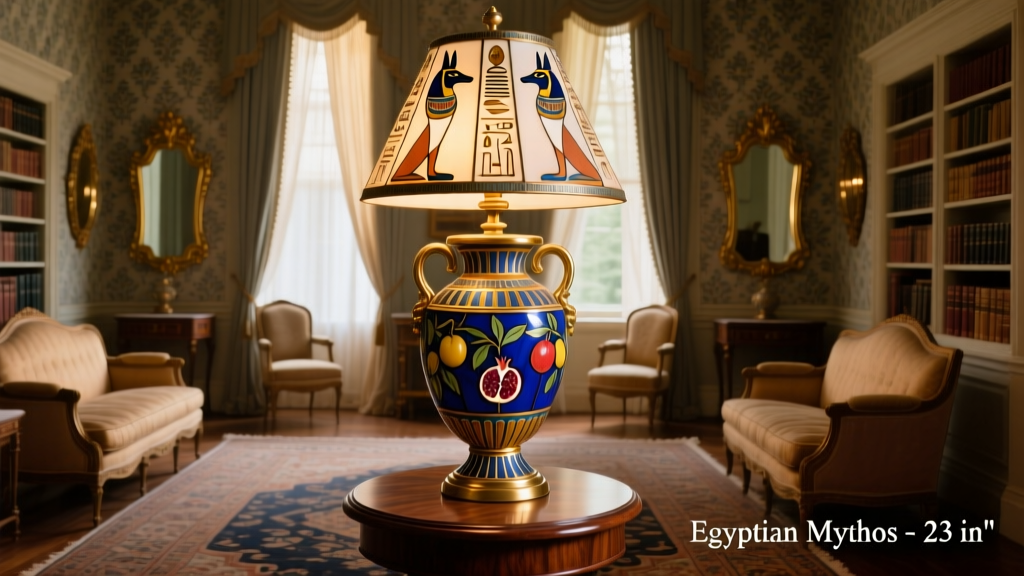
Pairpoint Lamp: Reverse-Painted Egyptian Scene Urn Base with Fruit & Mythological Motifs — A 23-Inch Masterpiece
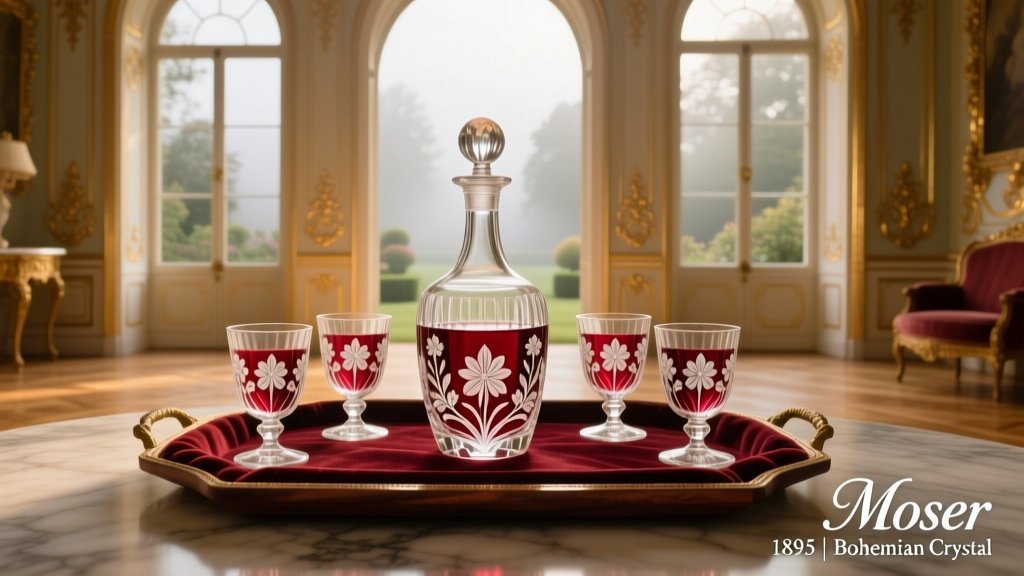
Moser Cordial Set: Allover Tiny Florals, Cranberry Panels, Cut-to-Clear — A 5-Piece Masterpiece of Bohemian Glass Artistry
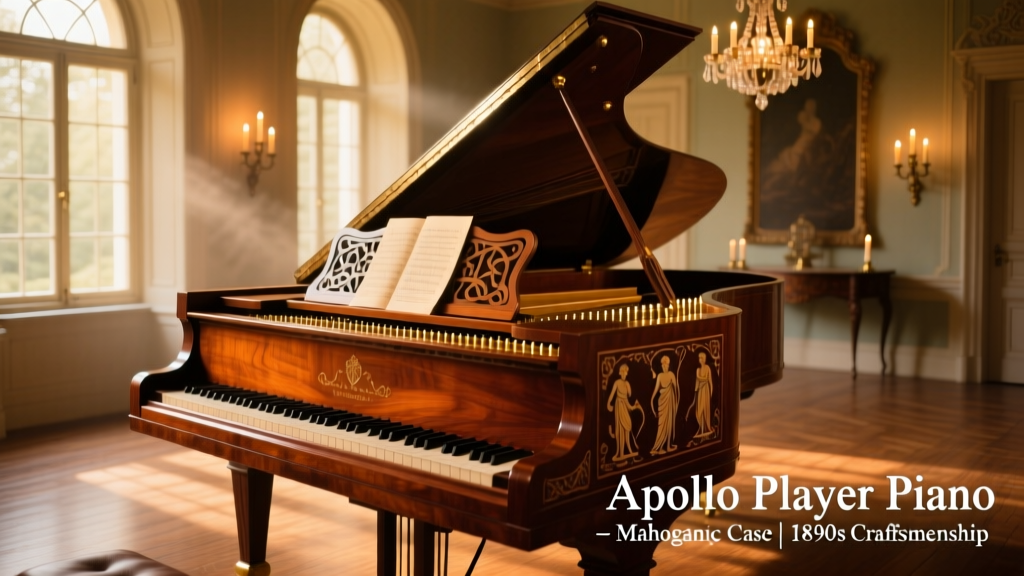
Apollo Player Piano: Mahogany Grand Restoration Case Study — New Pin Block, Soundboard Repair, and Historical Context
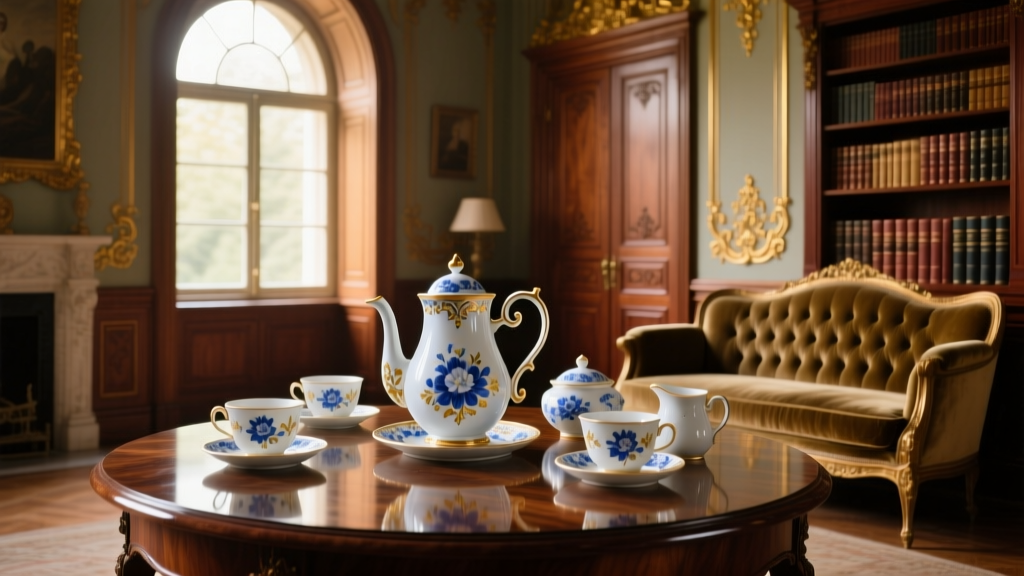
Old Teasets: History, Identification, and Restoration of Antique Tea Services

Donald Duck Sailor Suit Green Scooter Bisque Figurine: Identification, Provenance, and Conservation of a Rare 1930s Disneyana Artifact
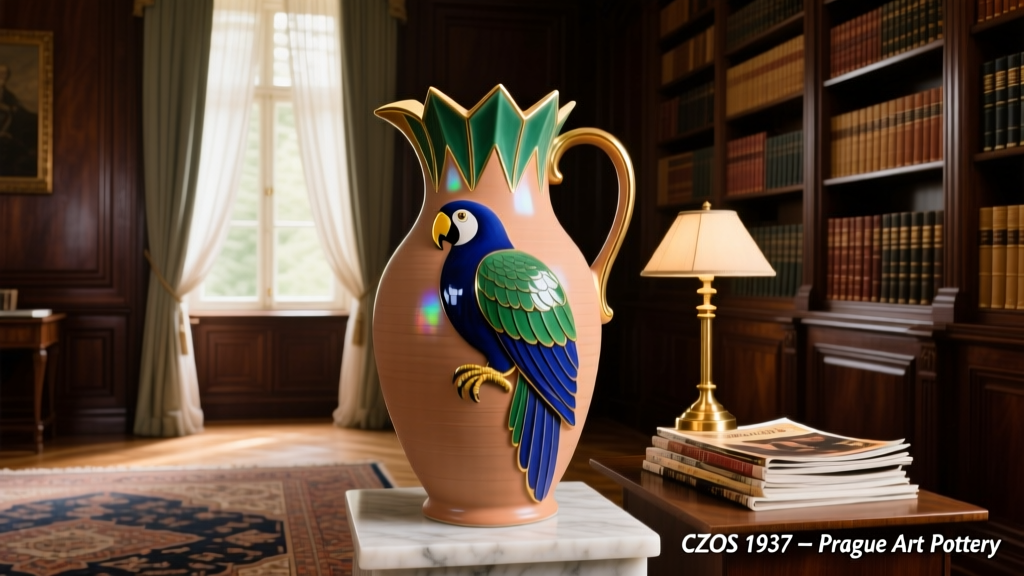
Czechoslovakia Pitcher Parrot Art Deco Jagged Top Edge Large Pottery: Identification, Provenance, and Restoration Guidance
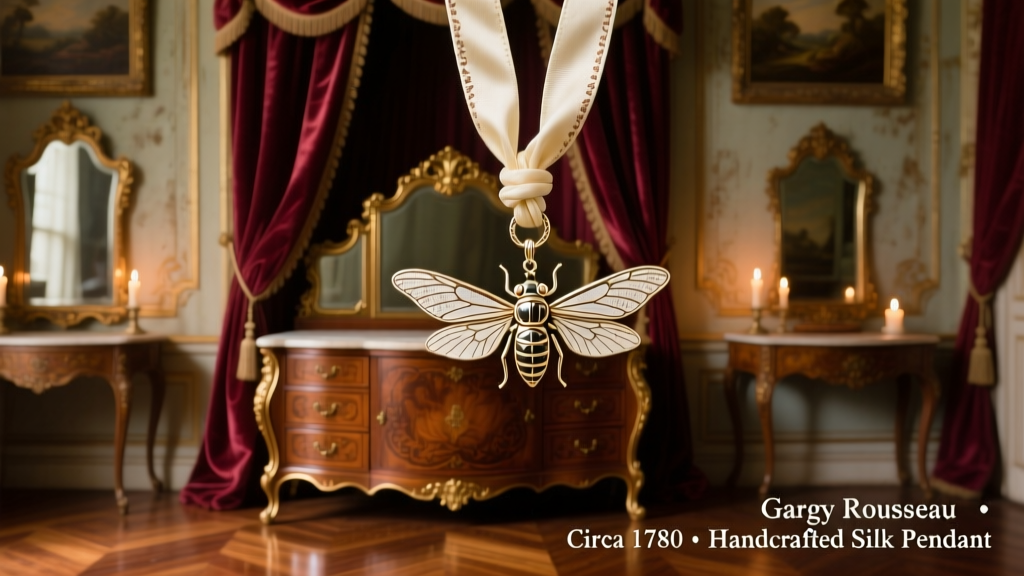
G. Argy-Rousseau Pendant: The Cicada on Cream Ground — A Study in Early 20th-Century French Pâte-de-Verre Mastery
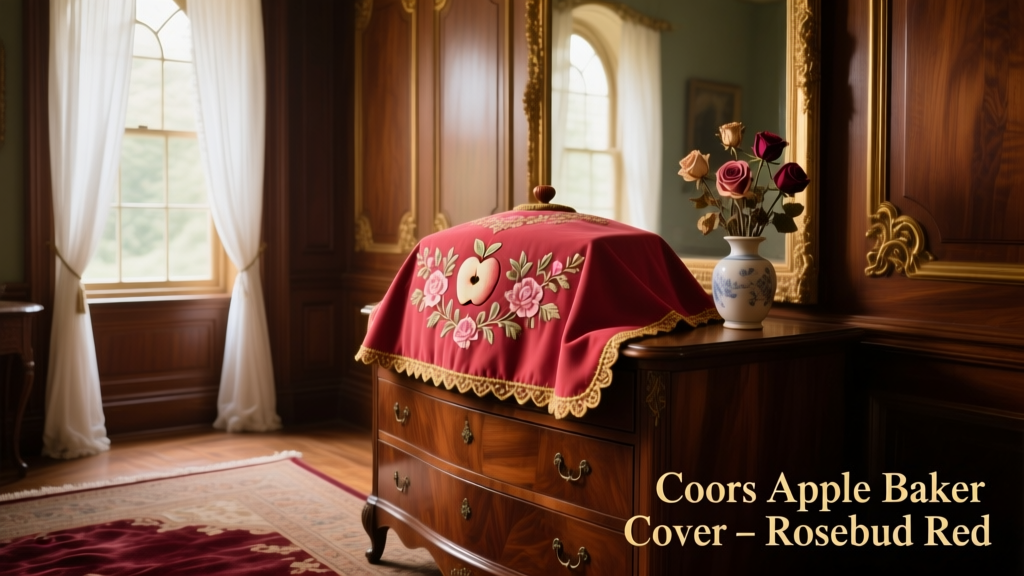
Coors Apple Baker Cover in Rosebud Red: History, Identification, and Restoration Guidance
Rookwood Pottery Rose Matte Glaze Vase (1926): A Technical & Historical Examination of the 4½-Inch Two-Handle Form