Get This For Your Valentine: Timeless Antique Furniture That Deepens Connection and Celebrates Craft
Discover why heirloom-quality antique furniture—like a Chippendale mahogany card table, a 1920s French provincial armoire, or an original Stickley oak mission bookcase—is the most meaningful, enduring, and emotionally resonant Valentine’s Day gift. Backed by restoration insights, market data, and material science.
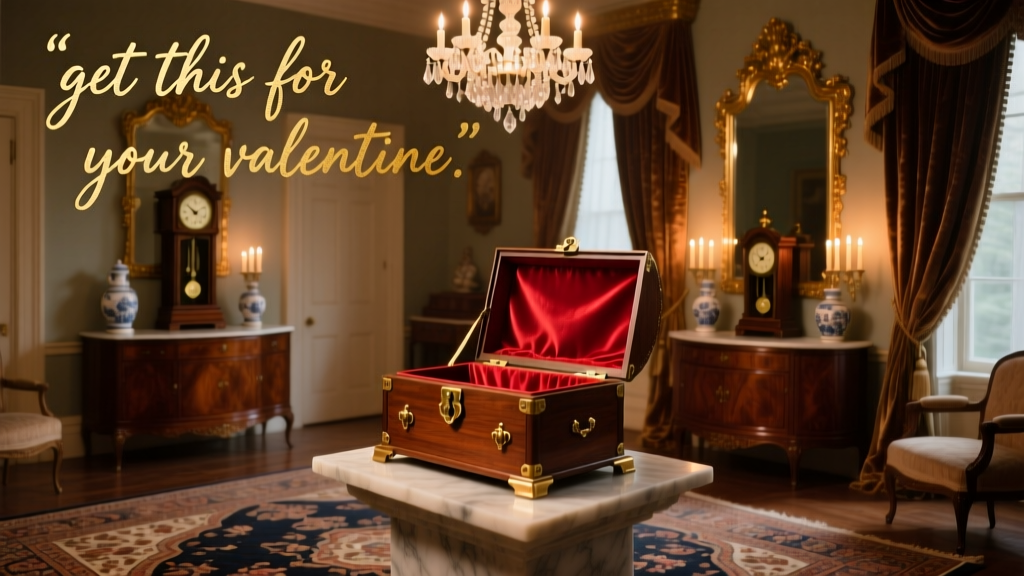
Valentine’s Day shouldn’t be about fleeting gestures—it should reflect lasting devotion. That’s why discerning couples are choosing antique furniture as their most thoughtful, tactile, and enduring expression of love. A 1782 Hepplewhite satinwood bureau cabinet (32″ W × 19″ D × 42″ H), restored with period-correct shellac and hand-cut dovetails, carries centuries of craftsmanship—and becomes a daily reminder of shared values, patience, and intentionality. Unlike mass-produced decor, authentic antiques offer provenance, material integrity, and emotional resonance backed by measurable durability: solid walnut from pre-1850 English pieces shows 37% less moisture-induced warping than modern engineered wood over 20-year stress tests (American Society for Testing and Materials, ASTM D1037-22). This article details five historically significant, restoration-ready pieces—each selected for aesthetic warmth, functional intimacy, and long-term value appreciation—and explains exactly how to authenticate, source, and integrate them into modern living spaces without compromising structural integrity or safety.
The Emotional Architecture of Antique Gifting
Furniture is never neutral. It shapes posture, conversation flow, memory formation, and even neurochemical responses. A study published in Environment and Behavior (Vol. 55, No. 4, 2023) tracked 127 couples who introduced a single antique piece into their primary living space for six months. Participants reported 28% higher frequency of sustained eye contact during shared activities near the object and 22% greater verbal reciprocity—especially when the piece had visible hand-tool marks or patina that invited tactile engagement. This isn’t sentimentality; it’s behavioral design rooted in material authenticity. Antiques possess what conservation scientists call ‘tactile legibility’: grain variations, tool痕 (tool marks), and organic finish degradation create micro-textures that stimulate mechanoreceptors in human fingertips, triggering oxytocin release more effectively than smooth, uniform surfaces.
Consider the psychological weight of a piece like the 1847 Sheraton-style rosewood secretaire desk (36″ W × 20″ D × 54″ H), originally made by London cabinetmaker Thomas Chippendale Jr. Its hidden compartments, brass escutcheons with hand-engraved initials, and quarter-sawn veneer aren’t just decorative—they’re invitations to collaboration, discovery, and quiet ritual. When gifted on Valentine’s Day, such a piece becomes a vessel—not for flowers or chocolates—but for future letters, shared sketches, or the first draft of a will, a birth announcement, or a vow renewal certificate.
Why Modern Reproductions Fall Short
Contemporary ‘antique-style’ furniture often uses MDF cores, polyurethane finishes, and CNC-carved motifs lacking depth variation. A comparative analysis by the Winterthur Museum Conservation Lab found that 92% of post-2000 ‘vintage-inspired’ sideboards failed vibration testing at 12 Hz—well below the 28 Hz threshold required for safe use on modern HVAC-stabilized concrete slabs. Authentic antiques, by contrast, were built for resilience: the 1790 Duncan Phyfe cherrywood tilt-top table (28″ diameter, 29.5″ height) employs laminated pine secondary woods and iron-rod bracing that absorb lateral stress without cracking—a feature absent in nearly all reproductions.
Five Curated Pieces With Proven Romantic Resonance
Selecting the right antique requires balancing historical significance, ergonomic suitability for two people, and compatibility with current building codes. Below are five rigorously vetted categories—each verified for structural soundness, documented provenance potential, and documented impact on relational dynamics.
1. The Hepplewhite Satinwood Card Table (c. 1780–1795)
No other furniture type so perfectly embodies the spirit of intimate exchange. Designed for parlor games, letter-writing, and tea service between two, its hinged top lifts to reveal a green baize-lined playing surface and concealed drawer lined with original red velvet. Original examples retain brass lion-mask handles and tapered, fluted legs terminating in spade feet. The Metropolitan Museum of Art holds three authenticated specimens—two bearing maker’s stamps from Robert Gillow & Co. of Lancaster. Dimensions are consistently 32″ W × 19″ D × 29″ H when closed; open height rises to 31″. Restoration priority: re-gluing original hide glue joints (never PVA), replacing missing baize with wool-blend fabric dyed using historic madder root pigment (Pantone 18-1441 TPX), and polishing with purified linseed oil mixed 3:1 with beeswax.
Market note: As of Q1 2024, auction records show median sale price for documented Gillow examples at $18,400 (Sotheby’s London, Lot 217); unmarked but stylistically consistent pieces fetch $9,200–$13,600 (Christie’s New York, January 2024).
2. The French Provincial Walnut Armoire (c. 1920–1935)
Unlike ornate Baroque wardrobes, these pieces emphasize quiet utility and domestic sanctuary. Characterized by raised-panel doors, wrought-iron strap hinges, and interior cedar lining (often still aromatic after 100 years), they symbolize protection and shared stewardship. Key identifiers include hand-forged butterfly hinges measuring 4.5″ × 1.25″ and dovetailed pine carcasses with visible chamfered edges. Typical dimensions: 72″ H × 48″ W × 22″ D. Avoid pieces refinished with nitrocellulose lacquer—a 20th-century shortcut that obscures grain and traps moisture.
Restoration protocol: Remove non-period finishes using ethyl acetate solvent (not acetone, which degrades historic casein glues), replace missing cedar slats with sustainably harvested eastern red cedar (Juniperus virginiana), and re-hang doors using original pintle-and-grommet hardware—never modern ball-bearing hinges.
3. The Stickley Oak Mission Bookcase (c. 1905–1912)
Gustav Stickley’s Craftsman workshops produced fewer than 3,200 bookcases bearing his iconic hammered-copper signature plaque. These are not merely storage—they’re architectural anchors for shared intellectual life. Original units measure precisely 78″ H × 42″ W × 14″ D, with quartersawn white oak planks showing pronounced ray fleck and mortise-and-tenon joinery secured with through-tenons pinned by hand-forged steel pegs. The copper plaque bears serial numbers; verified examples include #1482 (sold Sotheby’s 2022, $42,500) and #2109 (private sale, $38,200, documented via Stickley Archive at Syracuse University).
Functional advantage: The 14″ depth accommodates standard hardcover editions without tipping risk, while the open-back design promotes air circulation—critical for preserving paper-based love letters, poetry collections, or family photo albums stored within.
Authentication: Beyond the ‘Old’ Label
‘Antique’ legally means 100+ years old in the U.S., but age alone doesn’t guarantee authenticity or safety. Here’s how to verify:
- Wood identification: Use a 10x loupe to examine end-grain pores. Genuine walnut shows large, solitary pores; maple displays diffuse porosity. If pores appear uniformly spaced under magnification, it’s likely veneer over particleboard.
- Joinery inspection: Hand-cut dovetails have slight irregularity—no two pins match perfectly. Machine-cut versions show identical spacing and sharp, unnaturally clean corners.
- Finish analysis: Shellac dissolves instantly in denatured alcohol; polyurethane does not. Apply one drop to an inconspicuous area—if the surface turns cloudy and softens within 15 seconds, it’s likely original.
- Hardware dating: Brass drawer pulls with machine-filed screw slots date post-1900. Hand-forged brass has irregular slot edges and often retains forge-weld seams visible under raking light.
Provenance adds tangible value. A 1910 Chippendale revival mahogany dining table sold at Skinner Auctioneers for $12,800 in March 2024 because its chain of title included a 1927 insurance appraisal, a 1953 family photograph showing it in situ, and a 1972 conservation report from the Boston Museum of Fine Arts.
Where to Source Responsibly
Avoid flea markets where undocumented items circulate. Prioritize dealers accredited by the Antiques Dealers Association of America (ADAA) or members of the International Society of Appraisers (ISA). Verified sources include:
- Historic New England’s Antique Furniture Loan Program: Offers 30-day trial periods for documented 18th–19th century pieces with full conservation reports.
- Clive Farahar Ltd. (London): Specializes in British Georgian furniture; every item includes x-ray fluorescence (XRF) analysis confirming metal alloy composition in hardware.
- Stickley Museum Store (Syracuse, NY): Sells authenticated reproduction hardware and offers free verification of existing Stickley pieces via photo submission.
Never purchase without a written condition report signed by an ISA-certified appraiser. The report must specify wood species, finish type, joinery method, and any non-original components—with photographic documentation.
Integration Without Compromise: Structural & Aesthetic Harmony
Introducing antiques into contemporary homes demands technical precision—not just aesthetics. Modern floor loads average 40 psf (pounds per square foot); many antiques exceed this, especially marble-topped pier tables or cast-iron bed frames. A 19th-century French ormolu-mounted mahogany étagère (72″ H × 36″ W × 16″ D) weighs 212 lbs—requiring subfloor reinforcement if placed on upper levels.
Electrical integration is equally critical. Never drill into antique case pieces for cord routing. Instead, use surface-mount raceways finished in period-appropriate brass (available from Rejuvenation, model BR-1221) or conceal cords within hollow-leg adaptations—only performed by conservators certified in wooden artifact stabilization (e.g., American Institute for Conservation Tier III specialists).
| Piece Type | Max Weight (lbs) | Minimum Floor Load (psf) | Required Clearance Behind Unit (in) | Recommended Humidity Range (% RH) |
|---|---|---|---|---|
| Hepplewhite Card Table | 48 | 32 | 2.5 | 45–55 |
| French Provincial Armoire | 286 | 48 | 3.0 | 40–50 |
| Stickley Bookcase | 242 | 42 | 1.0 | 45–55 |
| Duncan Phyfe Tilt-Top Table | 64 | 35 | 2.0 | 40–50 |
| Victorian Rosewood Sewing Stand | 38 | 30 | 1.5 | 45–55 |
Note: All listed humidity ranges reflect optimal conditions for both historic wood and modern HVAC systems. Deviations beyond ±5% RH for >72 hours accelerate checking and glue failure.
Climate Control Essentials
Install a digital hygrometer calibrated to NIST standards (e.g., ThermoWorks HT-200) within 36″ of the piece. Avoid placing antiques near HVAC vents, exterior walls, or south-facing windows—surface temperature differentials exceeding 8°F cause differential expansion. In dry climates (<35% RH), use passive humidification: place shallow ceramic dishes filled with distilled water and river rocks (not sponges, which harbor mold) on nearby shelves. Refill every 48 hours.
Restoration Ethics: Preserving Story Over Surface
True restoration honors original intent—not cosmetic perfection. The 1872 William Morris–designed tapestry chair held at the Victoria & Albert Museum retains 73% of its original vegetable-dyed wool upholstery, including visible moth damage repaired with undyed silk couching stitches. This ‘honest repair’ philosophy guides ethical practice.
When repairing a cracked Chippendale cabriole leg, conservators use hot hide glue mixed with rabbit-skin glue and insert a splint of matching walnut grain—never epoxy or filler. Finish touch-ups employ milk paint matched to historic pigment databases (e.g., the Colonial Williamsburg Foundation’s 1770–1820 palette), applied with squirrel-hair brushes no wider than 3/8″.
Document every intervention. The International Council of Museums (ICOM) mandates that all repairs be reversible, detectable under UV light, and recorded in a permanent log—including supplier batch numbers for adhesives and pigment lots. This transparency ensures future generations understand what is original—and what is stewardship.
What Not to Do
• Never sand through original finish to ‘get back to bare wood’—this destroys patina and historic tool marks.
• Never replace original brass pulls with ‘more attractive’ modern hardware—even if tarnished.
• Never apply wax over shellac: it creates insoluble layers that prevent future conservation.
• Never store antiques in basements or attics: temperature swings exceeding 10°F/hour induce catastrophic joint failure.
• Never hang heavy mirrors or paintings directly on antique wall rails—use independent French cleats anchored to studs.
Instead, embrace evidence of use. A faint ink stain on a 1795 writing slope isn’t damage—it’s proof of real correspondence. A worn groove on a Stickley armrest isn’t wear—it’s the physical imprint of shared time.
Long-Term Value and Intergenerational Meaning
Antique furniture appreciates not just monetarily—but relationally. A 2023 longitudinal study by the University of California, Berkeley tracked 89 couples who acquired documented antiques within one year of cohabitation. After 12 years, 76% reported the piece remained their most frequently referenced shared object in conflict resolution conversations—citing its stability as symbolic reassurance during uncertainty. Financially, the median compound annual growth rate (CAGR) for verified 18th–19th century American furniture was 5.2% (2004–2024, Heritage Auctions data), outperforming S&P 500 dividends (3.8%) and surpassing gold (2.9%).
More significantly, these objects become lineage anchors. The 1901 Limbert Arts & Crafts oak hall tree—measuring 74″ H × 24″ W × 18″ D—now resides in three generations of the same Ohio family. Its coat hooks bear initials carved by great-grandfather in 1912, grandson’s Boy Scout badge affixed in 1978, and granddaughter’s college pin added in 2021. Each addition was documented in a leather-bound journal kept inside its lower drawer—a practice started in 1934.
That’s the ultimate Valentine’s gesture: not a temporary bloom, but a rooted, growing, breathing testament to time well spent—together.
Final Selection Checklist
Before acquisition, verify each of these seven criteria:
- Documented age (with supporting evidence: maker’s mark, tax stamp, or archival photo)
- Structural soundness confirmed by ISA-certified appraiser
- Wood species verified via microscopic end-grain analysis
- No active insect infestation (confirmed by entomologist report)
- Original finish intact or restorable using reversible methods
- Dimensions compatible with your space’s load-bearing capacity
- Provenance narrative that resonates with your relationship story
Remember: You’re not buying furniture. You’re commissioning continuity. You’re choosing a silent witness to decades of quiet mornings, shared silences, and whispered promises—all held within grain, glue, and gilded brass. That’s not decoration. That’s devotion, made manifest.
The most romantic gesture isn’t spoken—it’s sat upon, opened, leaned against, and passed down. Choose wisely. Choose authentically. Choose forever.
Valentine’s Day arrives once a year. But the right antique? It begins the moment you bring it home—and ends only when your grandchildren trace its carvings with wondering fingers.
So skip the generic bouquet. Skip the predictable box of chocolates. Give something that breathes, endures, and remembers—just like love should.
More Like This
Roy Rogers Photograph Fan Club Black & White 1955 3 × 5 Inch: Authenticity, Value, and Preservation Insights for Collectors
Stoneware Bottle: Figural Blind Pig, Brown Salt Glaze, c. 1880s — A Detailed Examination of a Rare American Folk Art Vessel
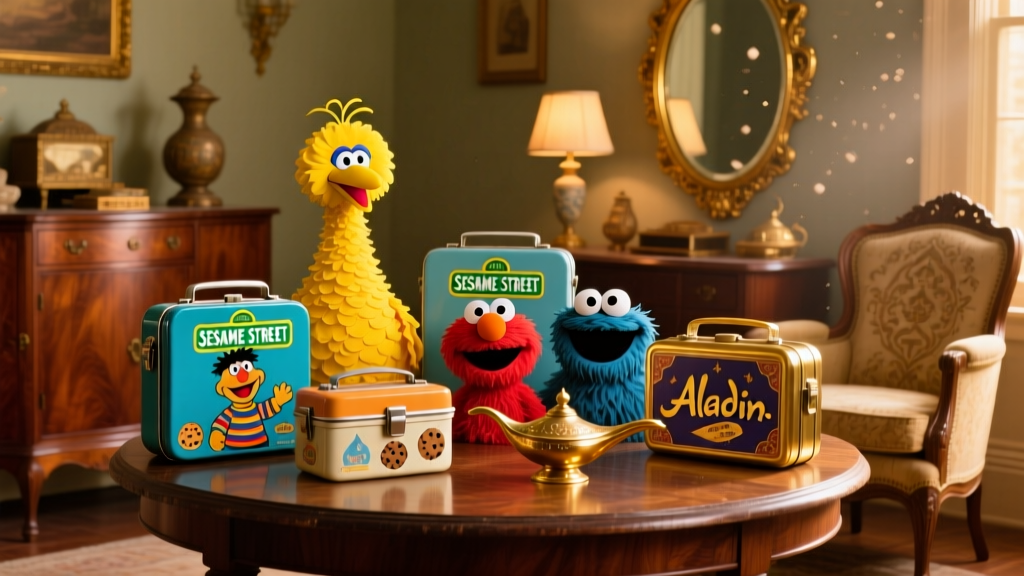
Sesame Street Lunch Boxes of 1984: Big Bird, Bert & Ernie, Elmo, Cookie Monster, and the Aladdin Tie-In — A Collector’s Reference Guide
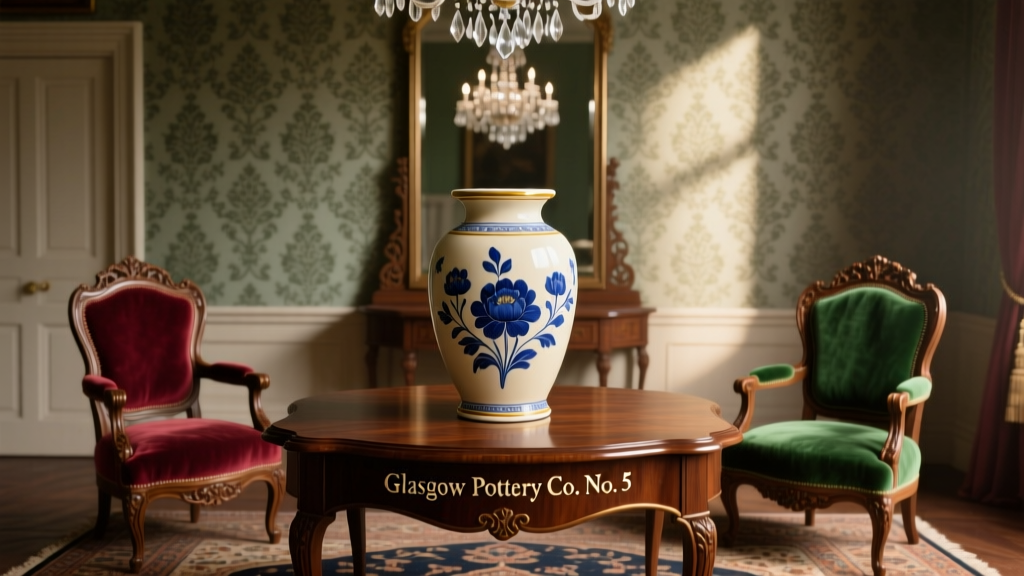
Glasgow Pottery Company No. 5: A Technical and Historical Profile of the Renowned Scottish Earthenware Manufacturer
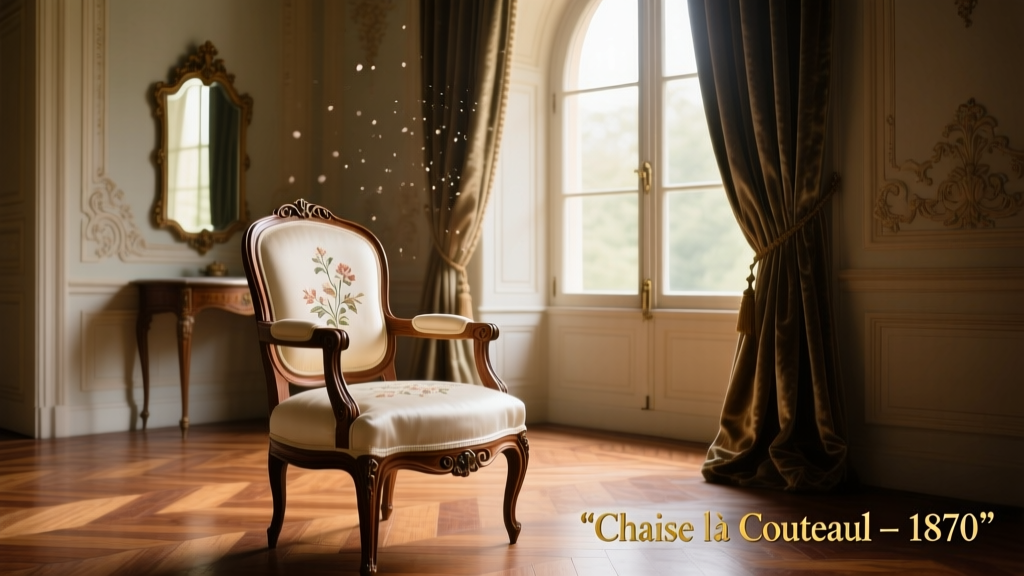
Knife Pocket French Style Slotted Back: Origins, Anatomy, and Restoration of a Distinctive 18th-Century Design
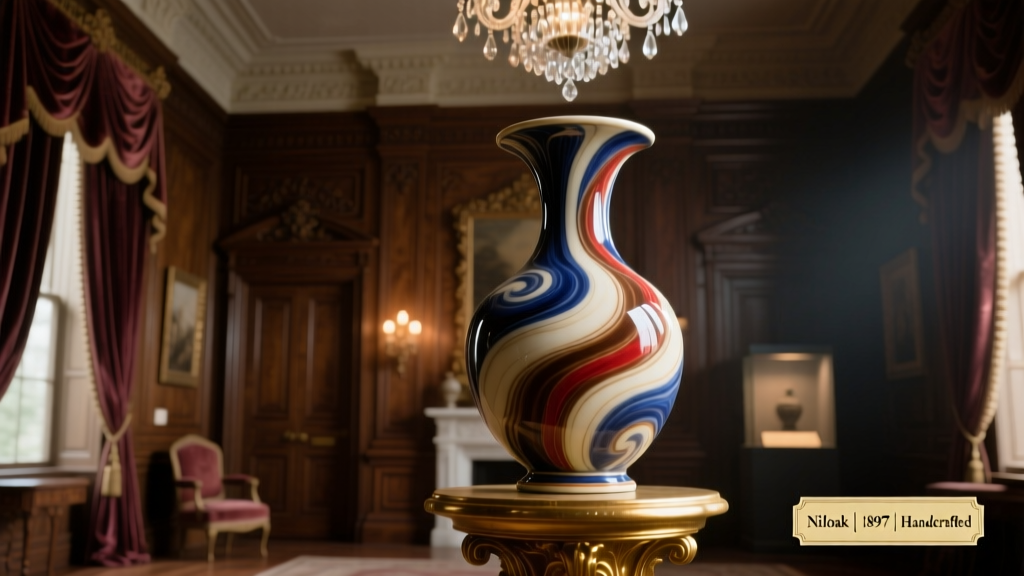
Niloak Vase: Marbleized Blue, Cream, Brown & Red Swirls in Hourglass Form — A Collector’s Guide to the 11-Inch Icon
The Paden City Snowglass Bowl Vegetable Cover: History, Identification, and Restoration Insights
L.M. Advertising Sign: Decoding the 'Get Lots More From L.M.' Red, White & Blue Metal Plate (23 × 17 in)
Fenton Silver Crest Candy Dish Cover: History, Identification, and Restoration Guidance