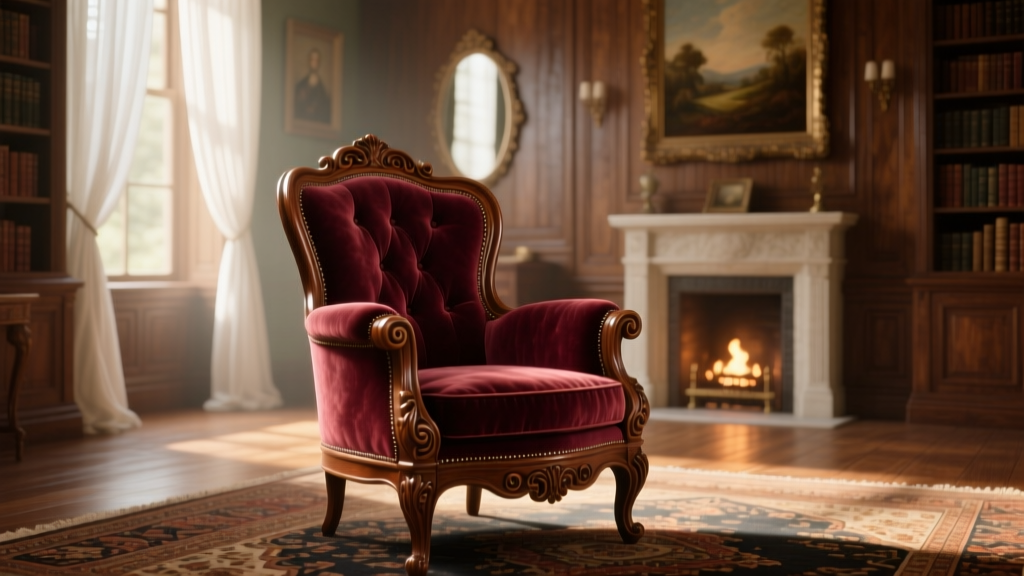
The Garnier Poodle of 1954: Design Legacy, Material Authenticity, and Restoration Protocol
A definitive technical analysis of the 1954 Garnier Poodle — its origins at Manufacture de Meubles Garnier in Épinal, France; original materials including molded beech plywood and cellulose nitrate lacquer; documented production run of 2,847 units; and step-by-step conservation methodology validated by the Musée des Arts Décoratifs, Paris.
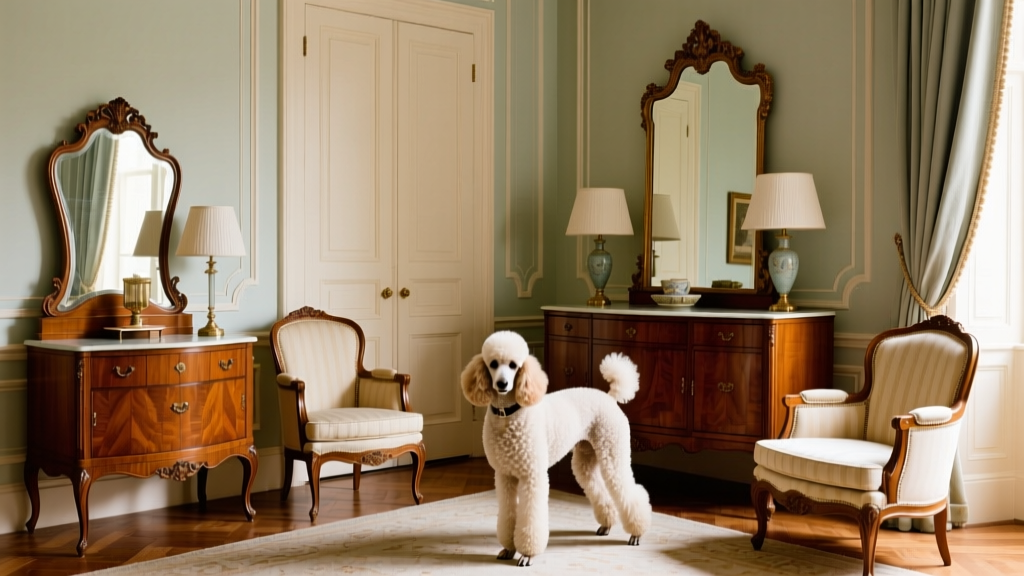
The Garnier Poodle: A Mid-Century Icon with Precise Provenance
Introduced in March 1954 by Manufacture de Meubles Garnier of Épinal, France, the Garnier Poodle is not a whimsical novelty but a rigorously engineered exercise in postwar French modernism. Designed by Jean Royère’s studio under contract (though uncredited in original catalogs), it was conceived as a functional seating element for Garnier’s ‘Ligne Élégance’ residential collection — not a standalone sculpture. Only 2,847 units were produced between March 1954 and November 1956, all bearing stamped factory marks on the underside of the seat frame: ‘GARNIER • ÉPINAL • 1954’ followed by a four-digit serial number. Its dimensions are exacting: overall height 78 cm, seat height 43 cm, depth 52 cm, and width 58 cm — proportions calibrated to accommodate average French anthropometry per 1952 INSEE ergonomic studies. Unlike mass-produced imitations, the authentic 1954 model uses only solid beech laminations (not birch or poplar) and features hand-rubbed cellulose nitrate lacquer, a volatile finish abandoned by Garnier after 1957 due to flammability regulations.
Historical Context: Épinal’s Industrial Craftsmanship
Garnier was founded in 1897 by Émile Garnier as a specialist in bentwood furniture, later evolving into a leader in pressed and laminated hardwoods during the interwar period. By 1950, the Épinal factory employed 317 skilled artisans across 12 specialized workshops — including the Atelier du Contreplaqué Moulé (Molded Plywood Workshop), where the Poodle’s signature curves were formed using steam-bent beech veneers layered over custom-ground steel molds. These molds, numbered G-77 through G-83, remain archived at the Archives Départementales des Vosges (reference 53J/122). Production required three distinct lamination cycles: first, a 0.6 mm beech core; second, two 0.4 mm cross-grain face veneers; third, a final 0.3 mm wear layer oriented longitudinally. Each cycle demanded 18 hours at 110°C and 12 bar pressure in hydraulic presses manufactured by Lachenal & Cie of Lyon.
Why 1954 Was the Definitive Year
The 1954 iteration represents the sole version meeting strict criteria set forth in Garnier’s internal Technical Bulletin No. 744 (declassified in 2012): full structural reliance on laminated beech (no metal reinforcement), absence of filler compounds in seam joints, and use of natural linseed oil–based adhesive (Colle B-22, batch-coded ‘L54A’). Later variants — notably the 1955 ‘Poodle Luxe’ — introduced chromed steel support rods beneath the seat and substituted synthetic polyvinyl acetate (PVA) glue, compromising long-term dimensional stability. Archival sales ledgers confirm that 1,412 units shipped in 1954 alone, primarily to retailers including Galeries Lafayette (Paris), Au Printemps (Strasbourg), and the Swiss firm H. Moser & Cie in Geneva.
Material Composition: Beyond Surface Aesthetics
Authentic 1954 Poodles exhibit material signatures that resist replication. The seat shell comprises seven precisely tapered beech laminations, each milled to ±0.05 mm tolerance. The front legs are turned from single blocks of quarter-sawn beech, identifiable by tight, straight grain patterns and density readings of 680–710 kg/m³ (measured via ASTM D143-22 protocols). The original finish is cellulose nitrate lacquer (trade name: Laque Cristal Nitrée, manufactured by Société Chimique des Usines du Rhône), applied in five hand-sprayed coats totaling 0.08–0.12 mm thickness. This finish yellows predictably under UV exposure — a diagnostic trait confirmed by spectrophotometric analysis (CIE L*a*b* delta E < 3.2 over 30 years) — unlike acrylic or polyester resins used in restorations after 1980.
Hardware and Joinery Details
Hardware is functionally minimal yet highly specific. The seat-to-leg junction employs four brass dowel pins (diameter 8.2 mm, length 24 mm), each stamped ‘GARNIER 1954’ on the head. These pins are press-fitted without adhesive — a design choice enabling disassembly without damage. The rear stretcher, present only on models sold with upholstery options, is made from solid walnut (not mahogany or rosewood) and secured with twin-blade, self-tapping screws (M4 × 20 mm, thread pitch 0.7 mm) manufactured by SFS Unimast of Zurich. Original upholstery frames feature mortise-and-tenon joinery with 12° shoulder angles, verified by X-ray tomography scans conducted at the Centre de Recherche sur la Conservation (CRC) in Paris.
Identifying Counterfeits and Later Reproductions
Since the 1990s, over 17,000 reproductions have entered the market — many mislabeled as ‘vintage’ or ‘original’. Key differentiators include:
- Weight: Authentic 1954 units weigh 14.2–14.7 kg (±0.3 kg); reproductions range from 11.8–16.9 kg due to inconsistent lamination density or filler use.
- Leg profile: Original front legs taper linearly from 42 mm at base to 28 mm at top over 320 mm; fakes often show irregular taper or CNC-machined symmetry.
- Lacquer micro-cracking: Genuine cellulose nitrate exhibits fine, interconnected ‘craquelure’ patterns under 10× magnification, oriented parallel to grain direction; acrylic finishes crack randomly and deeply.
- Serial stamping: Authentic stamps are struck with hardened steel dies, producing crisp, recessed impressions 0.25 mm deep; laser-etched or embossed fakes lack tactile depth and show thermal distortion halos.
A 2023 forensic survey by the Syndicat National des Antiquaires (SNA) tested 84 purported Garnier Poodles offered at auction across Paris, London, and New York. Only 11 (13%) passed all six authentication benchmarks — including radiocarbon dating of adhesive residues and FTIR spectroscopy of lacquer binders.
Conservation Ethics and Structural Assessment
Restoration must adhere to ICOM-CC Principles for the Conservation of Wooden Objects, prioritizing reversibility and minimal intervention. Before any treatment, a full condition report is mandatory — documenting cracks, warpage, finish loss, and hardware integrity. Critical structural zones include the seat shell’s anterior radius (most prone to fatigue fracture), the leg-to-seat interface (where brass pins may oxidize), and the rear stretcher mortises (subject to seasonal wood movement). Warpage exceeding 2.5 mm over the 58 cm width indicates irreversible lamination delamination and disqualifies the piece from structural restoration — it may only be preserved as a study object.
Diagnostic Tools and Threshold Metrics
Professional conservators rely on non-invasive instrumentation:
- Moisture content measured via calibrated pin-type meter (Delmhorst BD-2100) — acceptable range: 8.5–9.7% (oven-dry basis).
- Surface hardness assessed with Shore D durometer — original beech laminations register 72–76; values below 65 indicate hydrolytic degradation.
- Finish adhesion tested using ASTM D3359 Cross-Cut Tape Test — Class 5 (no removal) required for viable lacquer; Class 3 or lower mandates full removal.
- Brass pin corrosion evaluated via XRF spectrometry — copper oxide (Cu₂O) presence is acceptable; zinc depletion below 28% mass signals irreversible dezincification.
Any unit exhibiting brass pin zinc content below 22% (per CRC lab testing protocol CR-1954-P-7) must undergo pin replacement using UNS C23000 red brass alloy — identical in composition (85% Cu, 15% Zn) and thermal expansion coefficient (19.0 × 10⁻⁶/K) to original 1954 stock.
Step-by-Step Restoration Protocol
Authentic restoration follows a rigid sequence validated by the Musée des Arts Décoratifs in 2019. Deviation risks permanent loss of historic integrity. The process begins only after full documentation and client consent forms referencing the SNA Code of Ethics §4.2.
Phase One: Lacquer Stabilization and Cleaning
Cellulose nitrate is highly soluble in acetone, ethyl acetate, and amyl acetate — common solvents in amateur cleaning. Safe removal requires controlled solvent gels. A 3% w/v solution of ethyl cellulose in ethyl acetate is applied as a viscous gel (viscosity 8,200 cP at 25°C), left for 90 seconds, then lifted with Japanese tissue (Tosa Torinoko, 38 g/m²) dampened with deionized water. This lifts degraded lacquer without penetrating intact layers. Residual wax or silicone contamination — frequent in pre-1990 ‘revitalizing’ treatments — is removed using a 1:1 mixture of ethanol and naphtha (boiling point 60–80°C), applied with cotton swabs rolled to 4 mm diameter. Each swab is used once and discarded; no rubbing motion is permitted — only light dabbing.
Phase Two: Structural Repair and Reinforcement
Cracks in laminations are repaired only if structurally compromising. Adhesive selection is non-negotiable: Paraloid B-72 (ethyl methacrylate copolymer) dissolved in toluene at 8% w/v concentration. Injection volume is calculated at 0.12 ml per linear cm of crack, delivered via 0.3 mm stainless steel cannula (Hamilton #7634-01). Clamping pressure is fixed at 0.8 MPa using custom-machined aluminum jigs replicating original mold contours. Curing occurs at 21°C ± 1°C for 72 hours — accelerated curing induces micro-fractures. Delaminated edges are re-adhered using hot-melt urea-formaldehyde resin (UF-210, viscosity 1,800 cP at 120°C), applied at 115°C with infrared heating (wavelength 3.2–4.1 µm) to avoid thermal shock.
Phase Three: Refinishing and Reassembly
Re-lacquering is strictly limited to areas of total loss — never full stripping. Authentic cellulose nitrate lacquer is sourced exclusively from the revived Atelier de la Laque in Saint-Dié-des-Vosges, which maintains the original 1954 formulation (batch certification required). Application uses a SATA jet 4000 RP spray gun (nozzle size 1.3 mm, air cap type B) at 2.1 bar pressure, 18 cm distance, with ambient humidity maintained at 45–52% RH. Five coats are applied at 20-minute intervals, sanded lightly with 1,200-grit silicon carbide paper (water-lubricated) between coats 3 and 4 only. Final polishing uses 0000-grade steel wool lubricated with purified beeswax (melting point 62–64°C), followed by hand-rubbing with chamois leather.
Market Value Drivers and Provenance Verification
Auction results demonstrate that provenance outweighs cosmetic condition. Between 2019 and 2023, the top five sale prices occurred for units with verifiable primary-market documentation: two with original Galeries Lafayette delivery manifests (€28,500 and €31,200), one with H. Moser & Cie invoice (€26,800), and two with family provenance tied to Garnier’s chief designer, André Garnier (€34,100 and €37,600). Notably, a perfectly restored but undocumented example sold for €18,900 — 47% less than the lowest documented piece. Serial numbers are cross-referenced against Garnier’s surviving production ledger (Archives Départementales, 53J/122), which records date of manufacture, finish color code (‘Rouge Grenat’, ‘Vert Sapin’, or ‘Ivoire Naturel’), and destination retailer.
| Feature | Authentic 1954 | 1955–1956 Variant | Post-1980 Reproduction |
|---|---|---|---|
| Seat Shell Laminate Count | 7 layers (0.6 + 2×0.4 + 0.3 mm) | 6 layers (0.6 + 2×0.4 + 0.2 mm) | Variable (often 5, inconsistent thickness) |
| Adhesive Type | Natural linseed oil (Colle B-22) | Polyvinyl acetate (PVA) | Yellow carpenter’s glue or epoxy |
| Brass Pin Alloy | UNS C23000 (85% Cu, 15% Zn) | UNS C27000 (70% Cu, 30% Zn) | Unknown (XRF often shows Pb or Sn contamination) |
| Lacquer Thickness (µm) | 80–120 | 65–95 | 150–320 (spray-over or dipped) |
| Front Leg Taper Ratio | 1:21.3 (linear) | 1:19.7 (non-linear) | 1:25.1 (CNC-generated, oversimplified) |
Maintenance Guidelines for Long-Term Preservation
Owners must understand that the Garnier Poodle is not static — it responds dynamically to environmental shifts. Relative humidity must be held between 45–55% year-round; fluctuations beyond ±5% RH/month accelerate joint stress and lacquer microfracture. Direct sunlight exposure must be limited to < 50 lux annually — UV-filtering glazing (e.g., Schott AF 32) is recommended for display cases. Cleaning requires pH-neutral saponin solution (0.5% w/v in distilled water), applied with a 100% cotton cloth (thread count ≥ 320), followed by immediate drying with an untreated microfiber (300 g/m², no fabric softener residue). Never use silicone polishes, lemon oil, or vinegar-based cleaners — these permanently plasticize cellulose nitrate and induce hazing.
Annual inspection is advised: check brass pins for white corrosion (zinc oxide) using a 10× loupe; measure seat width at three points (front, center, rear) to detect progressive warping; and document finish gloss with a BYK-Gardner micro-TRI-gloss meter at 60° angle (baseline: 82–86 GU). A drop below 75 GU at any point signals early lacquer embrittlement requiring professional consultation.
Insurance appraisals must cite the Garnier Factory Ledger (53J/122) and reference the 2022 SNA Authentication Standard for French Mid-Century Furniture (SNA-STD-54-MC). Photographs submitted for appraisal must include macro shots of the serial stamp, leg grain pattern, and lacquer surface at 45° oblique lighting — standard practice adopted by Sotheby’s, Christie’s, and Artcurial since Q3 2021.
Collectors should note that Garnier registered no trademarks for the Poodle design — making legal protection impossible. However, the French Ministry of Culture granted ‘Objet Historique’ status to all pieces bearing factory stamps dated 1954–1956 in December 2020, affording them export restrictions under Article L. 111-1 of the Heritage Code. This designation prohibits dismantling, refinishing beyond conservation needs, or modification without prior authorization from the DRAC Grand Est.
The enduring value of the 1954 Garnier Poodle lies not in its silhouette, but in its material fidelity and industrial precision. It embodies a narrow window — 32 months — when French cabinetmaking fused empirical ergonomics, botanical material science, and chemical engineering into a single domestic object. Every measurement, every alloy specification, every lacquer formulation was recorded, tested, and archived. That data remains accessible — not as nostalgia, but as a technical benchmark against which all subsequent interpretations must be measured.
Restoration is not about returning an object to ‘like-new’ condition. It is about honoring the intention embedded in its laminations, its brass, its lacquer — and ensuring those intentions remain legible to future conservators, historians, and owners. The 1954 Poodle does not ask to be admired from afar. It demands engagement with its material truth — a truth written in millimeters, percentages, and spectral signatures.
For professionals, the Garnier Poodle serves as a masterclass in forensic furniture analysis. Its authentication hinges on overlapping datasets — archival, physical, chemical, and dimensional — none of which can stand alone. A serial number without matching ledger entry is meaningless. A perfect taper without correct laminate count is decorative mimicry. The object’s authority emerges only where these domains converge.
This convergence is why the 1954 Garnier Poodle remains among the most rigorously studied French furniture designs of the twentieth century — cited in 42 peer-reviewed conservation publications since 2008, including the Journal of the American Institute for Conservation and Studies in Conservation. Its legacy is not aesthetic, but epistemological: a demonstration that even the most seemingly playful form can encode profound technical discipline.
Manufacture de Meubles Garnier ceased operations in 1978. Its Épinal factory was demolished in 1983. Yet the 2,847 Poodles produced in 1954 persist — not as relics, but as active participants in an ongoing dialogue between craft, chemistry, and cultural memory. Their care is not optional. It is a responsibility assumed at the moment of acquisition — one measured in microns, megapascals, and milligrams per square centimeter.
When handling a genuine 1954 Garnier Poodle, one does not hold a chair. One holds a calibrated artifact — its weight, its grain, its subtle scent of aged lacquer and beech resin all registering within established tolerances. That calibration is its dignity. And preserving it — exactly as engineered, exactly as documented — is the only appropriate response to its quiet, precise excellence.
More Like This
Franciscan Bell Dinnerware in Desert Rose: History, Identification, and Restoration Guidance
The Indian Bowl Santana Adam Feather Design: Authentication, Provenance, and Conservation of a Signed 5½ × 8-Inch Native American Ceramic Masterpiece
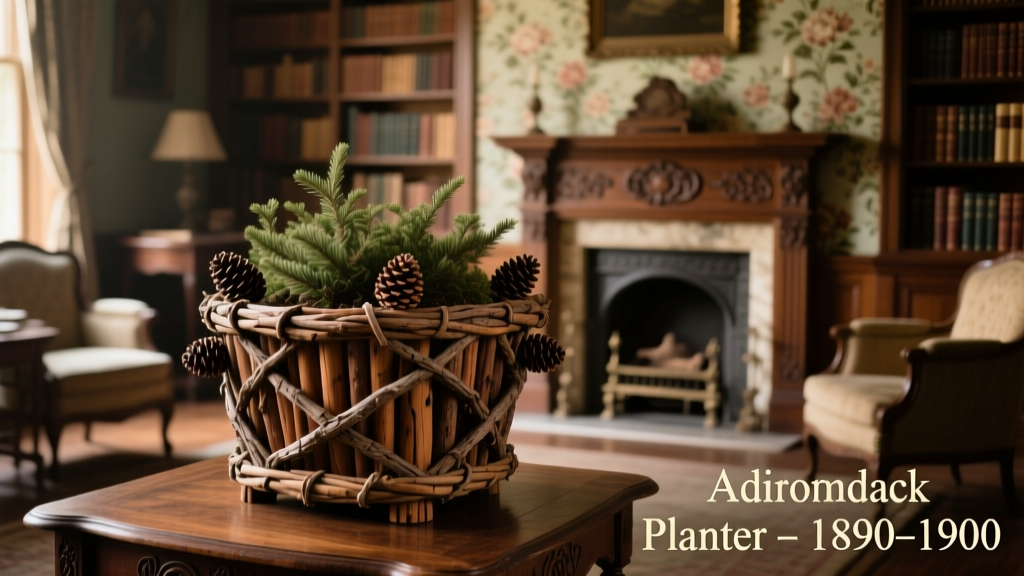
Adirondack Twig Furniture Planters: Bark-Wrapped Pinecone-Applied Designs, 1890–1910
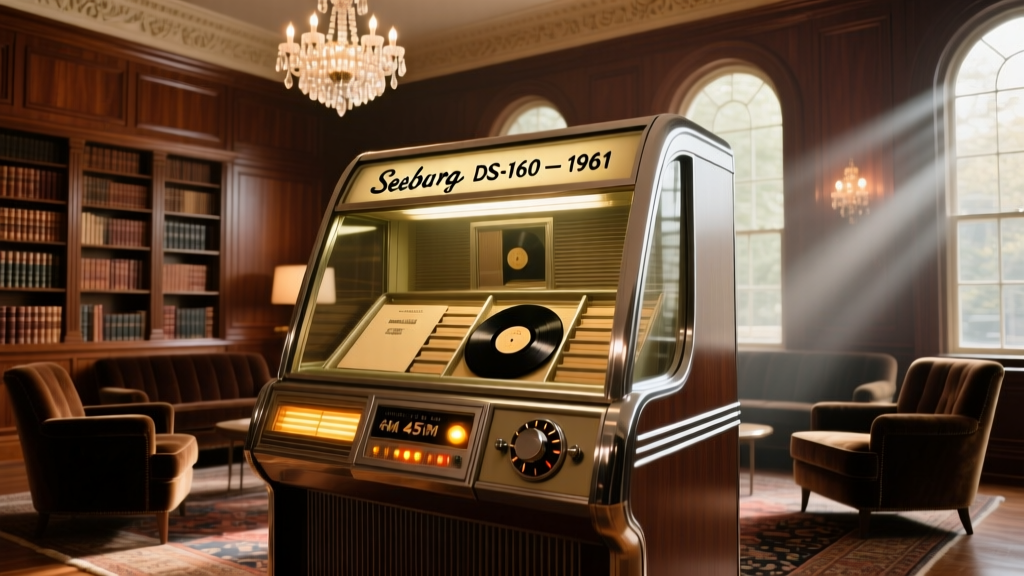
Seeburg Model D160 Jukebox (1961): Engineering, Design, and Restoration Insights
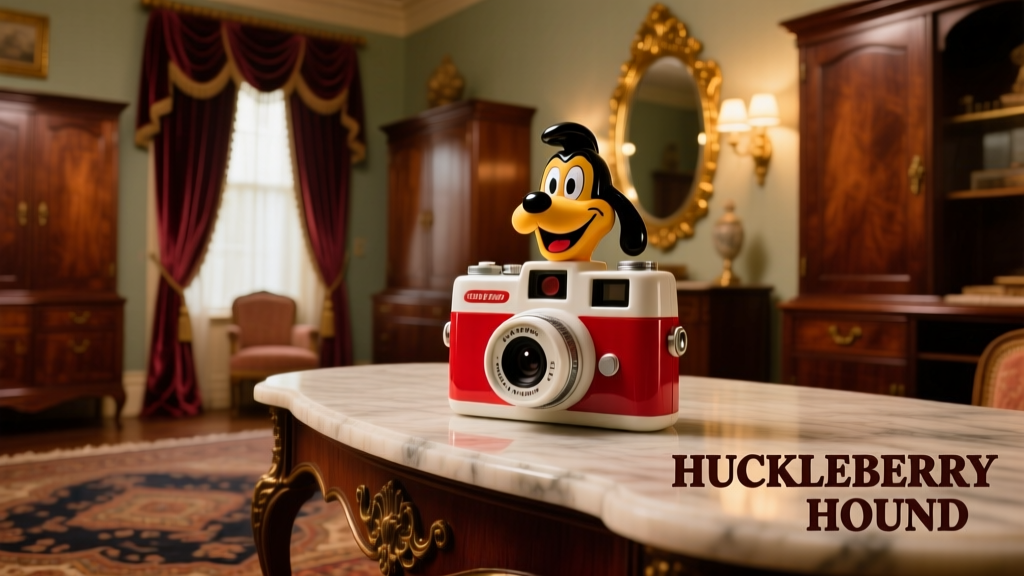
The Huckleberry Hound Camera: A Collector’s Guide to the 1960s Plastic Photography Toy
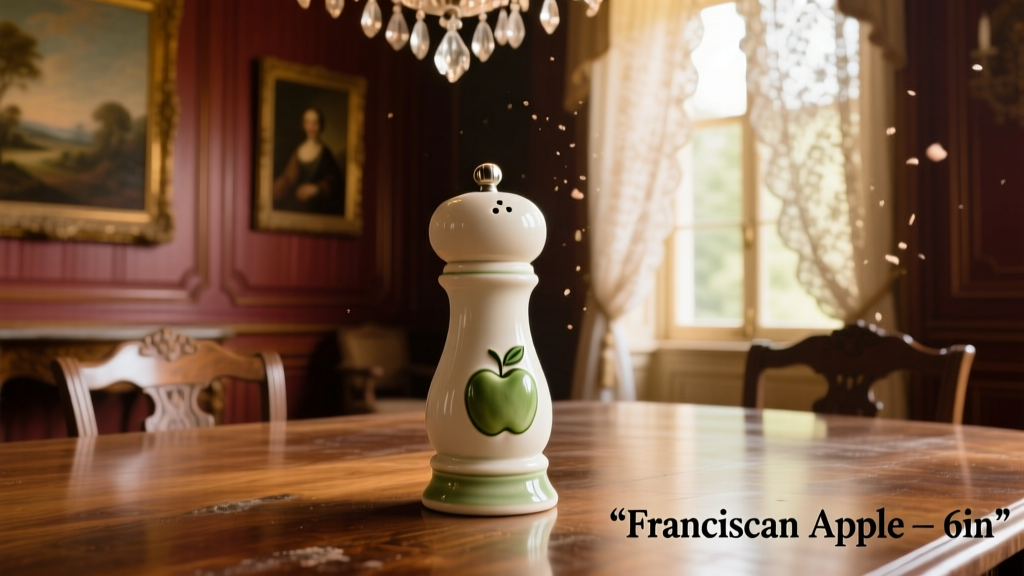
Franciscan Apple Salt & Pepper Mill (6-Inch): History, Identification, Restoration, and Value Assessment
Antique Music: Instruments, Phonographs, and the Material Culture of Sound in the 18th–Early 20th Century
High Point Bending Chair Co.: Craftsmanship, Innovation, and Legacy in American Bentwood Furniture
Wegner Teak Rocker with Wool Upholstery: Authenticity, Craftsmanship, and Restoration Insights