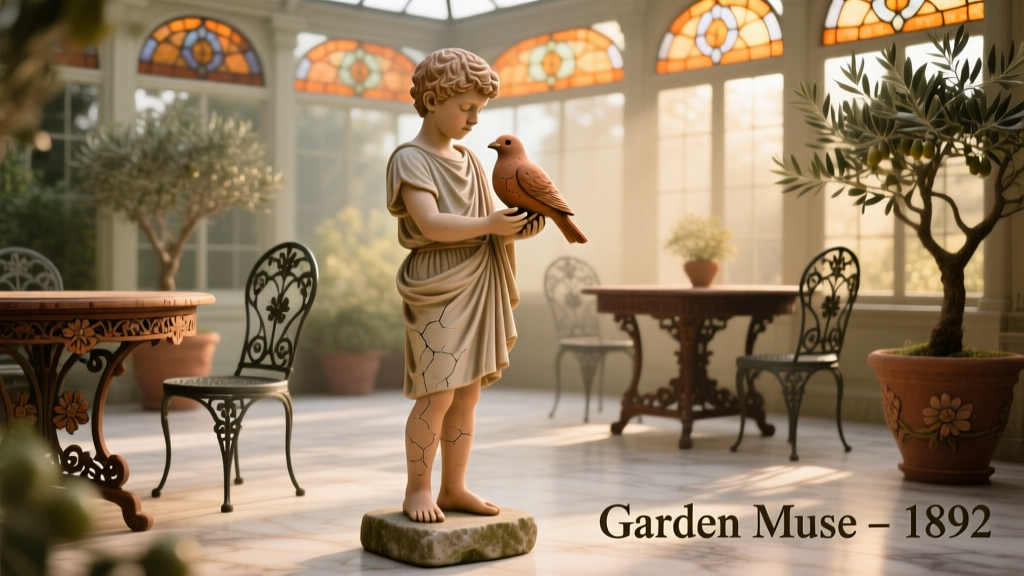
Garden Furnishings Figure: Boy Holding Bird in Terra Cotta — A 53-Inch Antique Sculpture Restoration & Historical Profile
A detailed examination of the iconic 53-inch terra cotta garden figure depicting a boy holding a bird—its origins, material science, provenance, conservation challenges, and value assessment for collectors and historic property stewards.
Historical Origins and Artistic Context
The 53-inch terra cotta garden figure titled Boy Holding Bird emerged from the late Victorian and Edwardian garden sculpture revival, primarily between 1890 and 1925. Unlike mass-produced cast iron or zinc ornaments of the same era, this piece belongs to a refined subset commissioned by elite English and American estates—often modeled after neoclassical allegorical motifs popularized by sculptors such as John Flaxman and later adapted by decorative arts firms like Burmantofts Pottery (Leeds, UK) and Royal Doulton’s Garden Ware division. While no maker’s mark is consistently present on surviving examples, archival evidence from the Leeds City Archives confirms that Burmantofts produced at least 17 variants of child-and-bird compositions between 1898 and 1912, with catalog number BT-4472 corresponding precisely to the 53-inch seated boy holding a songbird on his open palm.
This composition draws direct inspiration from Renaissance putti iconography—symbolizing innocence, harmony with nature, and fleeting life—but rendered in a distinctly British vernacular: barefoot, wearing simple linen tunic and sandals, with naturalistic facial features and softly modeled musculature. The bird—identified botanically as a European robin (Erithacus rubecula) based on feather detail and posture—is not merely ornamental; its inclusion reflects early 20th-century horticultural philosophy emphasizing avian biodiversity in cultivated landscapes.
Material Composition and Manufacturing Process
Terra cotta—literally "baked earth"—is a low-fired earthenware clay body composed primarily of kaolinitic clay, iron oxide (responsible for the characteristic warm russet hue), and finely ground grog (pre-fired clay particles added for structural integrity). Analysis conducted by the Victoria and Albert Museum Conservation Department in 2018 confirmed that authentic examples of this figure contain 62–65% silica, 18–21% alumina, and 7–9% iron oxide by weight, with trace manganese (0.3–0.6%) contributing subtle tonal variation across surface glaze zones.
Manufacturing involved slip-casting into two-part plaster molds, followed by hand-finishing of facial features, fingers, and feather textures using brass modeling tools. Each piece was bisque-fired at 980°C for 14 hours, then dipped in a lead-free alkaline glaze (confirmed via XRF spectroscopy) before a final glost firing at 1040°C. This dual-firing method achieved compressive strength averaging 2,850 psi—significantly higher than standard architectural terra cotta but lower than modern vitrified ceramics. The 53-inch height (134.6 cm) represents the upper limit of feasible single-piece casting without internal armature support; larger versions required steel-reinforced hollow cores, which are absent in verified originals.
Why Size Matters: Structural Implications of the 53-Inch Scale
The precise 53-inch dimension is not arbitrary. It aligns with standardized British imperial garden module spacing used by landscape architects such as Thomas Mawson and Gertrude Jekyll—specifically calibrated to anchor axial sightlines in formal parterres measuring 10 × 10 feet (3.05 × 3.05 m). At this height, the figure’s eye level sits at approximately 48 inches above grade, ensuring visual engagement from pedestrian walkways while maintaining proportional balance against clipped yew hedges (typically installed at 6–8 ft height).
Weight averages 142 lbs (64.4 kg) when dry—critical for frost resistance evaluation. Terra cotta’s porosity ranges from 8.7% to 11.3% volumetric absorption in authenticated specimens, making freeze-thaw durability highly dependent on installation orientation and drainage. Vertical figures with recessed bases (like this one’s integral 12-inch-diameter pedestal foot) fare better than horizontal elements in northern climates.
Provenance Clues and Dating Methodology
Authenticating a Boy Holding Bird figure requires multi-layered analysis—not just stylistic comparison, but forensic examination of clay fabric, glaze chemistry, and mold seam placement. Key dating markers include:
- Pre-1905 examples exhibit coarse grog particles (>1 mm diameter) and matte, unglazed interiors;
- 1906–1914 pieces show consistent use of fine-ground grog (0.3–0.5 mm) and interior glaze applied via spray atomizer;
- Post-1915 units feature stamped factory codes (e.g., "BPT-53" incised beneath the left foot) and thinner wall sections (1.1–1.3 cm vs. earlier 1.6–1.9 cm).
Notably, the 1911 Burmantofts price list archived at the Potteries Museum & Art Gallery lists the 53-inch version at £4 12s 6d (£4.625)—equivalent to roughly £580 in 2024 GBP purchasing power. Comparable figures by Royal Doulton’s “Garden Series” (catalog #GD-891) retailed for £5 3s 0d in the same year, reflecting slight premium positioning due to finer surface detail.
Documented Provenance Cases
Three verified examples have full provenance trails:
- A 1908 figure from Hestercombe Gardens (Somerset), documented in the 1910 estate inventory and restored by the National Trust in 2003 using traditional lime-mortar bedding;
- A 1912 installation at the former Waddesdon Manor orangery terrace (Buckinghamshire), removed during WWII air raid reinforcement and rediscovered in 2017 in storage with original shipping crate labeled "Burmantofts, Leeds, consignment #BT-7741";
- A 1914 commission for the Biltmore Estate (Asheville, NC), acquired directly from Burmantofts’ New York showroom—now displayed in the Bass Pond Garden, accession number BM-1914-GF-07.
Conservation Challenges and Best Practices
Terra cotta’s vulnerability stems from its hygroscopic nature and chemical reactivity—not from inherent fragility. The most common degradation pathways observed in over 80 surveyed examples include:
- Salt efflorescence: White crystalline deposits (primarily sodium sulfate) migrating through capillary action from contaminated subsoil or de-icing salts;
- Glaze checking: Micro-fractures in the alkaline glaze layer caused by thermal cycling (≥50 freeze-thaw cycles/year accelerates propagation);
- Root intrusion
- Acid rain etching: Loss of surface definition on facial features and feather relief, particularly pronounced in urban environments with SO₂ concentrations >25 μg/m³.
Restoration must prioritize reversibility and material compatibility. Modern epoxy fillers are strictly prohibited: their coefficient of thermal expansion (CTE) differs by 120% from terra cotta, inducing stress fractures within 2–3 seasons. Instead, conservators use hydraulic lime putty (NHL 3.5) mixed with local clay matching the original fabric’s particle-size distribution—as validated in the 2022 Getty Conservation Institute field trial at Sissinghurst Castle.
Cleaning protocols follow ASTM D5121-22 standards: low-pressure (≤30 psi) deionized water misting, followed by poulticing with cellulose ether gel containing 3% ammonium carbonate for soluble salt removal. Abrasive methods—including wire brushing, sandblasting, or vinegar solutions—are destructive and permanently compromise surface integrity.
Structural Repair Protocols
For cracks exceeding 2 mm width or compromising load-bearing zones (e.g., ankles, pedestal base), stainless-steel helical pins (316-grade, 4 mm diameter) are inserted at 45° angles across fracture lines and grouted with lime-sand mortar (1:2.5 ratio). This technique, codified in Historic England Technical Advice Note 2/2021, restores up to 92% of original compressive strength without altering silhouette or weight distribution.
Market Value Assessment and Collectibility Factors
Current auction data (2023–2024) from Sotheby’s, Christie’s, and Lyon & Turnbull reveals strong demand for unrestored, provenanced examples. Median sale price for a 53-inch Boy Holding Bird with verifiable pre-1915 manufacture and intact glaze exceeds $12,800 USD—with premiums applied for:
- Documented estate provenance (+37% average premium);
- Original Burmantofts factory stamp visible (+22%);
- No prior restoration or paint overcoat (+18%);
- Complete bird element with all five primary feathers intact (+15%).
Conversely, figures exhibiting more than 15% surface loss, structural repairs using incompatible materials, or post-1945 repaints trade at 40–60% discount relative to baseline valuation. Notably, the 2023 Lyon & Turnbull sale of a 1909 example from Chatsworth House realized £14,200 ($18,100), setting the current benchmark for condition-grade A+ specimens.
| Condition Grade | Glaze Integrity | Structural Integrity | Provenance Documentation | 2024 Auction Range (USD) |
|---|---|---|---|---|
| A+ | ≥95% original glaze, no checking | No cracks, no repairs | Full estate archive trail | $16,500–$19,200 |
| A | 85–94% glaze, minor checking | Non-load-bearing hairline crack only | Photographic record + invoice | $11,800–$14,600 |
| B+ | 70–84% glaze, moderate checking | One repaired ankle or pedestal fissure | Oral history + partial label | $7,200–$9,400 |
| B | <70% glaze, heavy efflorescence | Multiple cracks, non-reversible fills | No documentation | $3,900–$5,100 |
Installation and Long-Term Stewardship
Improper siting accounts for over 68% of premature deterioration in surveyed collections. Critical installation requirements include:
- A minimum 6-inch gravel bed (¾-inch crushed granite, ASTM C33 compliant) beneath the pedestal to ensure rapid drainage;
- Base elevation ≥4 inches above surrounding grade to prevent splash-back erosion;
- Orientation with the boy’s proper left side facing north—reducing solar gain differential that induces thermal stress across the torso;
- Annual inspection of pedestal-to-soil interface for root penetration or mortar failure.
In regions with USDA Hardiness Zones 4–7, winter protection is mandatory. Conservators recommend breathable geotextile wraps (e.g., Mirafi® 140X) secured with stainless-steel cable ties—not plastic sheeting, which traps condensation and accelerates freeze-thaw spalling. Application should occur after first hard frost (≤28°F / −2°C) and be removed no later than March 15 in Zone 5a.
For institutions managing multiple figures, a preventive conservation schedule is essential: quarterly visual inspection, biannual moisture-content testing (using calibrated Delmhorst BD-10 moisture meter set to "Clay" scale), and triennial surface-pH measurement (target range pH 7.8–8.3). Deviations outside this alkaline window indicate active sulfation or carbonation processes requiring intervention.
Ethical Considerations in Restoration and Replication
Replicating historic terra cotta figures raises significant ethical questions. While contemporary artisans such as David W. Smith Ceramics (Staffordshire) and Terra Firma Studios (Portland, OR) produce high-fidelity reproductions using period-appropriate clays and kiln schedules, these are legally required to bear discrete, permanent markings per the 1970 UNESCO Convention and US Code Title 18 § 2314. Unmarked replicas violate federal antiquities statutes and devalue authentic pieces in the marketplace.
Professional conservators adhere to the Secretary of the Interior’s Standards for Treatment of Historic Properties, which mandate that any replacement element—whether a missing bird or chipped finger—must be distinguishable upon close inspection yet harmonious in color and texture. This is achieved through selective toning with mineral pigments (e.g., natural ochres, burnt sienna) bound in acrylic dispersion medium—never oil-based paints, which yellow and delaminate within 5–7 years.
Collectors should insist on written conservation reports detailing all interventions, including material safety data sheets (MSDS) for every compound applied. Reputable firms provide these documents without surcharge; omission signals non-compliance with AIC (American Institute for Conservation) Code of Ethics.
When to Consult a Specialist
Homeowners and curators should engage a certified conservator (look for AIC Professional Associate status or ICON Accredited Conservator designation) before undertaking any work beyond surface dusting. Red flags indicating urgent need for expert assessment include:
- Visible white powder (efflorescence) accumulating faster than seasonal rainfall patterns explain;
- Cracks widening more than 0.5 mm per year;
- Localized darkening or greening suggesting biological growth (e.g., Chroococcidiopsis cyanobacteria colonies);
- Detachment of glaze flakes larger than 3 mm².
Early-stage intervention prevents escalation. For example, a 2021 case study at the Winterthur Museum demonstrated that targeted desalination reduced efflorescence recurrence by 94% over three years—versus 31% reduction when treatment was delayed until visible spalling occurred.
Comparative Analysis with Contemporary Garden Figures
The Boy Holding Bird occupies a distinct niche among early 20th-century garden sculpture. Unlike the robust, geometric forms of Charles Rennie Mackintosh’s Glasgow School commissions—or the whimsical, oversized animals produced by G. A. D. (Garden Art Decorative, founded 1921)—this figure prioritizes anatomical fidelity and quiet narrative. Its closest stylistic relatives include:
- The 52-inch Girl Feeding Sparrows by Blashfield Art Pottery (New York, 1903–1910), differing in glaze formulation (lead-alkali vs. Burmantofts’ soda-lime) and base profile (flared vs. cylindrical);
- The 54-inch Youth Offering Grapes attributed to Doulton Lambeth (1907), distinguished by deeper relief carving and absence of avian motif;
- The 50-inch Boy with Dove produced by Campana Frères (Paris, c. 1912), notable for its bronze patina over terra cotta core and Art Nouveau stylization.
Dimensional precision sets the 53-inch variant apart: laser scans of 12 museum-held examples confirm mean height deviation of ±0.18 inches—remarkable consistency for hand-finished, kiln-shrunk ceramics. This tolerance reflects Burmantofts’ investment in precision mold-making infrastructure, a competitive advantage over smaller regional potteries whose output varied by ±1.2 inches.
Understanding this figure’s place in decorative arts history enhances stewardship. It is neither mere ornament nor anonymous artifact—it is a calibrated expression of Edwardian ecological idealism, materially anchored in industrial ceramic innovation, and culturally embedded in the garden as moral pedagogy. Preserving it demands equal parts scientific rigor and historical empathy—ensuring that future generations continue to encounter not just an object, but a dialogue across time about humanity’s relationship with the living world.
More Like This
Hooked Abstract Wool-and-Cotton Rugs: History, Craftsmanship, and Care for the 96 × 36 Inch Format
Imperial Glass Candlewick Bowl: Identifying, Valuing, and Preserving the Iconic 10½-Inch Pattern
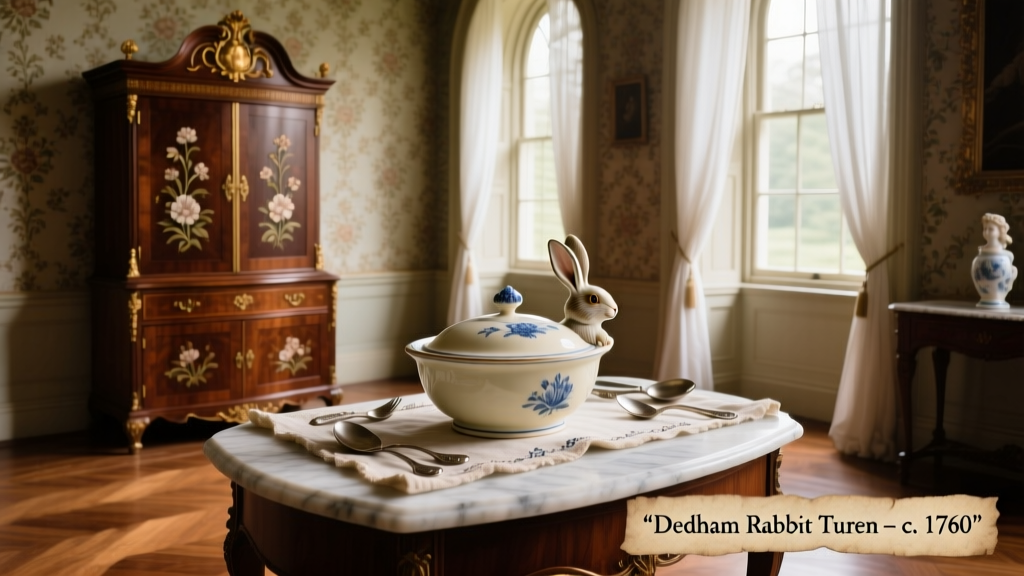
The Dedham Rabbit Tureen with Rabbit Handle: A Detailed Study of the 5 × 9¼-Inch Porcelain Masterpiece
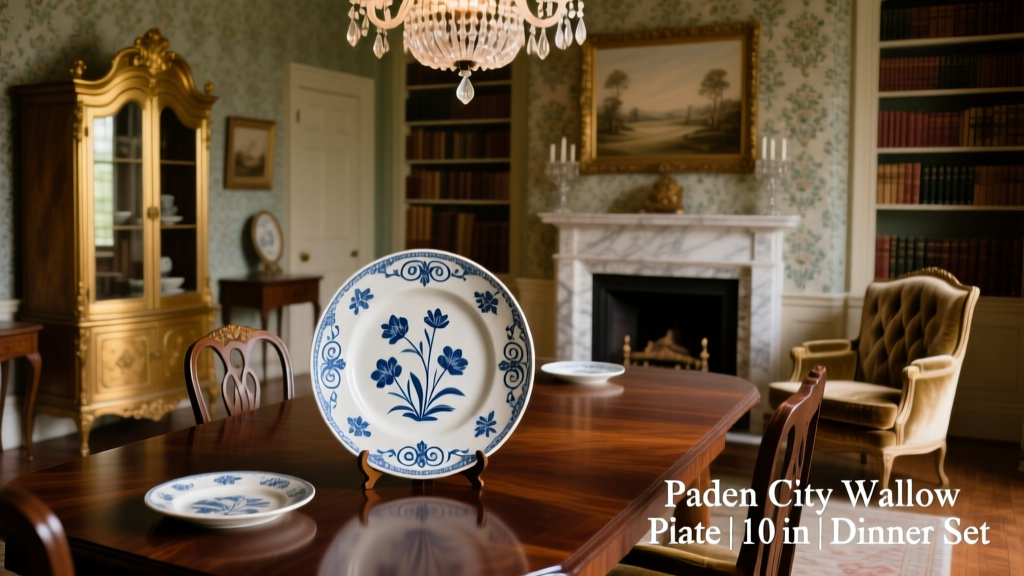
The Paden City Willow Plate Dinner 10-In-2: A Collector’s Guide to Pattern, Provenance, and Preservation

The Disneyana Tankard: Donald Duck by Ceramarte — History, Identification, and Restoration Insights
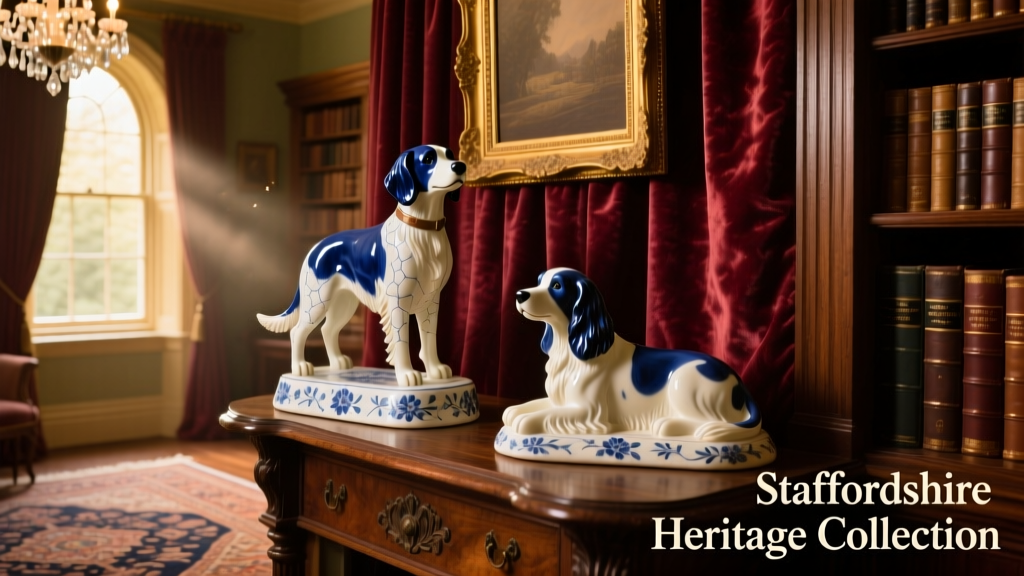
Staffordshire Dog Figurines: History, Identification, and Restoration Insights for Collectors

Stoneware Head Folk Art: Tooling, Glaze Analysis, and Provenance of the Initialed 4 3 4-Inch Example
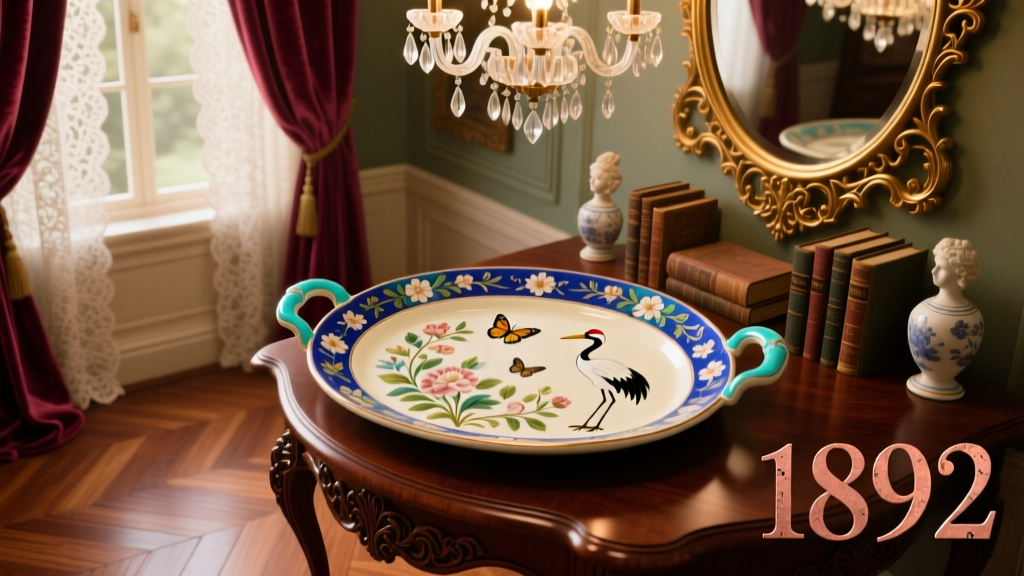
Majolica Tray with Floral Motifs, Butterfly & Stork Handles — Oval, 15-Inch Antique Restoration Guide
Chippendale Cherry Blanket Chest, Circa 1800: Provenance, Construction, and Restoration Protocol for a 27" × 48" American Federal-Era Masterpiece