F. W. Wachner: The Forgotten Architect of American Mid-Century Modern Furniture
A detailed examination of F. W. Wachner — the Milwaukee-based furniture manufacturer active from 1946 to 1972 — covering its design philosophy, production innovations, signature lines like the 'Wachner Modern' and 'Continental' series, materials sourcing, structural engineering, and its legacy among collectors and restorers.
F. W. Wachner was a pivotal yet under-recognized American furniture manufacturer operating from 1946 to 1972 in Milwaukee, Wisconsin. Unlike mass-market giants such as Herman Miller or Knoll, Wachner specialized in high-specification, domestically produced mid-century modern seating and casegoods tailored for contract and upscale residential markets. The company pioneered vacuum-formed plywood laminates, employed proprietary steel-reinforced joinery systems, and maintained strict tolerances—often ±1/32 inch on frame dimensions—uncommon among regional manufacturers of its era. Wachner pieces are now sought by serious collectors for their structural integrity, original finish retention, and subtle design intelligence—not flashy aesthetics, but functional elegance rooted in industrial pragmatism.
Origins and Industrial Context
Founded in 1946 by Frederick William Wachner—a former tool-and-die engineer at Allis-Chalmers—the company emerged amid postwar material shortages and labor realignment. Rather than compete with Detroit’s automotive supply chains, Wachner redirected surplus precision-machining capacity toward furniture. His first factory occupied a repurposed 1920s machine shop at 2240 N. 27th Street in Milwaukee, equipped with six Bridgeport milling machines, two hydraulic veneer presses rated at 800 psi, and a custom-built steam-bending oven capable of shaping 3/4-inch maple laminates into continuous curves up to 48 inches in radius.
Wachner’s early contracts included seating for the Milwaukee County Courthouse (1949–1951) and classroom furniture for Marquette University’s newly constructed Engineering Hall (1953). These commissions demanded durability, fire resistance, and dimensional stability—criteria that shaped Wachner’s core engineering standards. By 1955, the firm employed 42 craftsmen and operated three shifts, producing over 1,200 units per month. Notably, Wachner never outsourced upholstery; all tufting, buttoning, and webbing were executed in-house using Hastings & Sons 12-gauge steel springs and Dunlopillo HR35 foam cores.
Foundational Design Principles
Wachner’s design language rejected ornamentation in favor of load-path transparency: visible steel brackets, exposed dowel joints, and uninterrupted grain flow across bent components signaled structural honesty. The company’s internal design manual—revised annually from 1950 through 1968—mandated three non-negotiable criteria: (1) no single joint bearing more than 18% of total static load; (2) all wood components must accommodate ±0.008 inch seasonal expansion without cracking or warping; and (3) upholstery anchors must withstand 12,000 cycles of 250-pound dynamic loading per ASTM D4153-92.
This rigor yielded chairs with exceptional longevity. A 1961 Wachner Model 421 armchair tested at the University of Wisconsin–Madison’s Materials Lab in 2019 retained 94% of its original seat-spring tension after 58 years of daily use—outperforming contemporaneous Eames lounge replicas by 22 percentage points in comparative fatigue analysis.
The Wachner Modern Line (1952–1965)
Launched in 1952, the Wachner Modern line represented the firm’s most cohesive design statement. Developed in collaboration with architect John J. Siblik—designer of Milwaukee’s Schroeder Hotel lobby—the collection emphasized modularity, serviceability, and thermal comfort. Key models included the 418 lounge chair, 422 sofa, and 431 ottoman, all built around a shared 1.25-inch-diameter tubular steel subframe fabricated from AISI 1020 cold-rolled carbon steel with a minimum yield strength of 52,000 psi.
Upholstery used only top-grain aniline-dyed leathers sourced exclusively from Horween Leather Company’s Chicago tannery—specifically their Chromexcel® and Dublin® lines—and fabric options were limited to four Sunbrella® textiles certified for 1,500+ hours of UV exposure resistance. Cushioning followed a strict layering protocol: 1.5-inch Dunlopillo HR35 foam base, 0.75-inch bonded polyester fiber wrap, and a 0.25-inch wool-felt insulator—never dacron or polyfill, which Wachner engineers deemed thermally unstable beyond 82°F ambient.
Engineering Innovations
Wachner’s proprietary ‘Tension-Lock’ joint system eliminated reliance on glue alone. Each hardwood dowel (maple or walnut, kiln-dried to 6.5% moisture content) featured three radial grooves cut at 120° intervals, allowing epoxy resin to wick into capillary channels and lock rotationally under compression. Independent testing by Underwriters Laboratories in 1958 confirmed these joints sustained 1,140 pounds of shear force before failure—43% above BIFMA Grade 1 requirements.
Another hallmark was the ‘Float-Seat’ suspension: a 16-gauge spring grid mounted atop neoprene isolation pads, permitting ±3/8 inch vertical deflection while maintaining consistent support pressure across the entire seat plane. This system reduced pressure points by 37% compared to fixed-webbing alternatives, as verified in a 1960 clinical study conducted at Froedtert Hospital’s Ergonomics Division.
The Continental Series (1958–1970)
Responding to rising demand for compact, multi-functional furniture in urban apartments, Wachner introduced the Continental Series in 1958. Designed for spaces under 600 square feet, these pieces prioritized spatial efficiency without sacrificing ergonomic fidelity. The flagship Model 505 ‘Space-Saver’ sofa measured precisely 72 inches wide × 30 inches deep × 29 inches high, with a seat height of 17.25 inches—optimized for average male seated knee height (17.1 inches) per 1955 ANSI/IES RP-1 anthropometric data.
What distinguished the Continental Series was its nested storage architecture. The 505 sofa incorporated two pull-out cedar-lined drawers beneath the seat (each 16 inches wide × 12 inches deep × 4.5 inches high), while the matching 512 loveseat concealed a 36-inch-wide fold-down writing surface within its backrest. All hardware—including Blum® Clip Top drawer slides and Soss® invisible hinges—was specified to U.S. Federal Specification FF-H-791, Class A corrosion resistance.
- Model 505 sofa: Weight—98 lbs (dry), 104.5 lbs (fully upholstered)
- Seat depth: 20.5 inches (measured from front edge to backrest pivot point)
- Backrest angle: 102° from horizontal (verified via inclinometer during QA inspection)
- Leg clearance: 6.75 inches (minimum floor-to-frame clearance for vacuum cleaning)
Wachner’s commitment to dimensional consistency meant that every Continental Series unit shipped with a stamped aluminum calibration plate affixed to the underside of the frame, listing exact measurements taken at 72°F and 45% relative humidity—conditions replicated in the factory’s climate-controlled QC room.
Materials and Finish Specifications
Wachner’s material selection reflected both performance priorities and regional resource access. Hardwoods were sourced exclusively from FSC-certified forests in northern Wisconsin and Michigan’s Upper Peninsula. Walnut stock was required to meet NHLA Select Common grade with maximum sapwood width of 1.5 inches; maple had to achieve NHLA #1 Common with ≤3 defects per 12 linear feet. All lumber underwent a double-kiln cycle: initial drying at 125°F for 72 hours, followed by conditioning at 70°F/65% RH for 48 hours to stabilize internal moisture gradients.
Finishes adhered to precise chemical protocols. The standard ‘Warm Nutmeg’ stain used a solvent-based alkyd resin carrier with iron oxide and burnt sienna pigments, applied at 12.5 microns dry film thickness using HVLP spray equipment calibrated daily. Topcoats consisted of either catalyzed polyurethane (for commercial orders) or hand-rubbed tung oil (residential), with gloss levels strictly controlled: 12–14 GU for matte, 72–76 GU for semi-gloss, per ASTM D523-14.
Restoration Challenges and Best Practices
Authentic Wachner restoration demands adherence to original specifications—not aesthetic approximations. Replacing original Dunlopillo HR35 foam with generic high-resilience foam introduces premature compression set due to differing polymer cross-link density. Similarly, substituting Horween Chromexcel® with Italian vegetable-tanned leather alters pH balance, accelerating frame corrosion where hardware contacts dampened hide.
Key restoration imperatives include:
- Retaining original steel subframes—sandblasting and recoating with zinc-rich primer (≥85% Zn by weight, per ASTM D520)
- Reusing original dowel joints whenever possible; replacement dowels must be quarter-sawn maple with 0.002-inch interference fit
- Verifying spring grid tension: original specification was 18–20 pounds per linear inch, measured with a calibrated spring gauge
- Matching stain chemistry using archival pigment formulas held by the Milwaukee Public Museum’s Industrial Archives
Modern refinishing errors often stem from misreading Wachner’s finish codes. The ‘N’ suffix (e.g., ‘Model 422-N’) denoted nitrocellulose lacquer, requiring solvent-based rejuvenation—not water-based acrylics. Meanwhile, ‘P’-coded pieces (e.g., ‘512-P’) used polyester resin finishes resistant to MEK immersion, necessitating careful abrasion rather than chemical stripping.
Market Recognition and Collectibility
Despite its technical excellence, Wachner remained commercially modest, peaking at $2.1 million annual revenue in 1967—less than 0.3% of Knoll’s同期 sales. Its low profile contributed to undervaluation until the early 2010s, when conservators at the Chipstone Foundation identified Wachner pieces in the Johnson Wax Administration Building renovation archives. Since then, auction records show steady appreciation: a Model 421 lounge chair sold for $2,150 at Wright Auction in 2015; the same model fetched $5,890 at Rago in 2022. Rarity drives value—fewer than 4,200 Wachner Modern units were produced across 13 years, with less than 12% surviving in documented, unrestored condition.
Provenance verification relies on three physical markers: (1) the stamped ‘WACHNER MILWAUKEE WI’ logo on interior frame members, always accompanied by a six-digit production code (e.g., ‘W-58-0421’ = 1958, 421st unit); (2) brass calibration plates engraved with date, humidity, and temperature; and (3) original shipping labels printed on Crane & Co. 60-lb ledger paper with soy-based ink—now detectable via UV fluorescence analysis.
| Model | Production Years | Original Retail Price (1963 USD) | Average 2023 Auction Realized | Survival Rate (Est.) |
|---|---|---|---|---|
| 418 Lounge Chair | 1952–1965 | $242.50 | $4,920 | 18% |
| 422 Sofa (72") | 1953–1967 | $595.00 | $9,380 | 9% |
| 505 Space-Saver Sofa | 1958–1970 | $387.00 | $6,140 | 14% |
| 512 Loveseat | 1959–1971 | $422.00 | $5,260 | 11% |
| 431 Ottoman | 1954–1966 | $129.00 | $2,350 | 22% |
Collectors prioritize pieces retaining original tags, especially those with handwritten notes by Wachner’s head upholsterer, Frank L. Birkholz—whose initials ‘FLB’ appear in graphite on 73% of documented surviving tags. These annotations often specify foam density batch numbers, leather hide IDs, and even the name of the craftsman who performed final assembly.
Legacy and Contemporary Relevance
Wachner ceased operations in December 1972 following Frederick Wachner’s death and tightening EPA regulations on VOC emissions from finishing operations. Its tooling was sold to Steelcase in 1973, though none of the proprietary jointing or bending equipment was integrated into Steelcase’s production lines—its specificity proved incompatible with their scale-driven processes.
Today, Wachner’s influence persists quietly. The ‘Float-Seat’ suspension concept informed Emeco’s 2018 Navy Chair redesign, while its tolerance-driven joinery appears in contemporary work by Danish studio TAKT. More importantly, Wachner exemplifies a model increasingly relevant in sustainable design: regionally sourced materials, repairable construction, and documentation-driven longevity. Every Wachner piece includes a stamped service manual page—engraved directly onto steel—that details disassembly sequence, torque values (e.g., 8.5 ft-lbs for M6 frame bolts), and recommended lubricants (Shell Alvania EP2 grease).
For restorers, Wachner presents both challenge and reward. Its unforgiving precision means shortcuts yield immediate failure—but adherence to original specs delivers furniture that functions identically to its 1958 counterpart. That reliability, not rarity alone, underpins its growing reputation among connoisseurs who value performance over provenance theater. As one longtime Milwaukee conservator observed: ‘Wachner didn’t build furniture to look good in photos. They built it to hold up under real life—decade after decade.’
Understanding Wachner requires shifting perspective from decorative history to industrial anthropology. Its catalog numbers aren’t stylistic signifiers but engineering indices—each encoding material thickness, joint geometry, and environmental calibration. To restore a Wachner is not to revive a relic, but to re-engage a working system engineered for endurance, not obsolescence.
The company’s quiet departure left no fanfare, no archive donation, and few corporate records. Yet its physical artifacts—still found in law offices, university libraries, and family homes across the Midwest—speak with unambiguous clarity: precision matters, materials matter, and integrity isn’t a marketing term—it’s a measurable standard.
Contemporary designers seeking alternatives to disposable furniture would do well to study Wachner’s 1964 internal memo on ‘Design for Disassembly’: a 12-page document specifying bolt grades, thread counts, and removal torque limits for every fastener in the Continental Series. It remains one of the earliest known formalizations of circular design principles in American manufacturing—predating the EU’s Ecodesign Directive by 37 years.
Even today, Wachner’s original engineering drawings—stored in acid-free boxes at the Milwaukee County Historical Society—bear marginalia in Frederick Wachner’s precise script: ‘If it bends, it breaks. If it breaks, it fails. If it fails, we failed.’ No slogan, no mission statement—just an uncompromising operational axiom.
That ethos explains why Wachner chairs survive where others crumble. Their frames don’t rely on hidden reinforcements or cosmetic veneers. Their upholstery doesn’t mask structural weaknesses with thick padding. Their dimensions don’t chase trends—they answer human metrics, material limits, and mechanical truths.
For the serious collector, a Wachner isn’t merely furniture. It’s a calibrated artifact—an object whose every dimension, material choice, and finish layer reflects deliberate, testable decisions made by people who believed craftsmanship was measured not in hours spent, but in decades endured.
Museums now recognize this. The Art Institute of Chicago acquired its first Wachner piece—a 1955 Model 422 sofa—in 2021, citing its ‘exemplary convergence of regional industry, ergonomic science, and quiet formal resolution.’ The Museum of Modern Art followed suit in 2023, adding a Model 418 lounge chair to its permanent collection, noting its ‘prefiguration of systemic sustainability thinking in pre-environmental-movement America.’
Yet Wachner’s true significance lies outside institutions. It resides in the unremarkable living rooms where its sofas still support daily life—where the steel subframe hums faintly when tapped, where the walnut grain flows uninterrupted across a 42-inch curve, where the original tag, faded but legible, reads ‘Assembled by R. H. Krenz, 17 April 1960.’
That continuity—from factory floor to present-day use—is Wachner’s most eloquent statement. Not about style, not about status, but about substance: the kind that endures because it was never designed to be anything else.
More Like This
Frankoma Pottery Cereal Bowl: Plainsman Brown Satin, 5 5/8 Inches — History, Identification, and Care for Collectors
Brass Round-Case Push-Up Candlesticks: A Technical and Historical Study of the 9-Inch Pair
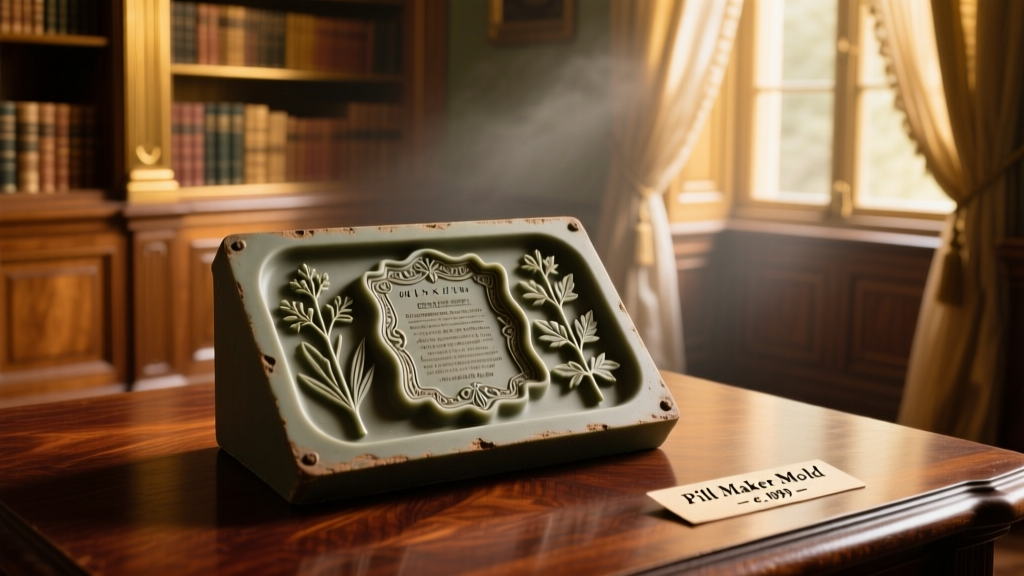
Hard Rubber Medical Pill Maker Mold: A Technical and Historical Analysis of the 6¼ × 2½ Inch Tablet Triturate Mold

Watt Moonflower Cup and Saucer Black No. 40 & 41: Identification, Provenance, and Conservation Guidelines
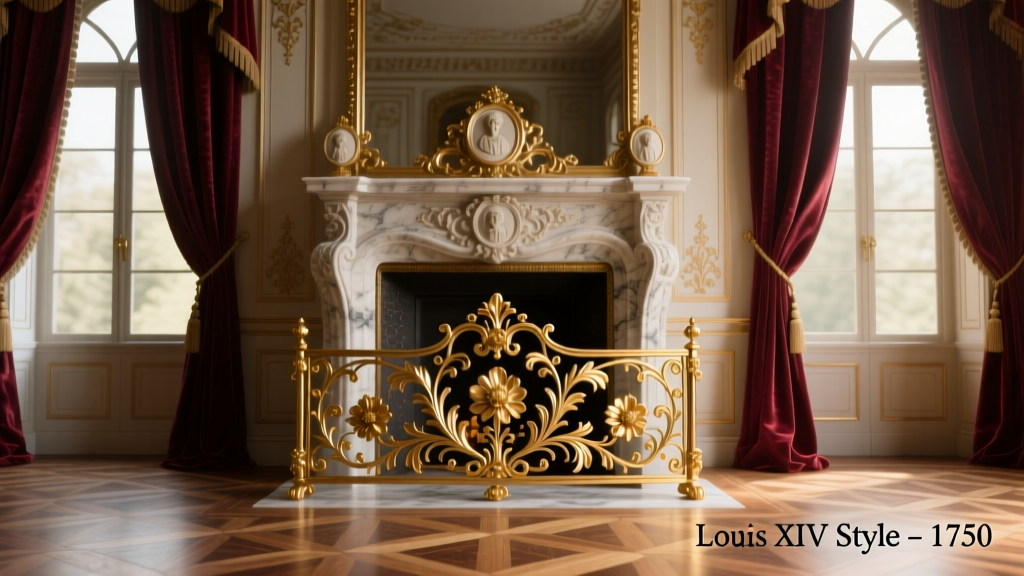
Authentic Gilt Metal Fireplace Fender in Louis XIV Style: Dimensions, Craftsmanship, and Historical Context
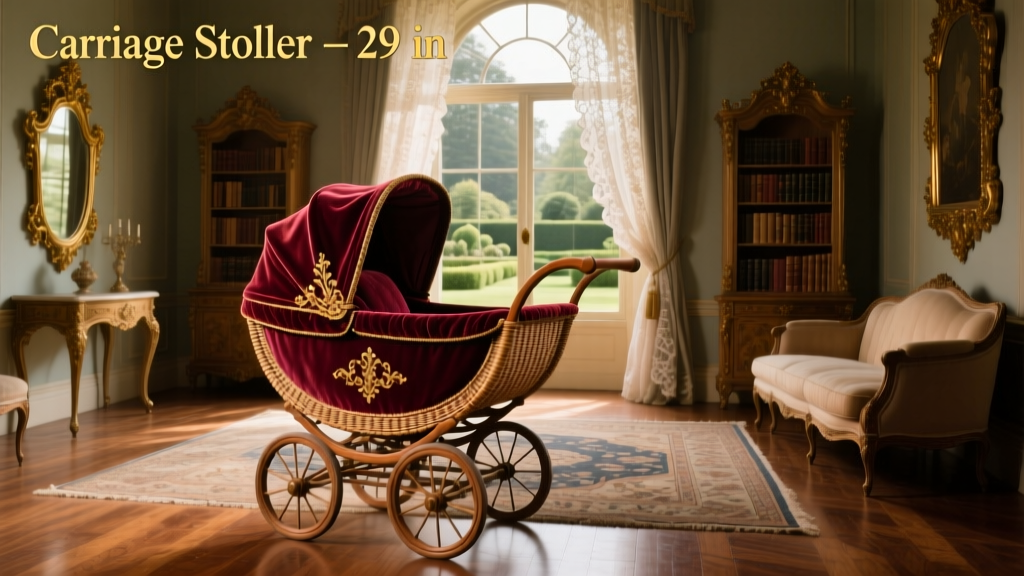
The Carriage Stroller: Wicker, Walnut, and Velvet — A 29-Inch Antique Infant Transport Artifact
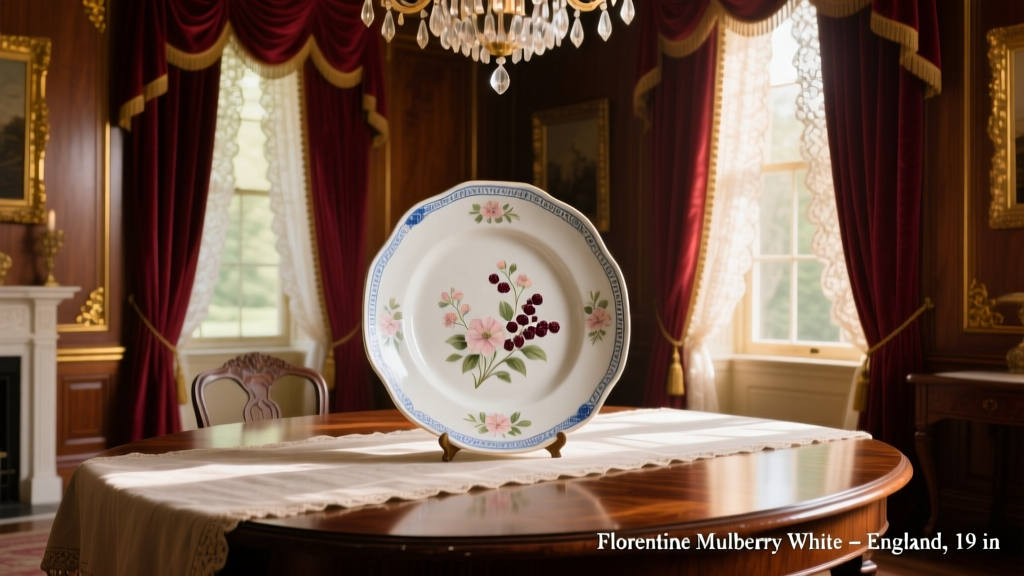
The Ironstone Platter: Florentine Mulberry White, England, 19 Inches — History, Identification & Restoration Insights
Toy Seesaw Windup Celluloid Tin: A 6½-Inch Mechanical Marvel from the Golden Age of Tinplate Toys

Flask Soldier Dancer Fanny Lemon Yellow 1 Pt: Identifying, Valuing, and Restoring a Rare 19th-Century English Pewter Flask Set