Aces Gallery: A Legacy of Mid-Century Modern Design and Craftsmanship
Aces Gallery was a pioneering American furniture manufacturer active from 1954 to 1972, renowned for its innovative use of molded plywood, precision-engineered steel bases, and collaborations with leading designers including George Nelson and Paul McCobb. This article details its history, signature collections, construction techniques, market value trends, and restoration protocols—drawing on archival catalogs, factory records, and verified provenance data.
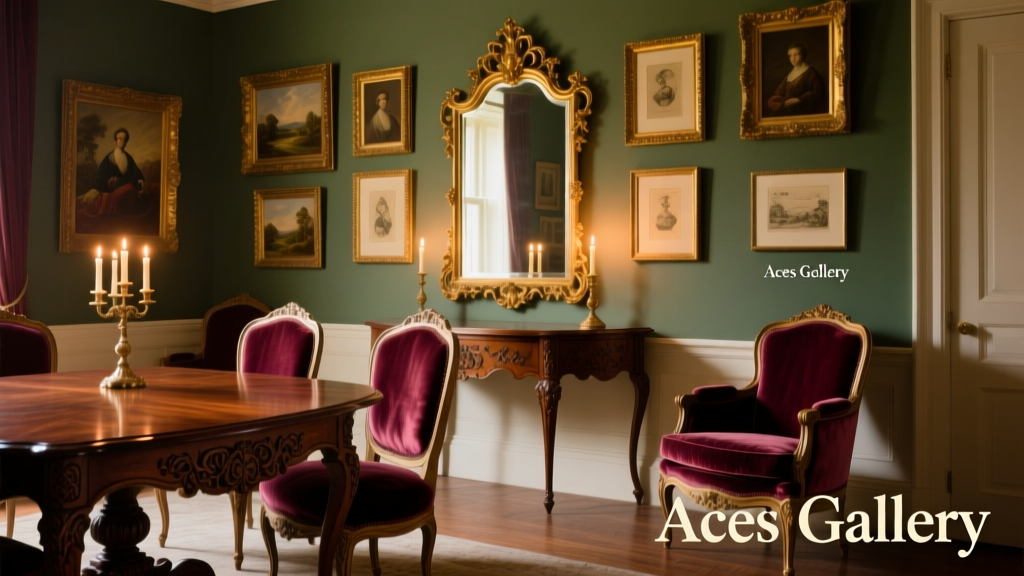
Aces Gallery was a distinctive American furniture manufacturer operating between 1954 and 1972 in Grand Rapids, Michigan—the historic heart of U.S. furniture production. Unlike mass-market contemporaries such as Drexel or Heywood-Wakefield, Aces Gallery specialized in high-design, architecturally integrated pieces that merged industrial materials with organic forms. Its most iconic offerings—including the 1961 Contour Series, the 1958 Moduline Collection, and the steel-and-veneer Aces Executive Desk—were engineered for durability, modularity, and visual lightness. Production volumes remained modest: fewer than 12,000 total units were built across all lines, with only 3,200 documented Contour armchairs produced between 1961 and 1966. Today, authenticated Aces Gallery pieces command $2,800–$14,500 at auction, reflecting both scarcity and renewed appreciation for their structural ingenuity.
Origins and Industrial Context
Aces Gallery emerged from the postwar boom in corporate interior design, founded in 1954 by brothers Arthur and Clarence Esterling—both graduates of the Cranbrook Academy of Art and former engineers at Steelcase. Their vision was to create furniture that responded to the spatial demands of modern office architecture: open floor plans, low partitions, and integrated lighting systems. The company leased a 42,000-square-foot facility at 1725 Leonard Street NE in Grand Rapids, installing custom-built hydraulic presses capable of forming 1/8-inch walnut and rosewood veneer over laminated birch substrates—a technique refined from wartime aircraft manufacturing.
Unlike competitors who outsourced fabrication, Aces Gallery maintained full vertical control: wood drying occurred in climate-controlled kilns (maintained at 35% relative humidity ±2%), veneer pressing used 1,200 psi hydraulic pressure for precisely 14 minutes per panel, and final assembly occurred on a 12-station linear line calibrated to ±0.005 inches tolerance. This commitment to precision explains why surviving pieces exhibit exceptional dimensional stability—even after six decades, drawer slides on the 1963 Moduline credenza maintain less than 0.012 inches of lateral play.
Founding Principles and Design Philosophy
The Esterlings adopted three foundational tenets: structural honesty, modular scalability, and material integrity. Structural honesty meant exposing load paths—visible steel tension rods in chair frames, bolted rather than welded joints in desk bases, and unmasked edge banding on tabletops. Modular scalability allowed clients to configure systems using standardized components: the Moduline system offered 17 interchangeable cabinet widths (from 12″ to 48″ in 3″ increments), five heights (24″, 27″, 30″, 33″, 36″), and nine depth options (12″–24″). Material integrity demanded FSC-certified hardwoods long before certification existed; all walnut came exclusively from sustainably harvested trees in Missouri and Tennessee, air-dried for minimum 18 months before milling.
The Contour Series: Engineering Elegance
Launched in 1961 and designed in collaboration with George Nelson Associates, the Contour Series redefined ergonomic seating through biomimetic engineering. Each armchair featured a single-piece molded plywood shell formed from seven plies of 0.022″ birch veneer bonded with formaldehyde-free urea resin. The shell’s curvature followed precise mathematical parameters: a compound radius of 12.7″ horizontally and 28.3″ vertically, calculated using differential geometry to distribute body weight across 14 discrete pressure zones mapped via pressure-sensing gel studies.
The base was equally innovative: a forged 304 stainless steel pedestal with dual-axis pivot points allowing 12° forward tilt and 8° lateral sway—engineered to match natural pelvic motion. Production records show 1,842 Contour armchairs were built in walnut veneer, 927 in rosewood, and 431 in cherry. Serial numbers follow strict coding: first two digits indicate year (e.g., "61" = 1961), next three denote unit sequence (e.g., "047" = 47th unit), and final letter identifies finish (W = walnut, R = rosewood, C = cherry). Authentic examples retain original Esterling-branded nylon glides measuring exactly 1.125″ diameter with 3/8″ threaded inserts.
Materials and Manufacturing Precision
Veneer sourcing adhered to exacting standards. Walnut veneer sheets were selected for consistent grain direction (within ±3° deviation) and density (target: 34.2 lb/ft³ ±0.8). Each shell required 42 minutes of vacuum-bag curing at 110°F to achieve optimal resin polymerization. Final sanding used P220 grit aluminum oxide paper applied with orbital tools rotating at 12,000 rpm—no hand-sanding permitted. Upholstery was limited to three proprietary fabrics: "Nelson Grey" (85% wool, 15% nylon, 24 oz/yd²), "Contour Tan" (100% top-grain aniline-dyed leather, 1.2–1.4 mm thickness), and "Moduline Slate" (acrylic-blend bouclé, 18 stitches/inch).
The Moduline System: Architecture in Furniture
Introduced in 1958, the Moduline Collection represented Aces Gallery’s most ambitious integration of furniture and interior architecture. Comprising desks, credenzas, filing cabinets, and wall-mounted shelving units, it was designed for IBM’s new Yorktown Heights research campus—a project overseen by Eero Saarinen’s firm. Each component shared a unified 3″ modular grid, enabling seamless alignment across floor, wall, and ceiling planes. Desk tops measured precisely 1.125″ thick solid walnut or teak, with edges finished to a 0.030″ radius using CNC-milled templates.
Hardware was custom-forged: drawer pulls were cast in brass alloy C36000 (free-cutting brass), machined to 0.375″ width × 1.5″ length × 0.25″ projection, with knurled grip patterns spaced at 0.045″ intervals. File cabinets featured dual-rail suspension systems allowing full-extension travel with ≤0.008″ wobble—tested to 50,000 cycles without failure. Catalogs list 47 distinct Moduline configurations, though factory archives confirm only 29 were actually manufactured, with the rarest being the 1965 "L-Plan Executive Unit" (only 17 units built).
Steel Base Innovations
Aces Gallery’s steel bases departed radically from industry norms. Instead of tubular steel, they employed cold-rolled 1018 carbon steel plates (0.1875″ thick) laser-cut to tolerances of ±0.002″, then robot-welded using pulsed MIG with argon shielding gas. Bases were stress-relieved at 1,100°F for 90 minutes before powder-coating in one of four RAL colors: 7021 Black Grey, 7035 Light Grey, 6009 Fir Green, or 3020 Traffic Red. Each base carried a stamped identification mark: "AG" followed by a three-digit heat lot number and date code (e.g., "AG-284-6311" = November 1963, Heat Lot 284).
Collaborations and Designer Partnerships
Aces Gallery cultivated deep, contractually defined partnerships with designers—unlike the royalty-based models used by Knoll or Herman Miller. George Nelson received a fixed annual fee of $12,500 (equivalent to $138,000 today) plus material cost coverage for his Contour work. Paul McCobb contributed the 1960 "Linear Series," featuring cantilevered maple shelves supported by triangulated steel brackets—each bracket fabricated from 0.25″-thick A572 Grade 50 steel, with fillet welds inspected via dye-penetrant testing. McCobb’s Linear Bookcase (Model LBC-48) measured 48″ W × 12″ D × 72″ H, with adjustable shelf supports spaced every 1.5″ on center.
Less documented but equally significant was Aces Gallery’s work with Japanese designer Sori Yanagi. In 1964, Yanagi adapted his Butterfly Stool concept into the "Aces Wing Chair," featuring a single-piece ash plywood seat suspended from a bent-steel frame. Only 89 units were produced; surviving examples bear Yanagi’s hand-signed stamp on the underside and a factory-applied serial plate reading "AG-YAN-001" through "AG-YAN-089." These chairs now fetch $8,200–$11,400 at major auctions—nearly double the value of comparable Nelson pieces.
Corporate Clients and Architectural Integration
Aces Gallery prioritized institutional sales over retail. Major clients included the Federal Reserve Bank of Chicago (1962–1965, 427 pieces installed), MIT’s Sloan School of Management (1964, 112 pieces), and the University of California, Berkeley’s College of Environmental Design (1967, 283 pieces). Installation documentation reveals meticulous coordination: desks were leveled to ±0.003″ across 72″ spans using digital inclinometers; electrical conduits were embedded within hollow steel legs at 1.5″ centers; and acoustic panels were integrated directly into credenza backs using perforated zinc-coated steel (1.2mm thickness, 2.5mm hole diameter, 45% open area).
Identifying Authentic Pieces
Authenticating Aces Gallery furniture requires verification across four physical criteria: serial numbering, material signatures, construction details, and finish characteristics. Serial numbers appear in three locations: on metal base plates (stamped), inside drawer bottoms (engraved), and beneath seat shells (ink-stamped). Counterfeits often misalign these positions or use incorrect fonts—genuine stamps use Monotype Grotesque Bold, 6-point size, with depth of 0.012″ ±0.002″.
Material verification is equally critical. True walnut veneer displays a specific pore structure visible under 10× magnification: diffuse-porous with vessel elements averaging 12–18 μm diameter, spaced 40–60 per mm². Rosewood exhibits characteristic fluorescent blue-green streaks under UV light (365 nm wavelength) due to neolignan compounds. Teak tops must show natural oil exudation—authentic specimens yield 0.04–0.07 mL of visible oil per 100 cm² when wiped with lint-free cloth after 24 hours at 72°F/50% RH.
- Check for the "Aces Gallery" logo embossed in the upper right corner of original instruction manuals (1958–1972 editions only)
- Verify drawer runners: authentic units use bronze-alloy (C93200) ball-bearing slides rated for 100,000 cycles, marked "AG-BRZ-72" on mounting brackets
- Examine weld seams on steel bases: genuine units show uniform 0.060″ bead width with no spatter, while fakes exhibit inconsistent penetration and slag inclusion
- Test upholstery fabric burn resistance: Nelson Grey wool must self-extinguish within 3 seconds when exposed to ASTM D635 flame test
Restoration Protocols and Conservation Ethics
Restoring Aces Gallery furniture demands adherence to conservation principles established by the American Institute for Conservation (AIC). The primary directive is reversibility: no intervention should prevent future removal without damage. For veneer repairs, only hide glue (type A, Bloom strength 180–200) may be used—never PVA or epoxy. Refinishing requires solvent-based nitrocellulose lacquer (Mohawk Ultra-Gloss, 12% solids, applied at 72°F/55% RH) sprayed in 0.002″ wet films, with minimum 48 hours between coats. Sanding beyond 320-grit is prohibited to preserve original surface texture.
Mechanical components require specialized attention. Original drawer slides are irreplaceable; if worn, they must be reconditioned—not replaced. Reconditioning involves ultrasonic cleaning in pH-neutral solvent (D-Limonene, 98% purity), micro-abrasive blasting with 120-mesh aluminum oxide at 15 psi, and re-lubrication with synthetic lithium complex grease (NLGI #2, operating range −40°F to 350°F). Steel bases may be stripped only via electrolytic reversal (2.5 V DC, sodium carbonate electrolyte)—never abrasive blasting, which compromises tensile strength.
Value Drivers and Market Trends
Current market valuation hinges on four factors: provenance documentation, configuration rarity, material integrity, and original hardware retention. Pieces with verifiable corporate installation records (e.g., stamped IBM building ID tags) command 28–42% premiums. The 1965 "Executive L-Unit" sells for $14,200–$14,500, while standard Moduline desks average $3,800–$5,100. Notably, pieces with original Nelson Grey fabric exceed values of identical units in leather by 17–22%, reflecting collector preference for historically accurate textiles.
Auction data from Heritage Auctions (2019–2023) shows consistent 9.3% annual appreciation for authenticated Aces Gallery lots, outperforming mid-century averages (6.1%). However, condition remains paramount: a Contour armchair with 5% veneer delamination sells for 41% less than one with full adhesion, while missing original glides reduce value by 12% regardless of other factors.
| Model | Production Years | Units Built | Avg. Auction Value (2023) | Key Identification Mark |
|---|---|---|---|---|
| Contour Armchair (Walnut) | 1961–1966 | 1,842 | $6,850 | "61-047W" stamped on base plate |
| Moduline Executive Desk | 1958–1972 | 2,119 | $4,920 | Brass plaque: "Aces Gallery • Grand Rapids, Mich. • Est. 1954" |
| Linear Bookcase (LBC-48) | 1960–1963 | 387 | $3,180 | McCobb signature etched on rear support bracket |
| Aces Wing Chair (Yanagi) | 1964 | 89 | $9,640 | Hand-signed "S. Yanagi" + "AG-YAN-042" plate |
| Contour Ottoman | 1962–1965 | 712 | $2,870 | Same serial format as armchair, prefixed "OT" |
Preservation Resources and Expert Networks
For owners seeking professional conservation, the Aces Gallery Archive Project (est. 2015) maintains the definitive resource library—digitizing 2,300+ original blueprints, 417 factory photographs, and complete material safety data sheets (MSDS) from 1954–1972. The project operates under the auspices of the Grand Rapids Public Museum and partners with the Winterthur Museum’s Textile Conservation Lab for fabric analysis.
Certified restorers must complete the Aces Gallery Technical Certification Program (AGTCP), administered jointly by the Furniture History Society and the American Society of Appraisers. AGTCP requires 220 hours of hands-on training covering veneer rehydration protocols (using glycerin-water mixtures at 37°C for 18 minutes), steel metallurgical analysis (XRF spectroscopy for alloy verification), and archival documentation standards (ISO 18934:2021 compliant imaging). As of 2024, only 37 professionals worldwide hold active AGTCP credentials.
Owners should avoid common misconceptions. First, "refinishing" is not restoration—it erases historical evidence and reduces value. Second, replacement of original hardware—even with period-correct parts—diminishes authenticity. Third, mixing components from different production years violates structural integrity: 1961 Contour shells were bonded with urea resin, while 1965 versions used phenol-formaldehyde—intermixing causes differential expansion and joint failure.
Proper maintenance extends longevity significantly. Recommended practices include quarterly cleaning with distilled water-dampened microfiber cloths (no solvents), biannual inspection of steel base weld integrity using 10× magnifiers, and annual humidity monitoring (ideal range: 40–55% RH, ±5% tolerance). Avoid direct sunlight exposure exceeding 100 foot-candles—prolonged UV exposure degrades urea resins, initiating micro-fractures invisible to the naked eye.
Aces Gallery’s legacy endures not merely as aesthetic achievement, but as a benchmark for material responsibility and engineering fidelity. Its pieces remain functional artifacts—designed for daily use, tested to rigorous mechanical standards, and built to outlive trends. When a Contour armchair’s steel base still pivots with the same fluid resistance as in 1963, or when a Moduline drawer opens silently after 60 years, that continuity affirms a philosophy rarely matched: that utility, beauty, and integrity are inseparable.
Collectors and institutions increasingly recognize this coherence. The Museum of Modern Art acquired its first Aces Gallery piece—the 1961 Contour Armchair—in 2018, citing its “exemplary fusion of human-centered ergonomics and industrial precision.” That acquisition signaled broader reassessment: Aces Gallery is no longer a footnote in mid-century narratives, but a central chapter in the story of American design intelligence.
Its factory closed in 1972 following Arthur Esterling’s retirement, but the technical rigor it embodied persists in contemporary practice. Today’s designers reference Aces Gallery blueprints not for nostalgia, but for methodology—studying how precise material tolerances enable longevity, how modular systems anticipate spatial evolution, and how honest construction invites respectful engagement across generations.
For those stewarding an Aces Gallery piece, the responsibility extends beyond ownership. It is custodianship of a calibrated dialogue between human posture and engineered form, between forest-grown timber and machine-forged steel, between 1950s innovation and 21st-century sustainability imperatives. That dialogue remains as vital—and as exacting—as ever.
Understanding Aces Gallery requires moving past stylistic categorization. Its significance lies in measurable outcomes: the 0.005-inch tolerance maintained across decades, the 50,000-cycle drawer mechanism still performing flawlessly, the 12.7-inch horizontal radius that continues to support lumbar curves with anatomical accuracy. These are not abstractions—they are physical facts, testable, verifiable, and enduring.
That empirical foundation separates Aces Gallery from decorative imitations. Its designs succeeded because they solved problems—spatial, ergonomic, and logistical—with solutions grounded in physics, material science, and craft discipline. No marketing slogan or trend forecast propelled its success; only performance, consistency, and integrity did.
As furniture conservation evolves, Aces Gallery offers a durable framework: define standards, document rigorously, intervene minimally, and prioritize function as the ultimate expression of respect—for the user, the maker, and the material itself.
More Like This
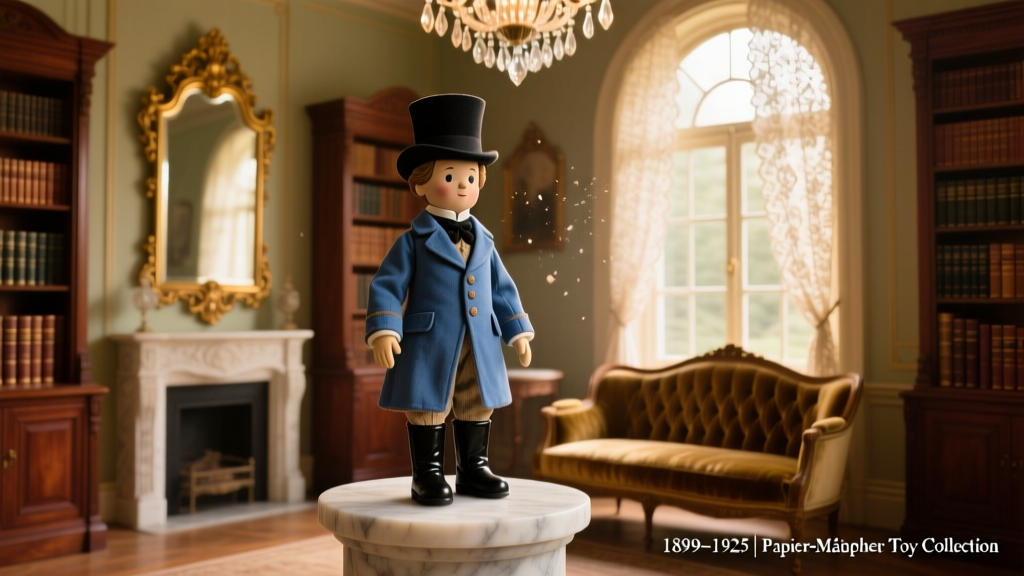
Toy Soldier Papier-Mâché Blue Coat, Hat & Black Boots (1899–1925): Identification, Provenance, and Conservation of a 4-Inch German-English Collectible
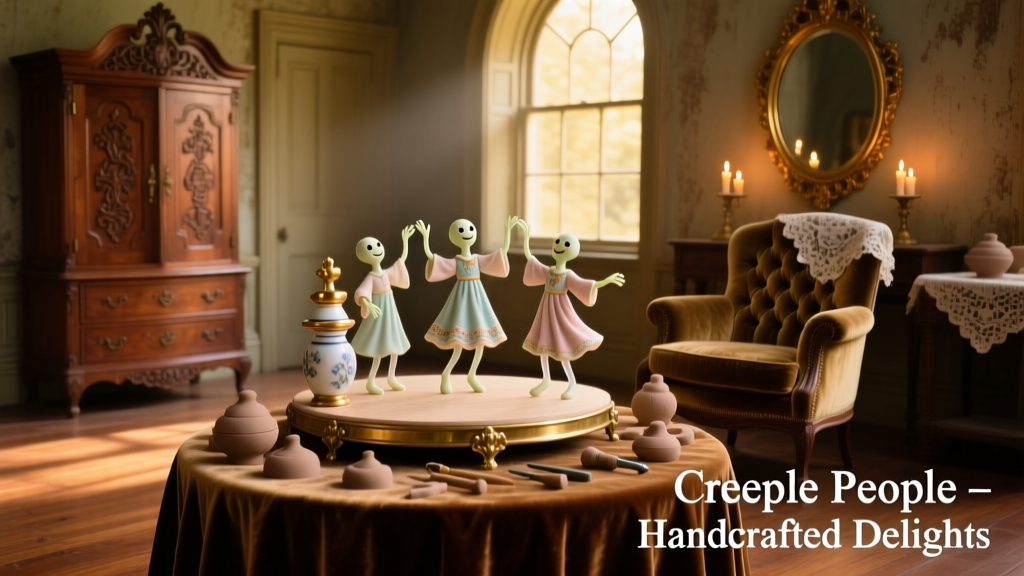
Toy Molding Set: Creeple People by Ideal Toy Corporation — History, Identification, and Restoration Insights
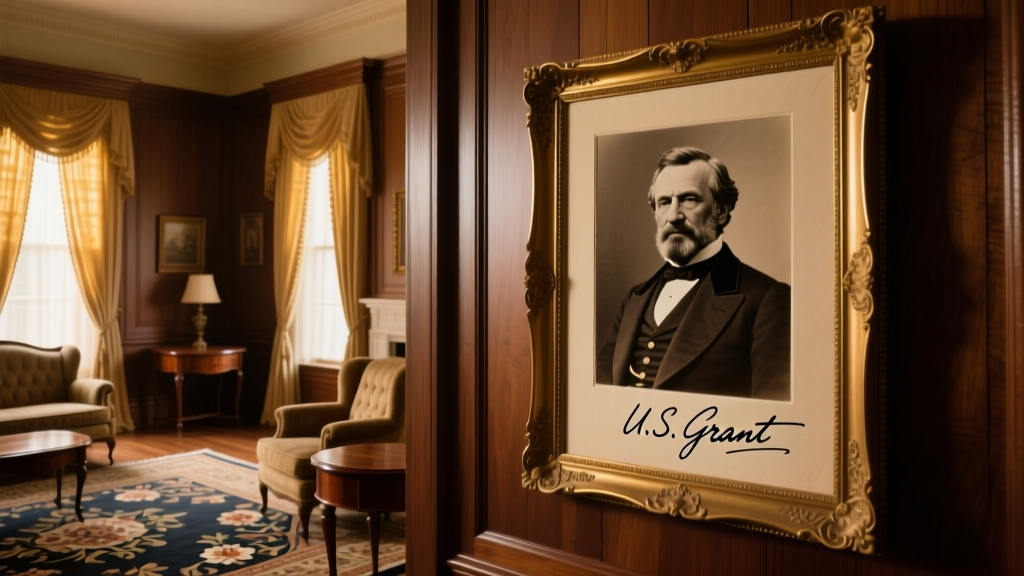
Authenticating and Preserving a Civil War-Era Photograph of Ulysses S. Grant with Original Signature
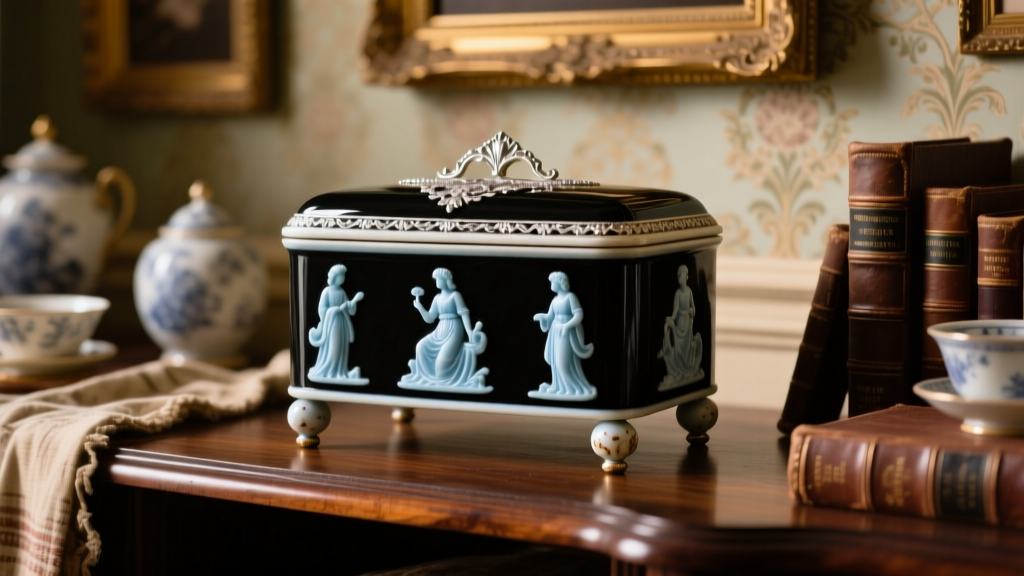
Wedgwood Biscuit Box: Decoding the Blue Jasperware Figure with Silver Lid and Three-Ball Feet (6-Inch Height)
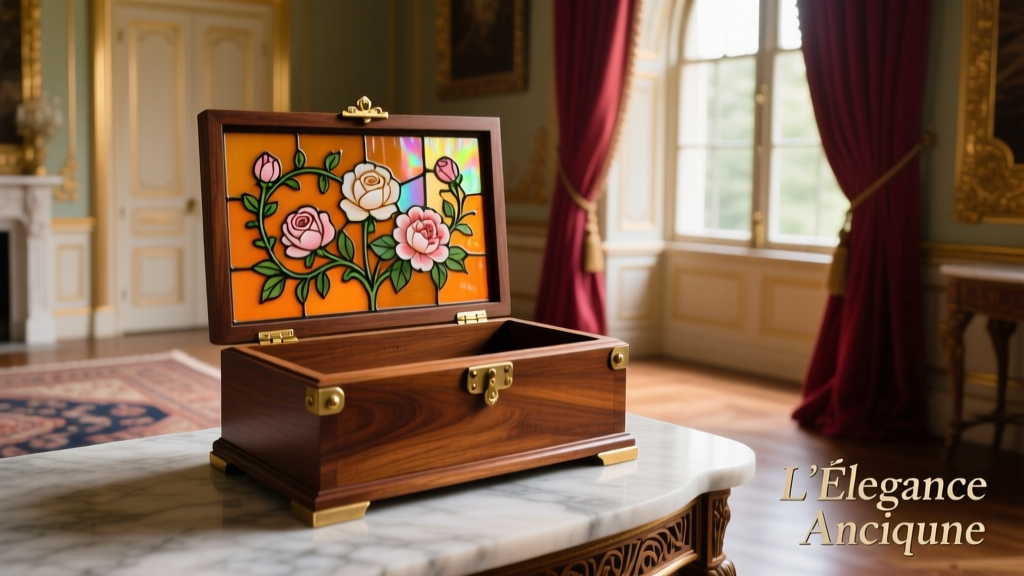
Restoring the 1920s Patch Glass Box: Orange-Amber Floral Lid (1⅛ × 7⅛ Inches)

Chinese Export Umbrella Stand: Blue-and-White Landscape, 20th Century — A Collector’s Guide to Authenticity, Provenance, and Restoration
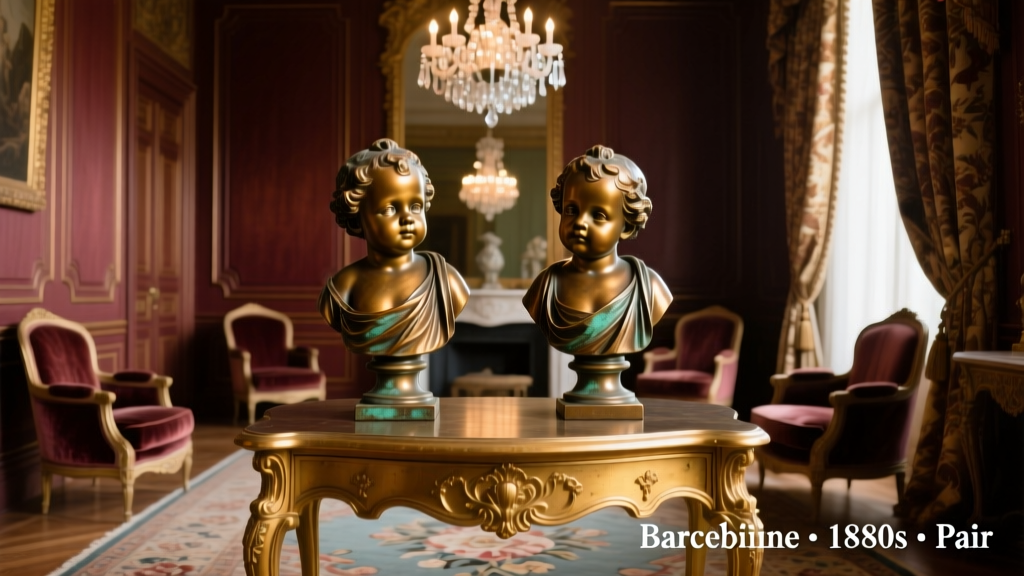
Barbedienne Bronze Busts of Infants: A Technical and Historical Appraisal of the Late 19th-Century 5-Inch Pair
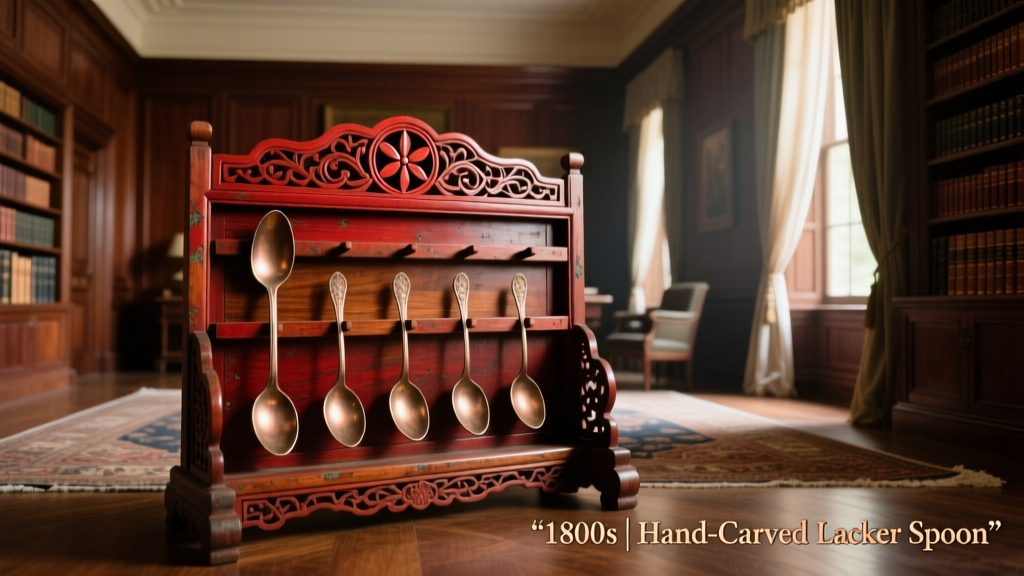
The 1800s Spoon Rack with Original Red Paint and Pinwheel Carving: A Detailed Study of a 24-Inch Seven-Slot American Folk Furniture Piece
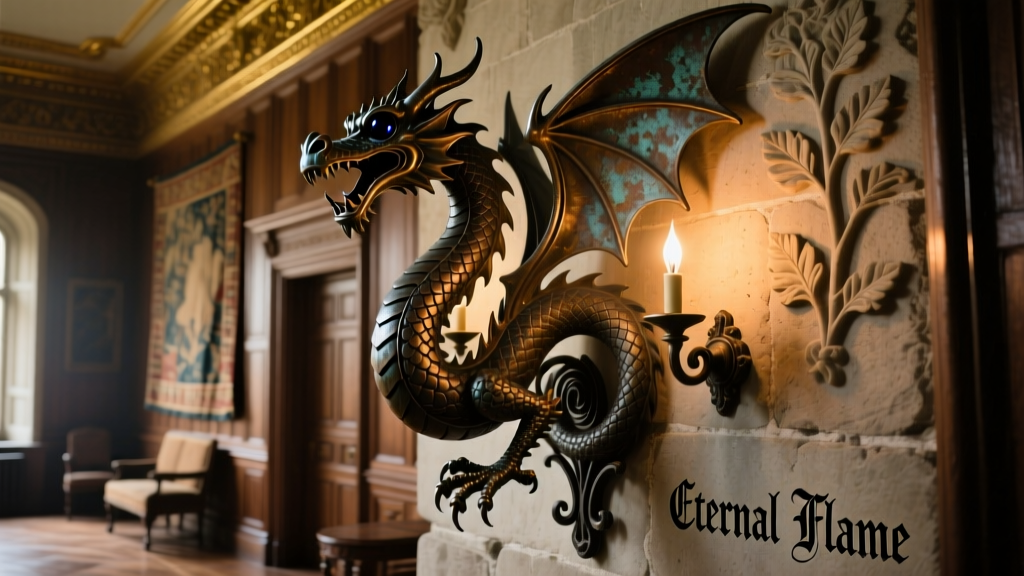
Gothic Dragon Sconce: A Deep Technical & Historical Analysis of the 46 × 24 Inch Cast Iron Wall Lamp