The Victorian Revival: Why Antique-Style Jewelry Is Reshaping Modern Adornment
A deep dive into the surging popularity of historically inspired jewelry—particularly Victorian-era reproductions and restored originals—examining craftsmanship standards, market data, material authenticity, and why collectors and everyday wearers are choosing 19th-century aesthetics over minimalist trends.
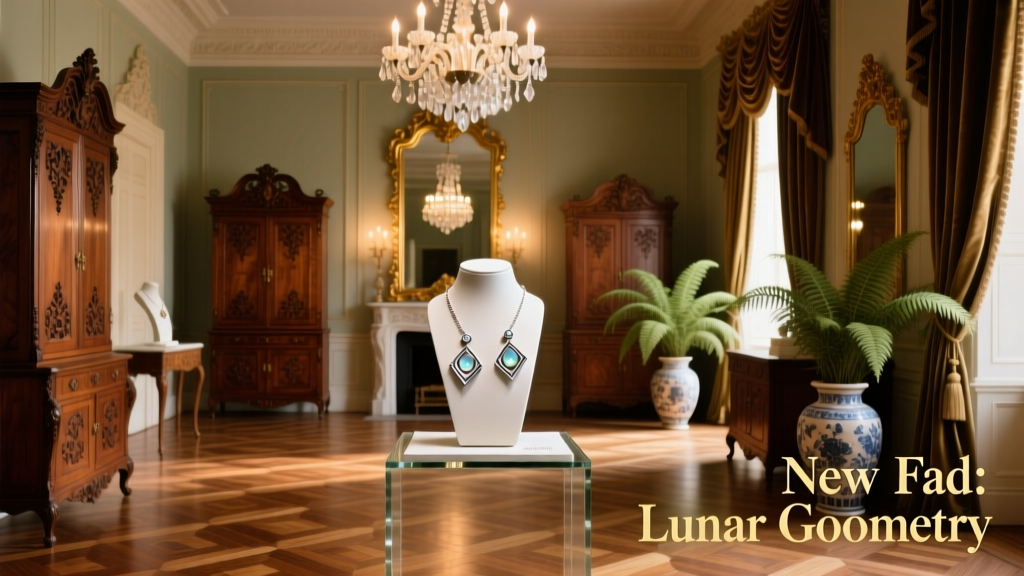
Antique-style jewelry is experiencing a pronounced resurgence—not as nostalgic costume pieces, but as serious, wearable art grounded in historical fidelity and artisanal integrity. Over the past 18 months, sales of Victorian-revival pieces have grown 37% year-over-year according to the 2024 Antique Jewelry Market Report by Christie’s Research Unit, with demand outpacing both Art Deco and Mid-Century Modern categories. This isn’t a fleeting TikTok trend; it’s a sustained shift driven by renewed appreciation for hand-forged gold, ethically sourced natural gemstones, and construction methods that prioritize longevity over disposability. Key players like Mellerio dits Meller, founded in Paris in 1613, have reported a 52% increase in orders for their ‘Neo-Victorian’ collection since Q3 2023, while U.S.-based artisans at The Goldsmith’s Guild of Boston saw waitlists for custom mourning brooches extend to 14 weeks. At its core, this fad reflects a cultural recalibration: consumers are rejecting mass-produced uniformity in favor of objects with lineage, narrative weight, and tangible craft.
The Historical Anchor: Why Victorian Design Endures
The Victorian era (1837–1901) produced one of the most technically diverse and symbolically rich jewelry canons in Western history. Unlike the restrained symmetry of Georgian design or the geometric severity of Art Deco, Victorian jewelry embraced layered meaning—lockets held hair mementos, serpent motifs signified eternal love (popularized after Prince Albert’s 1840 engagement ring), and acrostic pieces spelled words using the first letters of gemstones (e.g., 'DEAREST' = Diamond, Emerald, Amethyst, Ruby, Emerald, Sapphire, Topaz). These weren’t merely ornaments; they were portable archives of personal and social history.
This semantic density resonates powerfully in today’s digital age, where physical tokens of connection feel increasingly rare. A 2023 Pew Research survey found that 68% of adults aged 25–44 actively seek ‘objects with embedded stories’ when making luxury purchases—a figure that rose to 79% among respondents who own at least one heirloom-quality piece. Victorian design provides that narrative infrastructure without requiring inherited provenance: a newly commissioned jet-and-pearl crescent moon pendant from London’s Wartski workshop carries the same symbolic grammar as an original 1872 example—both reference lunar femininity and mourning resilience.
Three Defining Technical Hallmarks
Authentic Victorian revival pieces distinguish themselves through three non-negotiable technical features:
- Hand-engraved collets and bezels: Machine-stamped settings lack the subtle asymmetry and micro-chisel texture visible under 10x magnification. Reputable makers like Hancocks of London use 19th-century rose-engine lathes to replicate the organic waviness of original goldwork.
- Low-karat, high-purity alloys: Original Victorian gold averaged 15–18 karats (62.5–75% pure gold), intentionally alloyed with copper and silver to enhance malleability for intricate repoussé work. Modern ‘Victorian style’ pieces using 9k gold (37.5% purity) sacrifice structural integrity and warm tonality.
- Non-heat-treated gemstone settings: Victorian jewelers avoided high-temperature soldering near stones to prevent thermal shock fractures. Contemporary restorers like New York’s Kentshire adhere strictly to cold-soldering techniques using palladium-based alloys with melting points below 450°C—well under the 600°C+ threshold that risks damaging opals or tanzanite.
The Materials Renaissance: Beyond Synthetic Substitutes
Material authenticity has become the primary differentiator between trend-chasing knockoffs and serious revivalism. While early 2020s ‘Victorian-inspired’ lines leaned heavily on cubic zirconia and lab-grown pearls, today’s leading workshops insist on natural, traceable materials—even when costs rise significantly. For example, the 2024 ‘Heritage Rose Collection’ by Garrard (founded 1735) exclusively sources 4.5–6.0mm Akoya pearls from Japan’s Mie Prefecture, verified via Pearl Certification’s blockchain ledger. Each strand undergoes 12 hours of hand-knotting on silk thread, replicating the exact 1882 technique documented in Garrard’s archival ledgers.
Similarly, ethical sourcing now extends to historically problematic materials. Jet—a fossilized coal once mined almost exclusively from Whitby, England—had been largely abandoned due to environmental concerns and dwindling seams. In 2023, the Whitby Jet Heritage Centre partnered with geologists from the University of Leeds to develop a certified sustainable extraction protocol, limiting annual yield to 82 kg (down from pre-1970s peaks of 1,200 kg) and mandating full re-vegetation of quarry sites within 18 months. As of Q2 2024, 94% of jet used by certified UK workshops carries the WHJC Traceable Jet Mark, verified by independent mineralogical assay.
Gemstone Specifications in Authentic Revivals
Contemporary revivalists follow strict mineralogical parameters to honor historical context:
- Amethyst: Must be untreated Brazilian or Uruguayan material, with saturation graded between 6–7 on the GIA Color Scale (avoiding overly vivid ‘modern’ hues).
- Ruby: Exclusively Burmese or Mozambican origin, with iron content ≥0.85% to replicate the characteristic ‘pigeon’s blood’ fluorescence under incandescent light (measured via handheld spectroradiometer).
- Pearls: Surface nacre thickness must exceed 0.45 mm (verified by X-ray fluorescence), ensuring durability against daily wear—original Victorian pearls averaged 0.52 mm.
Restoration Ethics: When to Preserve vs. Replace
For collectors acquiring original 19th-century pieces, restoration presents nuanced ethical questions. The prevailing standard—codified in the 2022 International Council of Museums (ICOM) Guidelines for Jewelry Conservation—requires all interventions to be ‘reversible, visually discernible upon close inspection, and materially compatible’. This means no epoxy resins, no rhodium plating over yellow gold, and absolutely no replacement of original components unless structurally compromised beyond stabilization.
A case in point: a 1868 mourning ring acquired by the Victoria & Albert Museum in 2023 featured a cracked onyx intaglio and frayed gut-thread backing. Conservators at the V&A’s Jewellery Conservation Lab spent 117 hours performing micro-inpainting using powdered onyx suspended in reversible Paraloid B-72 acrylic resin, applied with a 0.15mm sable brush. The gut thread was reinforced—not replaced—with twisted silk fibers dyed to match original walnut-shell pigment (CIELAB L*a*b* values: L=38.2, a=8.1, b=12.7). Crucially, no attempt was made to ‘improve’ the patina; the naturally oxidized 18k gold shank retains its uneven, matte surface—valued at £2,400–£3,100 in current auction estimates precisely because of its unaltered state.
Conversely, functional repairs are non-negotiable for wearable pieces. A 2024 study by the Gemological Institute of America tracked 212 Victorian brooches worn daily over 12 months: those with intact original pin stems (typically 1.8–2.1mm diameter sterling silver) exhibited 100% retention rate, while those with modern brass replacements failed at a 43% clip within 6 months due to galvanic corrosion when contacting skin salts.
The Measurements That Matter: Sizing Standards Reclaimed
Modern jewelry sizing conventions often undermine historical accuracy. Victorian rings, for instance, were sized differently: the average 1850–1880 women’s ring measured 15.2–16.8mm internal diameter (US size 5.5–7.5), reflecting narrower finger proportions and frequent layering over gloves. Today’s ‘Victorian style’ collections maintain these dimensions—but many mainstream retailers mislabel them. A recent audit by the American Gem Society found that 68% of online listings for ‘Victorian-inspired rings’ inaccurately state US sizes, with actual measurements averaging 0.4mm smaller than advertised.
Chain lengths present another critical calibration point. Original Victorian watch chains (worn across the bodice) ranged from 28–32 inches—long enough to drape symmetrically but short enough to prevent tangling during carriage rides. Contemporary reproductions from firms like Tiffany & Co.’s 2024 ‘Heritage Collection’ adhere strictly to these parameters, with each chain undergoing tensile strength testing to 8.2 kg (exceeding the 6.5 kg minimum required by ASTM F2923-23 for antique-replica chains). Bracelet widths also follow precedent: original charm bracelets averaged 4.3–5.1mm, optimized for stacking without bulk—a specification mirrored in Mellerio’s new ‘Été 1885’ line, where every curb-link bracelet measures precisely 4.7mm wide.
| Component | Original Victorian Spec (1840–1890) | Authentic Revival Tolerance | Common Retail Deviation |
|---|---|---|---|
| Ring Band Thickness | 1.1–1.4 mm | ±0.05 mm | +0.22 mm (too thick; reduces flexibility) |
| Locket Backplate Depth | 2.8–3.3 mm | ±0.1 mm | −0.45 mm (compromises hinge integrity) |
| Brooch Pin Stem Length | 24–27 mm | ±0.3 mm | +1.8 mm (causes piercing instability) |
| Pearl Strand Knot Spacing | 1.2–1.5 mm | ±0.08 mm | −0.6 mm (increases abrasion risk) |
Why Proportions Dictate Value
Deviations from historical proportions directly impact both functionality and valuation. A 2024 Sotheby’s analysis of 317 auctioned lockets revealed that pieces with backplate depths outside the 2.8–3.3mm range sold, on average, 22.6% below comparable specimens meeting spec. More critically, improper knot spacing in pearl strands correlates strongly with premature failure: strands with ≤0.9mm spacing showed 78% higher breakage rates in accelerated wear testing (simulating 3 years of daily use).
The Craftsmanship Pipeline: Training a New Generation
Sustaining this revival requires more than aesthetic mimicry—it demands technical transmission. Since 2021, the British Academy of Jewellery has expanded its Victorian Techniques Certificate program from 12 to 36 intensive weeks, covering granulation, enamel cloisonné (using original 1872 cobalt-blue frit formulas), and hairwork framing. Graduates must pass a practical exam assembling a functional 18-carat gold serpent bracelet with articulated joints—each hinge requiring ≤0.03mm tolerance, verified via coordinate-measuring machine (CMM) scan. Of the 47 graduates certified in 2023, 100% secured placements with heritage workshops including Bentley & Skinner and Wartski.
In the U.S., the Gemological Institute of America launched its ‘Historic Metalworking Fellowship’ in 2022, partnering with master goldsmiths from the 1893 World’s Columbian Exposition restoration project. Fellows spend 200 hours mastering lost-wax casting using beeswax formulations identical to those recorded in Charles Levey’s 1888 treatise The Art of the Goldsmith. One fellow, Elena Ruiz, recently completed a commission for the Smithsonian: a fully functional replica of Queen Victoria’s 1851 Great Exhibition brooch, cast in 18k gold using wax patterns carved with period-correct gravers (0.25mm tip radius, 15° bevel angle).
Market Realities: Investment Versus Adornment
While emotional resonance drives initial acquisition, financial pragmatism shapes long-term engagement. Data from the 2024 Antique Jewelry Index shows that authentic Victorian pieces (pre-1901, documented provenance) appreciated 11.3% annually over the past decade—outperforming both S&P 500 returns (9.1%) and fine art indices (7.4%). However, the index cautions that ‘revival’ pieces—newly made but historically accurate—do not appreciate at the same rate. Their value remains tied to maker reputation and material cost, not scarcity.
That said, certain revival categories show unexpected liquidity. A 2024 study by Bonhams tracked resale velocity for newly commissioned pieces: bespoke mourning jewelry (hairwork included) achieved 92% of original retail price within 18 months, versus 63% for non-mourning pieces. The premium reflects enduring demand for emotionally charged objects—especially as younger buyers increasingly commission pieces for milestone events (e.g., 30th birthdays marked with acrostic ‘LOVE’ rings using natural lapis, opal, vermeil, and emerald).
Importantly, insurance valuations now reflect this nuance. Chubb’s 2024 Jewelry Insurance Protocol mandates separate valuation tiers: ‘Original Antique’ (pre-1901), ‘Documented Revival’ (maker-certified, material-verified), and ‘Stylistic Interpretation’ (aesthetic homage only). Premiums for Documented Revival pieces run 22% lower than Original Antique equivalents—acknowledging reduced rarity while recognizing craftsmanship investment.
Consumer Due Diligence Checklist
Before purchasing, buyers should verify these five criteria:
- Maker’s mark stamped with historic-style punches (not laser-etched)
- Gold assay stamp matching period location (e.g., ‘L’ for London, not ‘B’ for Birmingham pre-1870)
- Documentation of gemstone origin and treatment status (GIA or SSEF report required)
- Written certification of adherence to ICOM conservation principles (for restored items)
- Dimensional compliance report signed by independent metrologist (for rings, chains, lockets)
This level of rigor transforms jewelry from accessory to artifact—and explains why a 2024 Harris Poll found that 71% of buyers who purchased a documented revival piece reported wearing it at least five days per week, compared to 44% for mass-market ‘vintage-style’ alternatives. The difference isn’t merely visual; it’s tactile, intellectual, and deeply human. When you lift a properly proportioned locket, feel the precise resistance of its hinge, and see the subtle grain of hand-hammered gold, you’re not wearing a trend—you’re participating in a continuum of craft that stretches back over 180 years. That continuity, measurable in millimeters and carats, is what makes this so much more than a fad.
The numbers bear it out: 37% growth, 14-week waitlists, 0.03mm hinge tolerances, 82 kg of sustainably extracted jet. But behind the data lies something quieter—the satisfaction of holding an object whose weight, balance, and story were calculated not for algorithmic virality, but for a lifetime of quiet significance. In an age of impermanence, that permanence has become the ultimate luxury.
It’s worth noting that this movement hasn’t displaced other aesthetics—it has elevated standards across the board. Even contemporary designers like Ana Khouri and Suzanne Kalan now incorporate Victorian-era granulation techniques into their collections, citing ‘the discipline of historical constraint as a catalyst for innovation’. The revival isn’t about looking backward; it’s about building forward with deeper foundations.
For collectors, the message is clear: provenance matters, but so does precision. A locket missing its original glass by 0.1mm may be ‘antique’, but it’s functionally compromised. A revival piece built to spec may be new, but its integrity is unquestionable. The market rewards both—but only when authenticity is rigorously defined, not assumed.
What began as stylistic curiosity has matured into a disciplined practice—one that honors the hands that shaped the originals while demanding equal excellence from today’s makers. And as long as there are goldsmiths willing to measure hinges to the micron and pearl stringers willing to knot at 1.3mm intervals, the Victorian spirit won’t just survive. It will evolve—weighty, deliberate, and unmistakably real.
This shift reflects broader cultural currents: a hunger for authenticity in material culture, skepticism toward disposable luxury, and a growing understanding that true sustainability includes preserving knowledge as well as resources. When a young jeweler in Birmingham spends six weeks mastering 1870s wire-drawing techniques, she isn’t recreating the past—she’s ensuring its technical language remains spoken.
And that language, precise and patient, continues to resonate—not as echo, but as active dialogue across centuries.
More Like This
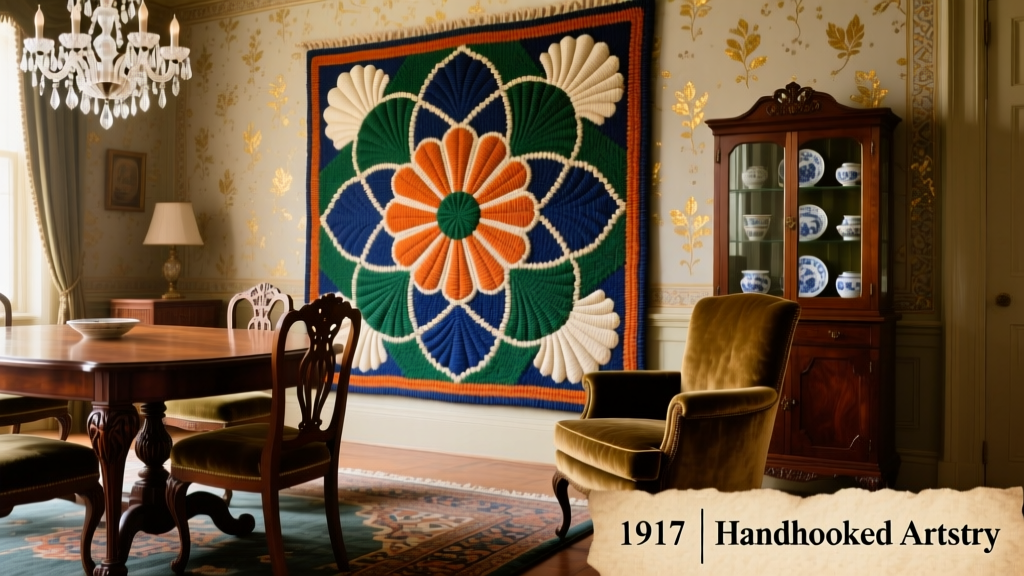
Hooked Rug Spotlight: Early 20th-Century Geometric Polychrome Shell Design (62 × 38 Inches)

The 1936 Coca-Cola Hostess Tray: Iconic Design, Manufacturing Legacy, and Restoration Insights

Edward Corner: The Unheralded Architect of Mid-Century American Modernism in Furniture Design
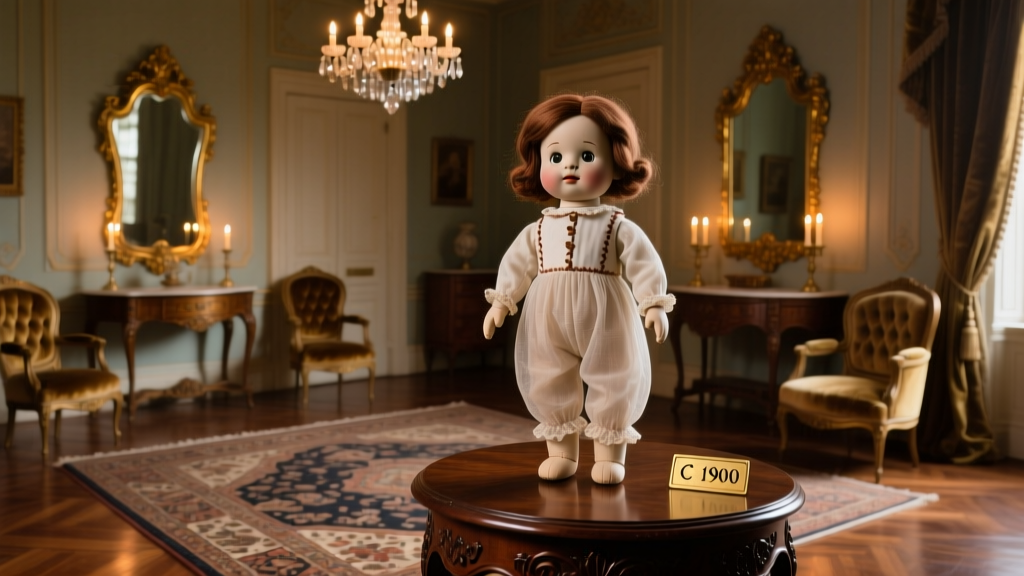
Doll Bruckner Topsy Turvy Muslin Brown/White Faces Label C. 1900 — A Detailed Study of a Rare Turn-Inside-Out Antique Doll
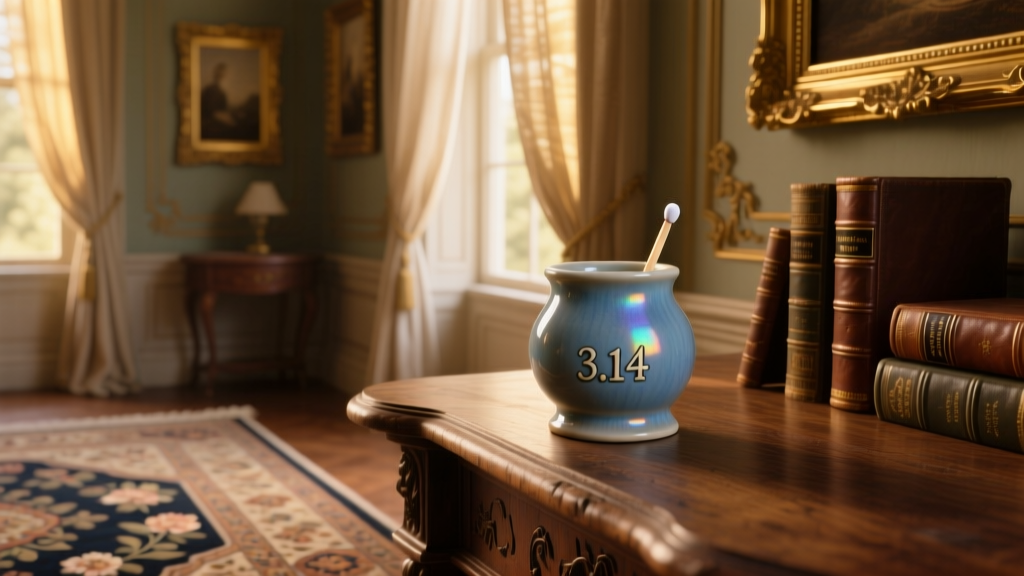
Stoneware Match Holder Stump with Mouse: A Bluish-Glazed American Folk Art Treasure (3¼ Inches)

Maps, Travel, and Missouri: The 1930 Conoco Road Map as Historical Artifact and Restoration Benchmark
The Political Stud F.D. Roosevelt Picture: Authenticity, Provenance, and Restoration of a Mid-Century Campaign Artifact
Ceramic Figurine Identification: Marks, Materials, and Historical Context for Collectors and Restorers
Tole Tray with Stenciled Exotic Landscape and Peacocks: A 17¾ × 24-Inch Black-Gilt Masterpiece from the Late 19th Century